
For a Sustainable Built Environment
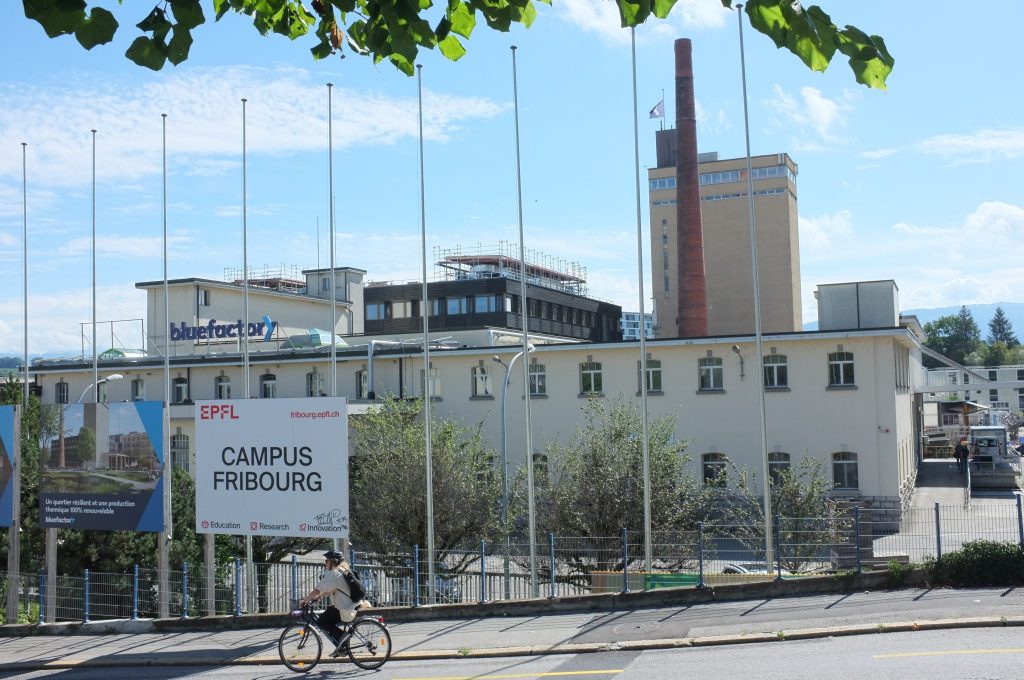
EPFL Fribourg is one of the EPFL associated campuses and involves currently five research groups affiliated to EPFL’s School of Architecture, Civil and Environmental Engineering (ENAC). EPFL Fribourg is part of the Smart Living Lab (SLL) which is an innovative research and development center located at the Bluefactory innovation district in the city of Fribourg since 2015. The SLL brings together a broad spectrum of disciplines ranging from architecture to engineering to computer science and law.
EPFL Fribourg strives to further build strong synergies with academic and non-academic partners over the coming years in order to tackle multiple sustainability challenges in the built environment. It was therefore decided to establish, in close collaboration with the ENAC School, the “ENAC Fribourg Grants”. The call is launched on 31 October 2023 and is open to all EPFL laboratories.
EPFL Fribourg is one of the EPFL associated campuses and involves currently five research groups affiliated to EPFL’s School of Architecture, Civil and Environmental Engineering (ENAC). EPFL Fribourg is part of the Smart Living Lab (SLL) which is an innovative research and development center located at the Bluefactory innovation district in the city of Fribourg since 2015. The SLL brings together a broad spectrum of disciplines ranging from architecture to engineering to computer science and law.
EPFL Fribourg strives to further build strong synergies with academic and non-academic partners over the coming years in order to tackle multiple sustainability challenges in the built environment. It was therefore decided to establish, in close collaboration with the ENAC School, the “ENAC Fribourg Grants”. The call is launched on 31 October 2023 and is open to all EPFL laboratories.
The four selected ENAC Flagship projects receive financial support of up to CHF 250’000 to carry out interdisciplinary research, and will be running until spring 2026.
Selected projects

URBAGREEN
SummaryThe progressive loss of trees and natural vegetation during urban development necessitates a shift towards more sustainable architecture and urban planning as key solutions for fostering greener and more resilient cities. In fact, the prevalence of built structures in urban areas has led to the emergence of heat islands, intensifying the impact of climate change. (…)

LOW-CO2T
SummaryCarefully extracting reinforced concrete (RC) elements and steel beam profiles from soon-to-be demolished structures and reusing them in new load-bearing systems is an emerging circular, extremely low-carbon strategy for new construction. Producing building floor systems typically accounts for the most significant part of the upfront carbon footprint of buildings. Preliminary work suggests that combining reused (…)
OPT-USE
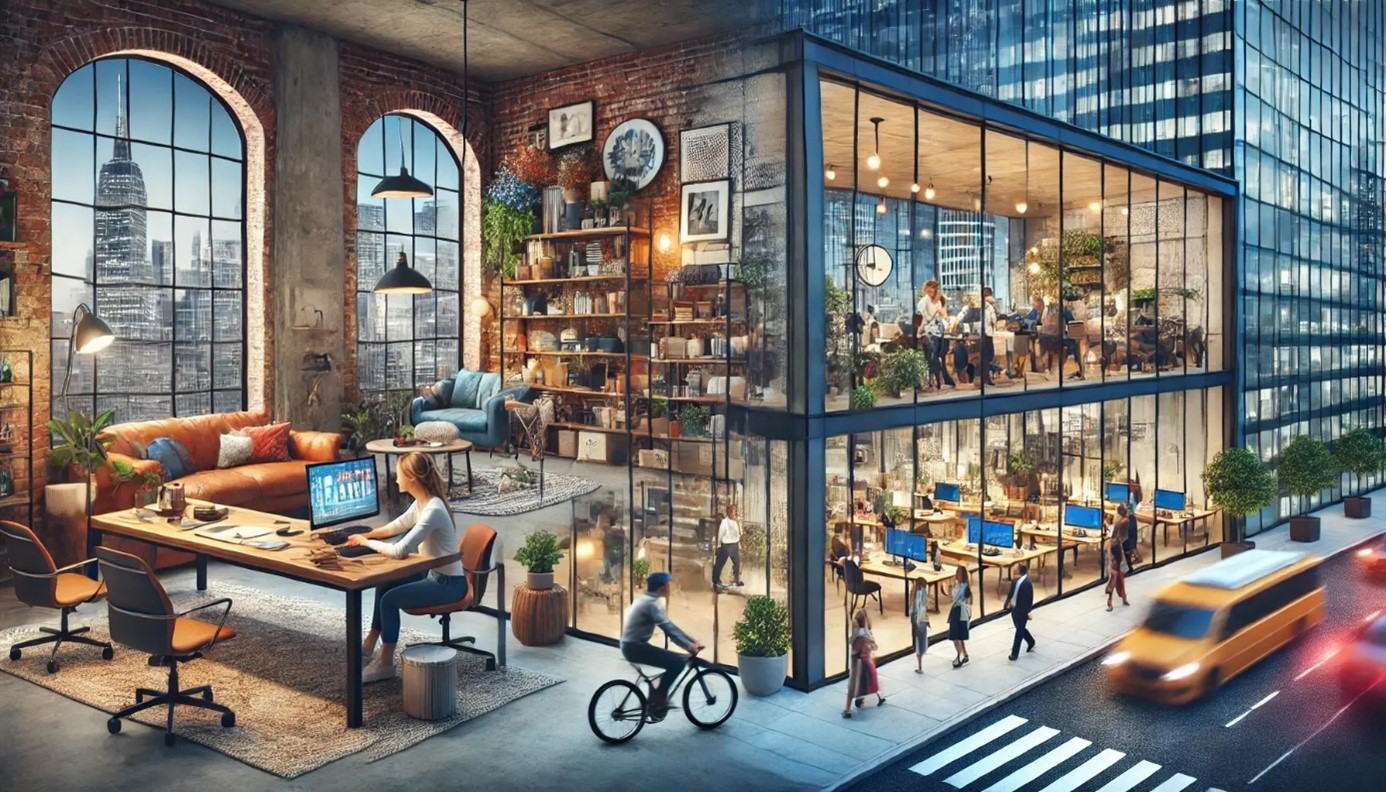
SummaryIn the evolving landscape of work, hybrid models have reshaped the traditional office paradigm. As we navigate a new era where office occupancy rates are declining due to an increase in hybrid working arrangements, the importance of physical office space is being reevaluated, adding layers of complexity to the performance of building and energy systems, (…)
