
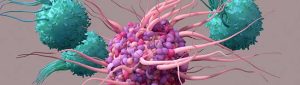
Laboratory of Innate Immunity
Prof. Andrea ABLASSER
Prof. Andrea Ablasser leads the Innate Immunity lab at EPFL’s Global Health Institute. Her team studies how immune cells detect pathogenic or damaged DNA via the cGAS–STING pathway, triggering antiviral and anticancer defense. Ablasser is best known for identifying cGAMP as the second messenger that activates STING and propagates immune alerts between cells. The lab uses a multidisciplinary approach — from biochemistry and structural biology to in vivo disease models — to explore fundamental immunology and its translational applications.

Microbiome Adaptation to the Changing Environment (MACE)
Prof. Ianina ALTSHULER
Microbial systems are constantly adapting to environmental and anthropogenic fluctuations. Our research aims to systematically understand the adaptation strategies of cryospheric microorganisms.
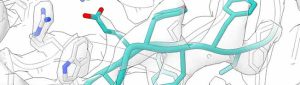
Antanasijevic Lab – Virology and Structural Immunology
Prof. Aleksandar ANTANASIJEVIC
Our lab uses state-of-the-art electron microscopy to study antibody-antigen interactions in many different contexts, with the ultimate goal to define the molecular rules that govern them.

Laboratory of Integrative Systems Physiology
Prof. Johan AUWERX
Our lab uses systems genetics and systems biology approaches to map the signaling networks that coordinate the communication between the nucleus and the mitochondria and as such regulate organismal metabolism in health, aging, and disease. Insights obtained from our basic studies are translated into novel preventive and therapeutic strategies for common age-related diseases, as well as for rare inherited mitochondrial diseases.
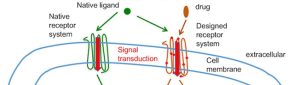
Laboratory of Protein and Cell Engineering
Prof. Patrick BARTH
Our lab develops computational approaches to predict and design protein structures, dynamics and functions. We apply these tools to design therapeutic proteins and engineer cells with novel functions.

Programmable Biomaterials Laboratory
Prof. Maartje BASTINGS
The Bastings Lab focuses on designing and engineering DNA-based nanomaterials to control biological interactions at the nanoscale. Their mission is to develop programmable biomolecular tools for applications in immunotherapy, drug delivery, and mechanobiology, leveraging DNA nanotechnology to precisely manipulate multivalent cellular processes and enhance diagnostic strategies.
Laboratory of Molecular Microbiology
Prof. Melanie BLOKESCH
Research in the Blokesch lab investigates how bacteria evolve towards becoming human pathogens. In this context, we focus on horizontal gene transfer and bacterial immune systems that safeguard the pathogen against mobile genetic elements such as plasmids and phages.
Laboratory of Protein Design and Immunoengineering
Prof. Bruno CORREIA
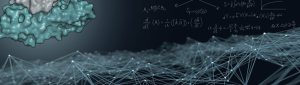
The Laboratory of Protein Design & Immunoengineering (LPDI) at EPFL, led by Associate Professor Bruno Correia, focuses on developing computational tools for protein design, particularly for applications in immunoengineering such as vaccines, cancer immunotherapy, and biosensors. The lab combines computational design methods with experimental characterization to create novel functional proteins, aiming to expand nature’s repertoire for therapeutic purposes.

G-LAB UPCOURTINE
Prof. Grégoire COURTINE
We leverage the most advanced single-cell and spatial methodologies to chart the molecular landscape of spinal cord injury, stroke and neurodegenerative diseases. With these technologies, our goal is to establish molecularly informed strategies to achieve genetic re-engineering of damaged neural tissues.

Laboratory for Biomolecular Modeling
Prof. Matteo DAL PERARO
Integrative structural biology, molecular design and nanopore sensing.
Laboratory of Systems Biology and Genetics
Prof. Bart DEPLANCKE
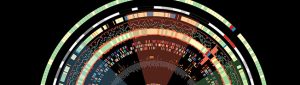
The Laboratory of Systems Biology and Genetics (LSBG) studies genome organization, regulation, and variation through three pillars: “Adipo” explores mesenchymal stromal cell function in adipose biology, “Geno” examines how regulatory variation shapes diversity, and “Techo” develops advanced microfluidic, sequencing, and computational tools to drive discoveries in both areas.

Laboratory of Microbial Physiology and Resource Biorecovery
Prof. Wenyu GU
At MICROBE, our goals are to elucidate the mechanisms underlie the function dynamics of microbial systems, and to enhance the use of microorganisms for energy capture, environmental remediation, as well as improving human health. Our expertise lies in microbial physiology, focusing on microbial metabolism, growth, and environmental interactions.

Laboratory of Life Sciences Electronics
Prof. Carlotta GUIDUCCI
At the forefront of this innovation, our research focuses on miniaturizing analytical and processing workflows using cutting-edge microfluidics and microsystem technologies. Working at the intersection of fundamental research and applied bioanalytics, we are committed to bridging the gap between laboratory innovation and clinical application—developing tools that are not only technically advanced but also accessible, scalable, and impactful for real-world healthcare.
Laboratory of Computational Systems Biotechnology
Prof. Vassily HATZIMANIKATIS
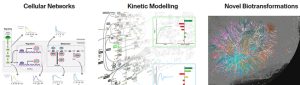
At the Laboratory of Computational Systems Biotechnology (LCSB), we work at the interface of synthetic and systems biology to identify the design principles of biological processes for medical and biotechnological applications.
Our research areas of interest include: Cellular Networks, Kinetic Modelling, Novel Biotransformations.
Laboratory of Synthetic and Applied Microbiology
Prof. Markus JESCHEK
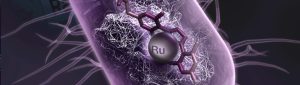
The LSAM develops synthetic microbes that sustainably produce biotechnological products ranging from bulk and speciality chemicals to proteins or entire cells. We combine ultrahigh-throughput experimental technology with cutting-edge machine-learning techniques to equip these microbes with new-to-nature functions and enable their design “à la carte”.

Kim Lab of Molecular and Synthetic Neuroengineering
Prof. Yoon KIM
We develop innovative bioengineering tools to study the brain while uncovering the molecular mechanisms that govern brain disease, signal transmission, and plasticity. By integrating protein engineering, structural biology, synthetic biology, and neurobiology, we bridge fundamental neuroscience with translational and therapeutic applications.
Laboratory of Biological Network Characterization
Prof. Sebastian MAERKL
The Maerkl lab (LBNC) conducts research at the intersection of engineering and biology, focusing on cell-free synthetic biology. By integrating microfluidic technologies, quantitative analysis, and biophysical modeling, the lab aims to both forward- and reverse-engineer complex biological systems.

Laboratory of Computational and Systems Biology
Prof. Felix NAEF
Prof. Felix Naef leads the Computational Systems Biology Lab at EPFL. His team develops quantitative models and computational approaches to understand the dynamics of gene regulation and cellular rhythms. By integrating genomics, mathematical modeling, and biophysics, they investigate how biological clocks, circadian rhythms, and regulatory networks govern cellular behavior and maintain physiological balance.
Microbial Mechanics lab
Prof. Alex PERSAT
The Persat lab uses an interdisciplinary bioengineering approach to investigate bacterial infections and the rise of antibiotic resistance. We combine tissue-engineered organoids with omics and imaging to decode the contributions of mechanics during bacterial infections and to discover novel therapeutic strategies to combat resistant pathogens.
Laboratory of Nanoscale Biology
Prof. Aleksandra RADENOVIC
LBEN pioneers single-molecule biophysics, nanoscale imaging, sensing, and neuromorphic computing with ions, developing advanced optical, nanopore-based, and ionotronic techniques to study biological and molecular processes with unprecedented precision. By integrating super-resolution microscopy, nanofluidics, and development of ionic memristors, the lab pushes the limits of imaging, sensing, tracking, and computing at the nanoscale.
Laboratory of the Physics of Biological Systems
Prof. Sahand RAHI
The Rahi lab works at the intersection of biophysics with systems and synthetic biology. We are interested in understanding computation and dynamics in genetic and cellular networks, and we develop new directed evolution approaches coupled to generative AI.
Bertarelli Foundation Gene Therapy Platform
Prof. Bernard SCHNEIDER
Our mission is to develop and provide viral vectors for genetic manipulations, for both research in life sciences and therapeutic applications. The platform can support any approach including gene delivery, gene silencing and gene editing, either in vitro or in vivo. In particular we can provide longstanding expertise and guidance for the design of gene therapy related to the central nervous system and sensory organs.
Laboratory of Metabolic Signaling
Prof. Kristina SCHOONJANS
The liver-gut-brain axis is a physiological system specialized in the sensing and processing of nutrients. Our research aims to focus on this system and gain insight into the mechanisms by which nutrient-derived metabolites, in general, and bile acids, in particular, coordinate metabolism, immune function, and cancer.

Laboratory of Biomolecular Engineering and Nanomedicine
Prof. Angela STEINAUER
We are interested in understanding how biological patterning and function emerge from microscopic molecular interactions. Our primary focus is on the problems of flow generation by arrays of active filaments (cilia) and extreme cellular mechanics.
Laboratory of Biomaterials for Immunoengineering
Prof. Li TANG
Tang Laboratory is developing novel strategies to engineer the multi-dimensional immunity-disease interactions from various aspects, an emerging field called ‘immunoengineering’, in order to create safe and effective therapies against cancer and infectious diseases. Specifically, we leverage the power of metabolic and cellular bioengineering, synthetic chemistry and material engineering, and mechanical engineering to achieve controllable modulation of immune responses against diseases.
Thomä Lab – Paternot Chair in Cancer Research
Prof. Nicolas THOMÄ
My lab studies how transcription factors are decoded by co-activators and co-repressors, and finds ways to engineer drugs that modulate transcription.
Laboratory of Cell and Membrane Biology
Prof. Gisou VAN DER GOOT
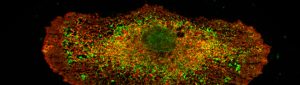
The van der Goot Lab addresses basic questions on how cells are compartmentalised, how their membranes are compartmentalised and how this exquisite organisation is regulated, maintained and it enables key cellular functions. We also address how cells detect defects or problems. For example we are currently discovering how cells respond to oxidative damage of their lipids and trigger a gene expression pathway, which we have termed LORD (Lipid Oxygen Radical Defence), to repair the damage and restore normality. For all our study we use multidisciplinary and multi method approaches raging from omics, microscopy, cell biology, biochemistry, biophysics and animal experiments.
NeuroNA Chair in Epigenomics of Neurodevelopmental disorders – EpiGN
Prof. Fides ZENK
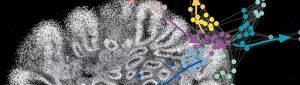
We engineer brain organoid systems to model early human development and uncover the molecular logic of brain formation. By developing and applying cutting-edge single-cell genomics technologies, we map how gene regulation and chromatin dynamics guide cell fate decisions.

Laboratory for Bio-Iontronics
Prof. Yujia ZHANG
At the Laboratory for Bio-Iontronics (BION), our research is highly interdisciplinary. The mission is to make bioiontronic systems for biointerfaces and hybrid intelligent systems.