
Laboratory of Protein and Cell Engineering
Prof. Patrick BARTH
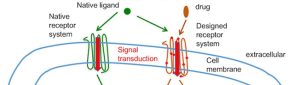
Our lab develops computational approaches to predict and design protein structures, dynamics and functions. We apply these tools to design therapeutic proteins and engineer cells with novel functions.

G-LAB UPCOURTINE
Prof. Grégoire COURTINE
We leverage the most advanced single-cell and spatial methodologies to chart the molecular landscape of spinal cord injury, stroke and neurodegenerative diseases. With these technologies, our goal is to establish molecularly informed strategies to achieve genetic re-engineering of damaged neural tissues.

Institute of Health Sciences, Nestlé Research
Dr. Jérôme FEIGE
We study the mechanism through which skeletal muscle adapts to nutrition and lifestyle and declines during aging and sarcopenia. Our work focuses on understanding the contribution of stem cells and mitochondrial metabolism in these processes using transversal approaches using model organisms, human cellular models and clinical studies.

Laboratory of Life Sciences Electronics
Prof. Carlotta GUIDUCCI
At the forefront of this innovation, our research focuses on miniaturizing analytical and processing workflows using cutting-edge microfluidics and microsystem technologies. Working at the intersection of fundamental research and applied bioanalytics, we are committed to bridging the gap between laboratory innovation and clinical application—developing tools that are not only technically advanced but also accessible, scalable, and impactful for real-world healthcare.

Mechanics of Soft and Biological Matter Laboratory
Prof. Sangwoo KIM
In the Mechanics of Soft and Biological Matter Laboratory (MESOBIO), we endeavor to gain a fundamental understanding of biological and living systems, as well as soft and active materials. By developing theoretical and computation frameworks based on physics and mechanics principles, we aim to understand how cellular and subcellular properties give rise to emergent architecture, dynamics, and mechanical states at the tissue level.

Kim Lab of Molecular and Synthetic Neuroengineering
Prof. Yoon KIM
We develop innovative bioengineering tools to study the brain while uncovering the molecular mechanisms that govern brain disease, signal transmission, and plasticity. By integrating protein engineering, structural biology, synthetic biology, and neurobiology, we bridge fundamental neuroscience with translational and therapeutic applications.

Laboratory for Soft Bioelectronic Interfaces
Prof. Stéphanie LACOUR
The Laboratory for Soft Bioelectronic Interfaces (LSBI) conducts research at the intersection of microfabrication, neurotechnology, and bioelectronics to develop next-generation neural implants and soft materials for seamless in vitro and in vivo interfaces. Our work spans fundamental science to translational research, bridging engineering and medicine to advance neurotechnology for clinical applications.

Laboratory of Biomedical Microfluidics
Prof. Christoph MERTEN
The Laboratory for Biomedical Microfluidics (LBMM) develops new technologies for antibody discovery, immune repertoire analysis and personalized cancer therapy. Making use of assay miniaturization, a big focus is on processing limited patient material and performing single-cell analysis.

Laboratory of Chemical Nanotechnology
Prof. Nako NAKATSUKA
Improving human health requires monitoring biomarkers that regulate complex biological processes in the body. Our team innovates chemical nanotechnologies to enable quantitative monitoring of disease biomarkers by tackling remaining challenges of continuous monitoring in biofluids.

Laboratory of Biomechanical Orthopedics
Prof. Dominique PIOLETTI
The Laboratory of Biomechanical Orthopedics (LBO) is dedicated to the advancement of techniques and technology for patient care in the musculo-skeletic system, through fundamental research, applied research, and teaching.

Neuroengineering Laboratory
Prof. Pavan RAMDYA
Ramdya Laboratory of Neuroengineering reverse-engineers cognitive and motor behaviors in the fly, Drosophila melanogaster, to better understand the mind and to design more intelligent robots. Flies are an ideal model – they generate complex behaviors, their nervous systems are small, and they are genetically malleable –and our lab develops and leverages advanced microscopy, machine learning, genetics, and computational modeling approaches to address systems-level questions.

Living Patterns Laboratory
Prof. Guillermina RAMIREZ-SAN-JUAN
We are interested in understanding how biological patterning and function emerge from microscopic molecular interactions. Our primary focus is on the problems of flow generation by arrays of active filaments (cilia) and extreme cellular mechanics.

Micro BioRobotic Systems Laboratory
Prof. Selman SAKAR
Our laboratory specializes in the development of miniaturized biomedical instruments and robotic micromanipulation technologies. We envision that in near future autonomous microrobots will work side by side with scientists and surgeons in research laboratories and operating rooms, respectively.
Bertarelli Foundation Gene Therapy Platform
Prof. Bernard SCHNEIDER
Our mission is to develop and provide viral vectors for genetic manipulations, for both research in life sciences and therapeutic applications. The platform can support any approach including gene delivery, gene silencing and gene editing, either in vitro or in vivo. In particular we can provide longstanding expertise and guidance for the design of gene therapy related to the central nervous system and sensory organs.
Thomä Lab – Paternot Chair in Cancer Research
Prof. Nicolas THOMÄ
My lab studies how transcription factors are decoded by co-activators and co-repressors, and finds ways to engineer drugs that modulate transcription.

Center for Biomedical Imaging
Prof. Lijing XIN
Our group focuses on developing innovative multinuclear magnetic resonance methodologies for metabolic imaging in humans. Our passion extends to leveraging this research to gain insights into brain function, neurological, and psychiatric disorders, elucidating underlying molecular mechanisms, and ultimately uncovering novel biomarkers for early and precise diagnosis and treatment.