EPFL Neuchâtel

At the heart of the Microcity pole of innovation, the Canton of Neuchâtel is hosting an important part of EPFL’s Electrical and Microengineering Institute (IEM). This institute’s research activities covers topics such as health, microsystems, photovoltaic or watchmaking.
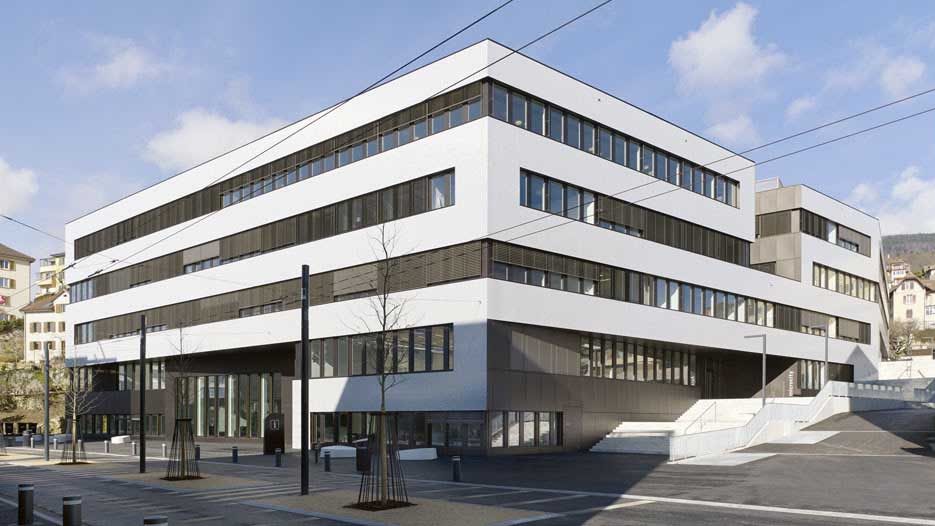
Microcity Neuchâtel EPFL

News

© 2026 EPFL

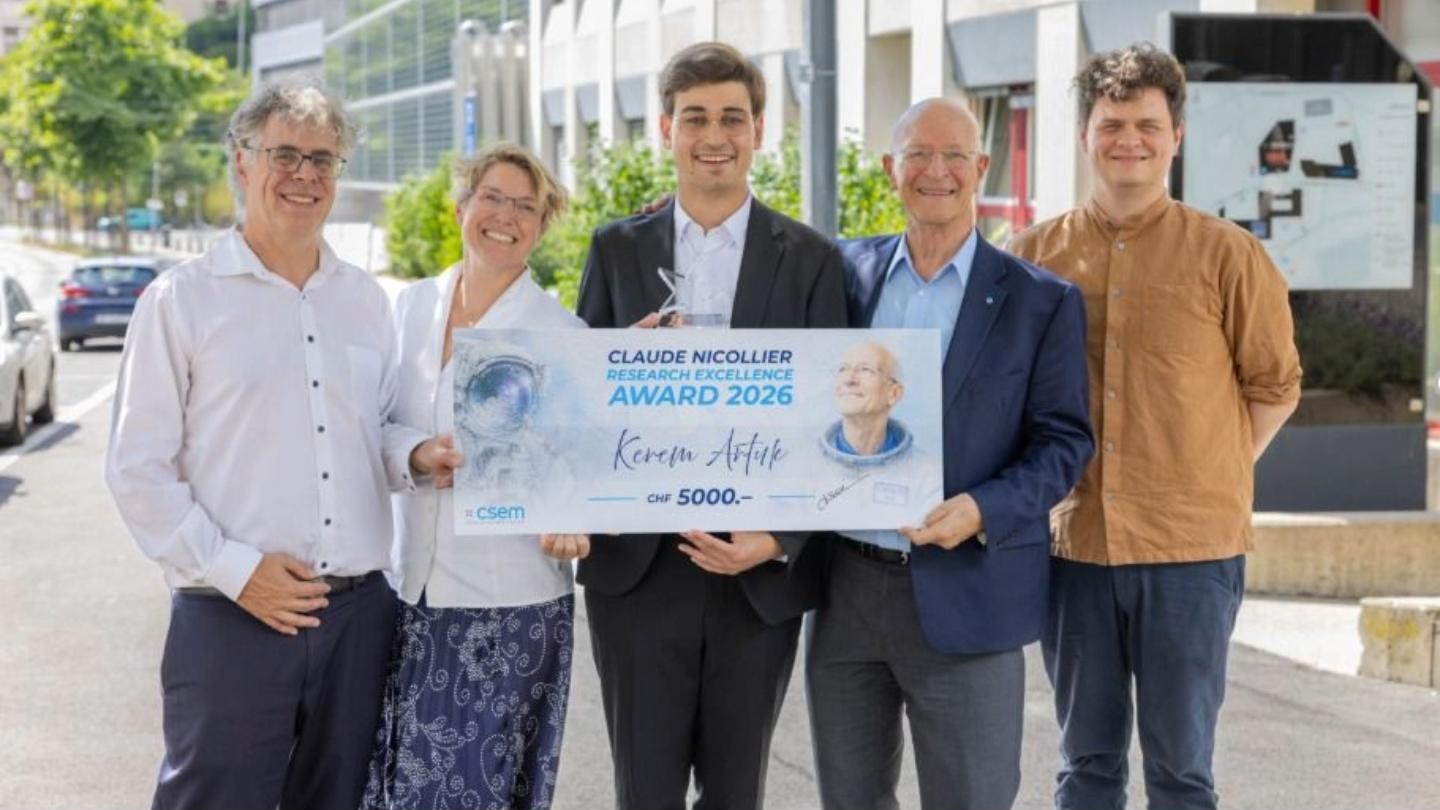
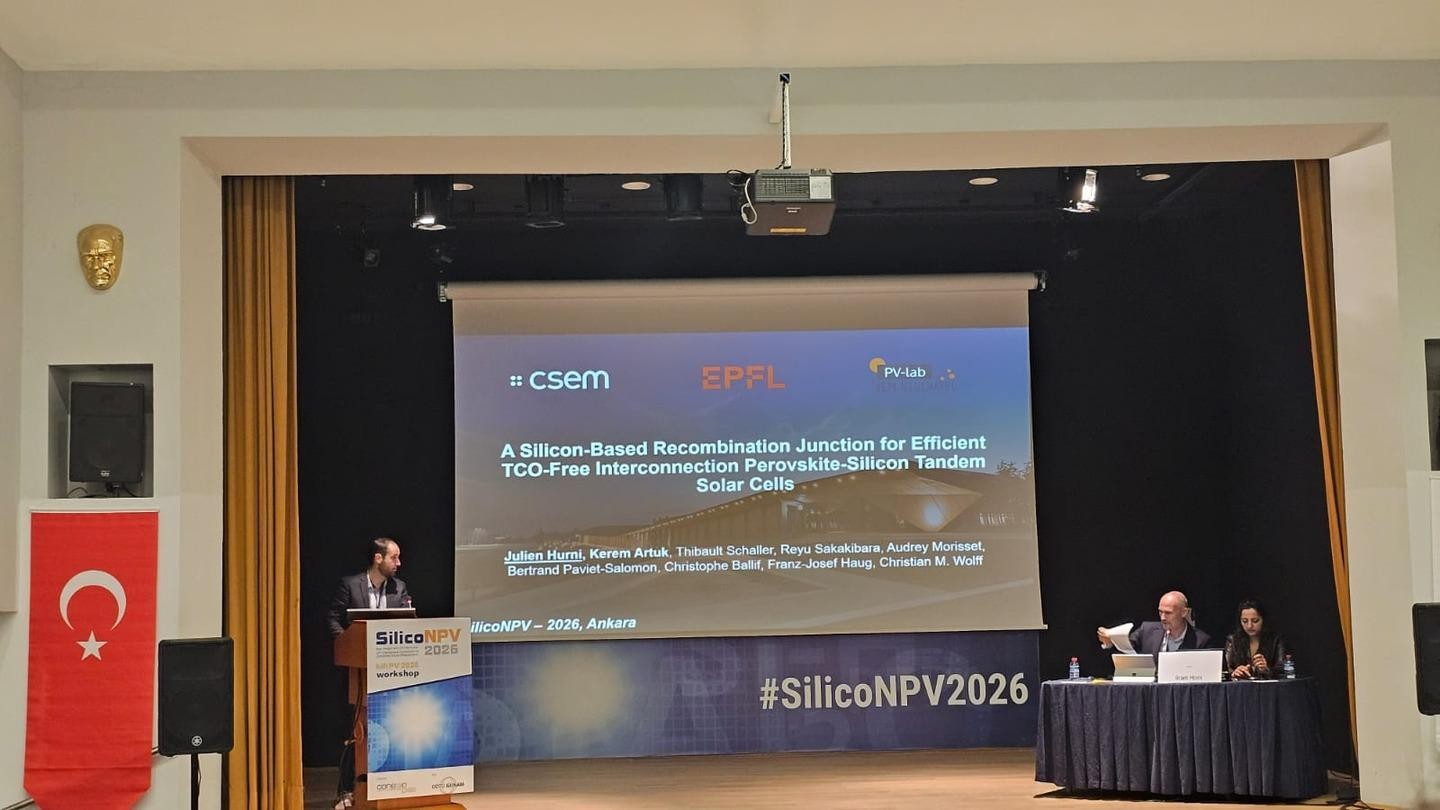
Julien Hurni of PV-LAB wins best abstract award at SiliconPV 2026

— Congratulations to Julien Hurni (EPFL PV-Lab) and his colleagues from both the EPFL PV-Lab and the CSEM Sustainability Center. Their recent submission was recognized as one of the 10 best abstracts at the SiliconPV 2026 conference in Ankara.

© 2026 EPFL

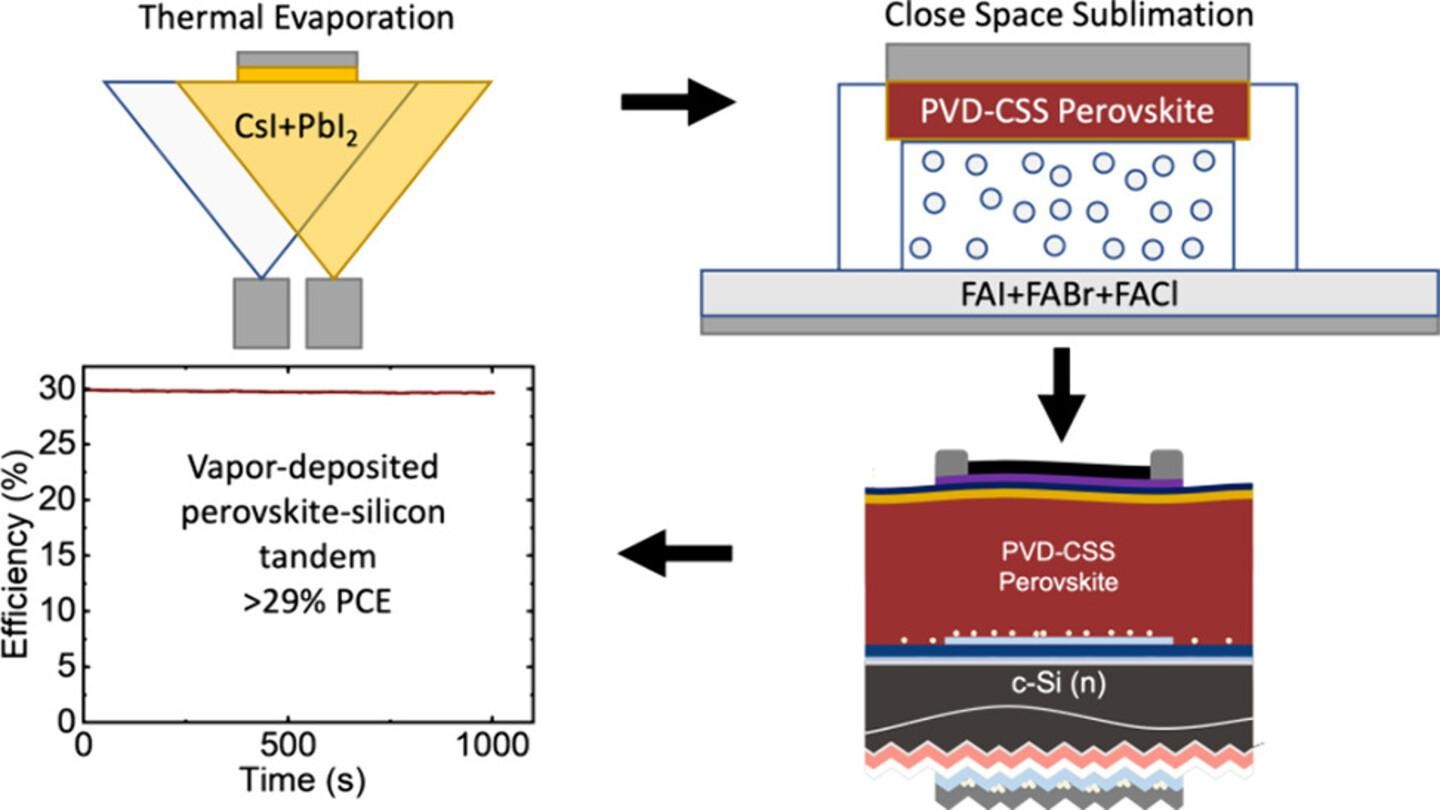
Paper Alert: PVD-CSS, Wide-Bandgap Degradation and E-Mobility

— Be sure to check out the three newest PVLAB papers focused on PVD-CSS process for depositing perovskites, the degredation mechanism of wide-bandgap perovskites and a model supporting local e-mobility planning.

The MoleSense patch enables continuous pregnancy monitoring © 2026 IStock

Smart sweat patch helps doctors monitor high-risk pregnancies

— An EPFL spin-off is developing a patch-like medical device that reads sweat biomarkers. Its first application will be keeping a close watch on high-risk pregnancies.

© 2026 EPFL

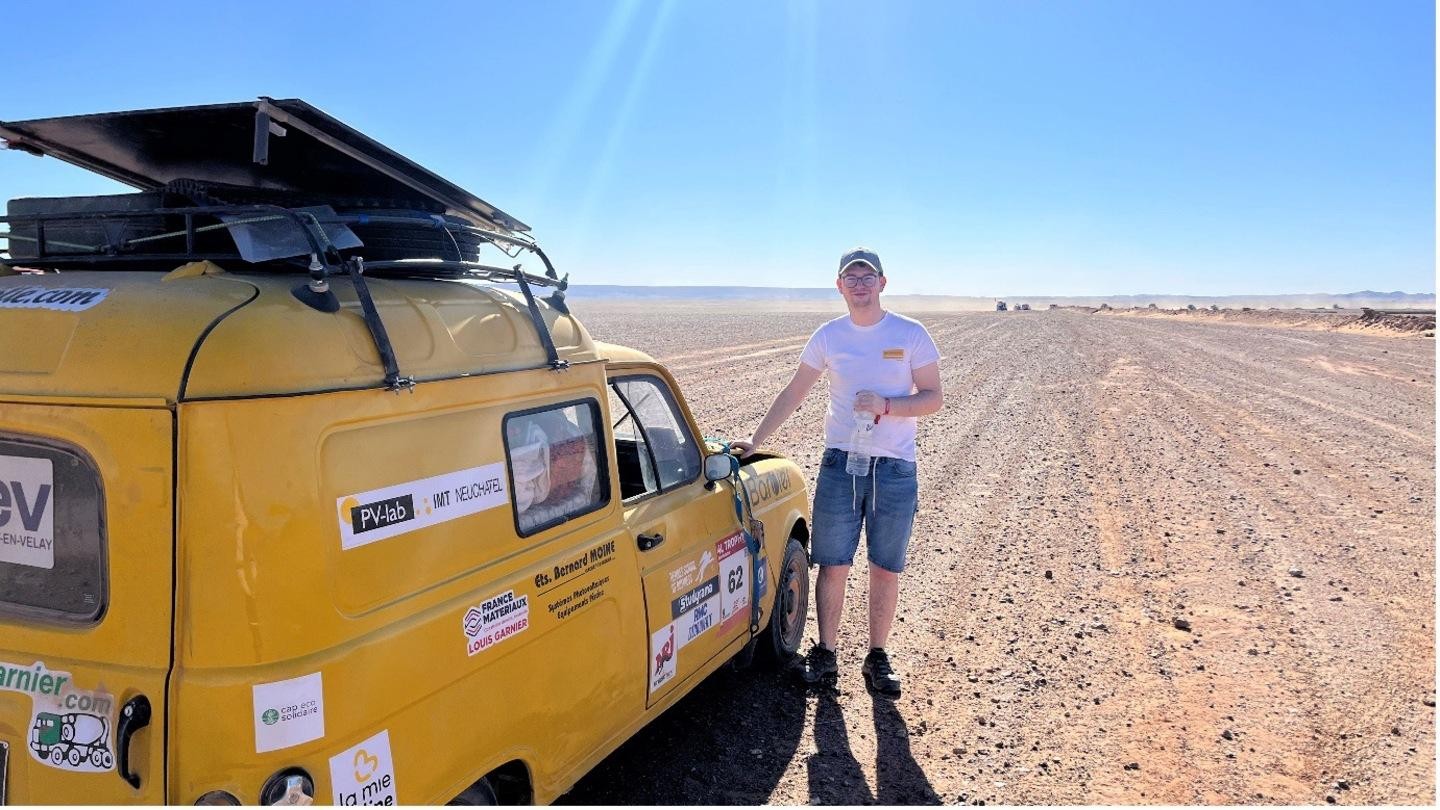
A solar-powered adventure: EPFL PV-Lab student shines at the 4L Troph

— This winter, Florentin Julien, a semester student from EPFL PV-Lab, took part in the iconic 4L Trophy, a unique challenge combining engineering, endurance and solidarity. He travelled across France, Spain, and Morocco in a customized classic Renault 4 for 12 days. The student designed and constructed lightweight glass-free photovoltaic modules (Figure 2) as well as a dedicated battery and optimized and state-of-charge (SoC) model.

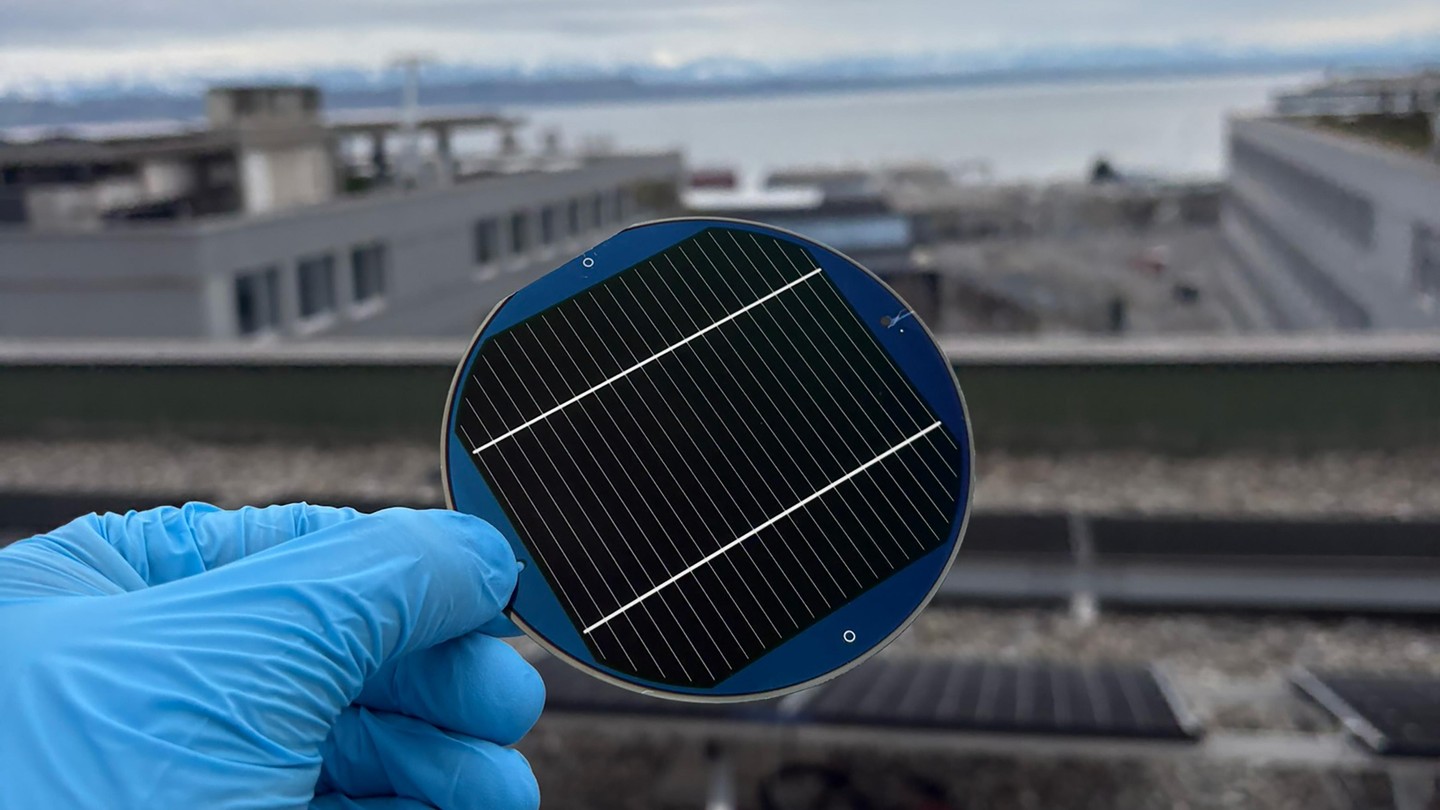
The triple-junction solar cell (54 cm2). © Kerem Artuk

Record efficiency for perovskite-silicon triple-junction solar cells

— EPFL and CSEM researchers have achieved a record 30% efficiency for triple-junction solar cells, which combine two thin-film perovskite cells and one silicon cell on a single device. The milestone could advance affordable next-generation solar technologies for space and terrestrial applications.

© 2026 EPFL

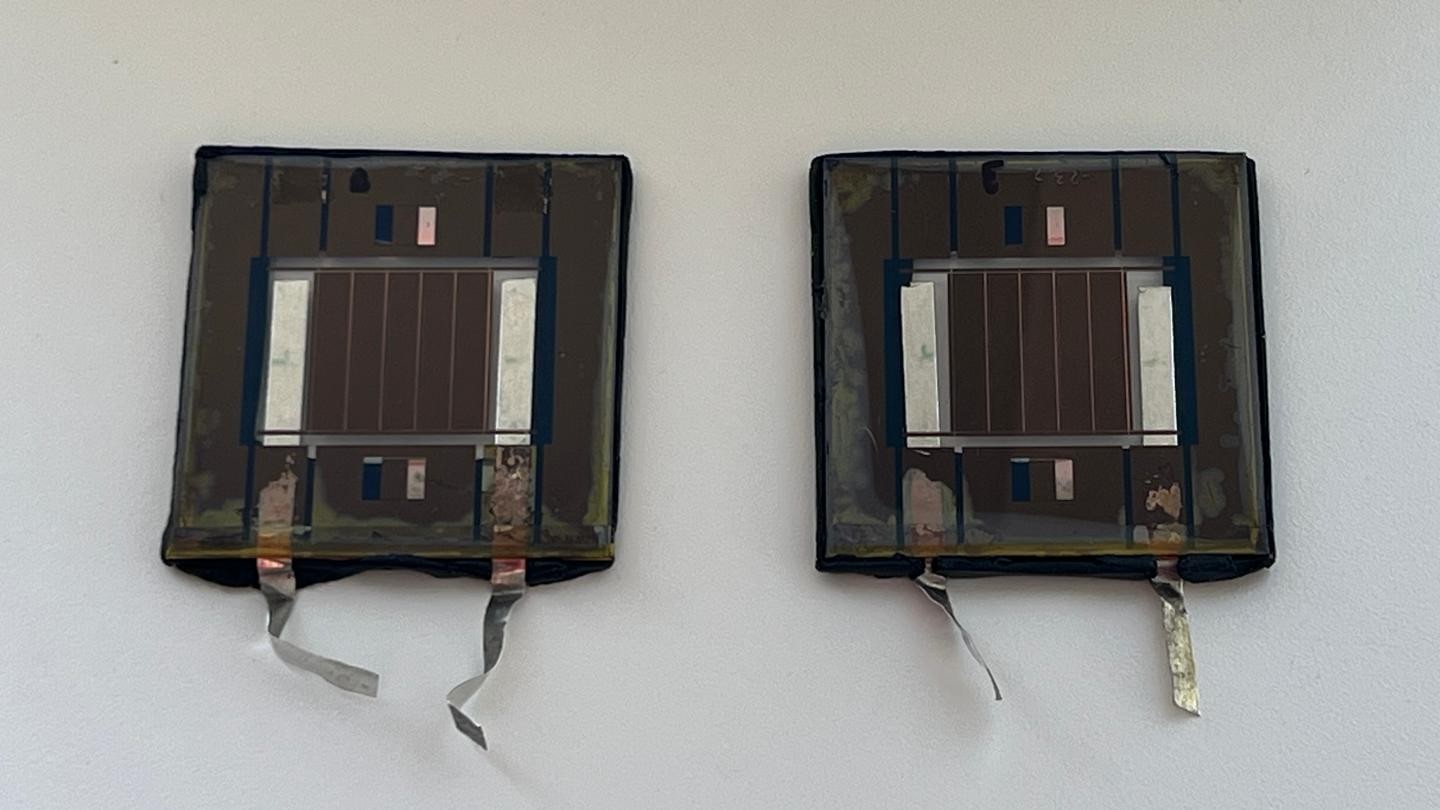
PV-Lab wins international PV stability contest in perovskite cells

— Mostafa Othman achieved benchmark stability records for perovskite solar cells, including the most stable laser-scribed single-junction perovskite minimodules to-date (at 75°C) in both accelerated ageing and outdoor testing conditions.

© 2026 EPFL

Congratulations to all new Doctors of the PV-lab!

— 4 PhD students from PV-Lab successfully defended their thesis during the last year. Congratulations to all new Doctors of PV-Lab and good luck in their future adventures!

© iStock

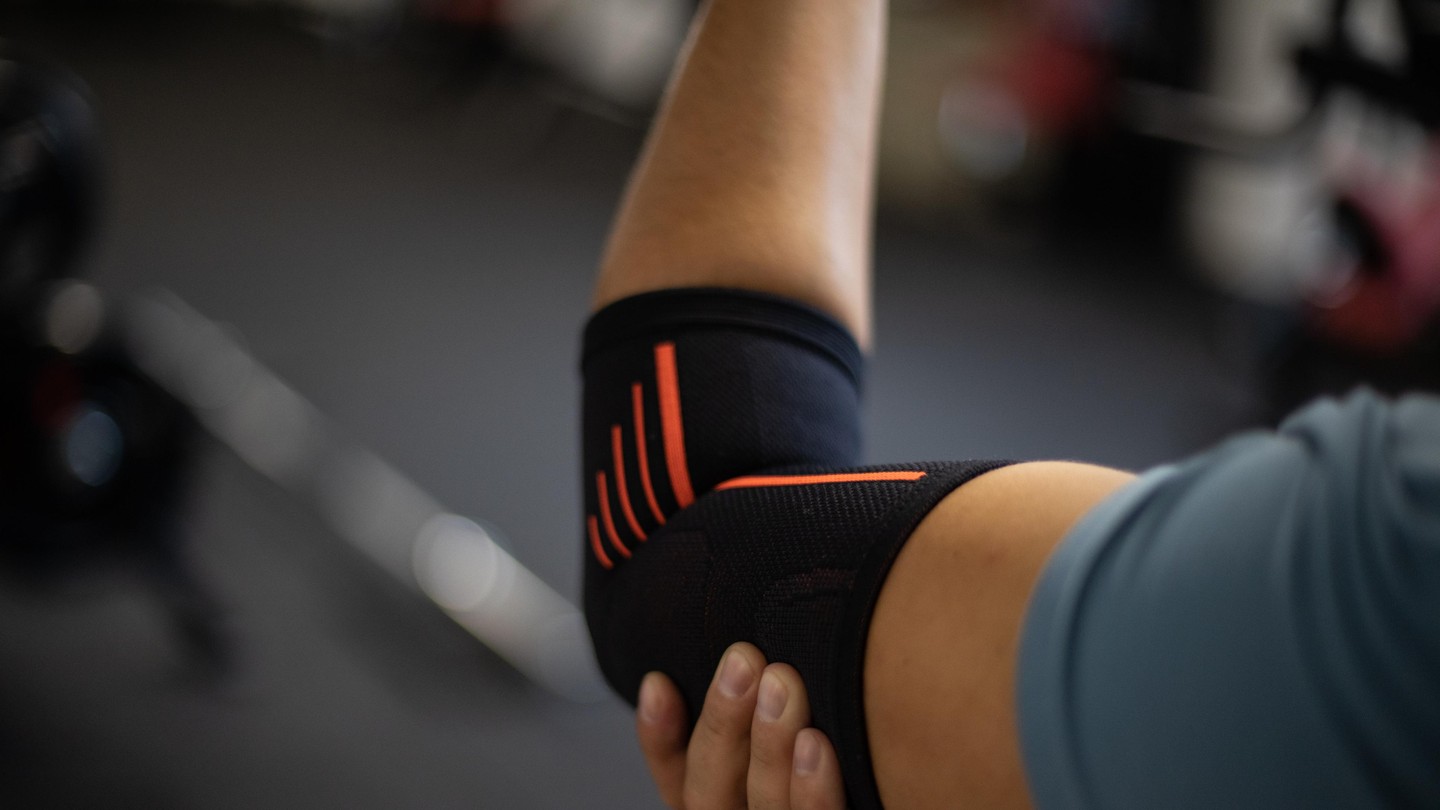
A geometric twist boosts the power of robotic textiles

— By rethinking how thin metal threads are woven into a flexible textile, EPFL researchers have created a lightweight fabric capable of lifting over 400 times its own weight. The work advances the development of wearables that provide physical assistance without mechanical bulk.

The smart sensor on the wireless tag reader. 22025 EPFL/LMTS CC-BY-SA 4.0

A biodegradable smart sensor to monitor sensitive goods

— Researchers from EPFL, Empa, and CSEM have developed a sustainable smart sensing tag that can be used to signal when shipments of medicines or food have exceeded a safe threshold temperature. It is the first such tag to be fully compostable.

© 2025 EPFL

Christophe Ballif wins ERC Synergy Grants for Ultimate PV

— On 6th of November, the European Research council announced the selection of 66 ERC Synergy Grants for a total 684 m€ ! Fantastic news: our "Ultimate PV project", with EPFL PV-lab (Christophe Ballif) , Stefan Glunz at University of Freiburg, and Stéphane Collin at CNRS has been selected as one of the winning project 

All news