
Exam preparation

Are you wondering whether your revisions are really effective? Do you feel that you could be saving time, energy and results?
There are simple and powerful techniques for optimizing your revision period – and the best time to start is by getting organized from the very beginning.
Working methods and stress management

Learning how to study and pass exams (In French only)
Watch videos from the CAPE (Teaching support center) to improve your learning strategies, note-taking skills, and get additional tips for revision.

Understanding and managing stress
Whether it’s your first exam session at EPFL or your n-th, exams are often a source of stress and anxiety. Discover how stress impacts the functioning of your body and brain.
Boost your brain
Of course, you already know this… sleeping, exercising, getting fresh air, eating healthily, staying hydrated, and creating a distraction-free workspace are essential for your brain to function at its best! When revising, we tend to neglect all of this… try to think about it from time to time, as it can help improve your results!
Your zone of genius is that time of day when you’re naturally the most focused and motivated, and when you move forward with fluidity.
What time is it for you? Are you most effective early in the morning, between 10 and 12:00, in the late afternoon or in the evening?
Working in your zone of genius is not only more pleasant, it’s also much more efficient. You can use your genius zone to tackle the most complex tasks, and use the off-peak periods for the easiest tasks or subjects.
We can concentrate effectively for between 40 and 50 minutes. What’s more, memorizing information requires a lot of energy, so it’s advisable to take regular breaks to avoid saturation. Try the Pomodoro technique:
- 25 minutes focus, 5 minutes break. This keeps your attention focused and prevents overwork.
- And every 4 sessions, take a 20-30 minute break.
For the lunch break, give yourself at least an hour to regain your strength, nourish your body and brain and be efficient throughout the day.
As simple as it may seem, breathing is a powerful way to regulate and calm the nervous system and reduce your stress levels. Take 5 minutes to breathe deeply, meditate, or simply pause. There are many smartphone apps available to help you: Respirelax+, Petit Bambou, Calm, Headspace…
.
You are not alone!
Take advantage of the group effect: Working in a group is a real source of energy. You help each other, motivate each other, check that you have understood everything, prepare for oral exams, and discover other ways of solving problems.
In general, talking with classmates, sharing experiences, doubts, and successes, having a good laugh, and maintaining a positive attitude together is good for you! Make some room in your schedule for this!
Am I okay?
- Generally speaking, I feel good. I manage to complete my work, organize my time, think ahead to what I have to do next, etc.
- I keep moving with regular physical activity.
- I spend time hanging out with friends and just having fun.
- I eat healthy – vegetables, fruit and protein – and at regular hours. I drink enough water and stay hydrated.
- I get enough sleep for my personal needs. I go to bed and get up at regular hours.
- I put reasonable limits on my consumption of alcohol, cigarettes and video games.
- I take care of my personal hygiene every day.
- I keep my living space (room or apartment) clean and organized.
- Absence from classes, seminars, practical and group work, etc.
- Drop in the quality of work handed in.
- Difficulty concentrating or maintaining focus.
- Difficulty organizing your time, making plans and sticking to them. Frequent procrastination.
- Feeling easily frustrated or irritated.
- Often feeling anxious or stressed.
- Feeling discouraged easily, more often and for longer than usual.
- Changes in social habits: little or no contact with friends and family, loneliness, withdrawing into yourself, etc.
- Appetite issues: weight gain or loss, irregular mealtimes, etc.
- Trouble sleeping: difficulty falling asleep, waking up frequently during the night, irregular sleep patterns, etc.
- Neglecting to take care of yourself and your living space.
.
When one or more points on the self-evaluation are not completed, or when one or more warning signs of distress are present, this may end up affecting your studies and your overall well-being.
Do not let an uncomfortable situation settle in. Consider seeking support (see below) promptly to help you develop resources and strategies to improve the situation.
Personalised advice
Coaching and advice
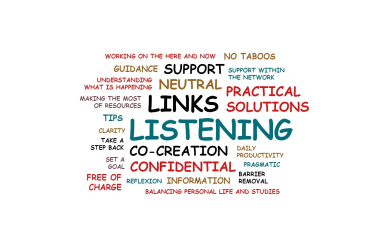
The Social Consultation team is here for you! Advice, coaching, organizational tips… make an appointment and find out what works for you.
Podcast
“Exam preparation”: advice to support you, through social consultation
Academic requirements
Requirements for passing
Check the specific requirements for your program.
Exam registration and withdrawal deadlines
Find the information on the academic calendar.
Missed tests
Find out about the rules on absences.

Revision rooms
Reserved rooms available on campus during revision periods.