


ENAC news about research

Articles about research
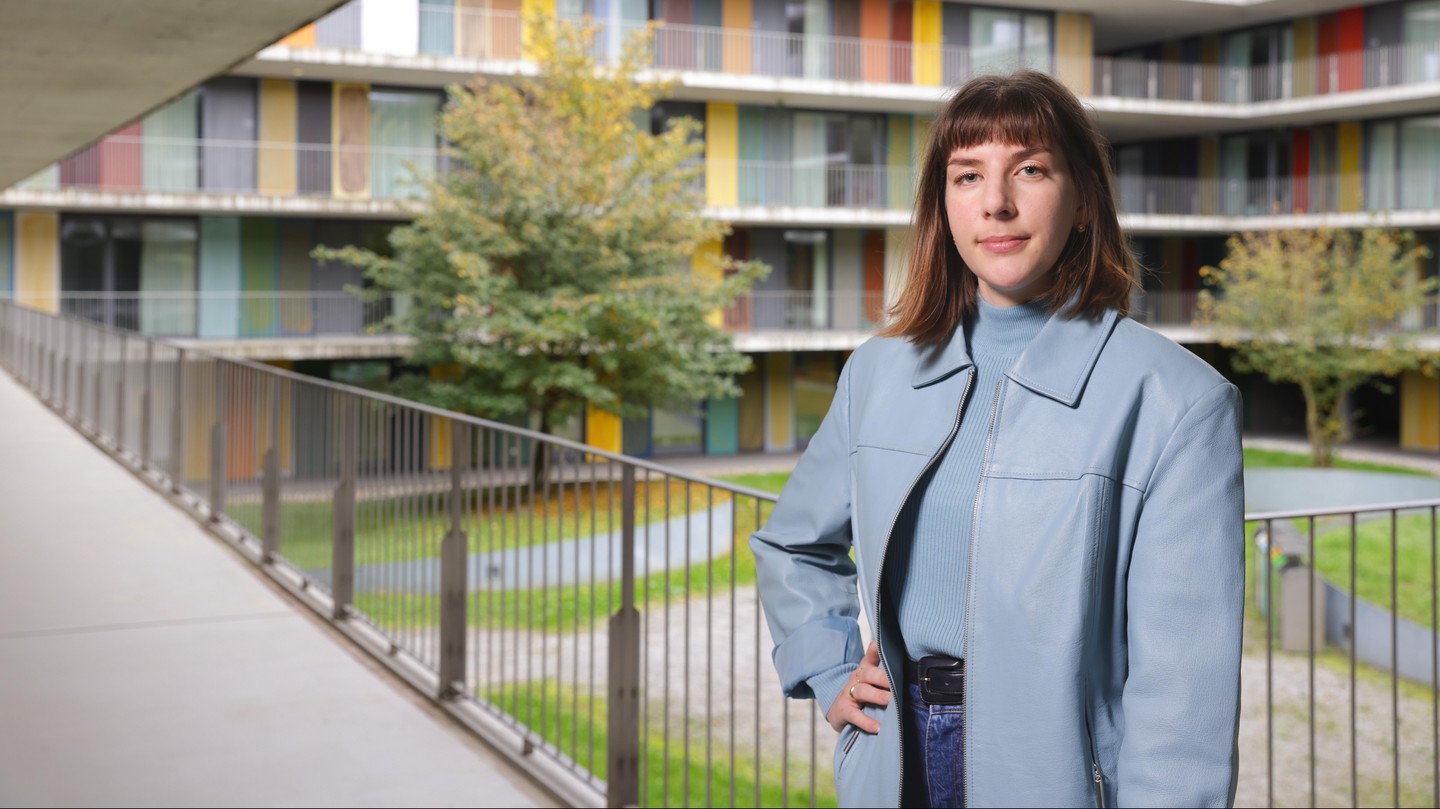
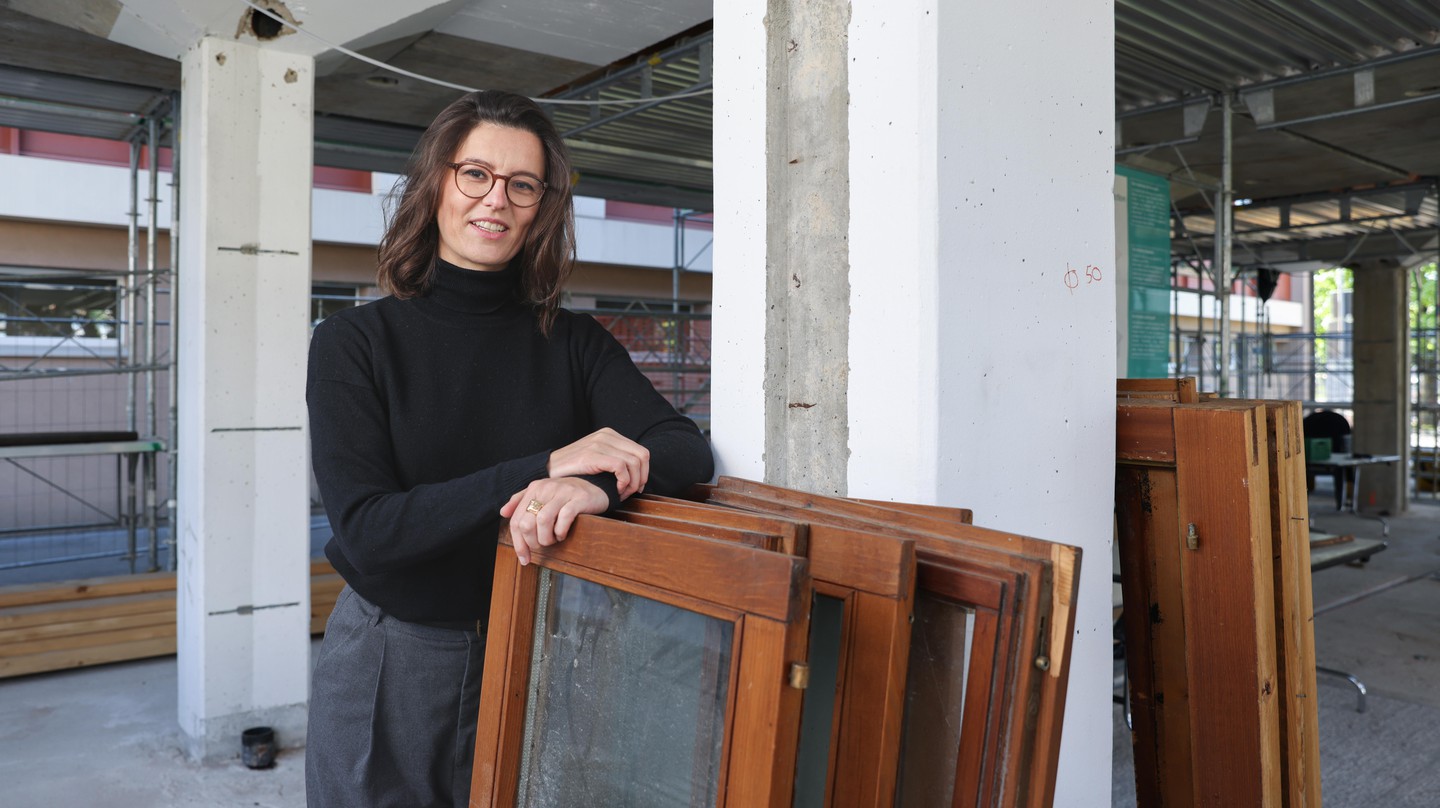
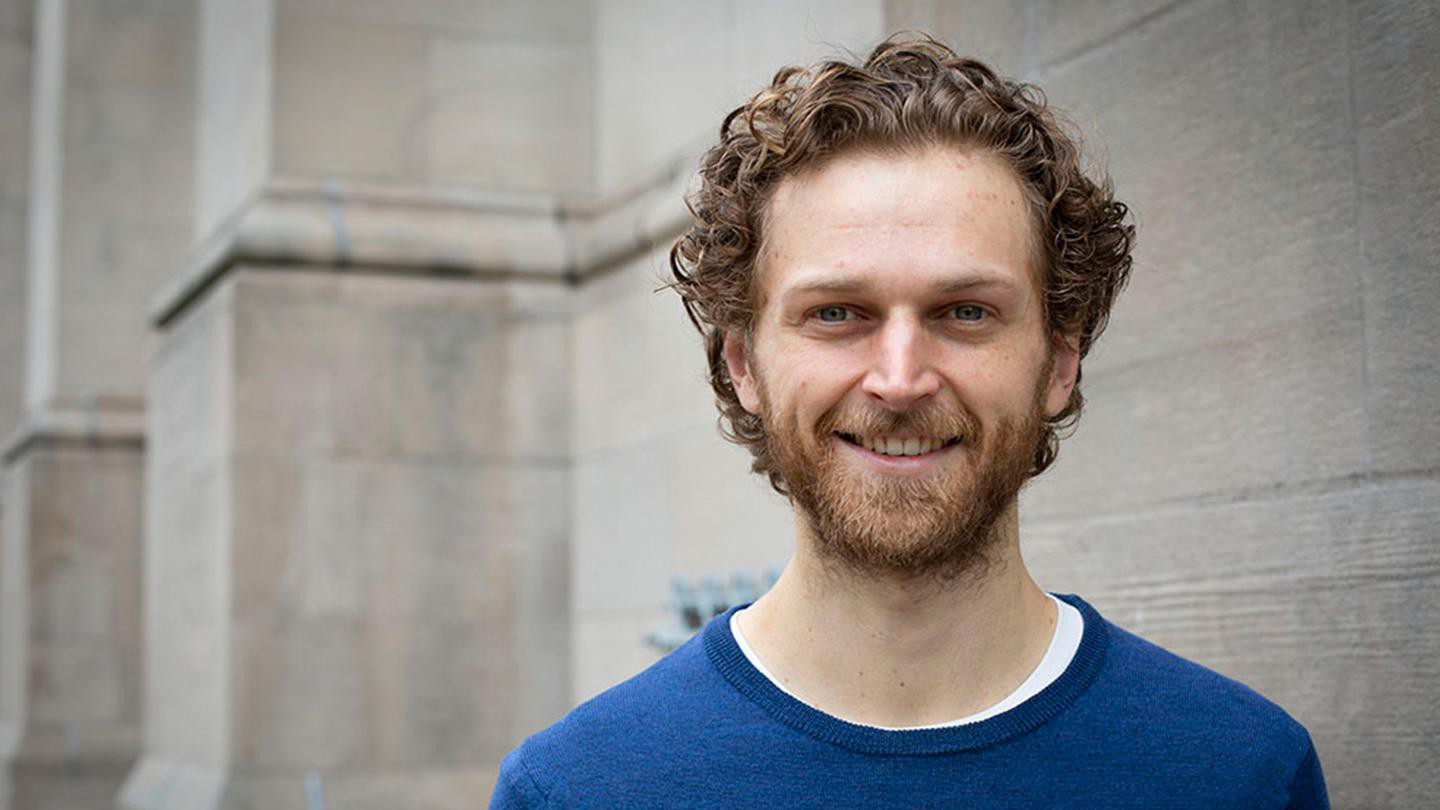
Clément Cattin is PhD student in architecture at EPFL. 2025 EPFL/Alain Herzog - CC-BY-SA 4.0

Sloping sites: allies for denser cities

— As part of his current thesis in architecture at EPFL, ClĂ©ment Cattin is analyzing how to adapt sloping sites to the challenges of sustainable cities. He summarizes the issues in an article published in three French-language dailies.

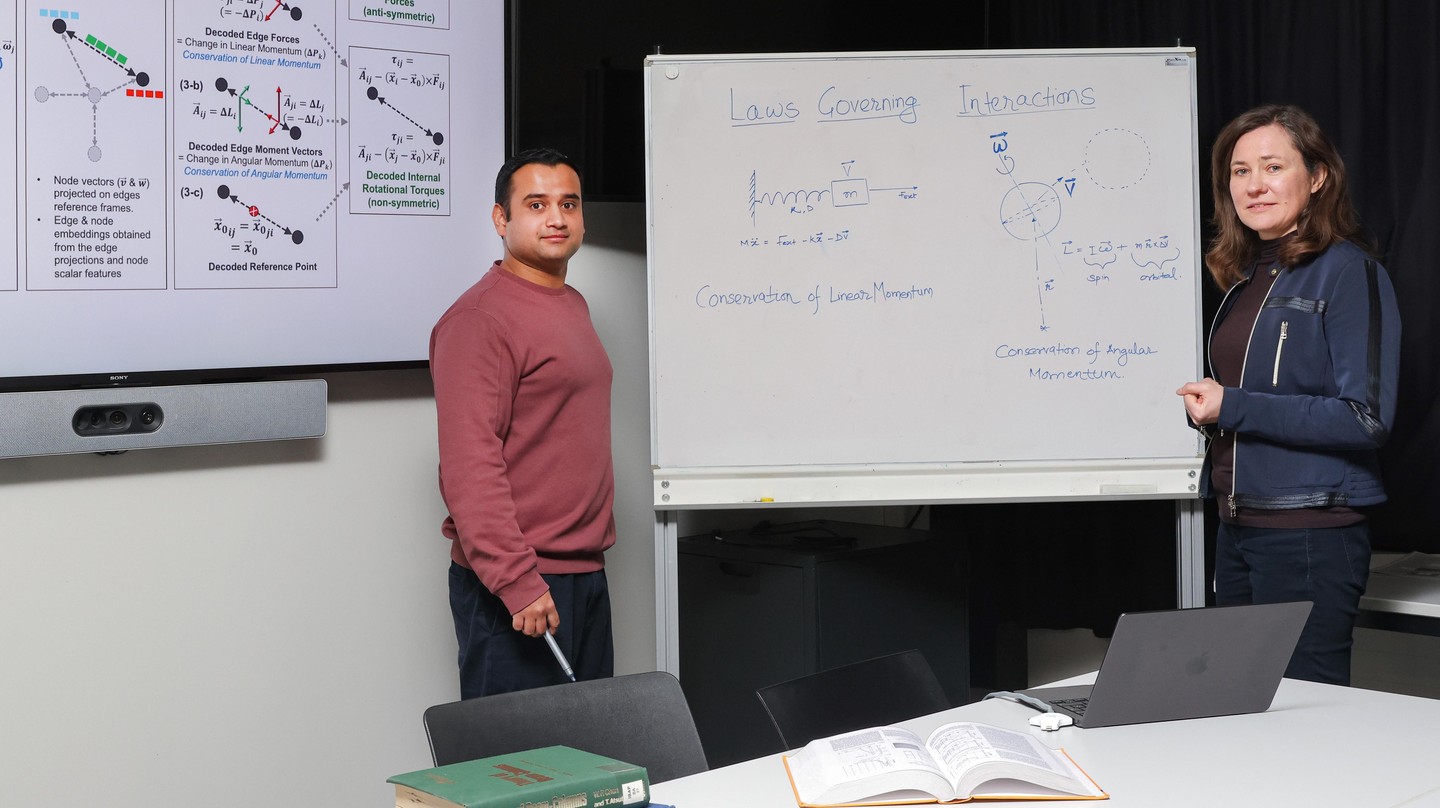
Senior scientist Jan Wienold with the colored filters used during the experiment.  2025 EPFL/Alain Herzog - CC-BY-SA 4.0

Red is shown to create a surprising amount of glare

— An EPFL study shows red light, like blue, causes stronger glare than white, challenging the century-old and globally used function that describes how the human eye responds to different light wavelengths. The findings have implications for standards and research, as well as for the comfort of building occupants.

The Gries glacier and dam in 2020. © Andrea Baumer

“In the future, dams will serve a variety of purposes”

— An EPFL engineer has illustrated some of the complex ways in which climate change will affect hydropower facilities, taking the Gries dam in Valais Canton as a case study.

The Chamberonne river flows across both UNIL and EPFL campus. © 2025 UNIL

A scientific network around the Chamberonne river

— Scientists from UNIL, EPFL, and other institutions have joined forces to create a network aimed at turning the Chamberonne river – which flows across their campus – into an open-air observatory. Motivated by the major renaturation works starting next year on campus, the initiative aims to foster research and teaching projects centered on the river. 

Single-person households account for the largest share of residences in Vaud’s cities. © iStock Photos

Living differently will help reducing your home's carbon footprint

— An EPFL study measured the carbon footprint of 20’000 residential buildings in Vaud Canton. The authors’ findings show that a targeted approach will be key to lowering the emissions associated with residential real estate.

Sleep disorders are evenly distributed throughout the town of Yverdon-les-Bains, according to the study. © iStock

High prevalence of sleep disorders detected in Yverdon-les-Bains

— Scientists from EPFL and Haute École d'IngĂ©nierie et de Gestion du Canton de Vaud (HEIG-VD), working in partnership with the City of Yverdon-les-Bains, have analyzed the sleep quality of a sample of the city’s residents. They discovered that sleep disorders are much more common there than elsewhere in the country.

Cities like living organisms, an illustration by Alicia Crespo Montañes, EPFL URBES, 2025

Cities obey the same laws of living systems

— An EPFL study has found that urban areas follow the same universal rules observed in the natural world. From population size to carbon emissions and road networks – could the key to sustainable urbanization lie in the very “metabolism” of our cities?

Fiber-optic cable deployment with EPFL assistant tenure track professor Julia Schmale, on the left. © Dominik GrÀff

Scientists deployed an innovative fiber optics in Greenland

— As part of the GreenFjord project led by EPFL, scientists have successfully tested a new fiber-optic technology to measure the dynamics of a glacier fjord in southern Greenland.

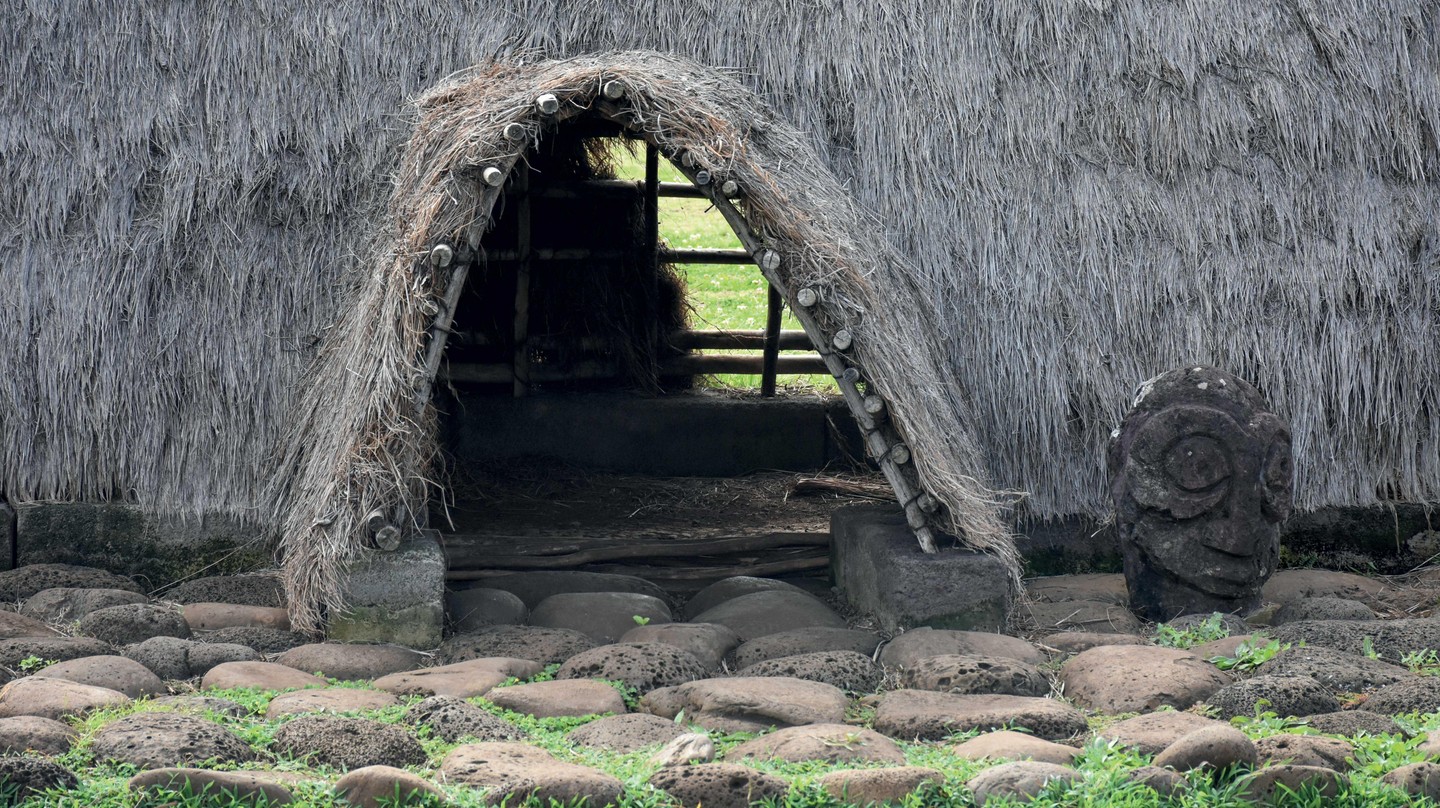
The entryways into hare paenga were delineated with smooth, oval stones. 2024 EPFL/Chloé Joly-Pottuz - CC-BY-SA 4.0

The architectural language of Easter Island

— For her PhD in architecture at EPFL, ChloĂ© Joly-Pottuz researched construction methods, and in particular those for timber structures on Easter Island.

Bacillus megaterium can mineralize carbon dioxide (CO₂) into calcium carbonate (CaCO₃) © SUPSI 2025 - Claudia Cossu

The multitasking microbe that turns naturally CO₂ into minerals

— At more than 470 times the atmospheric concentration of CO₂, a humble soil bacterium does something extraordinary: it turns gas into stone.

Competition for highly qualified profiles is strong in Europe. © Mirsad Sarajlic / iStock

Immigration: from clichés to economic competitiveness

— A joint study by EPFL and the University of Geneva takes a sweeping look at international migration in Switzerland from 1966 to the present day. The authors hope that their insights into the underlying patterns can help policymakers secure the country’s economic growth.

A test was carried out on eight plane trees. ©  srdjan111 /  iStock Photos

City trees provide cooling even in extreme heat

— Plane trees in cities have an important cooling effect even in extreme heat, according to a new study conducted by the Swiss Federal Institute for Forest, Snow and Landscape Research (WSL) and EPFL. The next step is to identify which tree species are particularly effective at cooling.

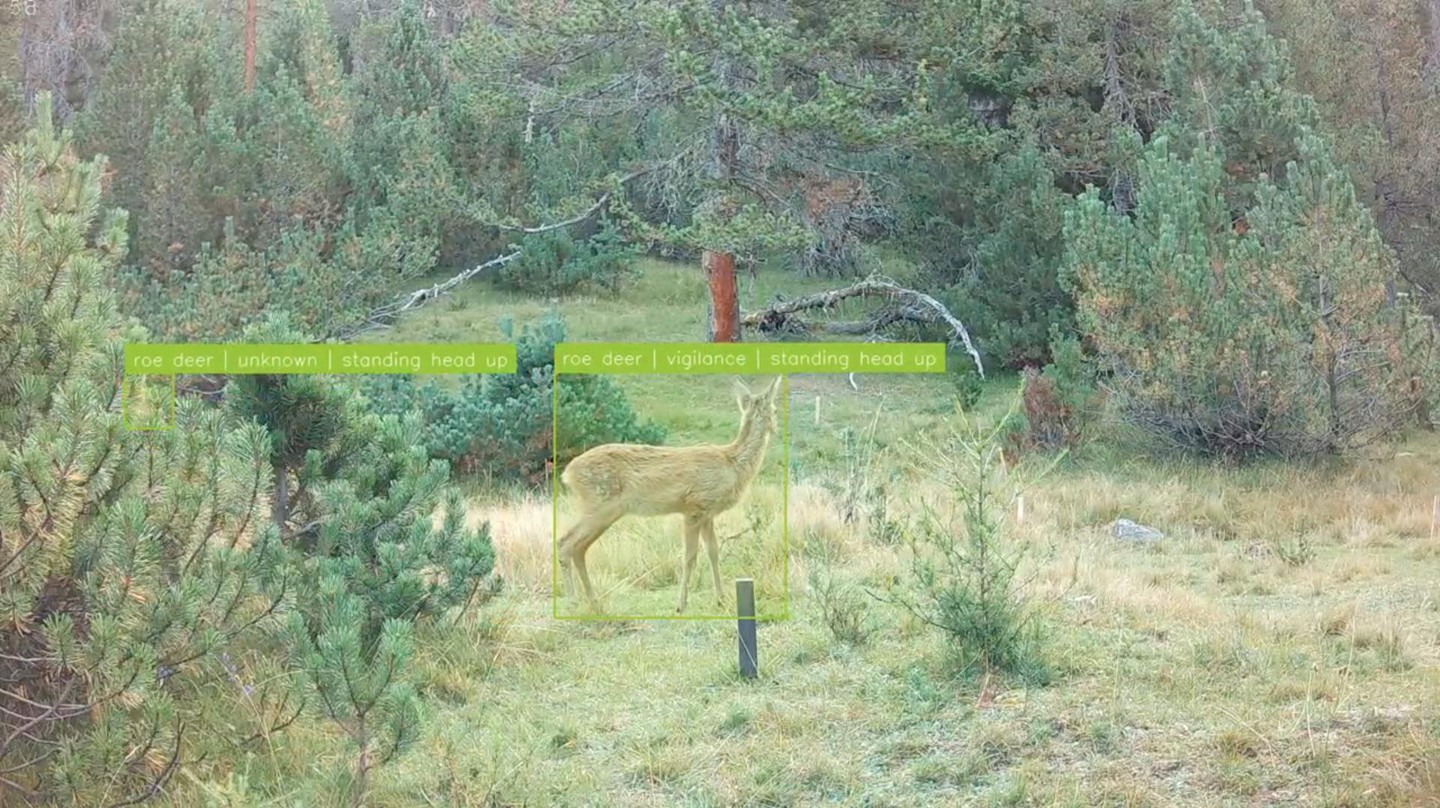
two roe deer foraging, with manual annotations for each individual animal. Credit: A. Mathis (EPFL)

AI monitors wildlife behavior in the Swiss Alps

— Scientists at EPFL have created MammAlps, a multi-view, multi-modal video dataset that captures how wild mammals behave in the Swiss Alps. This new resource could be a game-changer for wildlife monitoring and conservation efforts.

A considerable amount of cooling is required in a data center. © iStock Photos

EPFL engineers explore new applications for geothermal energy

— EPFL engineers have examined the use of geothermal energy in two very different applications: a metro station and an underground data center. The works had a focus on the internal airflow conditions of these structures and possible optimization of the mechanical ventilation. Each case presents its own set of challenges.

According to the study, earthworms avoid more contaminated soils. © iStock toeytoey2530

Earthworms avoid tire abrasion

— A study by the Ecotox Centre, in collaboration with the Swiss Federal Institute of Aquatic Science and Technology (Eawag) and EPFL, shows that earthworms avoid soils more contaminated by tire particles. In tests, however, these particles showed no negative effects on earthworm survival or reproduction.

To achieve its energy targets, Switzerland must massively expand photovoltaics and wind energy. © Anastasija Radenkovic / iStock

Where power will come from in 2050

— By 2050, the aim is for Switzerland’s energy system to be decarbonised and no longer reliant on nuclear power. How this can be achieved and the costs of doing so are set out in a new report by a Swiss research consortium involving researchers from EPFL, ETH Zurich, WSL, the universities of Geneva and Bern, and ZHAW.

31% of the samples contained traces of the compounds typically found in tire additives © iStock

Tire additives found deposited on fruits and vegetables

— A study by EPFL and the Swiss Federal Food Safety and Veterinary Office (FSVO) has found that tire additives enter into and pass through the food chain. Further research is needed to establish the implications for human health.

Biological particles may induce rain events that could contribute to flooding and snowstorms. 2025 CleanCloud/EPFL CC-BY-SA 4.0

Biological particles may be crucial for inducing heavy rain

— EPFL atmospheric and climate scientists show that biological particles may induce rain events that could contribute to flooding and snowstorms, owing to their ability to precipitate ice formation in clouds. They call for an update of meteorological and climate models.

The colourful holds in climbing gyms collect rubber abrasion from the soles, which also gets into the air. Photo: Aaron Kintzi/CeMESS

Chemicals from climbing shoes cause trouble in indoor halls

— A study led by researchers from EPFL and the University of Vienna shows that concentrations of concerning chemicals as high as those by a busy road can be found in the air of bouldering gyms.

The operator sees the instructions through colored lines on the screen. 2024 EPFL/Andrea Settimi CC-BY-SA 4.0

Augmented reality improves carpentry ease and precision

— A system developed at EPFL uses augmented reality (AR) to help carpenters make extremely precise timber cuts without having to measure or mark up beams. Its hybrid approach stands to make digitally assisted technology affordable for small businesses, woodworkers and construction professionals in developing countries.

More articles about research | Back to menu


Columns

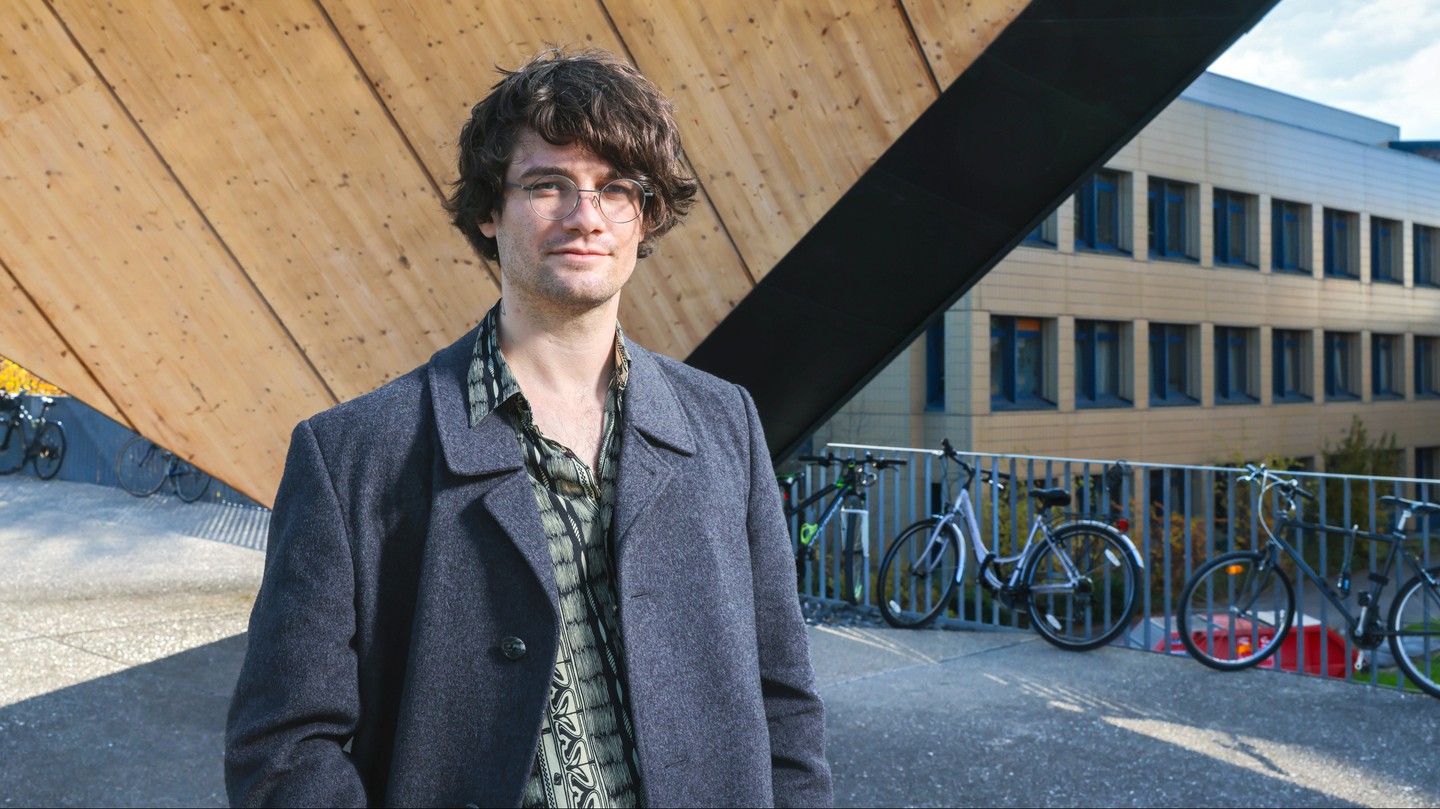
Clément Cattin is PhD student in architecture at EPFL. 2025 EPFL/Alain Herzog - CC-BY-SA 4.0

Sloping sites: allies for denser cities

— As part of his current thesis in architecture at EPFL, ClĂ©ment Cattin is analyzing how to adapt sloping sites to the challenges of sustainable cities. He summarizes the issues in an article published in three French-language dailies.

Christina Doumpioti completed her PhD thesis at EPFL's Media x Design Laboratory. - 2025 EPFL/Alain Herzog - CC-BY-SA 4.0

Rethinking Architecture with AI

— The integration of predictive and generative artificial intelligence models into building design could well revolutionize architecture. This is what Christina Doumpioti explored in her PhD thesis at EPFL's Media x Design Laboratory. She summarizes her findings in a column published in three French-speaking dailies.

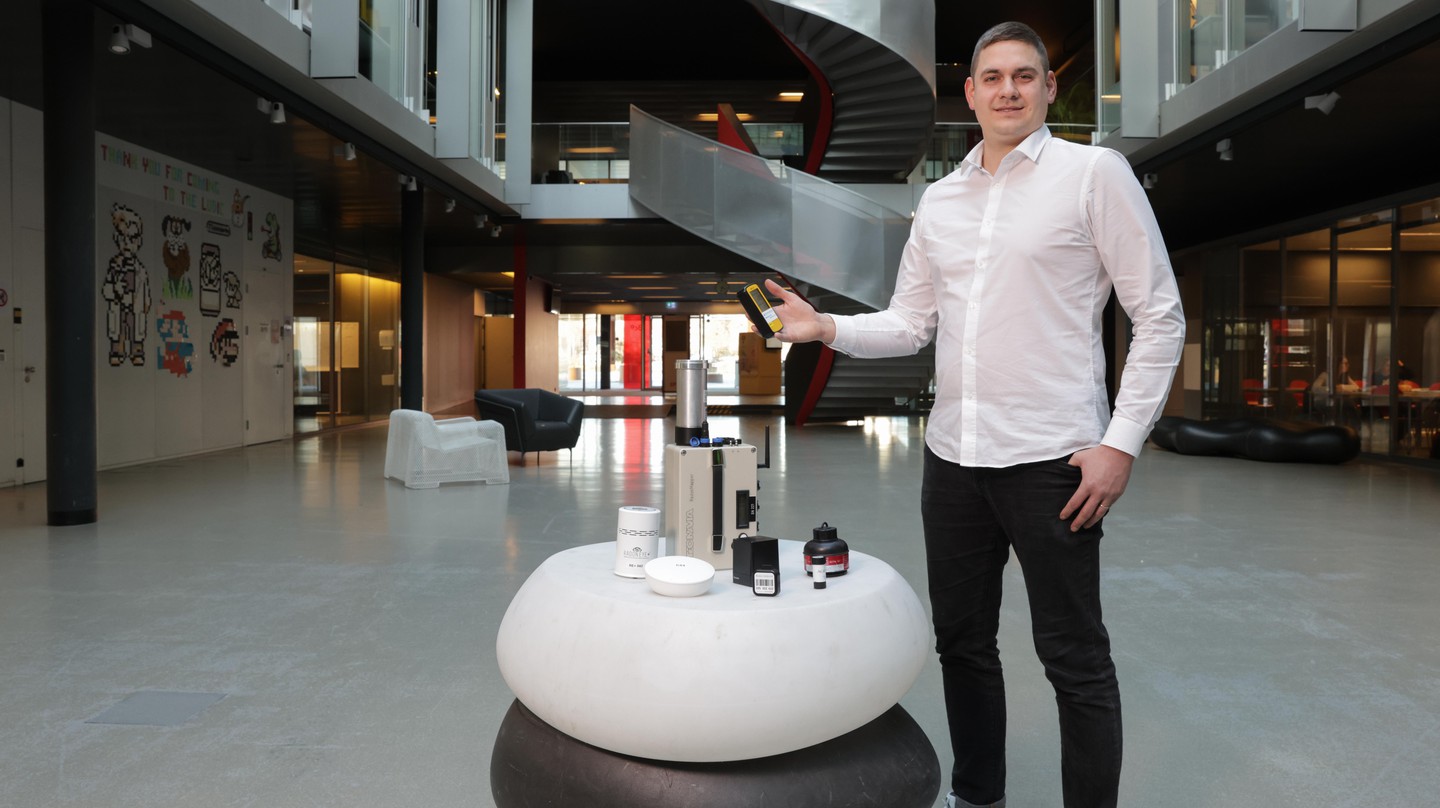
Joan Rey on the EPFL campus with commercial tools used to measure radon.© EPFL/Alain Herzog - CC-BY-SA 4.0

Reliable radon measurements, a challenge for property owners

— Joan Rey tested the reliability of commercial tools and artificial intelligence to measure and predict radon levels in buildings for his doctoral thesis in civil engineering. He shares his conclusions in a column that appeared in three Swiss dailies.

Martin Peikert. © 2024 EPFL/Alain Herzog - CC-BY-SA 4.0

Has the architectural bidding system run its course?

— Switzerland's unique architecture competition guarantees anonymous, objective evaluation of architects. Does Switzerland’s approach really level the playing field and foster diversity? That's what Martin Peikert sets out to find out in his PhD thesis. He summarizes the issues at stake in this column published in three daily newspapers in French-speaking Switzerland.

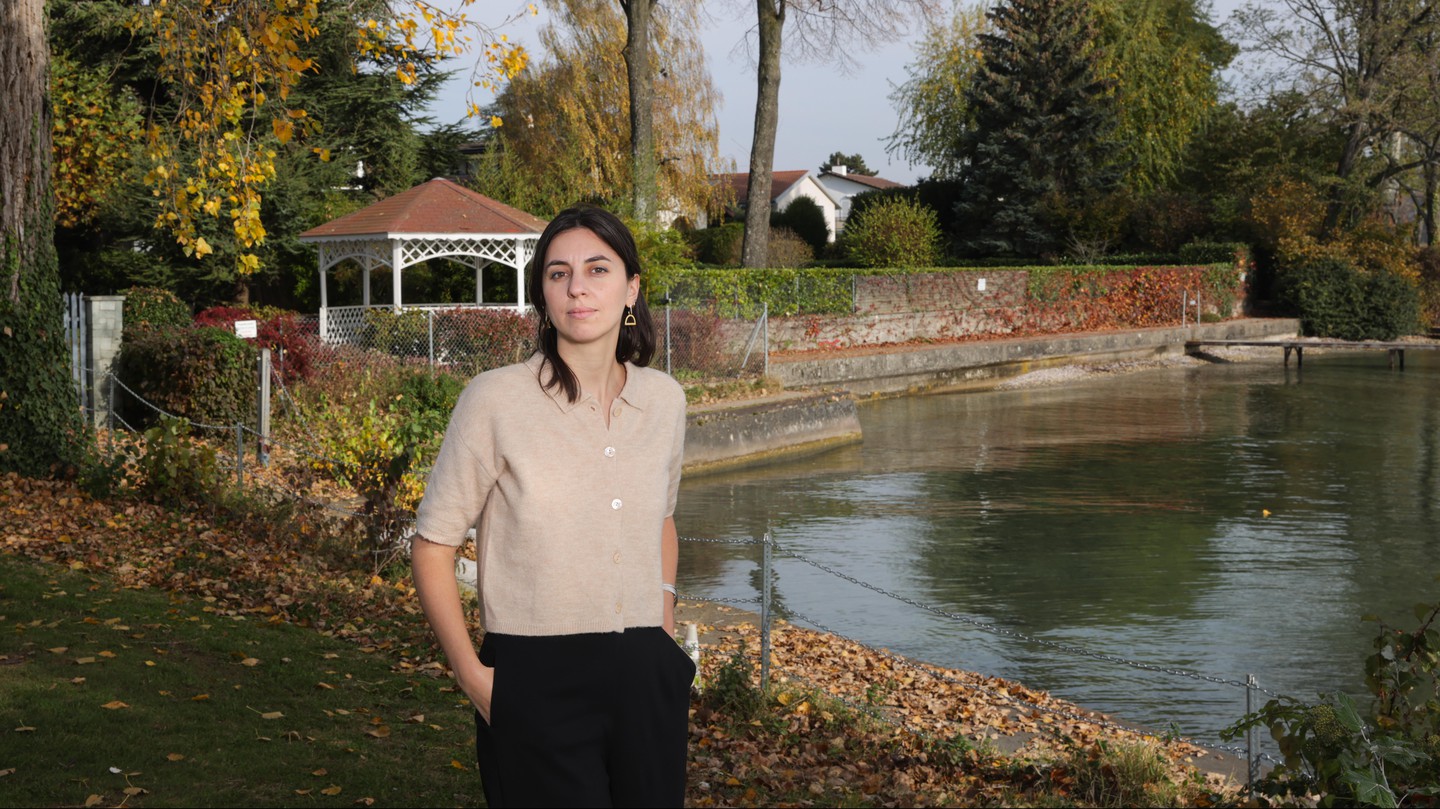
Michela Bonomo highlights that we need to anticipate the rising sea levels predicted by 2100. © 2024 EPFL/Alain Herzog - CC-BY-SA 4.0

How long will the dream of the seaside holiday villa last?

— Michela Bonomo examines in this column the ideology of the luxury seaside villa and shows its limits. Her column was published in three daily newspapers in French-speaking Switzerland. 

Fiona del Puppo, in a student residence near EPFL. © 2024 EPFL/Alain Herzog - CC-BY-SA 4.0

So you've left student accommodation. What next?

— For her PhD thesis in architecture, Fiona del Puppo looked at the challenges young people face finding somewhere to live after leaving university. She outlines her observations in a column published in the Swiss French-language press.

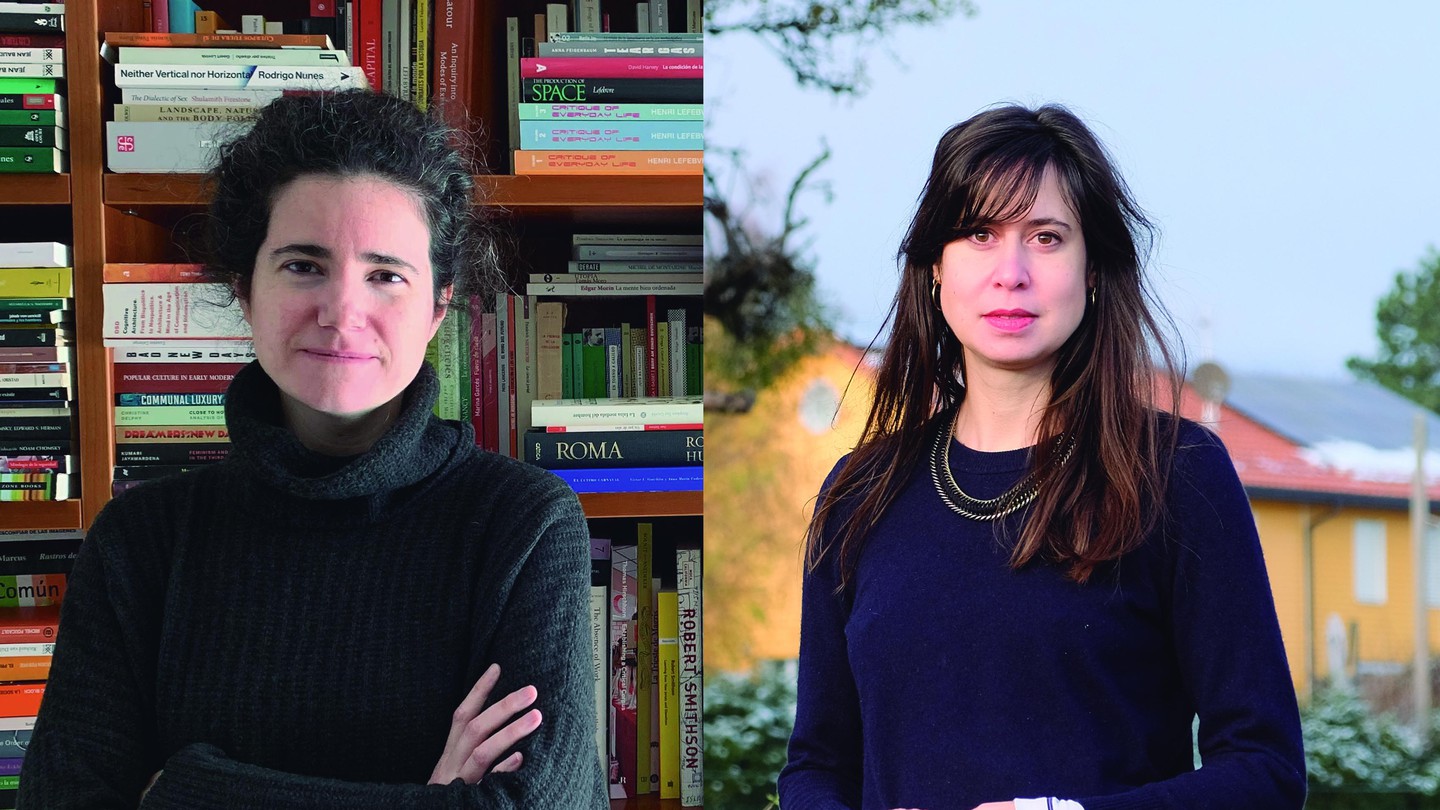
Sara Formery is an architect and a postdoctoral researcher at EPFL. © François Wavre, Lundi 13

An interpretative framework for the urban banks of the RhĂŽne

— How can the banks of the Rhîne be developed in a sustainable and resilient way? That’s the question posed by Sara Formery, architect and postdoctoral researcher at EPFL’s Laboratory of Architecture and Sustainable Technologies (LAST), in this column published in four daily newspapers in French-speaking Switzerland.

Maxence Grangeot is PhD student at EPFL. © EPFL/Alain Herzog - CC-BY-SA 4.0

Is green concrete a myth?

— EPFL PhD student Maxence Grangeot questions current practices aimed at reducing concrete's carbon footprint in this column published in three daily newspapers in French-speaking Switzerland.

Gabriele Manoli works as a tenure-track assistant professor at EPFL. © 2024 EPFL / Alain Herzog

To densify or not to densify? That is the question

— As researchers learn more about the costs and benefits of urban densification, city planners will be able to make better-informed measures, says Gabriele Manoli, a tenure-track assistant professor at EPFL, in this column published in three daily newspapers in French-speaking Switzerland.

Barbara Lambec is an architect and a heritage specialist.  © 2024 EPFL / Alain Herzog

Making yesterday's commonplace today's innovation

— How can we renormalize reuse? Barbara Lambec, an architect, heritage specialist, and researcher at EPFL’s Structural Xploration Lab (SXL), answers to this question in a column published in three daily newspapers in French-speaking Switzerland.

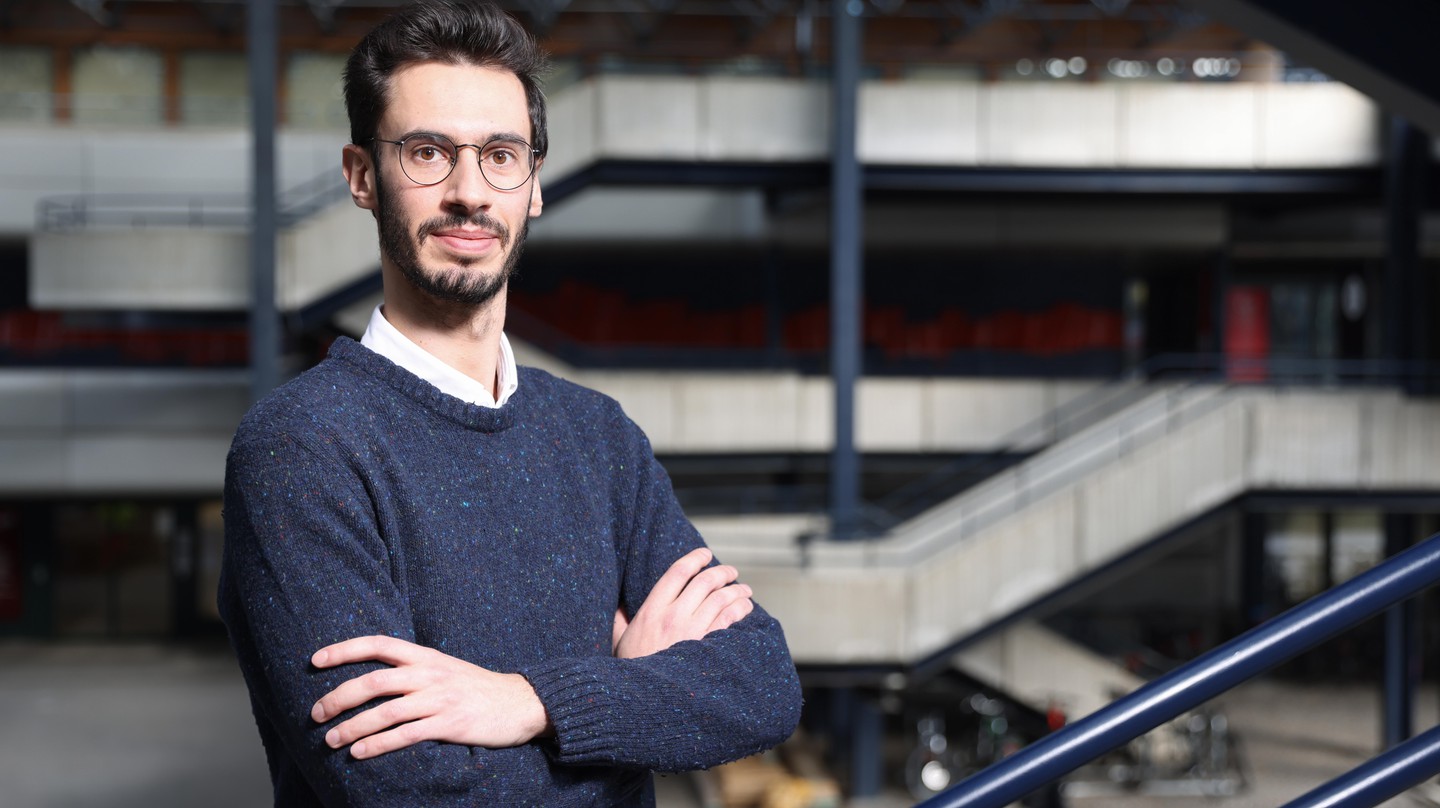
Tiago P. Borges is architect and PhD student at EPFL. © 2024 EPFL / Alain Herzog

Reimagining dwelling

— It's possible to live in less conventional places, such as greenhouses, says Tiago P. Borges, architect and PhD student at EPFL’s Laboratory of Elementary Architecture and Studies of Types (EAST) in this column published in three local dailies.

Giuseppe Galbiati is an engineer-architect and former PhD student at EPFL. © 2024 EPFL / Alain Herzog

“Modern” does not mean “monster”

— Modern architectural buildings represent a rich repository of grey energy to be conserved, even if they are not always attractive, explains Giuseppe Galbiati, engineer-architect and former PhD student at EPFL’s Laboratory of Techniques and Preservation of Modern Architecture (TSAM), in this column.

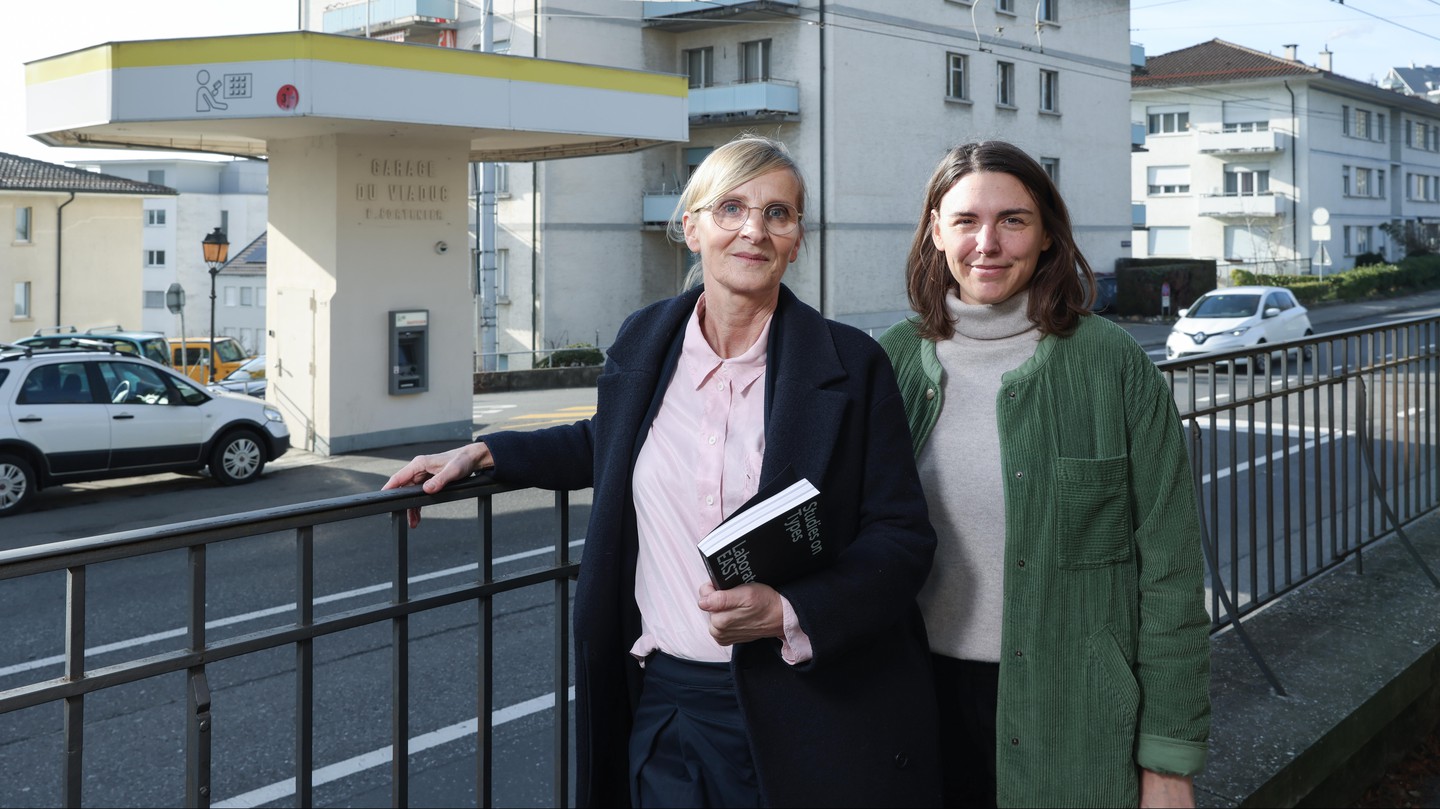
Anjy Fröhlich and Lara Monti in front of a dismanteled filling stations. © Alain Herzog / 2024 EPFL

What does the future hold for filling stations?

— Filling stations will have to find a new purpose in a post-fossil-fuel world. That's what Anja Fröhlich, architect and associate professor, and Lara Monti, teaching assistant at EPFL's Laboratory of Elementary Architecture and Studies of Types, are talking about in this column.

Lucía Jalón Oyarzun and Emmanuelle Agustoni (ALICE). © EPFL/DR - Y.Bergeot - CC-BY-SA 4.0

Tapping into “urban intelligence”

— In this article appearing in Switzerland’s French-speaking press, Lucía Jalón Oyarzun, head of research at the Design Studio on the Conception of Space (ALICE) and Emmanuelle Agustoni, architect and scientist, explain how they built a picture of the living heritage of Vernier, a town on the western outskirts of Geneva

GlĂČria Serra Coch is architect and researcher at EPFL. © Alain Herzog / 2023 EPFL

Energy is (not) sexy

— In this article appearing in three local newspapers, GlĂČria Serra Coch, architect and PhD student at EPFL’s Human Environment Relations in Urban Systems (HERUS), wonders how to make the energy turn around more attractive.

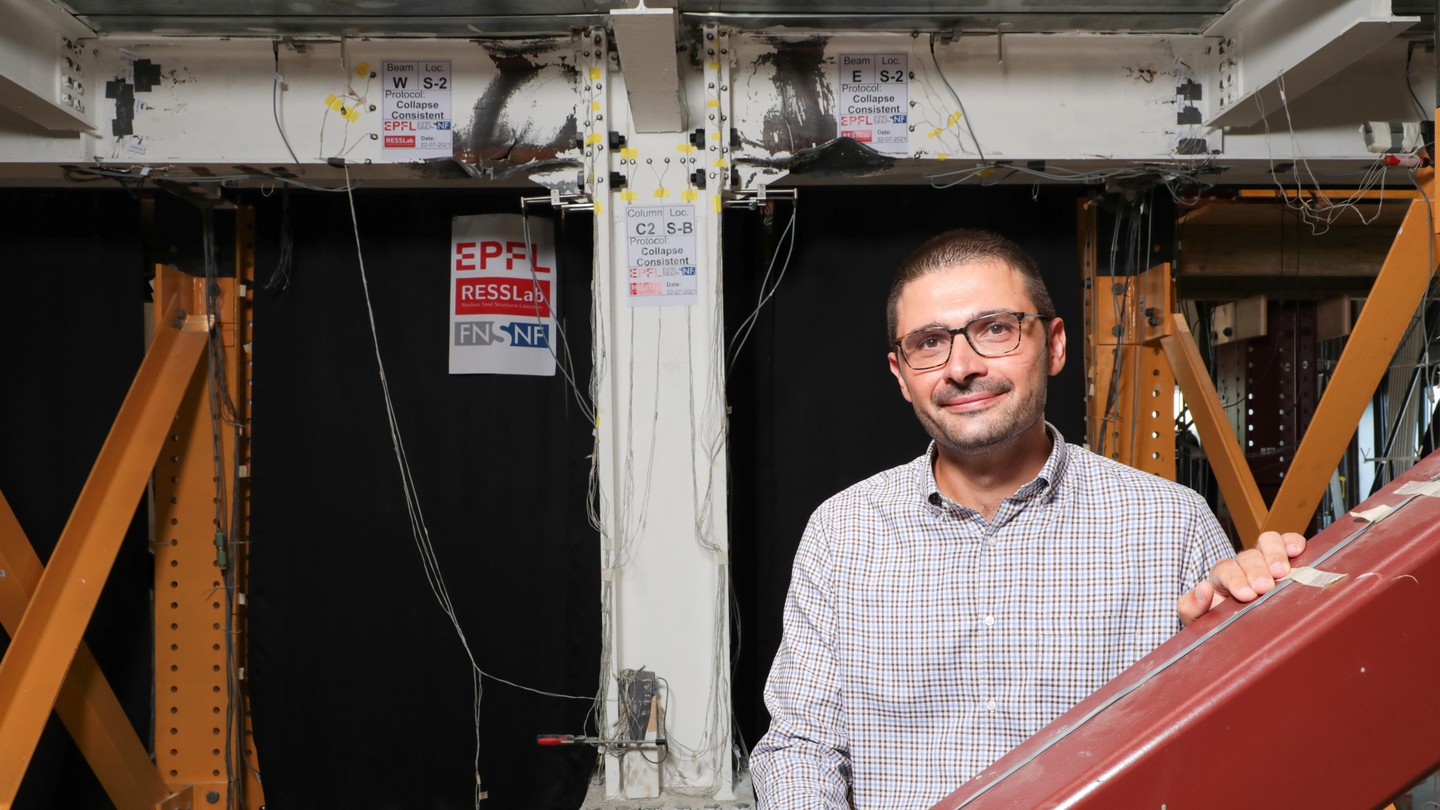
Dimitrios Lignos is the Director of the Civil Engineering Institute at EPFL. © EPFL/Alain Herzog

How can we use steel efficiently for sustainable design?

— In this column, published in three regional dailies, Dimitrios Lignos, who heads EPFL’s Resilient Steel Structures Laboratory (RESSLab), explains how his laboratory's research is contributing to a more thoughtful use of steel in construction.

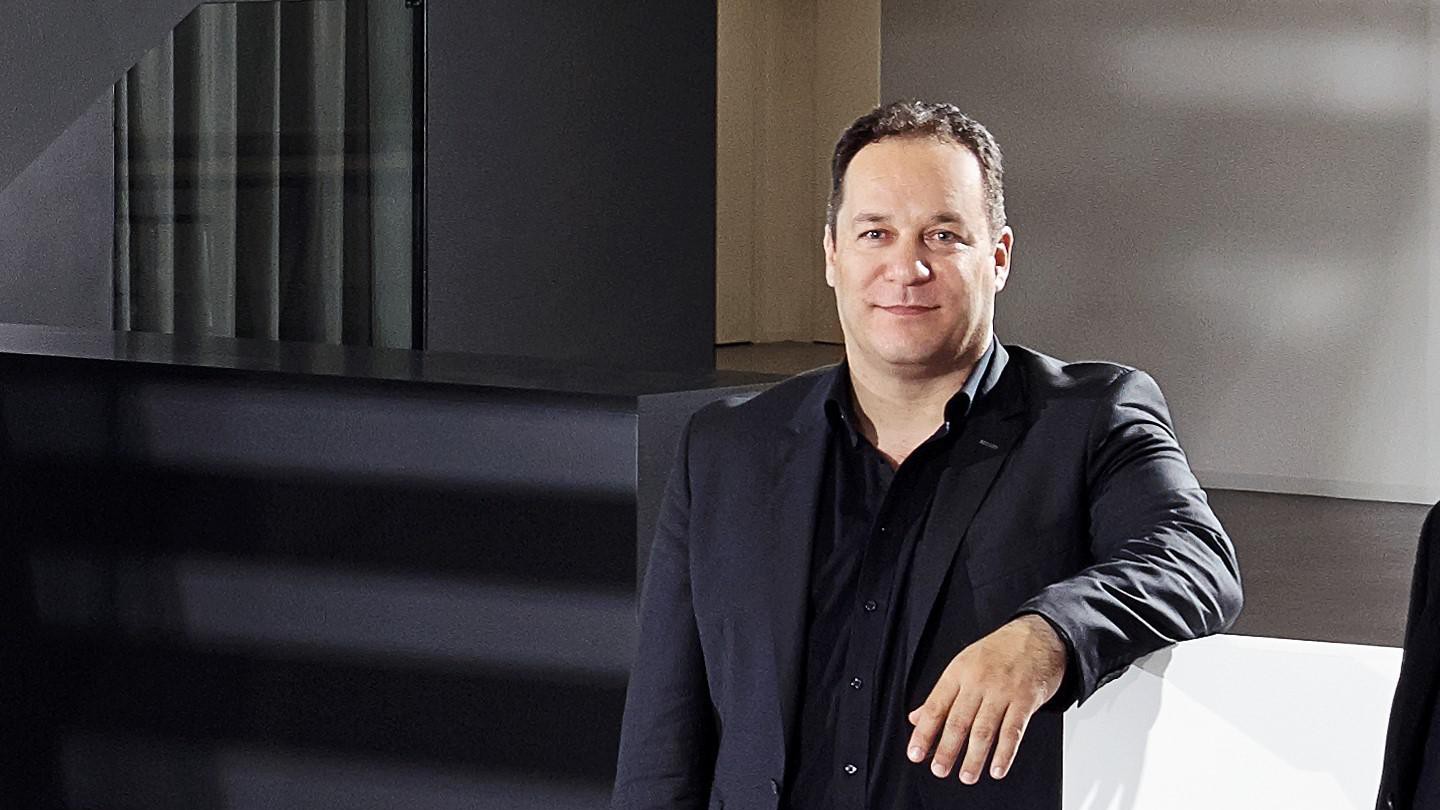
Emmanuel Rey is Associate professor of Architecture and Sustainable Construction Technologies. © Tonatiuh Ambrosetti

Toward post-carbon neighborhoods?

— In this column, published in three local dailies, Emmanuel Rey, Associate professor of Architecture and Sustainable Construction Technologies and head of the Laboratory of Architecture and Sustainable Technologies (LAST), explains what lies behind the concept of "post-carbon neighborhoods".

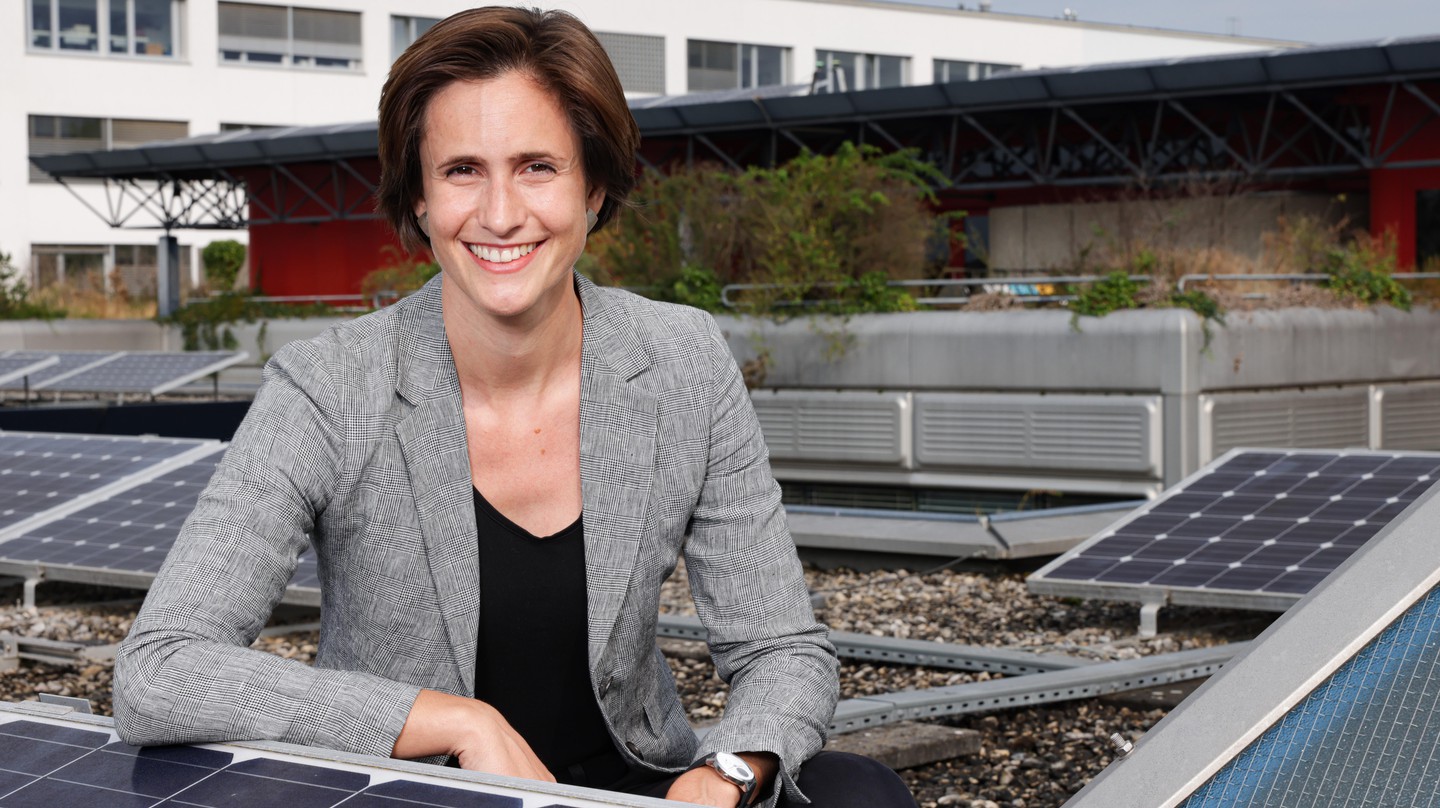
Andrew Sonta is Tenure track assistant professor at the Smart Living Lab in Fribourg.© 2023 EPFL

Why flexible working has the power to change our cities

— In this column, published in three local dailies, Andrew Sonta, engineer and Tenure track assistant professor at the Smart Living Lab explains how evolving patterns of behavior have called into question the value of the physical office space and add an additional layer of complexity to optimal building design and operation.

Giulia Marino is architect and researcher at EPFL. © DR

What can the Avanchet-Parc housing complex teach us today?

— In this column, published in three regional dailies, researcher and architect Giulia Marino discusses how the Avanchet-Parc housing complex near Geneva can inspire future ecodistricts

Camille Fauvel is lecturer at EPFL. © Alain Herzog / EPFL 2023

Temporary structures can help find lasting solutions

— In this column, published in three local dailies, Camille Fauvel explains how temporary structures can help us observe how people use public spaces. Fauvel, a lecturer in architecture at ENAC, cites a project carried out by EPFL students on Lake Geneva.

More columns | Back to menu


Video

More videos | Back to menu


Audio

Back to menu


Internal news

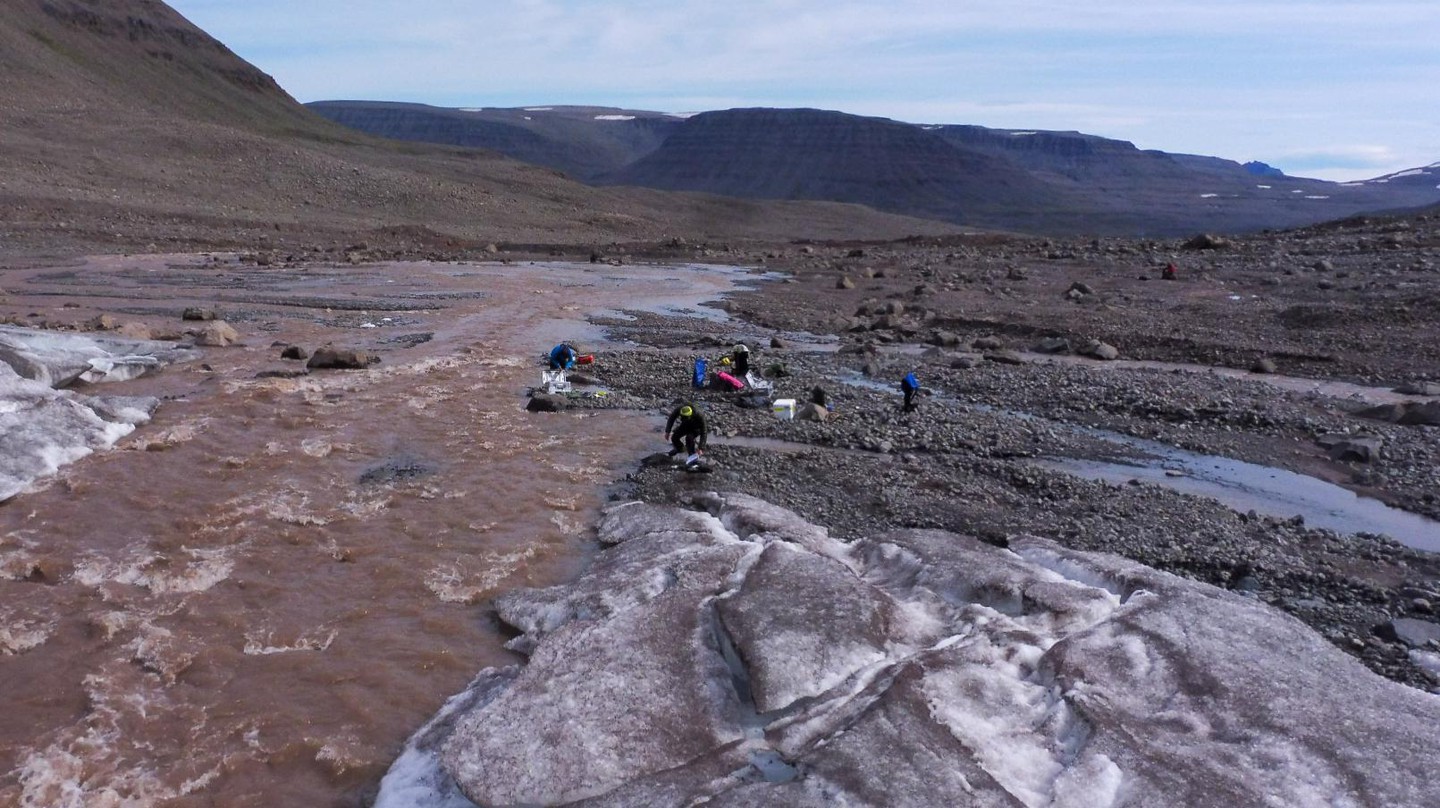
Glacier-fed streams could well become greener in the future. © 2022 EPFL/Mike Styllas - CC-BY-SA 4.0

Glacier melt puts unique microbial ecosystems under threat

— A pioneering study has revealed how climate change is impacting glacier-fed streams and the essential microbiomes they contain – which could change radically by the end of this century.

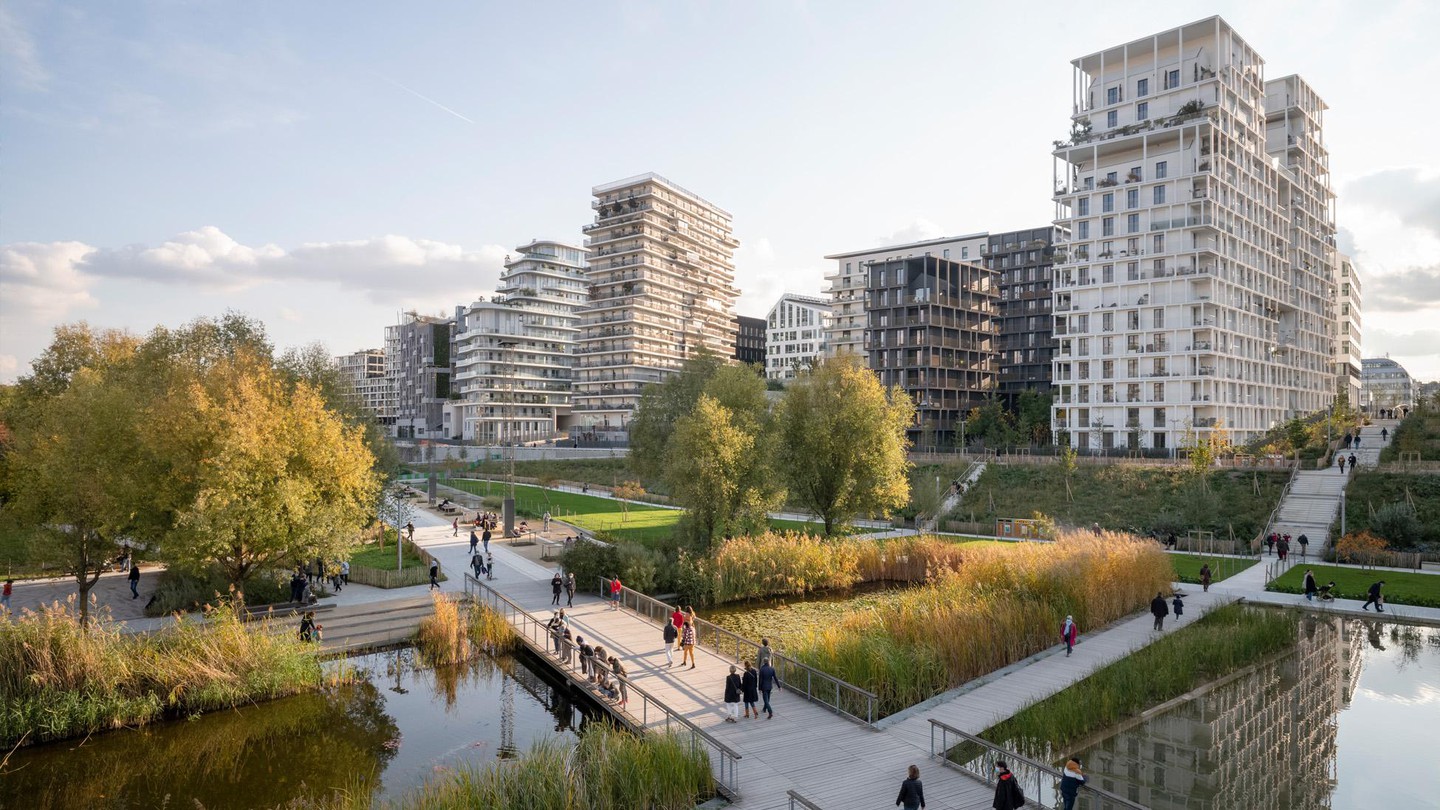
Parc Matin Luther King, Paris © Martin Argyroglo

Forum des transitions urbaines 2025

— Entitled "Towards bioclimatic cities ?", the Forum des transitions urbaines will be held on September 5, 2025 in the Auditorium of Microcity, an EPFL branch in NeuchĂątel (Switzerland). Organized jointly by the Ecoparc Association and the Laboratory of Architecture and Sustainable Technologies (LAST) of the Ecole polytechnique fĂ©dĂ©rale de Lausanne (EPFL), in partnership with the journal TracĂ©s, the biennial event will approach this crucial theme for our built environment from different angles.

© 2023 EPFL

ENAC Fribourg Grants: apply now!

— We have the pleasure to launch an internal call: “ENAC Fribourg Grants”, offering a new opportunity to boost interdisciplinary research and innovative approaches for a sustainable development of the built environment. The call is open to all EPFL laboratories.

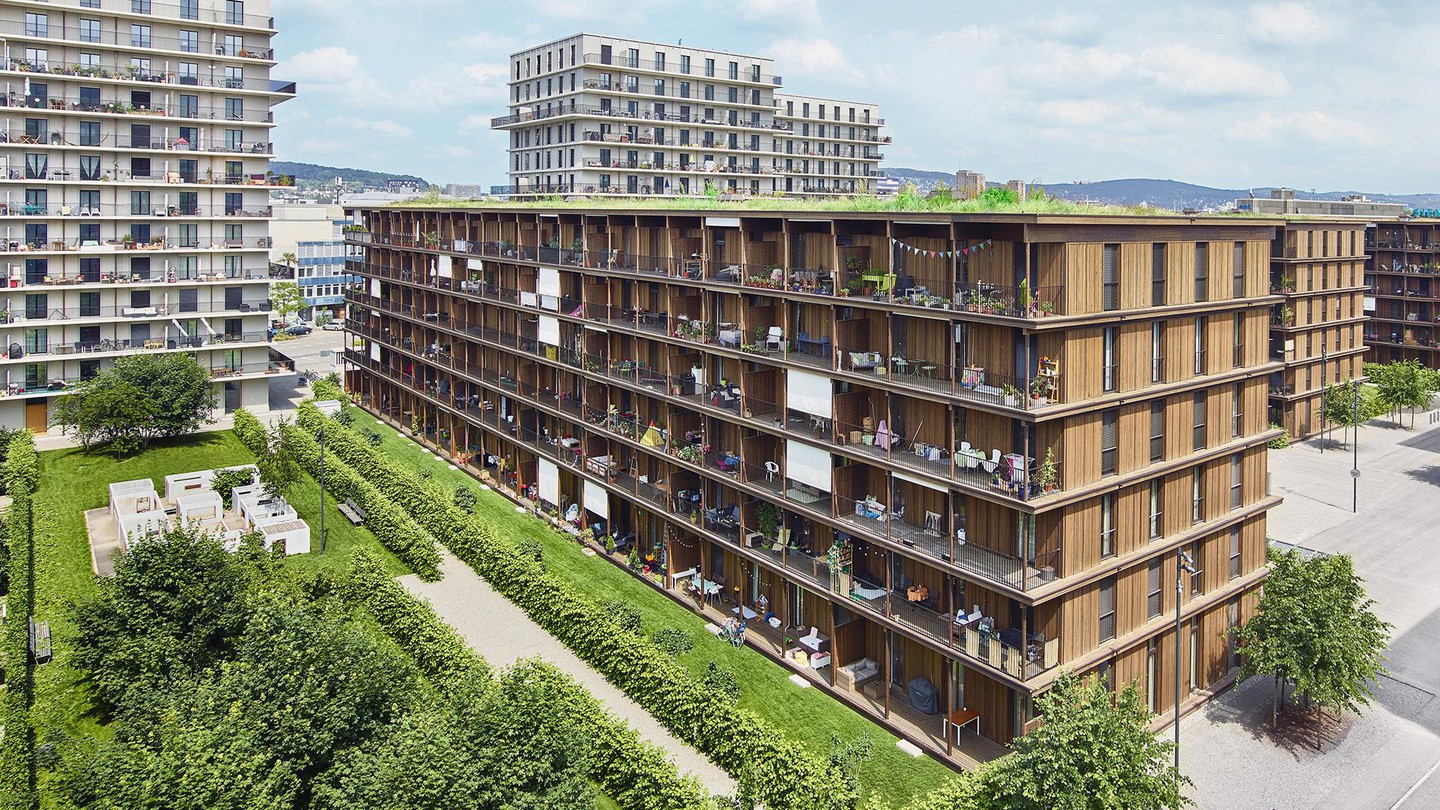
Freilager neighborhood, Zurich (arch. Rolf MĂŒhlethaler) © gataric-fotografie

Forum des transitions urbaines 2023

— Entitled "Towards Post-Carbon Neighborhoods", the Forum des transitions urbaines will be held on September 8, 2023 in the Auditorium of Microcity, a branch of the EPFL in NeuchĂątel (Switzerland). Organized jointly by the Ecoparc Association and the Laboratory of Architecture and Sustainable Technologies (LAST) of the Ecole polytechnique fĂ©dĂ©rale de Lausanne (EPFL), in partnership with the journal TracĂ©s, the biennial event will approach this crucial theme for our built environment from different angles.

© 2023 EPFL

Three "ENAC Flagship projects" granted

— We're happy to announce the 3 successful ENAC Flagship projects, involving 7 ENAC Professors coming from different research disciplines. The Flagships will receive between 400 and 500 kCHF each and will be running until spring 2026!

More internal news | Back to menu


Follow us on social media