News

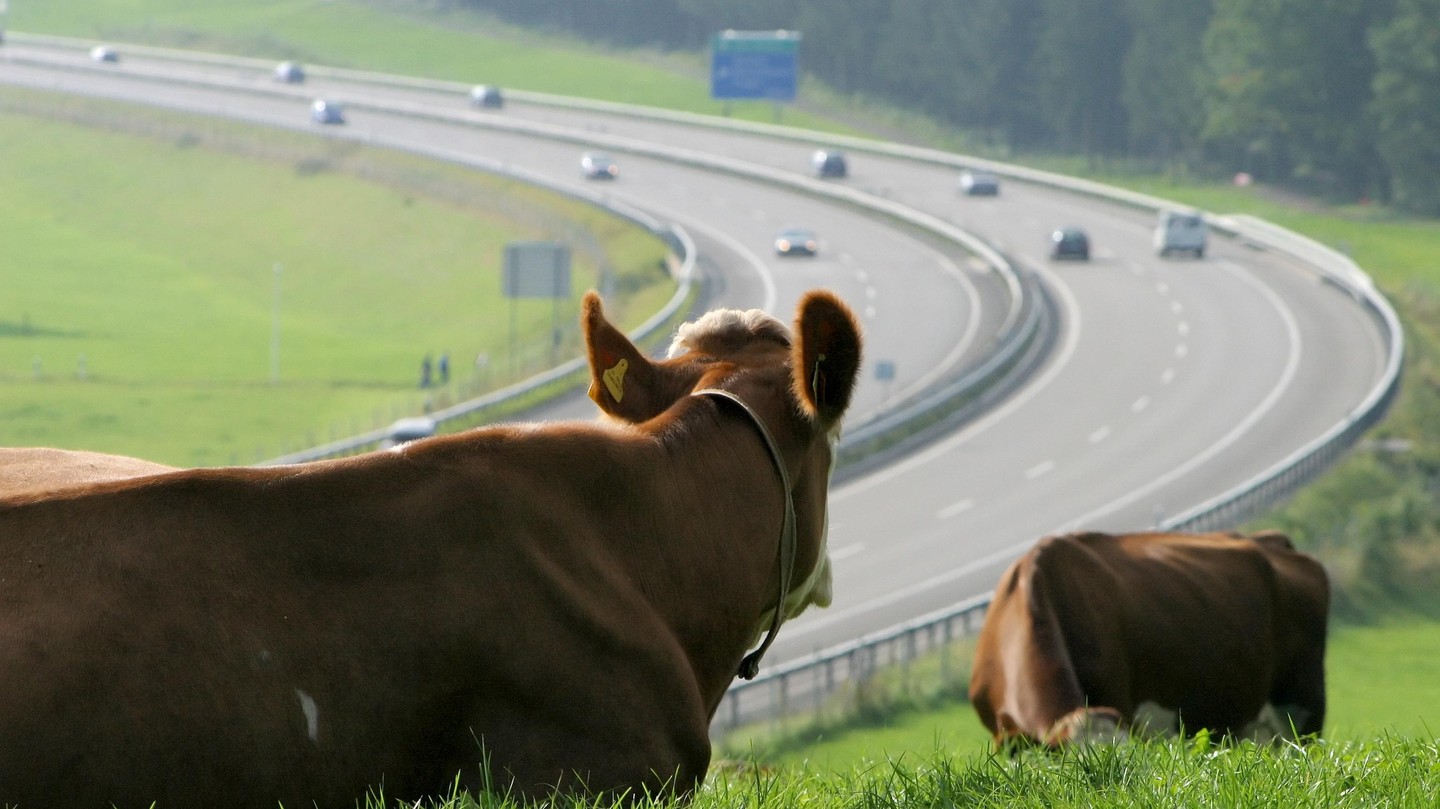
Cows feeding near roads might be exposed to more chemicals. © iStock

EPFL researchers identify rubber-related chemicals in Swiss milk

— Researchers at EPFL have identified several rubber-related chemicals in Swiss raw milk. The study, supported by the Swiss Federal Office of Food Safety, also suggests that dairy equipment may be an overlooked source of contamination.

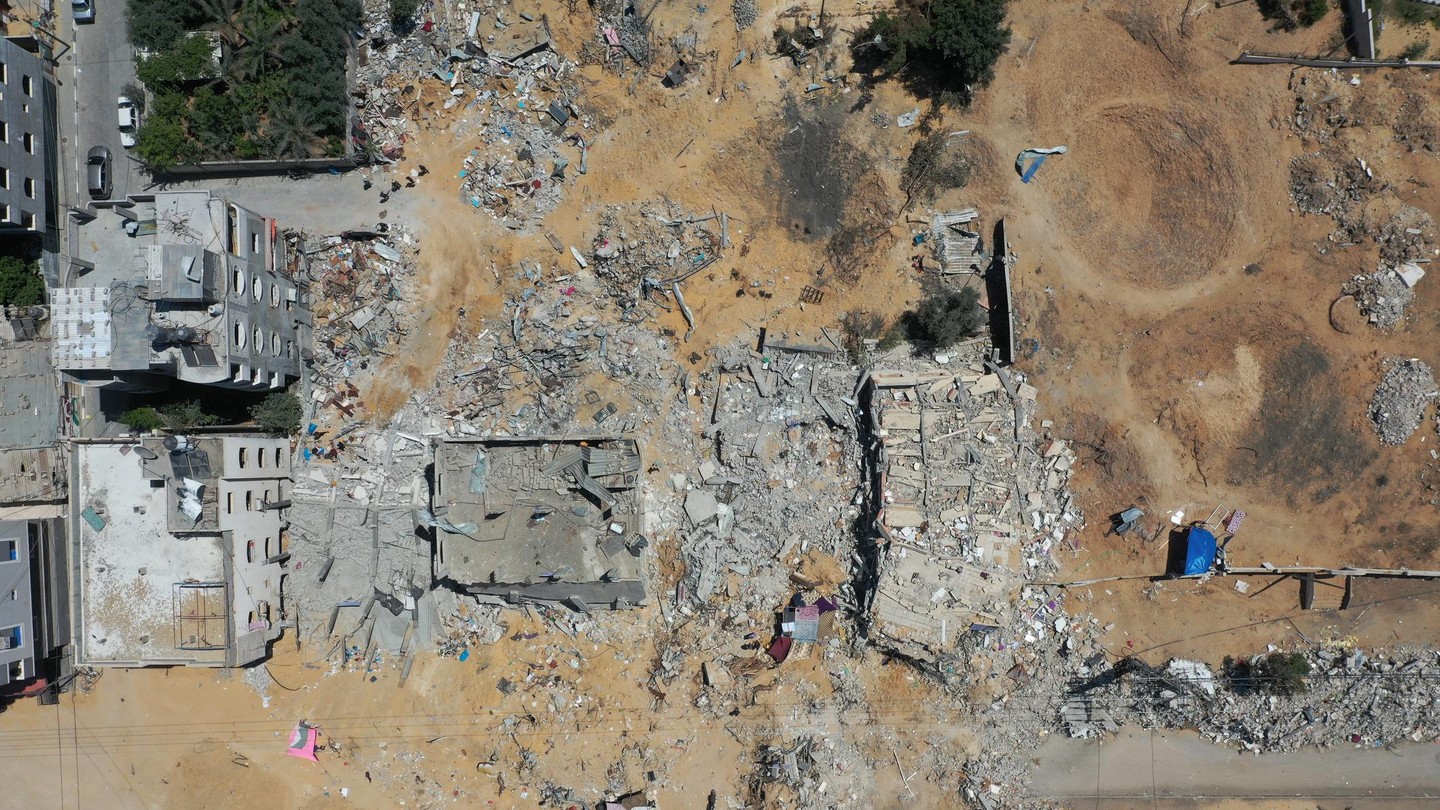
Aerial view of a conflict zone in the Gaza Strip. ©iStock

Satellite imagery gives experts a better understanding of conflict

— A study co-authored by researchers from EPFL, ETH Zurich and the University of Zurich shows how satellite data can support humanitarian conflict analysis, helping provide a clearer picture of the consequences of war and reduce the toll on civilians.

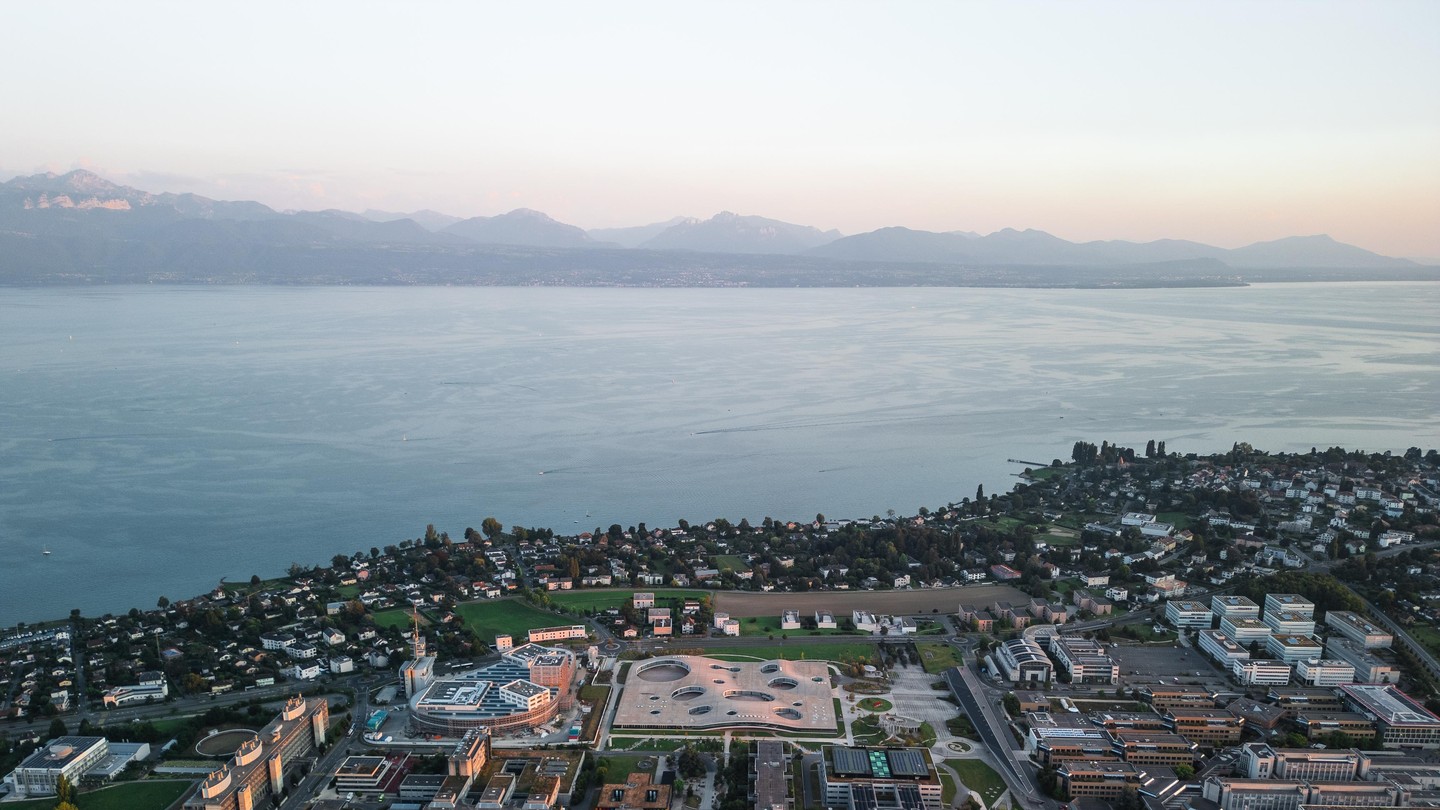
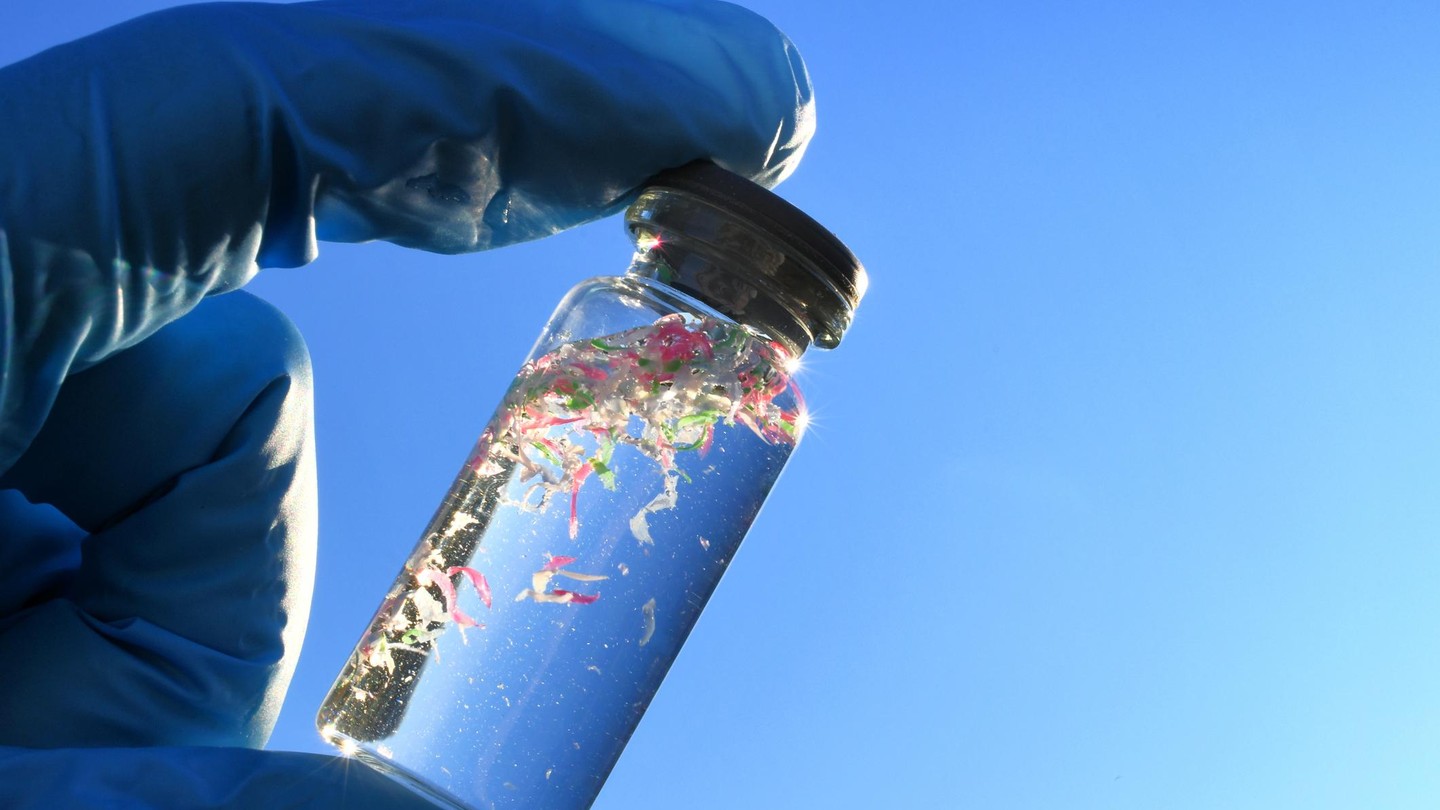
Concentrations of microplastics measuring between 1 and 100 micrometers in Lake Geneva and its surrounding rivers may have been underestimated - - 2024 EPFL/Jamani Caillet - CC-BY-SA 4.0

Hidden microplastic pollution in Swiss waters uncovered

— A new technique developed by EPFL has revealed that tiny microplastics in Lake Geneva and surrounding waterways are far more abundant than previously thought.

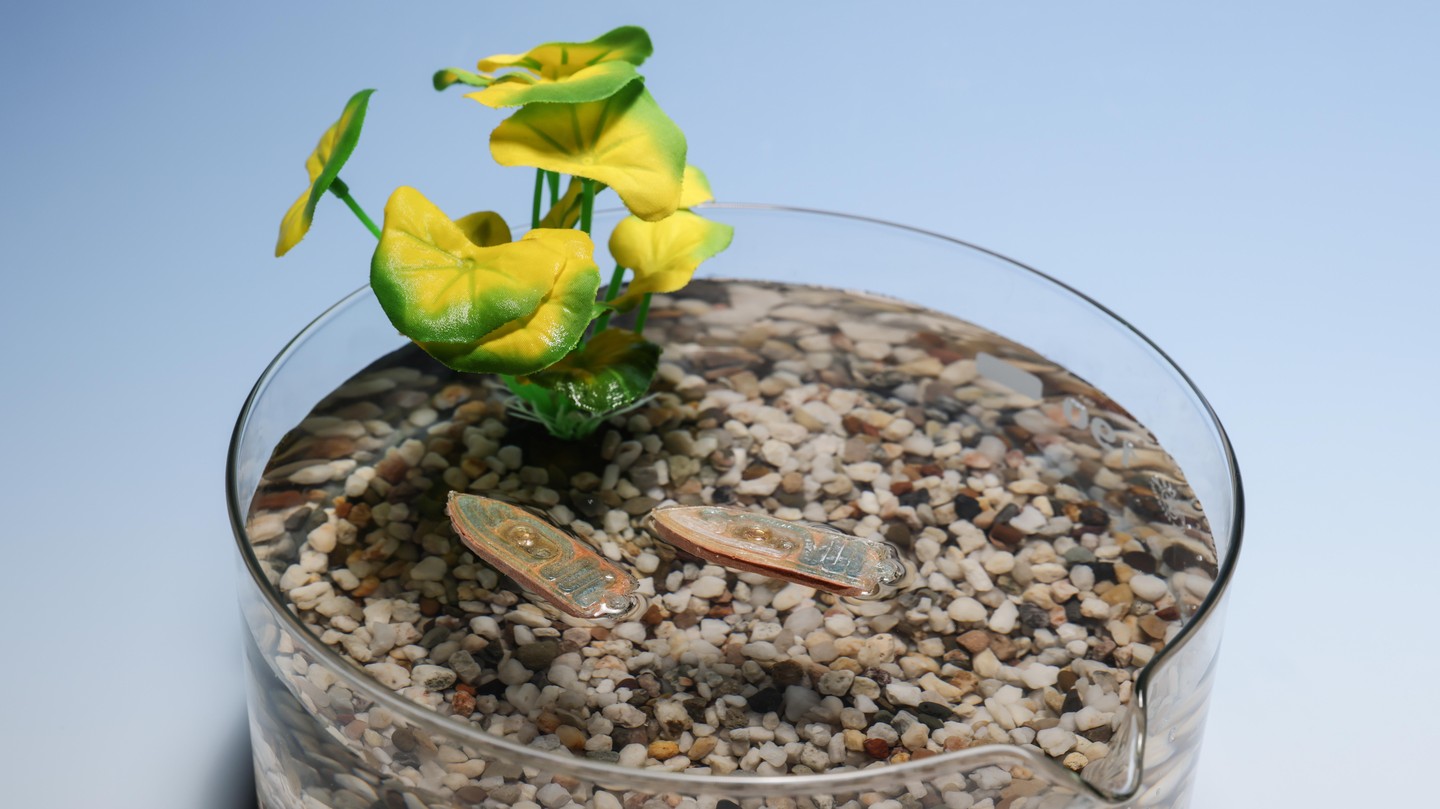
This edible robot from the Laboratory for Intelligent Systems is an alternative to electronic environmental monitoring devices. EPFL - CC-BY-SA 4.0

Reimagining robotics for sustainability

— Robots are often promoted for their increasing intelligence and autonomy. Yet a growing body of research at EPFL suggests that a robot's contribution to sustainability goals may be an equally important measure of success.

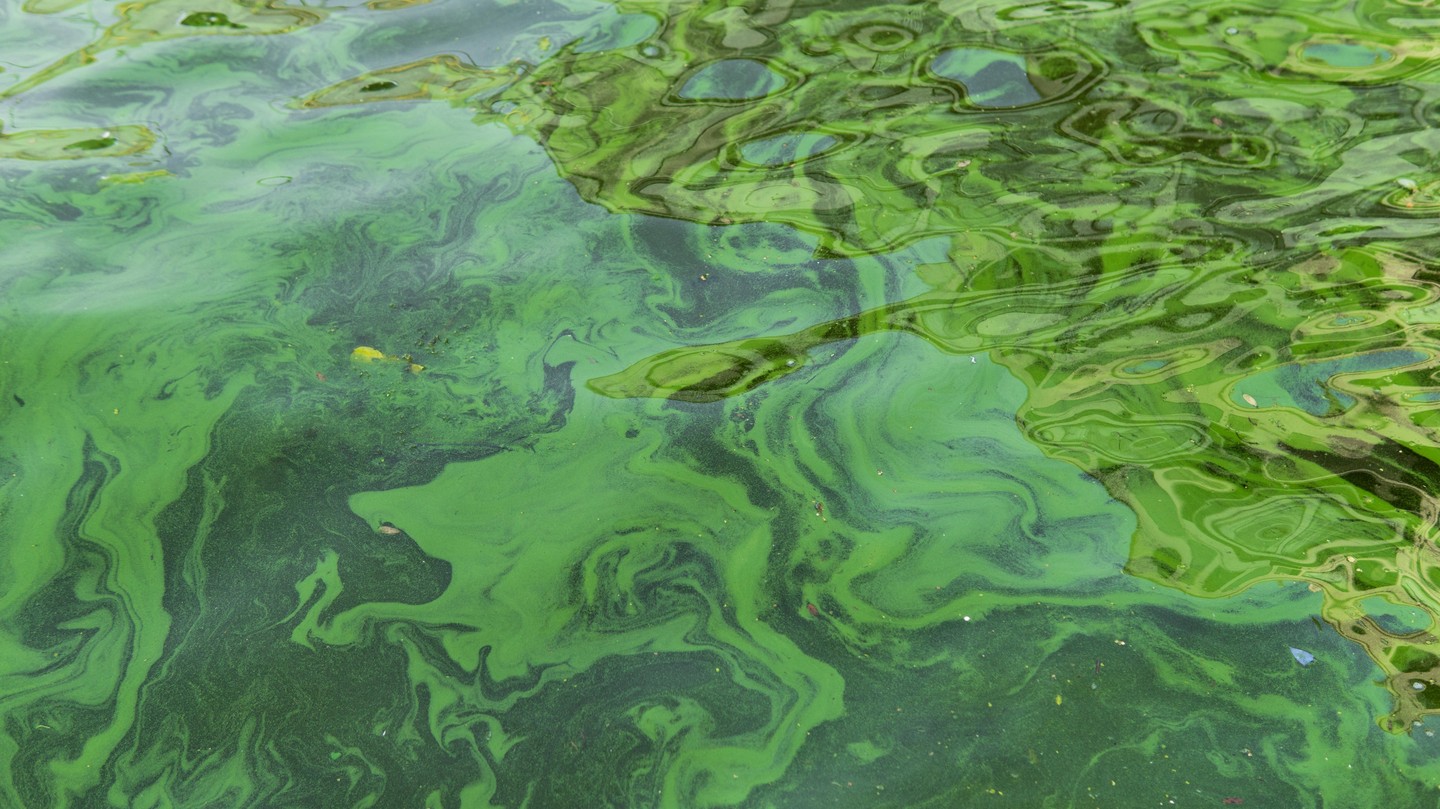
Cyanobateria bloom in a lake © iStock

A tiny pore identifies cyanobacteria toxins in lake water

— EPFL researchers have developed a nanopore sensor that distinguishes seven toxins from cyanobacteria blooms, and can detect one common toxin at concentrations far below World Health Organization guidelines.

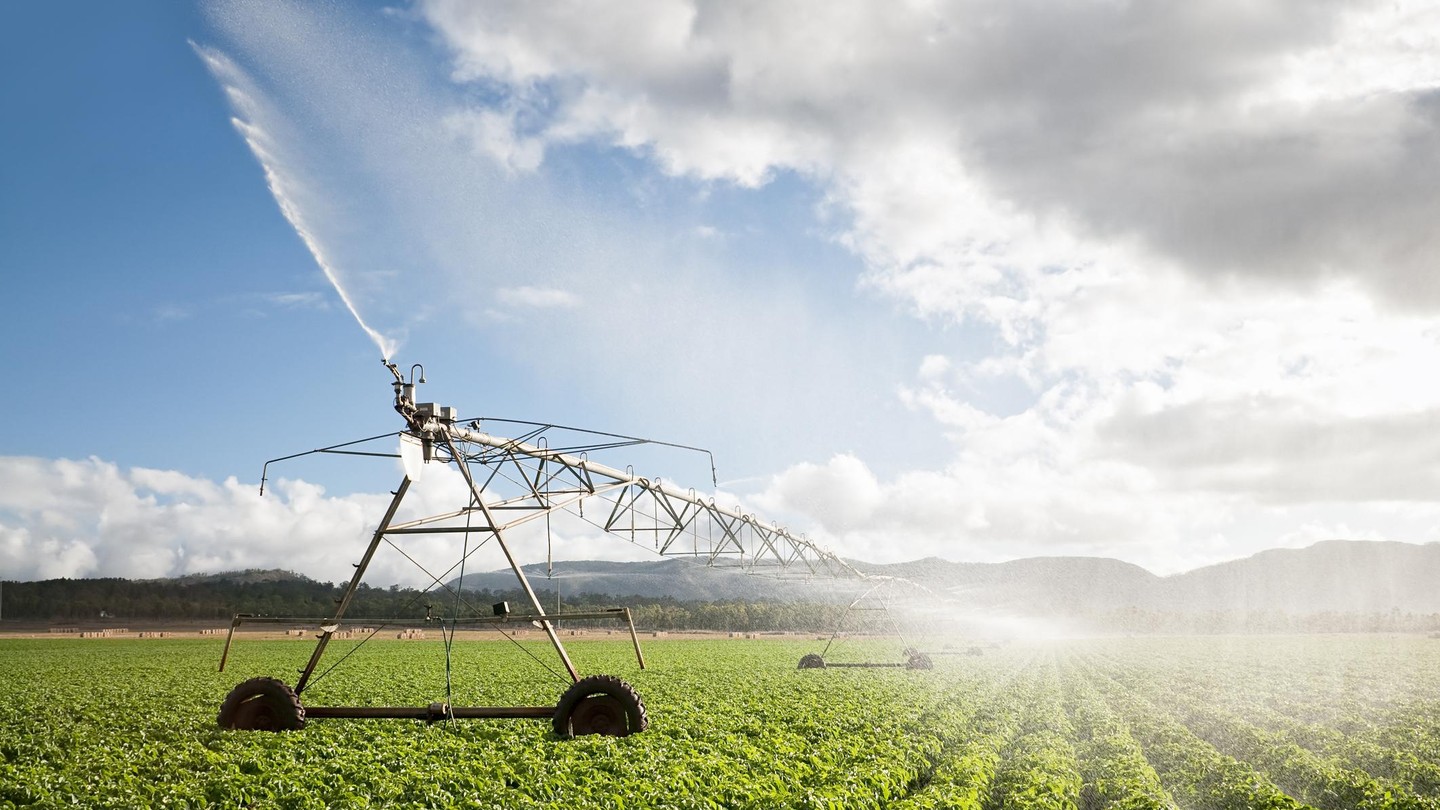
© 2026 EPFL / iStock

Managing agricultural water under uncertainty

— EPFL researchers developed a method to quantify how uncertainty in climate and hydrological models affects estimates of future crop water needs and sustainability.

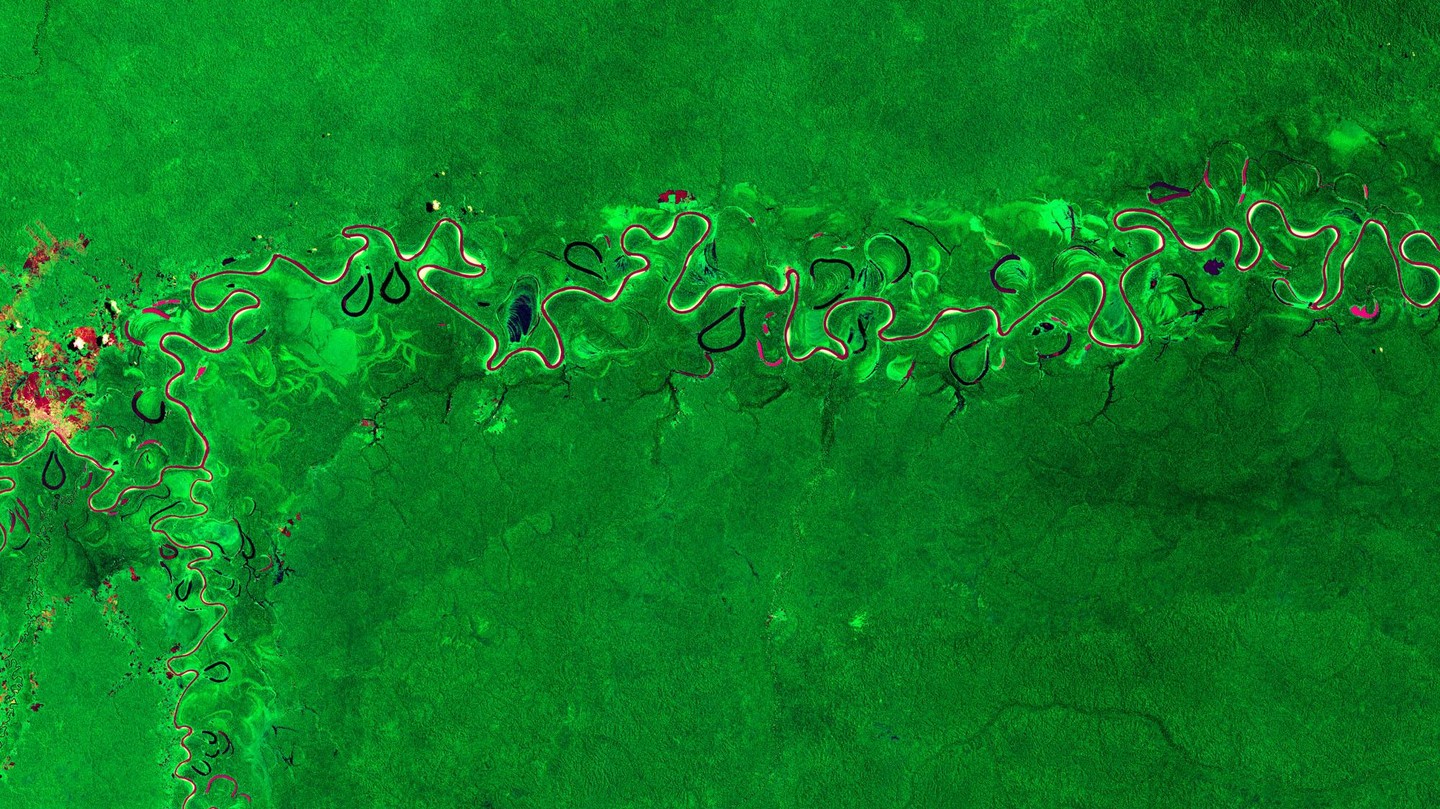
Copernicus Sentinel-2 mission image over part of the Amazon rainforest in the Amazonas. - CC BY-SA 3.0 IGO / ESA Standard Licence

Heatwaves hinder photosynthesis

— An EPFL study shows that tropical forests regularly exceed the temperatures at which photosynthesis begins to fail, threatening the planet's ability to absorb carbon dioxide.

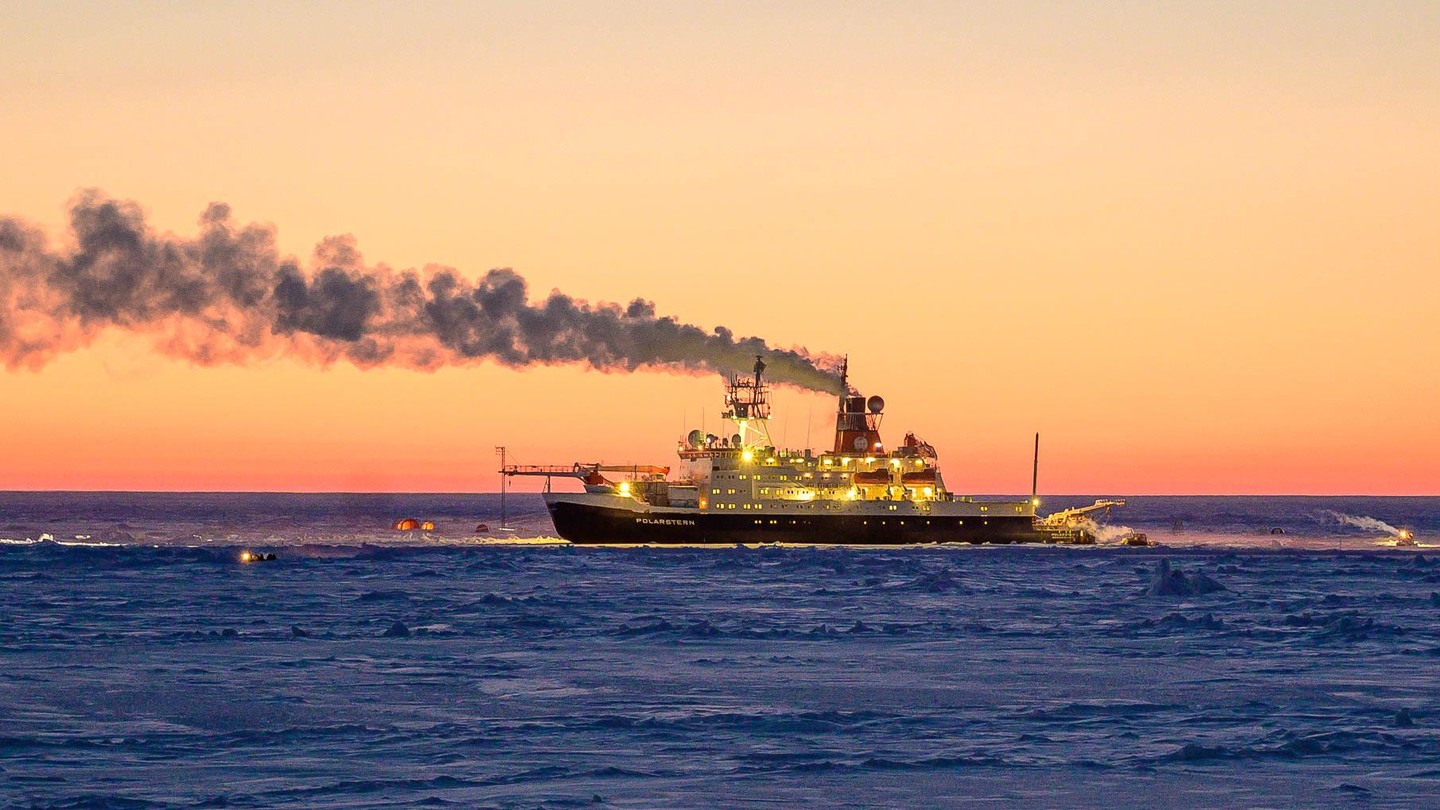
© 2026 EPFL

The hidden atmospheric cost of Arctic shipping

— A study led by the EPFL suggests that shipping emissions influence climate-relevant cloud formation and may impact regional climate processes far beyond the polar region.

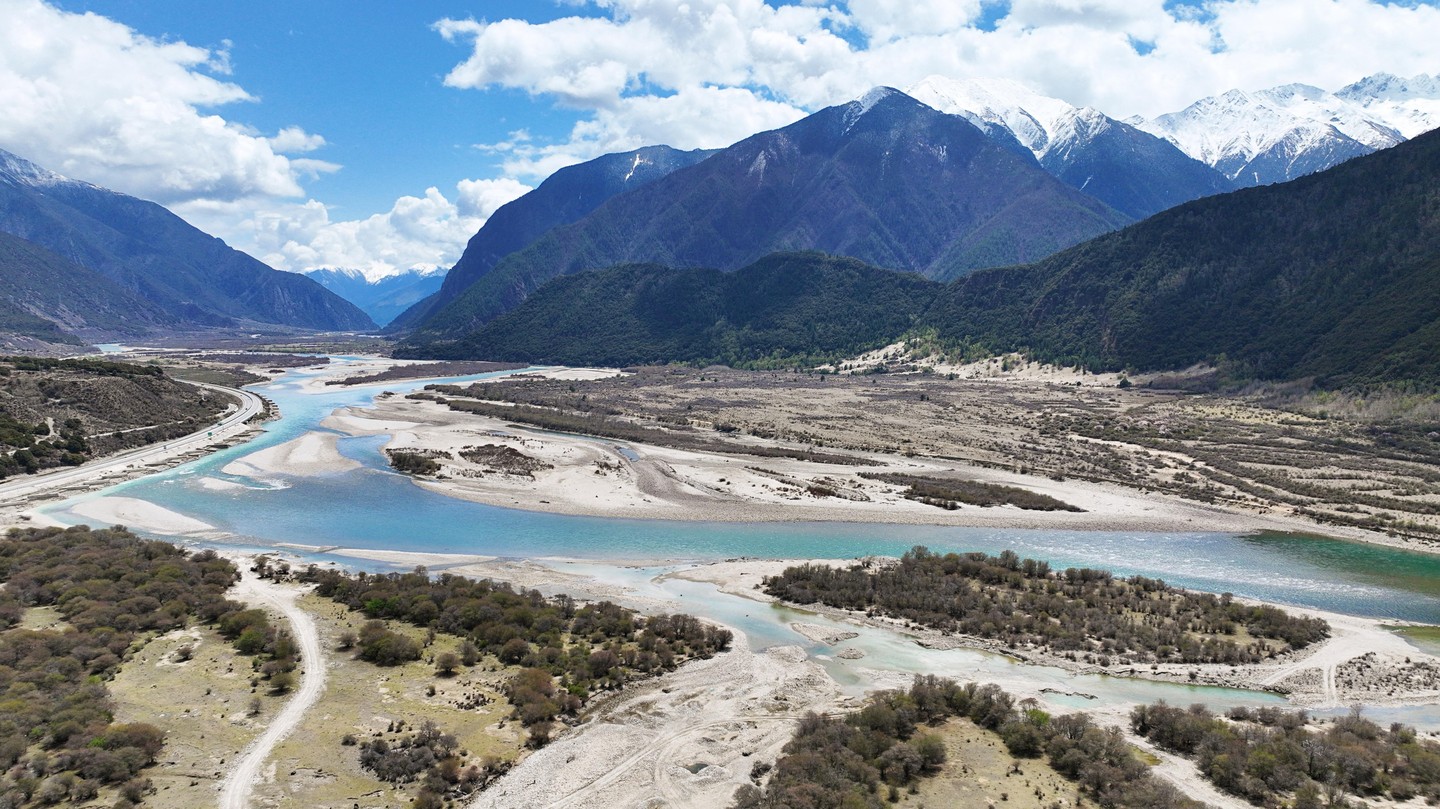
Scientists worked on the Tibetan Plateau, analysing 50 rivers in the headwaters of Asia’s largest river basins. ©L.Zhang

Permafrost is not simply a carbon time bomb

— An EPFL study shows that permafrost thaw not only releases large amounts of carbon but can also trigger processes that remove it from the atmosphere. The study’s findings will help improve climate models.

© 2026 EPFL

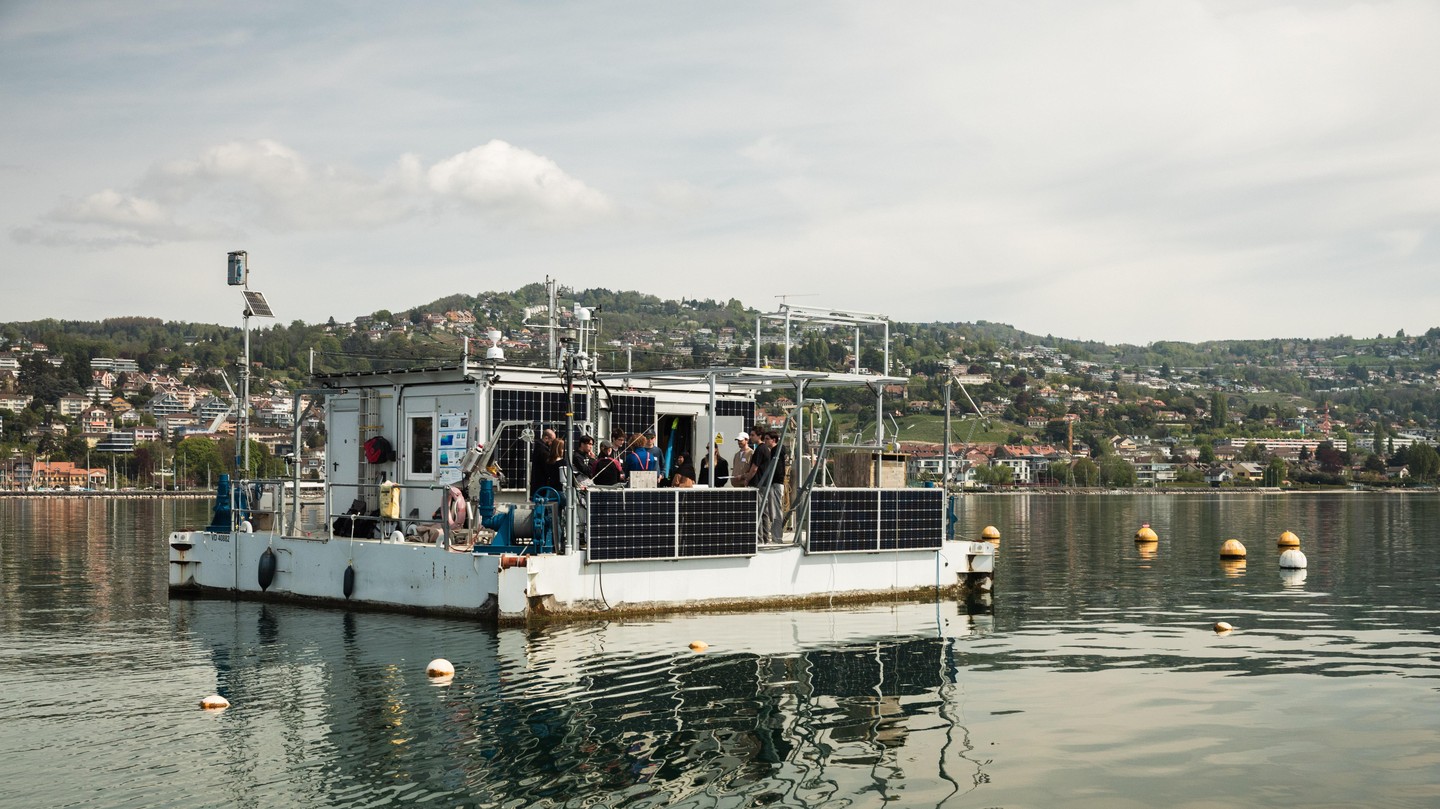
Where water brings together the many facets of science

— LéXPLORE is the most advanced research platform ever built on a lake. It’s equipped with cutting-edge instruments that collect high-resolution data for use in an array of fields.

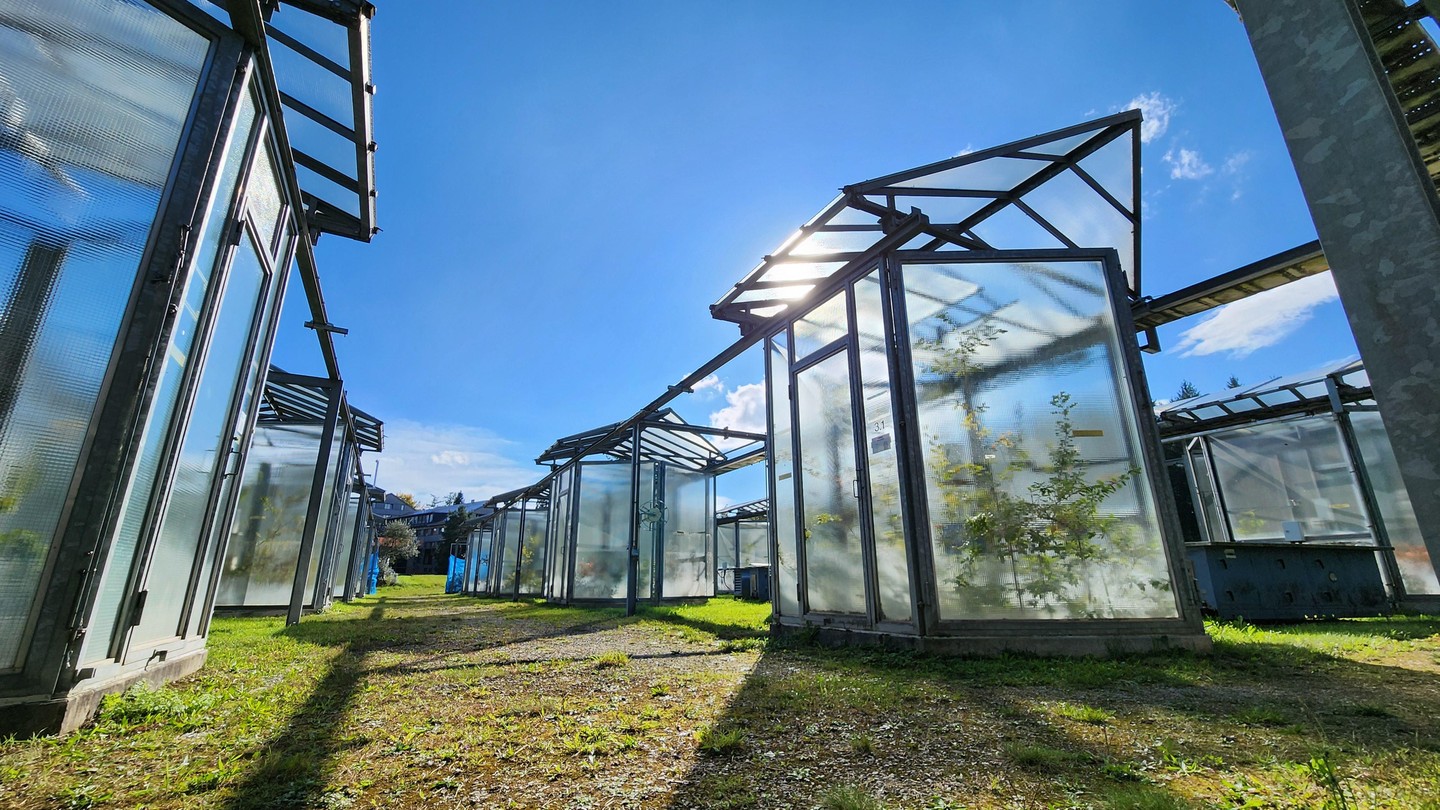
Greenhouses at WSL, at the Modoek facility © 2025 Alyssa Therese Kullberg / EPFL / WSL.

When trees can no longer cool themselves

— For five years, biologists subjected trees to prolonged drought conditions by reducing soil moisture, while also exposing them to experimental warming. Their findings show that trees can tolerate heat as long as sufficient water is available. However, under water stress, they lose their ability to cool themselves, which significantly increases their vulnerability.

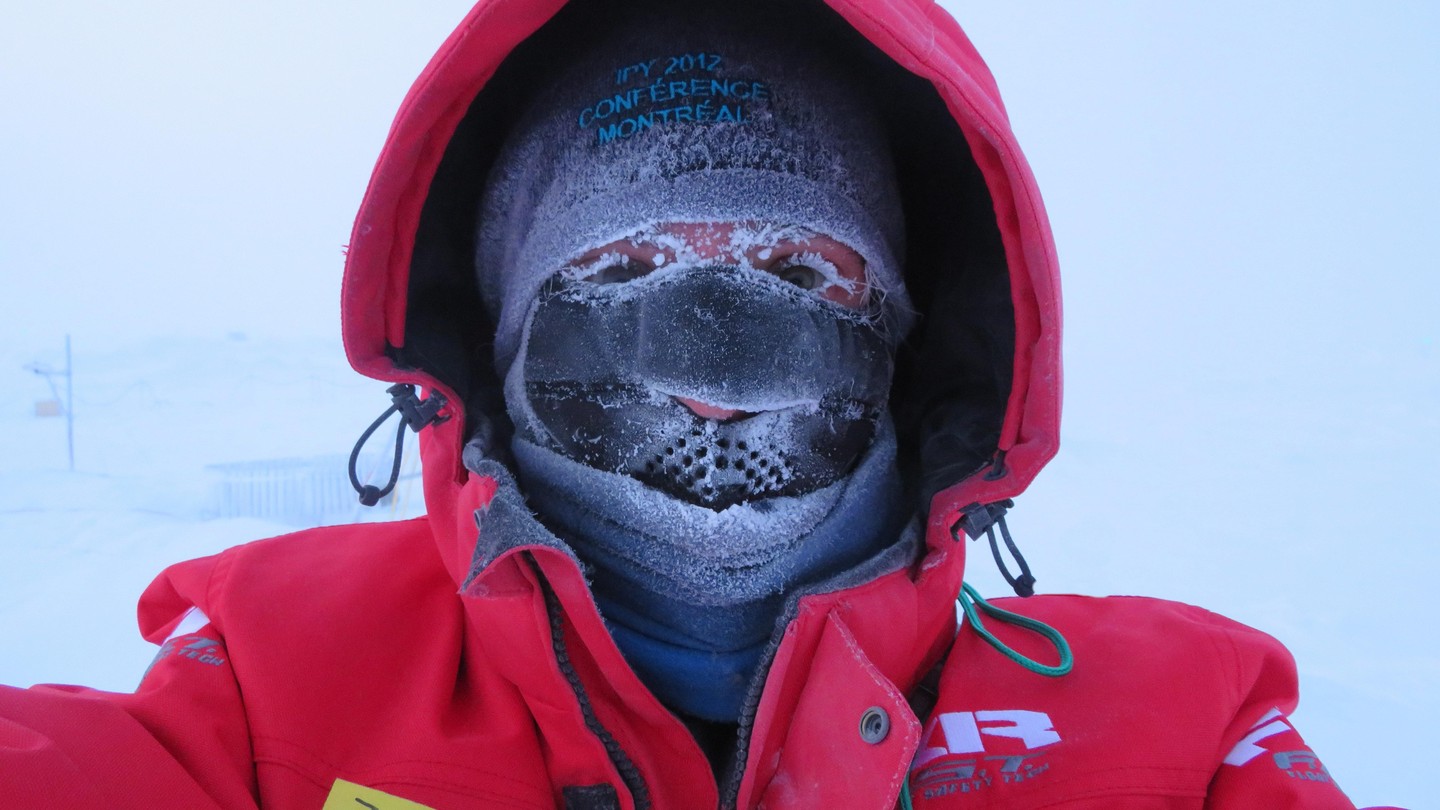
In 2020, Julia Schmale was stranded in the icy Arctic for four months © 2020 EPFL/Julia Schmale

How scientists prepare expeditions in remote environments

— Scientific expeditions require months of planning before scientists can acquire the first data.

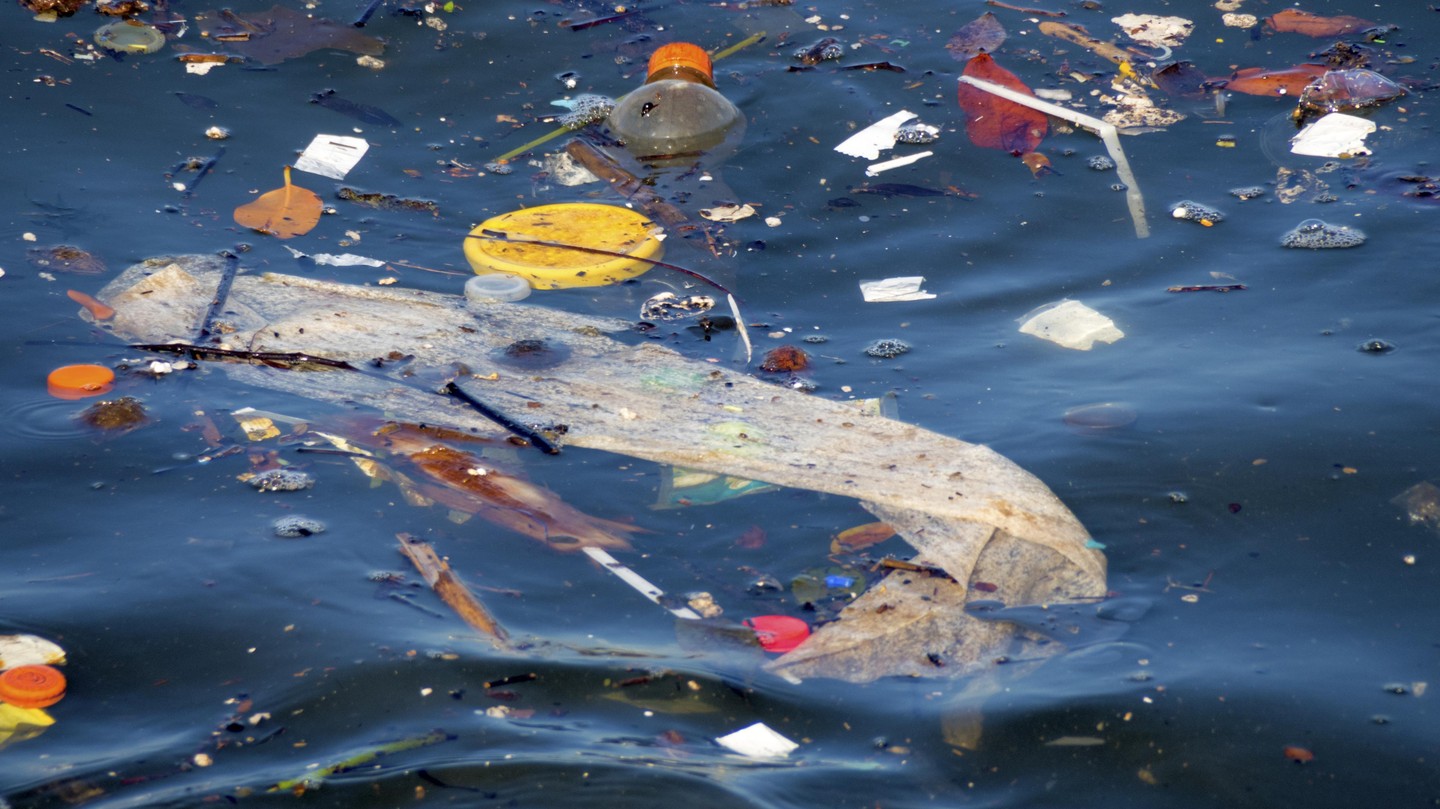
© 2025 iStock

AI helps marine scientists track floating debris from space

— Under the EPFL-led ADOPT project, researchers are combining AI satellite-image recognition with drift prediction models to improve the collection of plastic debris in the ocean. The technology has passed the proof-of-concept stage and is ready for field testing. 

Plastic pollution is everywhere. Today, scientists are working to measure the consequences of this contamination. © iStock

Plastic, plastic everywhere

— Plastic pollution is everywhere – including where you would least expect it, especially when it’s in tiny particle form. Today, scientists are working to measure the consequences of this contamination.

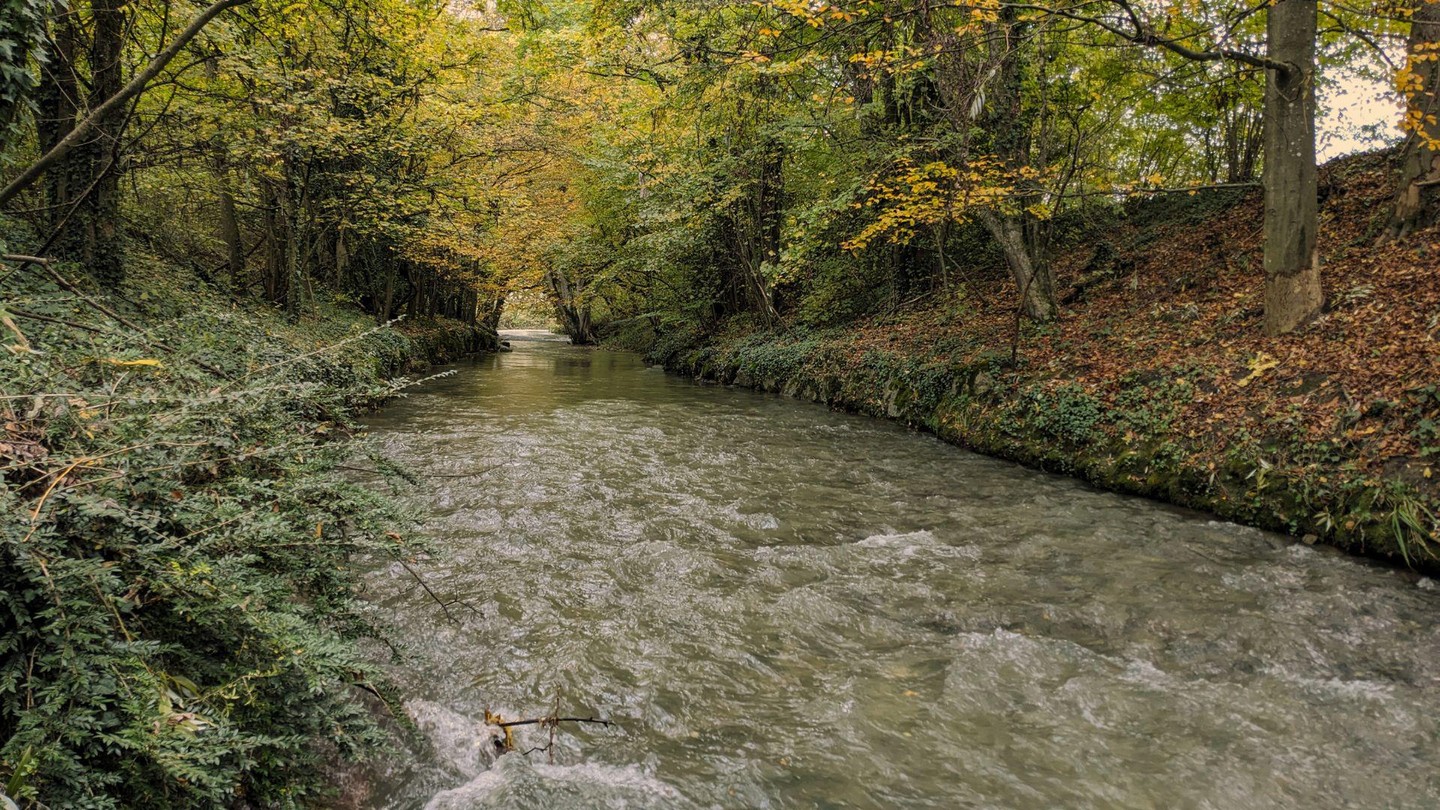
The Chamberonne river flows across both UNIL and EPFL campus. © 2025 UNIL

A scientific network around the Chamberonne river

— Scientists from UNIL, EPFL, and other institutions have joined forces to create a network aimed at turning the Chamberonne river – which flows across their campus – into an open-air observatory. Motivated by the major renaturation works starting next year on campus, the initiative aims to foster research and teaching projects centered on the river. 

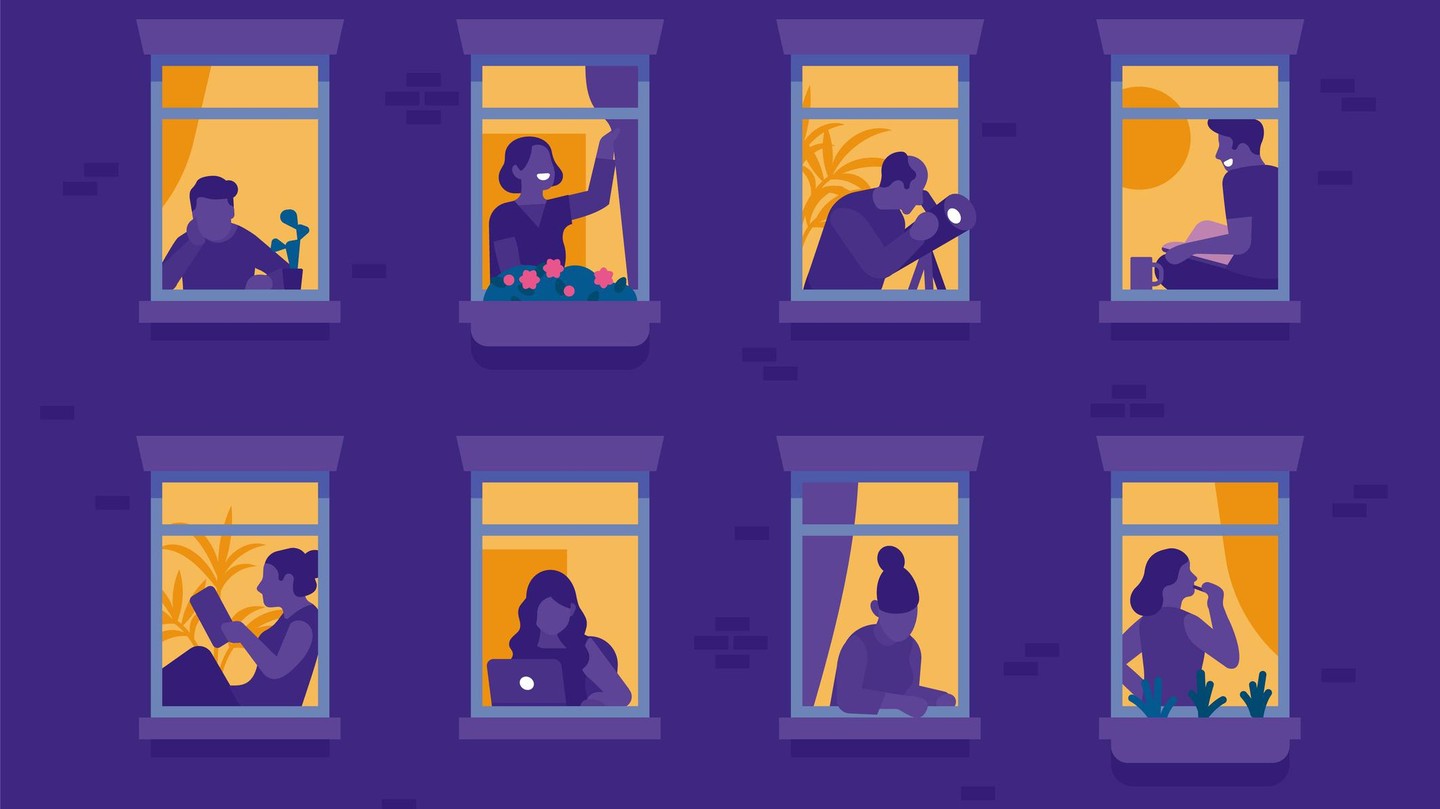
Single-person households account for the largest share of residences in Vaud’s cities. © iStock Photos

Living differently will help reducing your home's carbon footprint

— An EPFL study measured the carbon footprint of 20’000 residential buildings in Vaud Canton. The authors’ findings show that a targeted approach will be key to lowering the emissions associated with residential real estate.

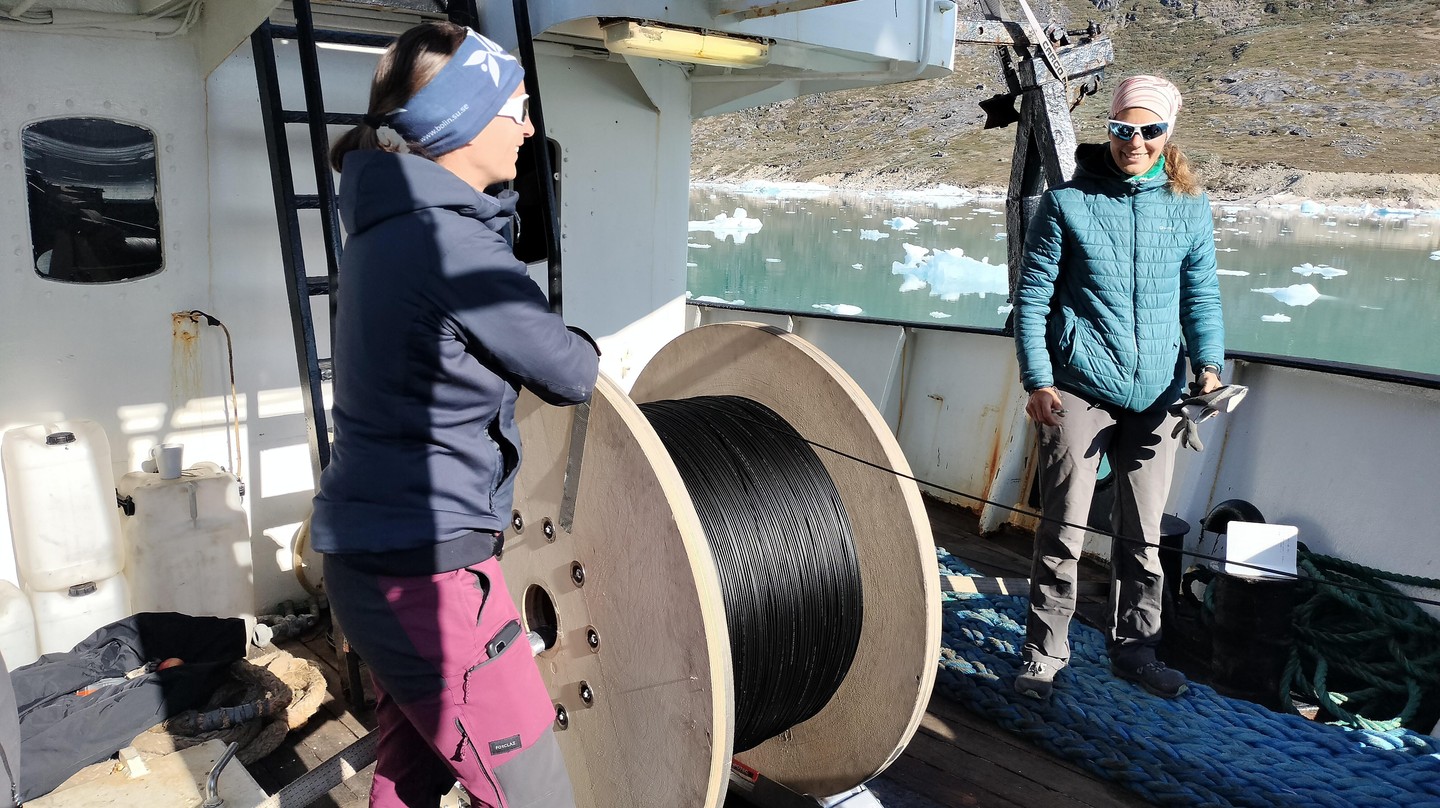
Fiber-optic cable deployment with EPFL assistant tenure track professor Julia Schmale, on the left. © Dominik Gräff

Scientists deployed an innovative fiber optics in Greenland

— As part of the GreenFjord project led by EPFL, scientists have successfully tested a new fiber-optic technology to measure the dynamics of a glacier fjord in southern Greenland.

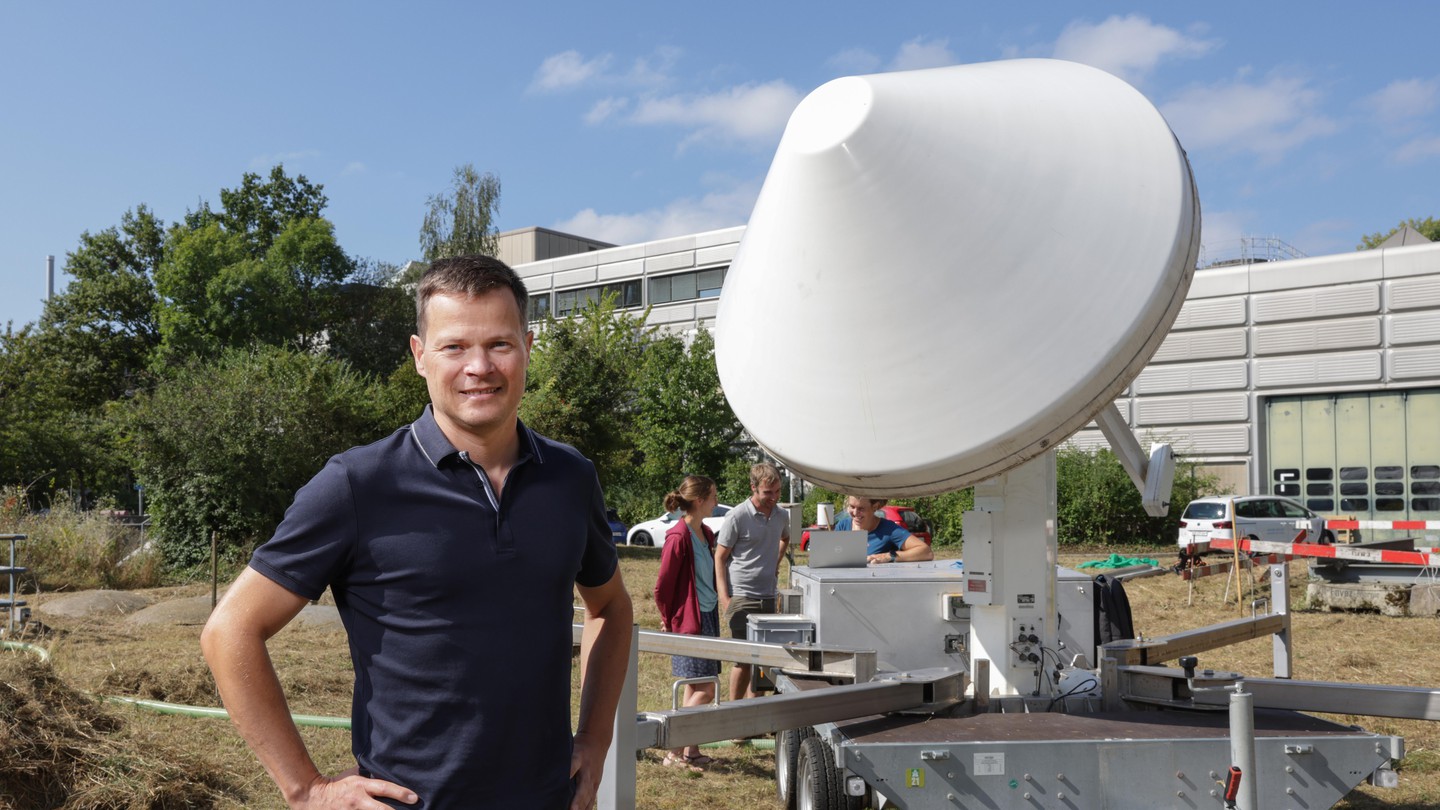
Alexis Berne, meilleur enseignant 2024 de la section Science et ingénierie de l’environnement - 2025 EPFL/Alain Herzog - CC-BY-SA 4.0

“I realized that, in Switzerland, you don't give students a zero!"

— Alexis Berne, an expert in precipitation and weather radars, has no qualms about setting off on research expeditions to the Antarctic. And his extended absences don’t seem to bother his students either, as they named him best teacher for the environmental sciences and engineering section for 2024.

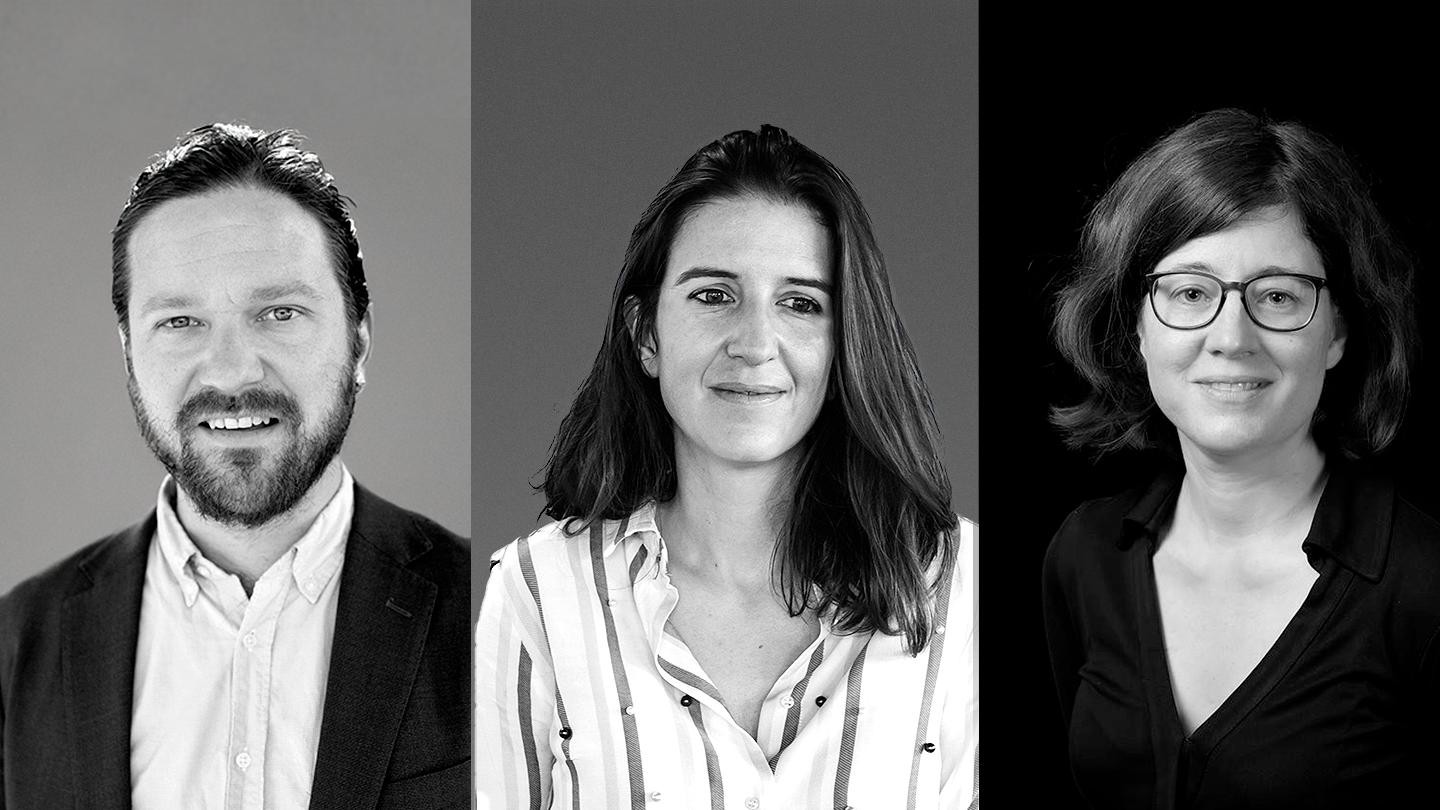
Daniel McCurry, Aziza Chaouni and Katrin Beyer. © 2025 EPFL

Appointments of ENAC professors

— The Board of the Swiss Federal Institutes of Technology has appointed Daniel McCurry as Associate Professor of Water and Wastewater Chemistry and Aziza Chaouni as Tenure Track Assistant Professor of Architecture and Sustainable Construction. Katrin Beyer, currently Associate Professor, was nominated as Full Professor of Civil Engineering. Congratulations to all!

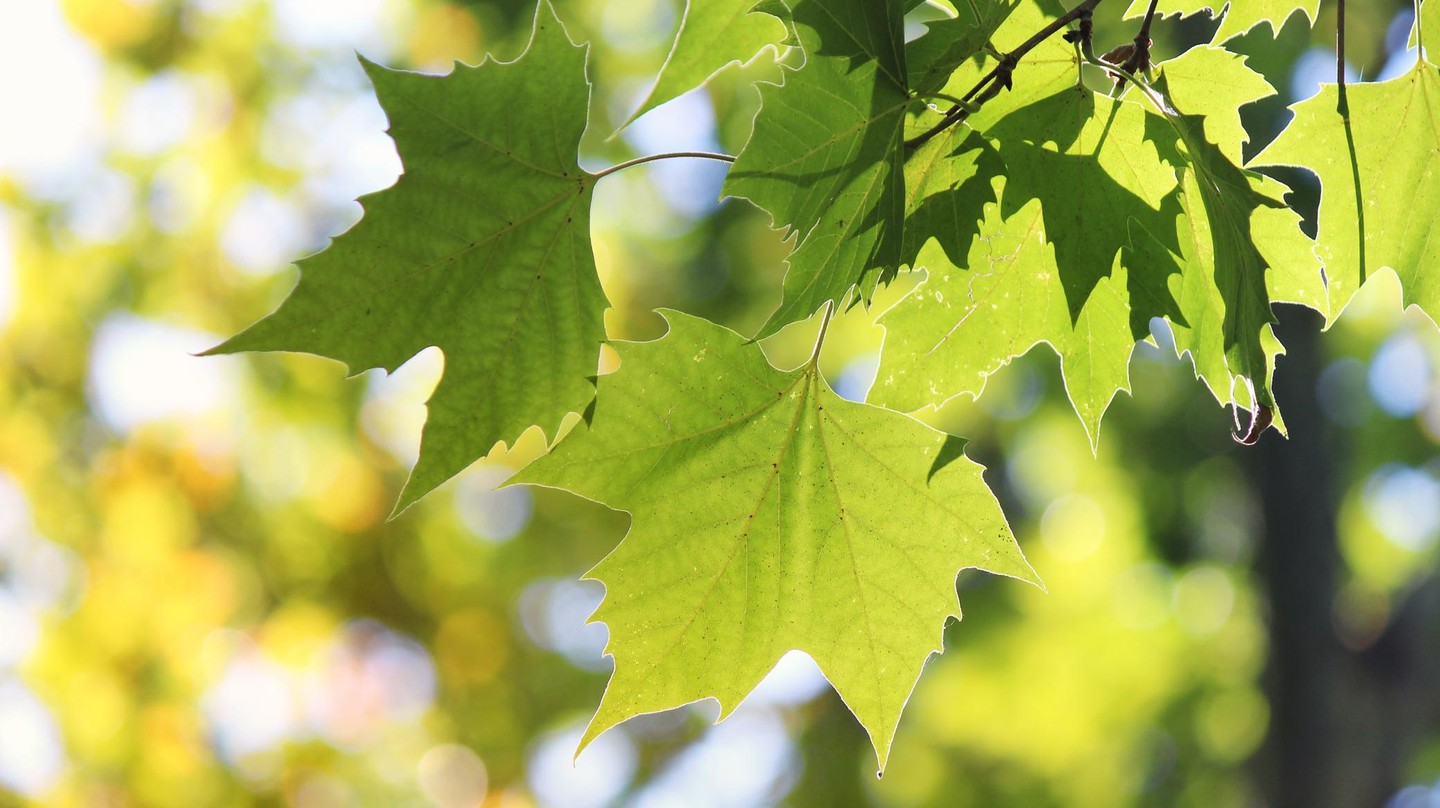
A test was carried out on eight plane trees. ©  srdjan111 /  iStock Photos

City trees provide cooling even in extreme heat

— Plane trees in cities have an important cooling effect even in extreme heat, according to a new study conducted by the Swiss Federal Institute for Forest, Snow and Landscape Research (WSL) and EPFL. The next step is to identify which tree species are particularly effective at cooling.