LIMNO

The Laboratory for Molecular Engineering of Optoelectronic Nanomaterials
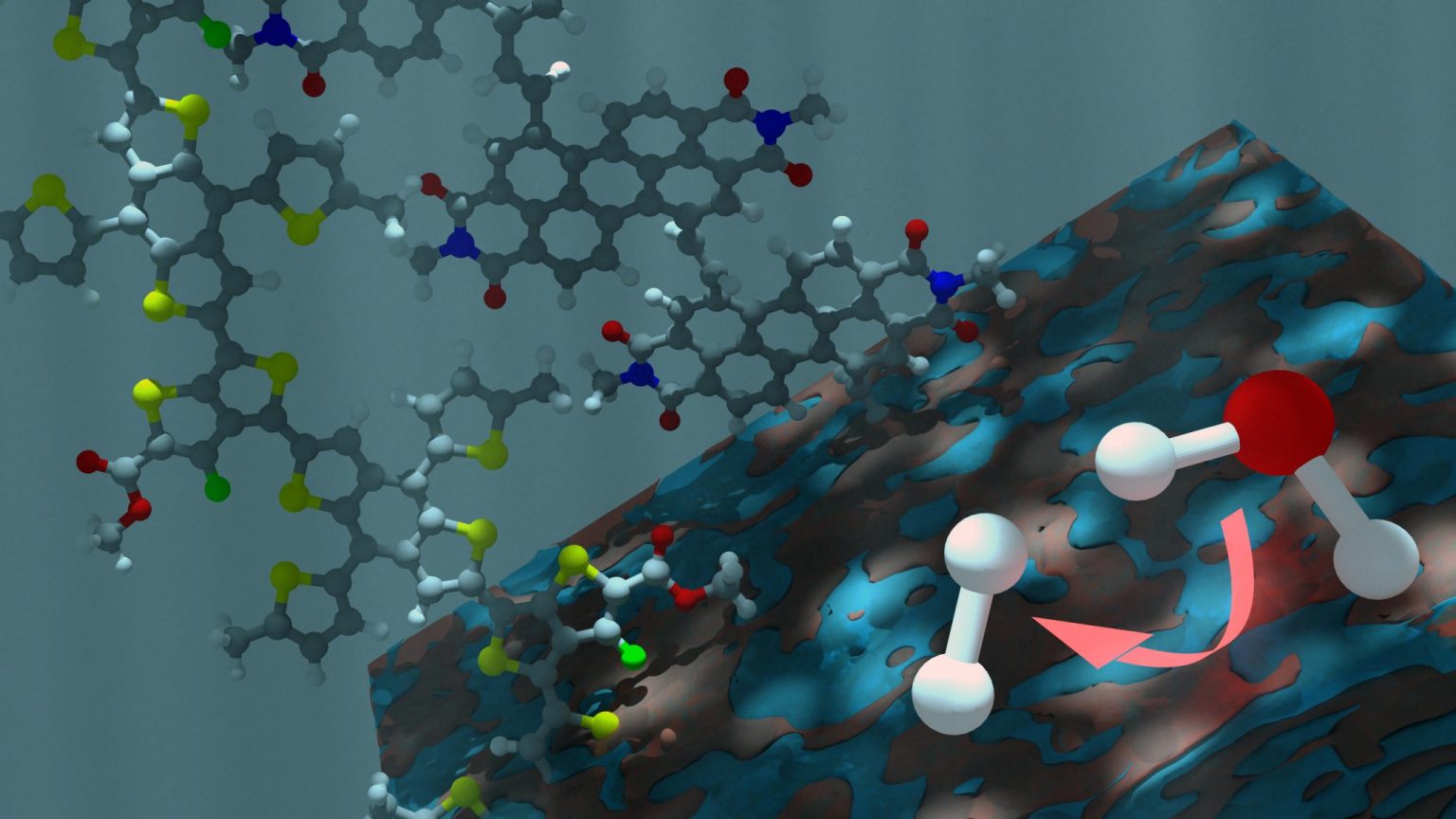
© LIMNO/2021, An organic semiconductor bulk heterojunction photoelectrode
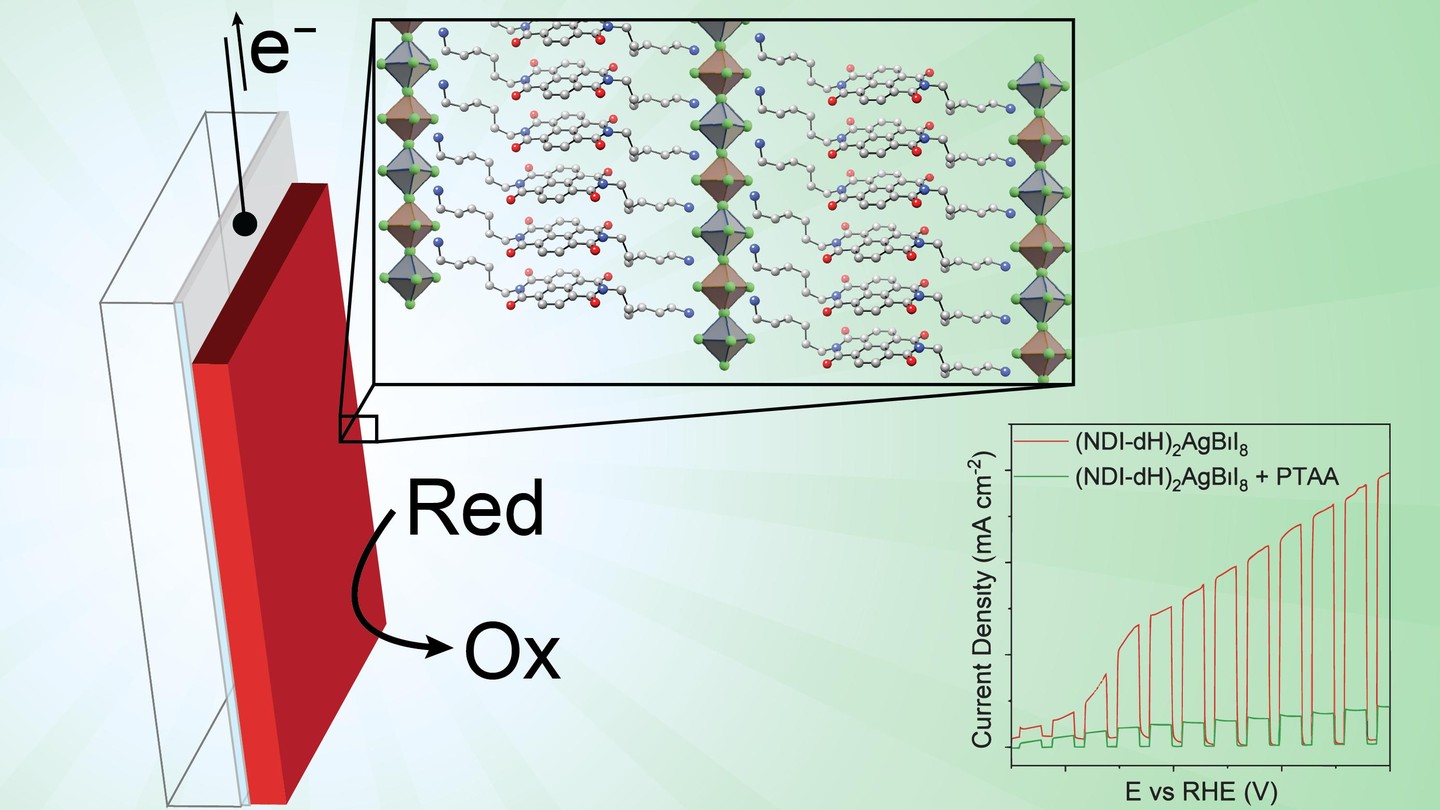
© 2025 EPFLhttps://actu.epfl.ch/public/upload/news/images/d9/6d/5f90b3b1.jpg

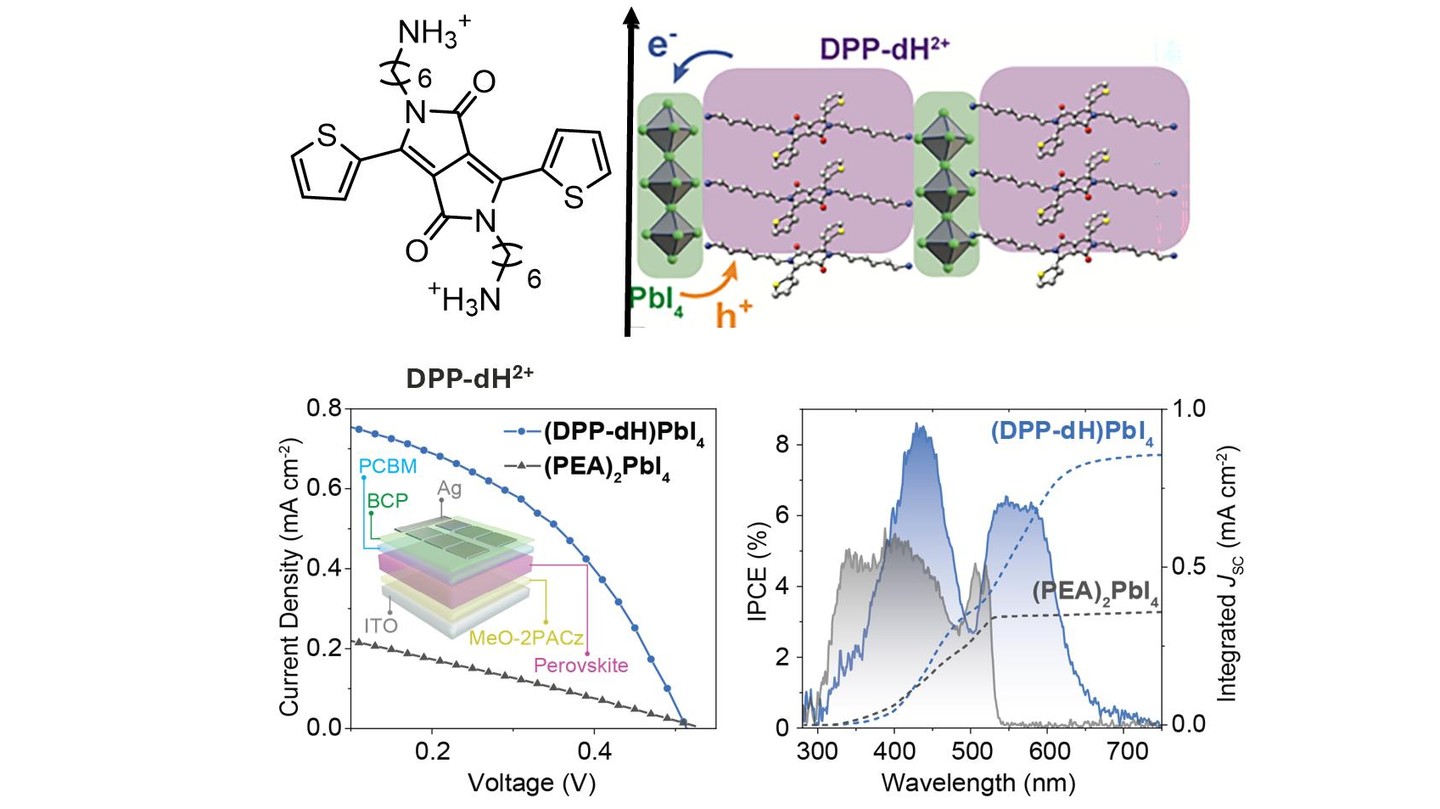
New self-assembled molecular layers for perovskite solar cells

— Research at EPFL, Gyeongsang National University, and Ulsan National Institute of Science and Technology has discovered new charge selective layers that could reduce manufacturing costs while boosting performance of these promising photovoltaics.

© 2025 EPFL

Insights on degradation and regeneration of Ca2Fe2O5 photocathodes

— Iron and Calcium: The Fragile Balance of a Promising Solar Hydrogen Material. New research from LIMNO reveals how calcium–iron oxide photocathodes degrade—and sometimes recover—in solar water-splitting devices.

© 2025 EPFL/A.E.Bouchez

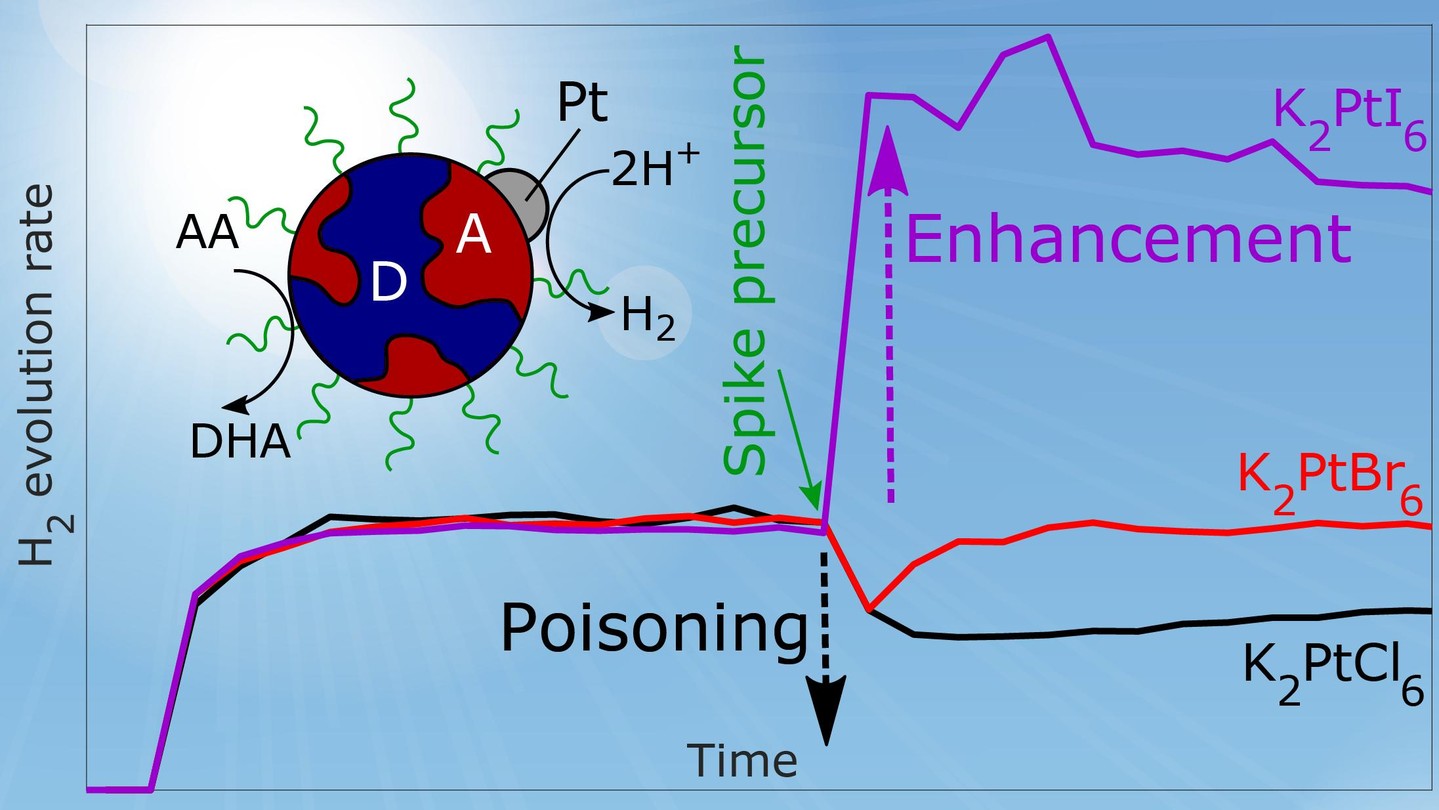
New Insight into Organic Nanoparticle Formation to Improve Solar H2

— EPFL Scientists in the LIMNO lab have uncovered a surprising new way to make nanoparticles from organic semiconductors—materials used in solar cells and other green technologies. These nanoparticles can play a key role in producing clean hydrogen fuel using sunlight, offering a potential path toward more sustainable energy.

© 2025 EPFL

Bulk passivation boosts the performance of perovskite solar cells

— Using TEMPO, a rapid low-energy method is reported by LIMNO and collaborators to boost the durability and efficiency of perovskite solar cells, achieving over 20% efficiency and long-term stability using a simple chemical additive and infrared curing.

© 2025 EPFL

Colin Jeanguenat defends PhD thesis

— And becomes the 20th PhD student to graduate from the LIMNO lab!

All news

Contact LIMNO

Image

Prof. Kevin SIVULA


EPFL SB ISIC LIMNO

Station 6, BĂąt. CH

CH H4 565

1015 Lausanne


Tél.: +41 (0)21 693 79 79

Tél.: +41 (0)21 693 79 78

[email protected]

limno.epfl.ch

  Â