“By linking genes to geography and environment, landscape and seascape genomics uncover how organisms adapt to the worlds they inhabit.”
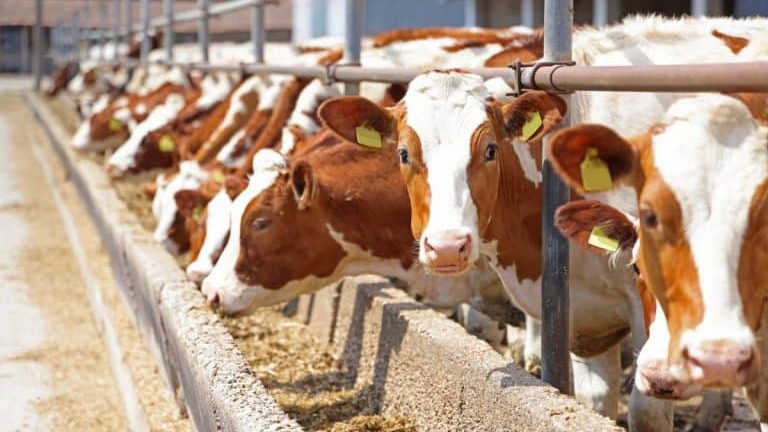
Landscape genomics is an interdisciplinary field that combines population genomics, ecology, geography, and spatial statistics to investigate how environmental and geographic features influence genetic variation across terrestrial landscapes. By analyzing genome-wide genetic data alongside environmental variables such as climate, topography, habitat type, and land use, landscape genomics aims to identify the factors that shape population structure, gene flow, and local adaptation. This approach helps us understand how organisms respond to environmental heterogeneity and how evolutionary processes operate across space.
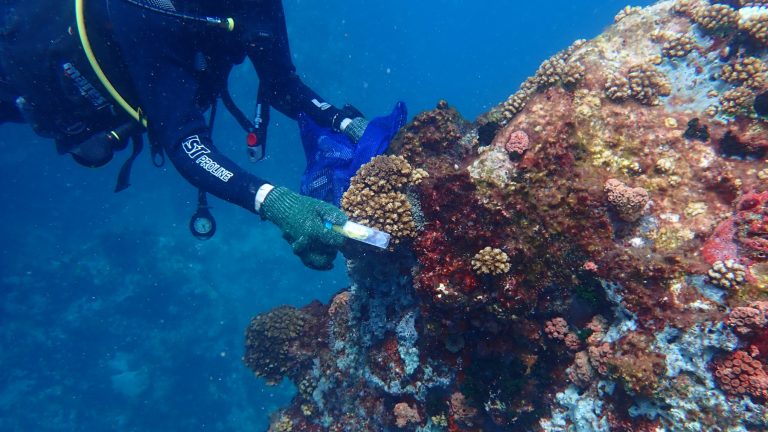
Seascape genomics is the marine counterpart of landscape genomics, focusing on how oceanographic and environmental conditions influence genetic variation and adaptation in marine organisms. It integrates genomic data with variables such as ocean currents, temperature, salinity, depth, productivity, and habitat distribution to examine patterns of connectivity, population structure, and adaptive evolution in the sea. Because marine environments are highly dynamic and often lack obvious physical barriers, seascape genomics provides valuable insights into how dispersal, environmental gradients, and oceanographic processes shape the evolutionary trajectories of marine populations.