
EDIC – Computer and Communication Sciences
About the program
The EDIC program offers training to ambitious and talented individuals who aspire to be at the core of the ongoing technological revolution, where information is driving innovation. Students collaborate with internationally recognized, award-winning faculty and benefit from the vibrant intellectual environment, the generous resources, and the exceptional network of academic and industrial partners.
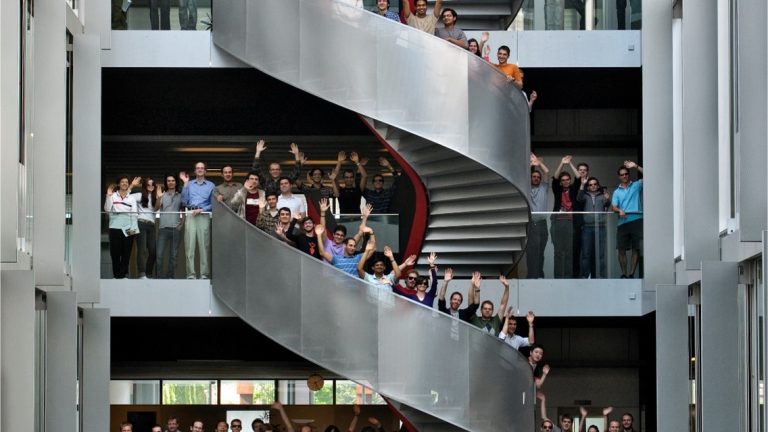
We value a working culture of close interaction between students and faculty, where collaborations foster an interdisciplinary approach to the next great challenge in the broad field of computer science. The diversity and ambition of the student body is on par with top research universities worldwide, and our students compete for, and are recognized internationally by prestigious industrial PhD fellowships and awards. The program alumni pursue stellar international careers in academia, industrial leadership or entrepreneurial ventures.
Applying to EDIC
The admission process is centralized and is very competitive to grant access to the best candidates.
Deadlines: Applications must be submitted prior to December 15 (starting from 2026, the deadline will be December 1, 23:59 CET) to enroll the following September. A second, smaller round of admission is available mainly for local applicants, with a deadline on April 15.
Fellowship program: The fellowship program is a unique feature of EDIC. During their 1st year, PhD candidates are given the opportunity to explore different fields before deciding on one preferred area of research focus.
- The main application deadline is December 15: this allows the candidates who are selected for a fellowship to attend the EDIC Open House
- Check out the specific requirements and application details on the how to apply webpage
- Check out the online application guide edited by our PhD students association (EPIC)
- To apply to this doctoral program, you have to complete and submit an online application form
For further information on the EDOC admission criteria and application procedures visit the webpage.
Inspiring Journeys: Meet Our EDIC PhD Graduates
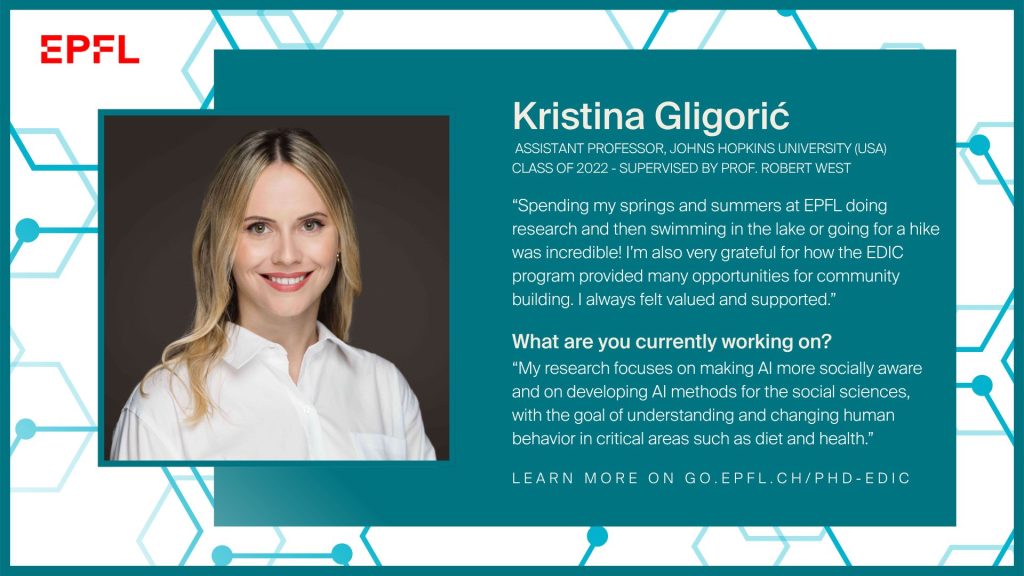


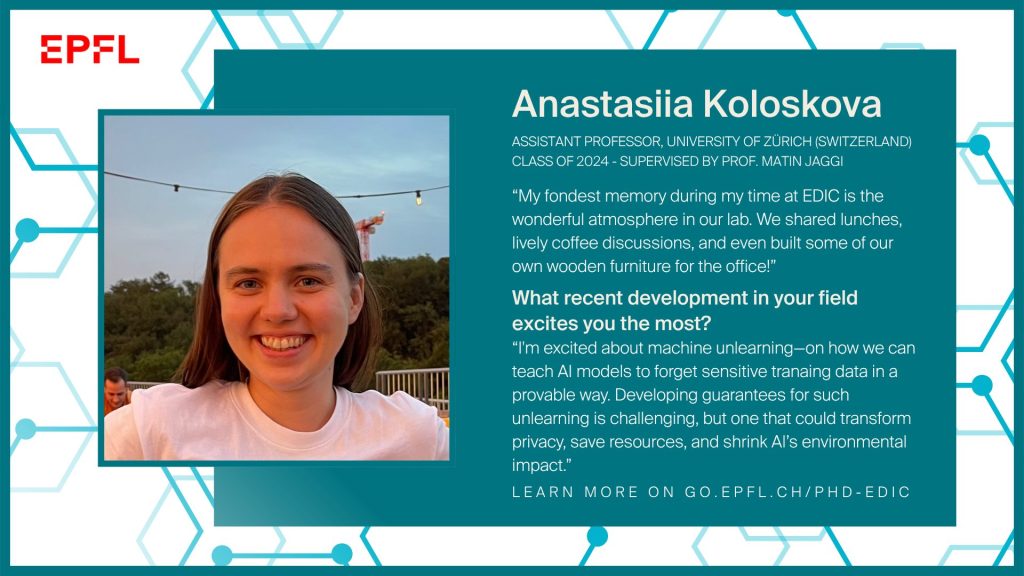
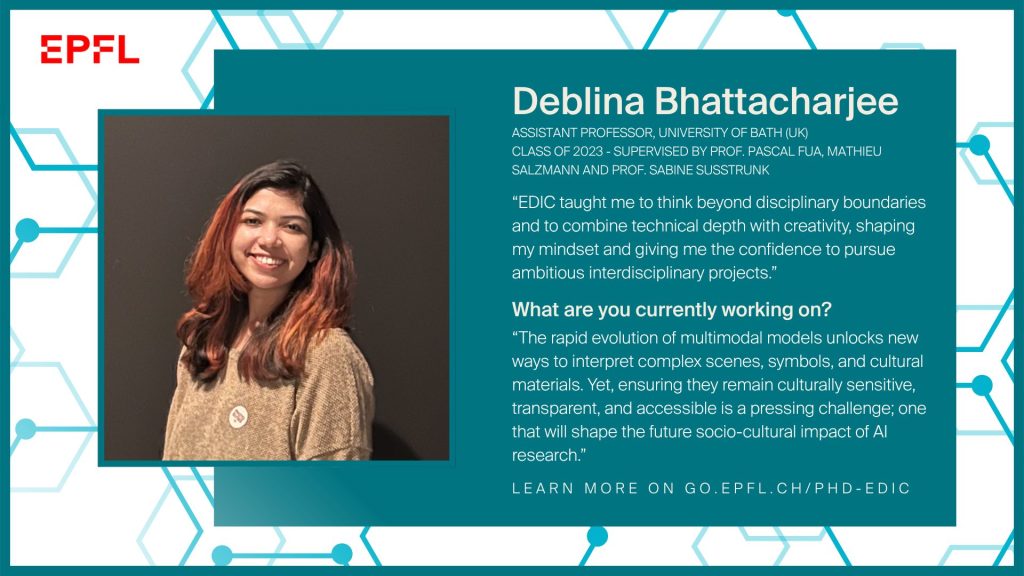
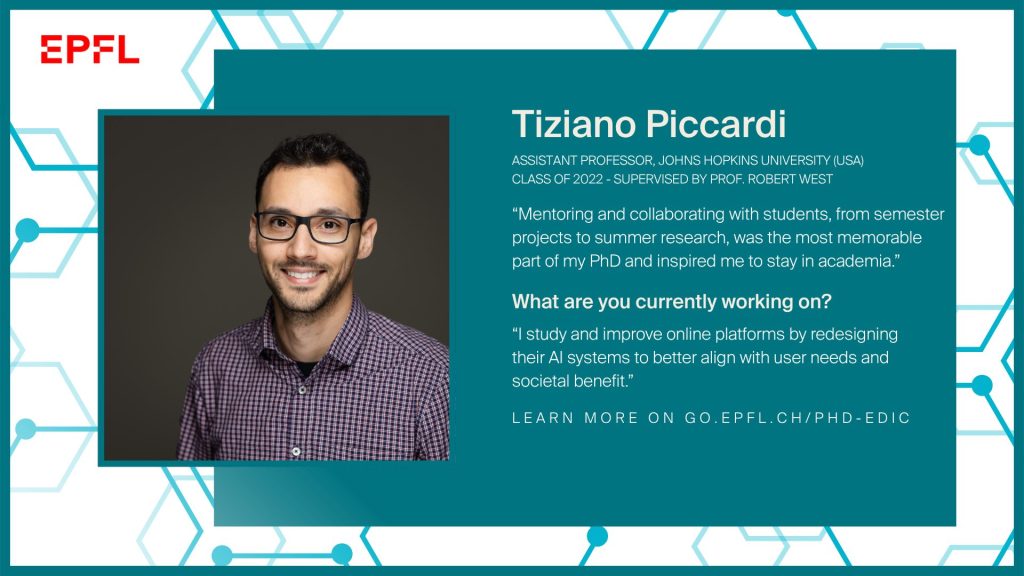
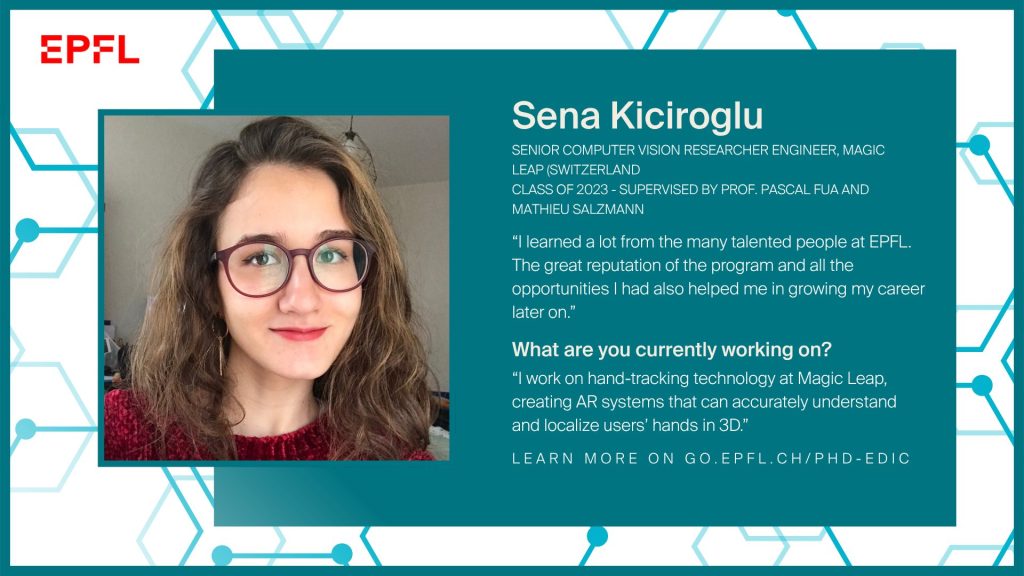




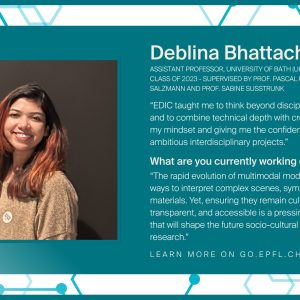
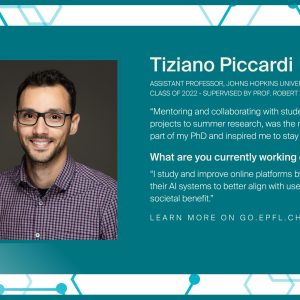

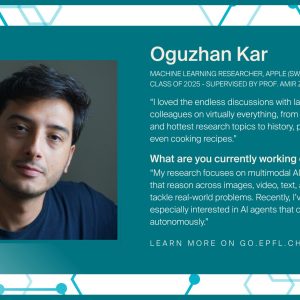


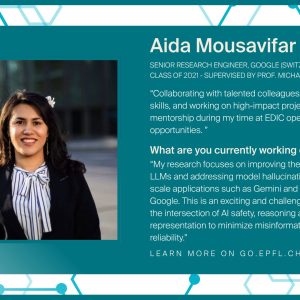
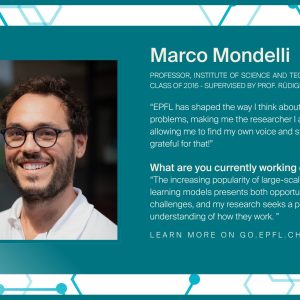
Check out our 2025 Campaign on LinkedIn!

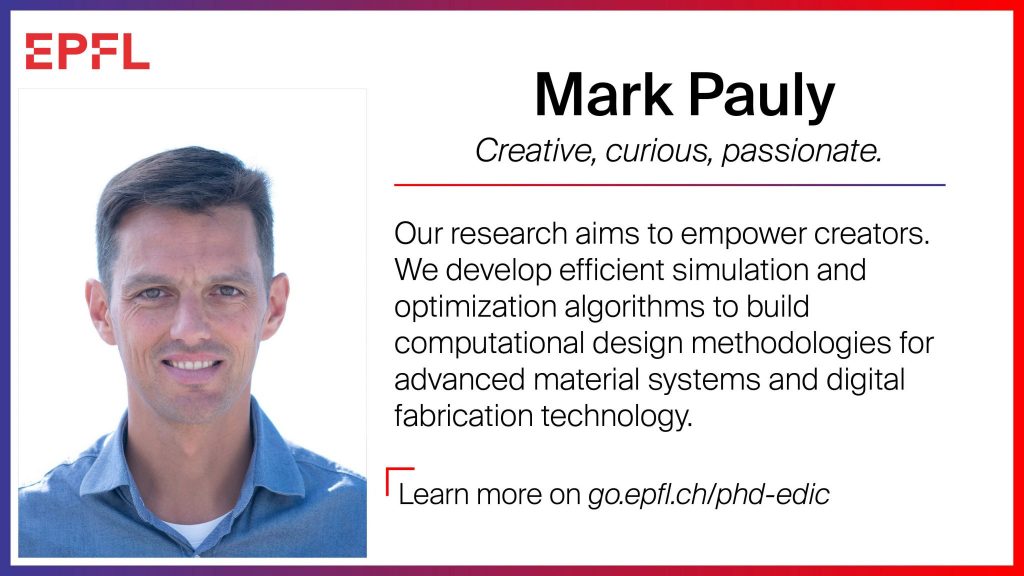
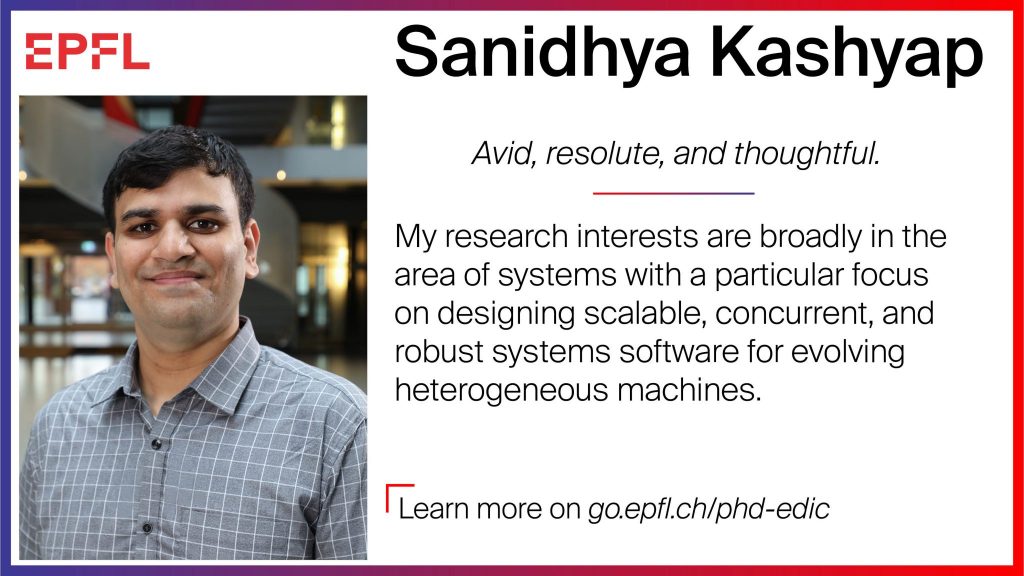
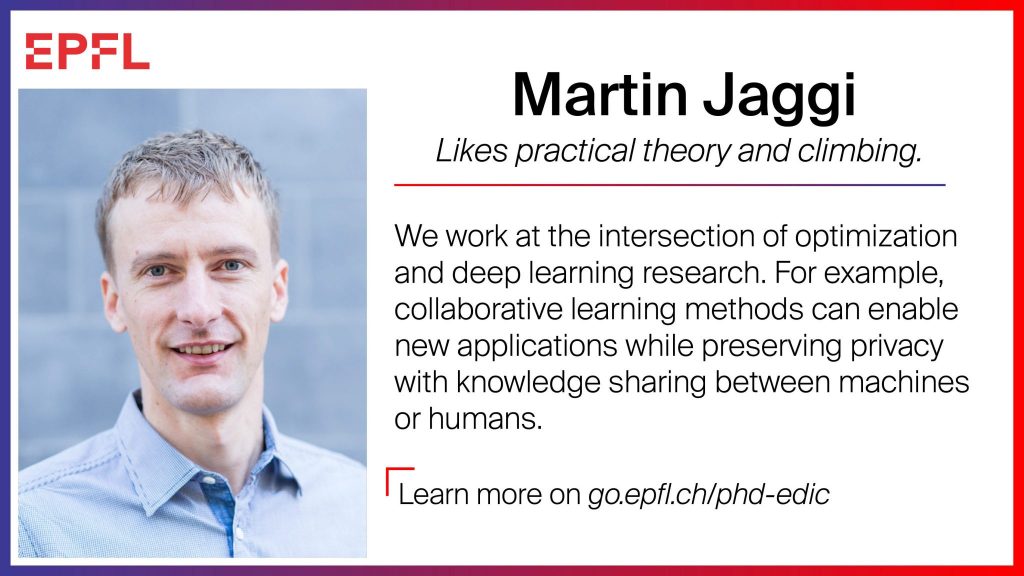
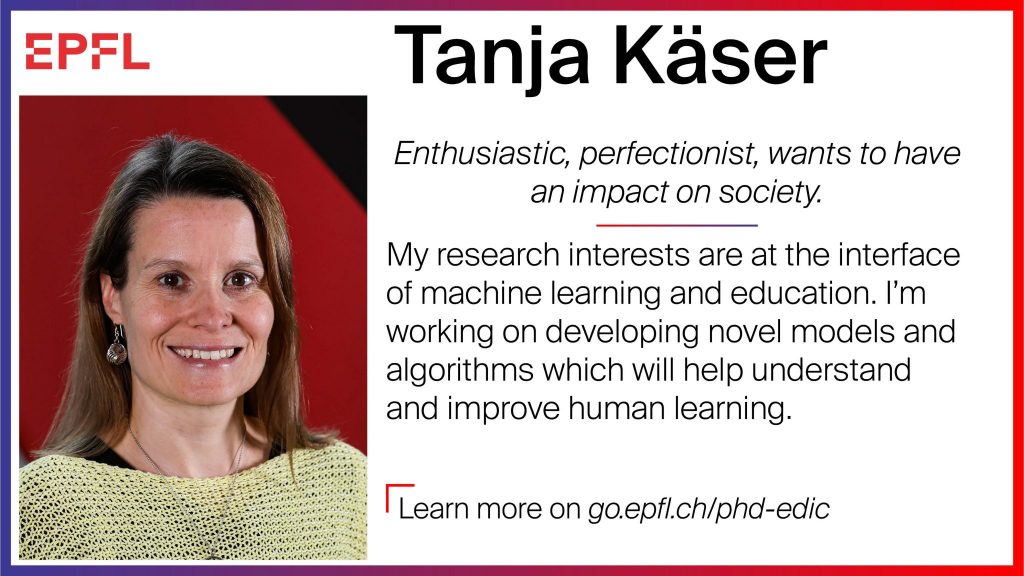
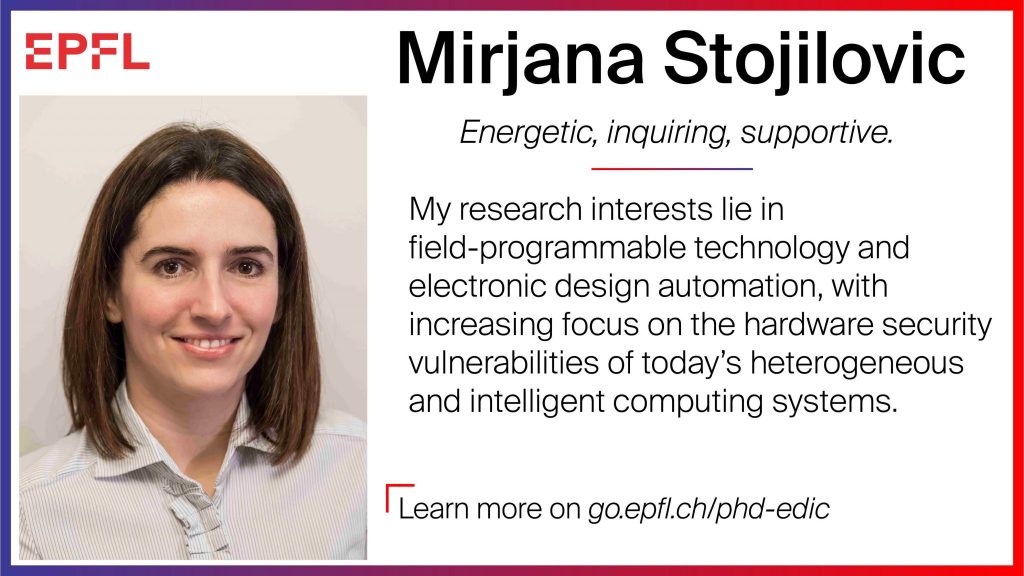
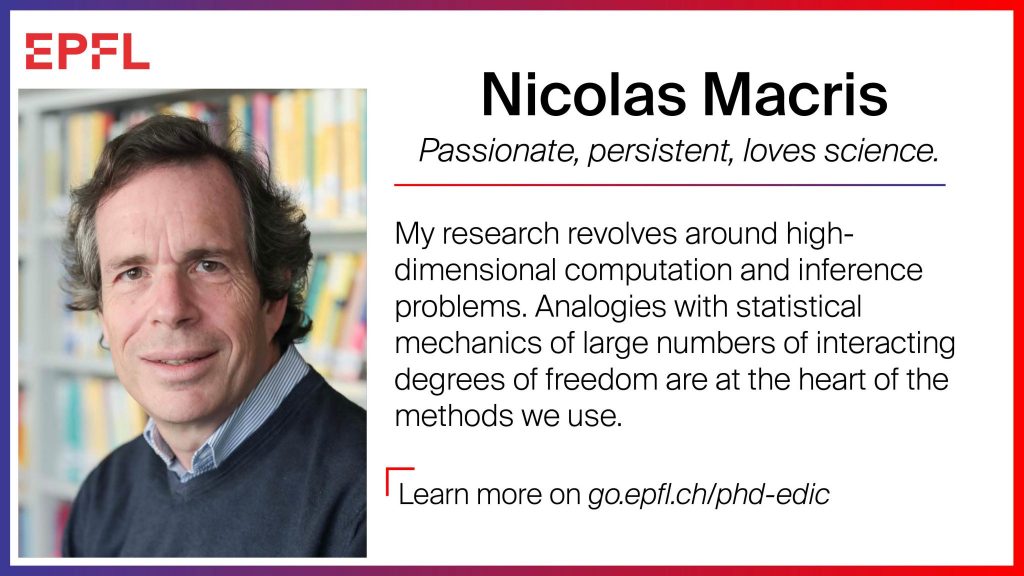
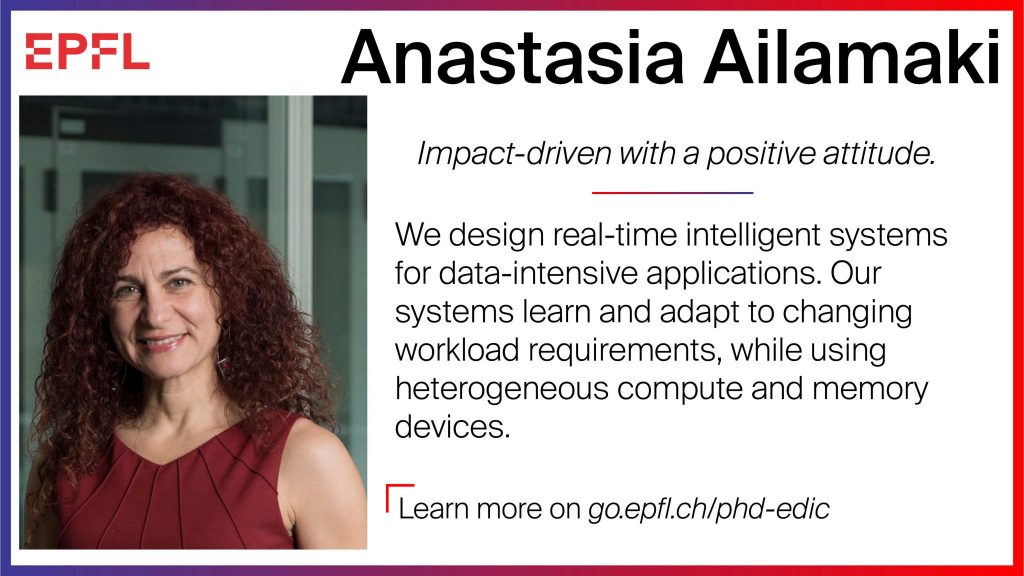
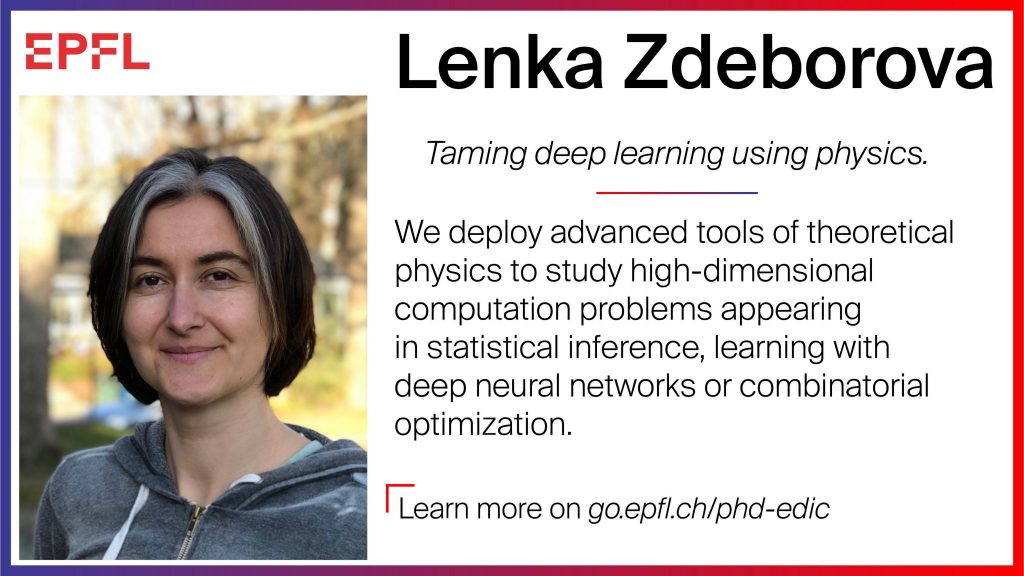
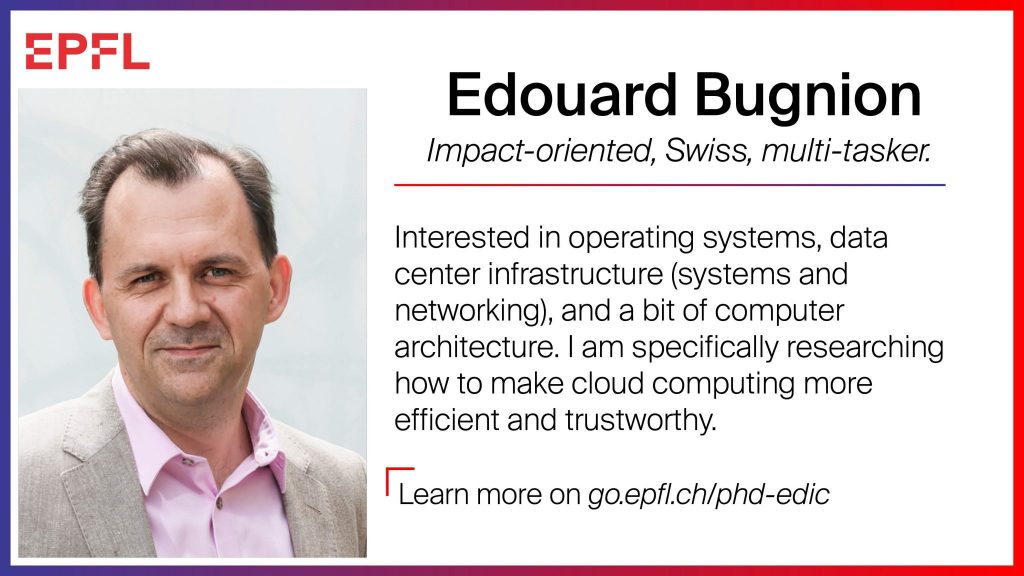
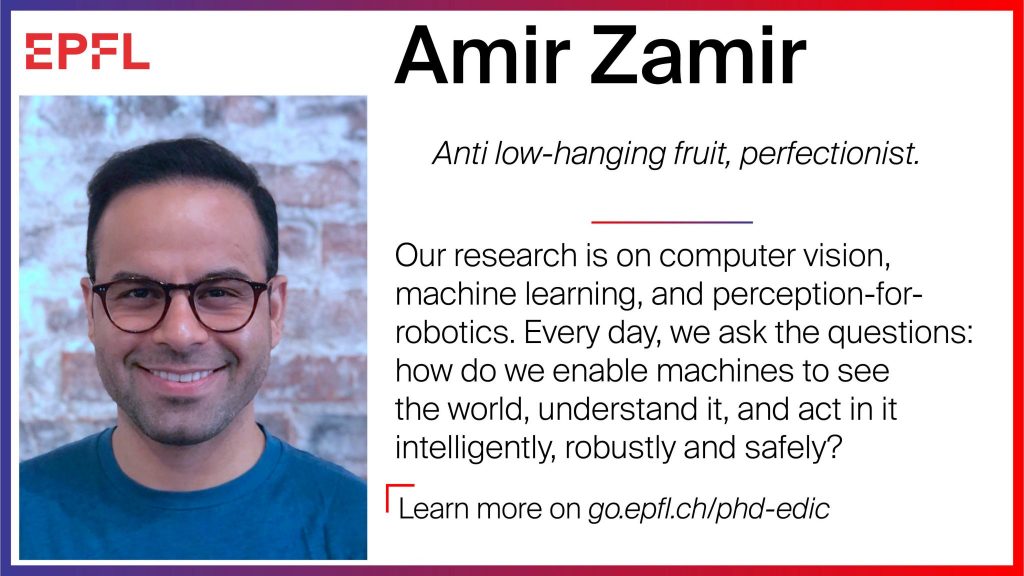
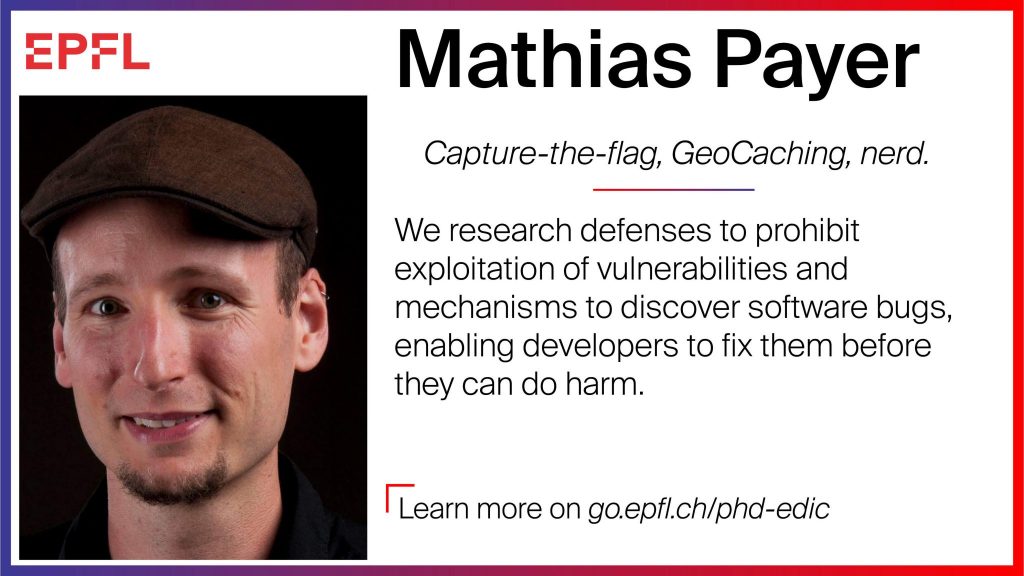
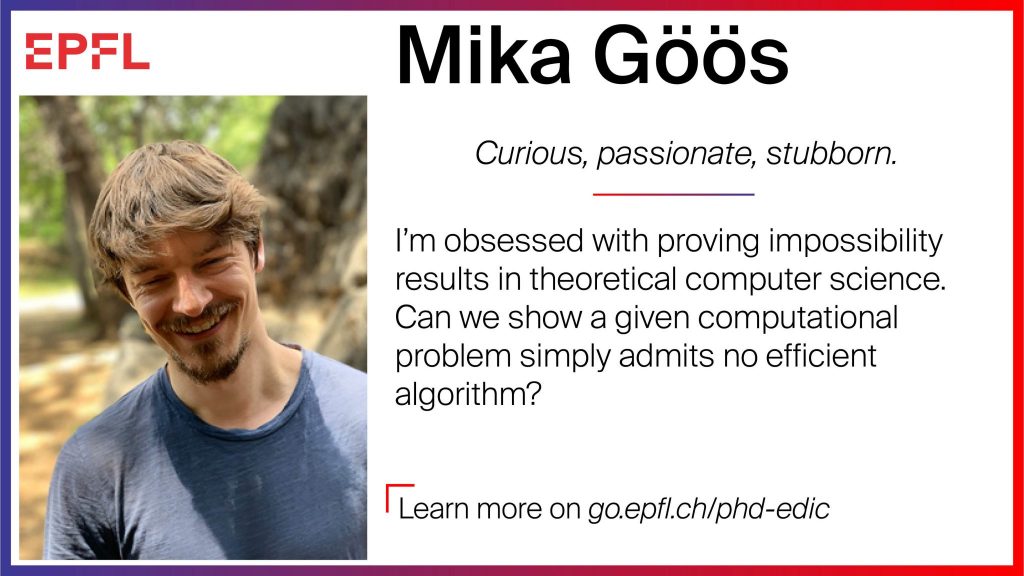
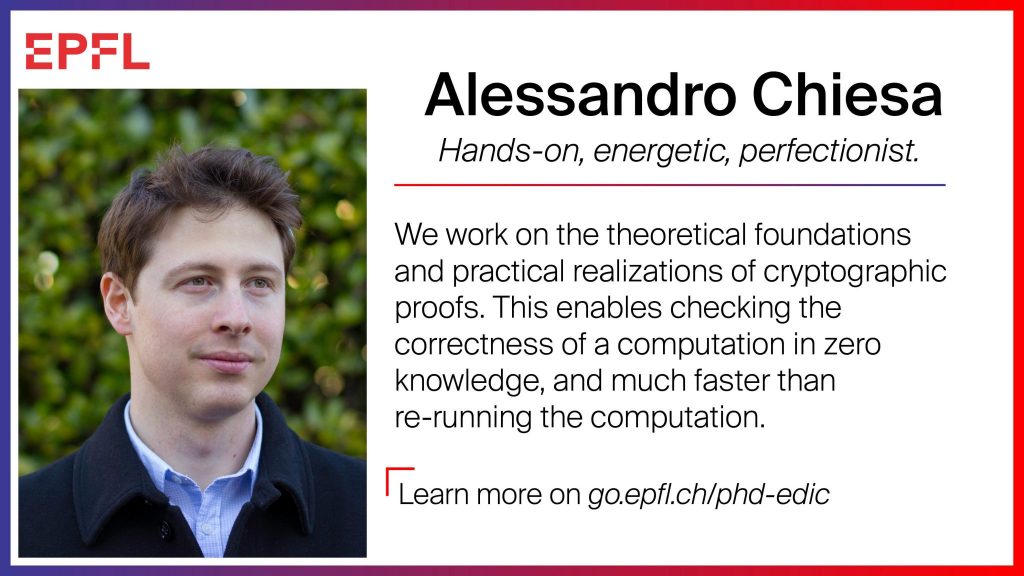
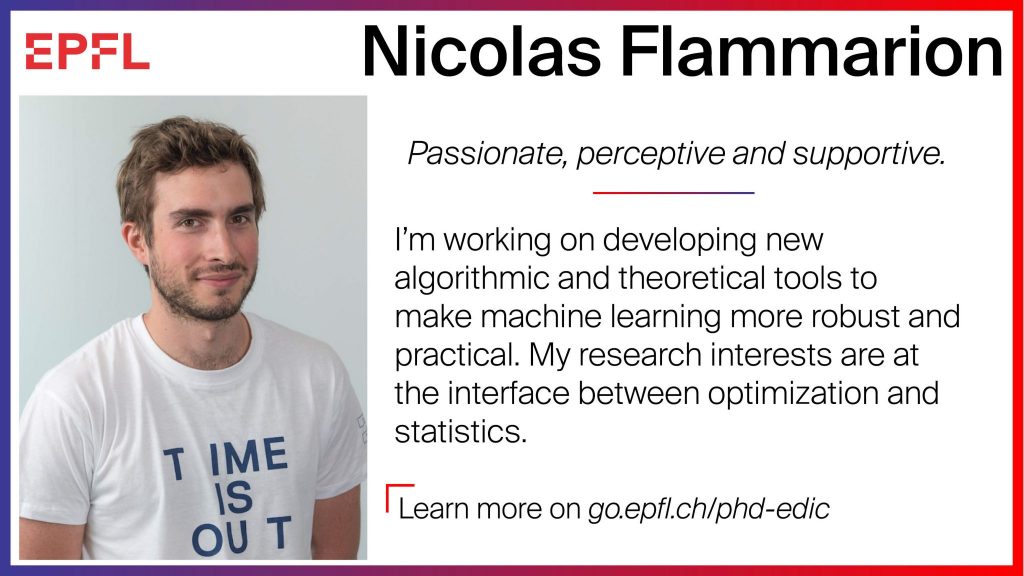
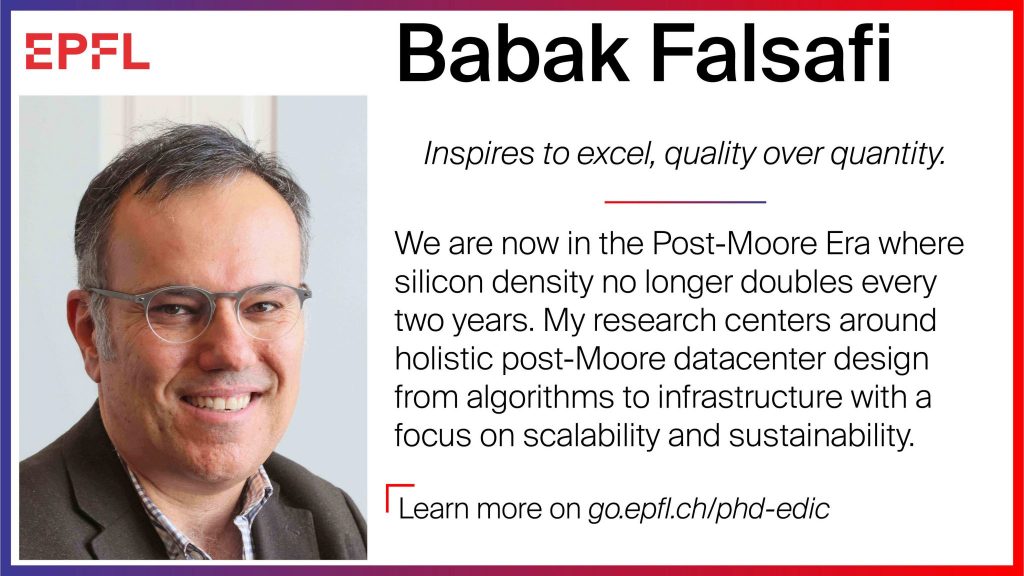
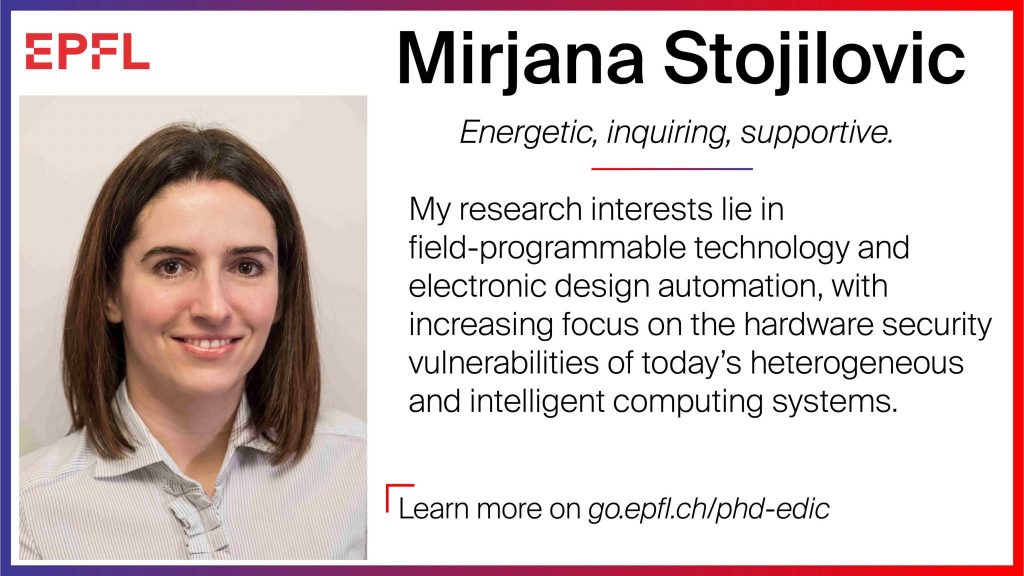
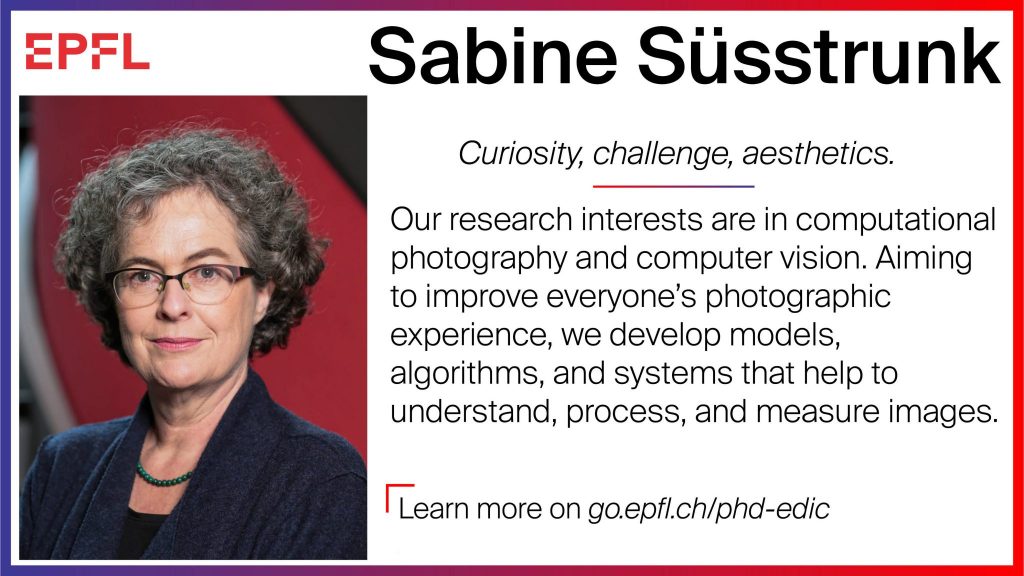
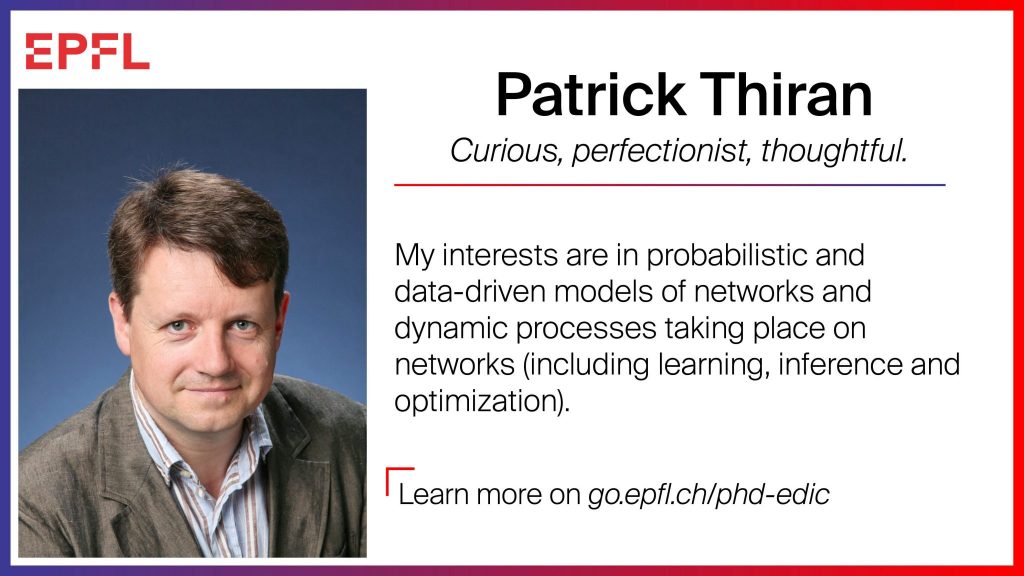
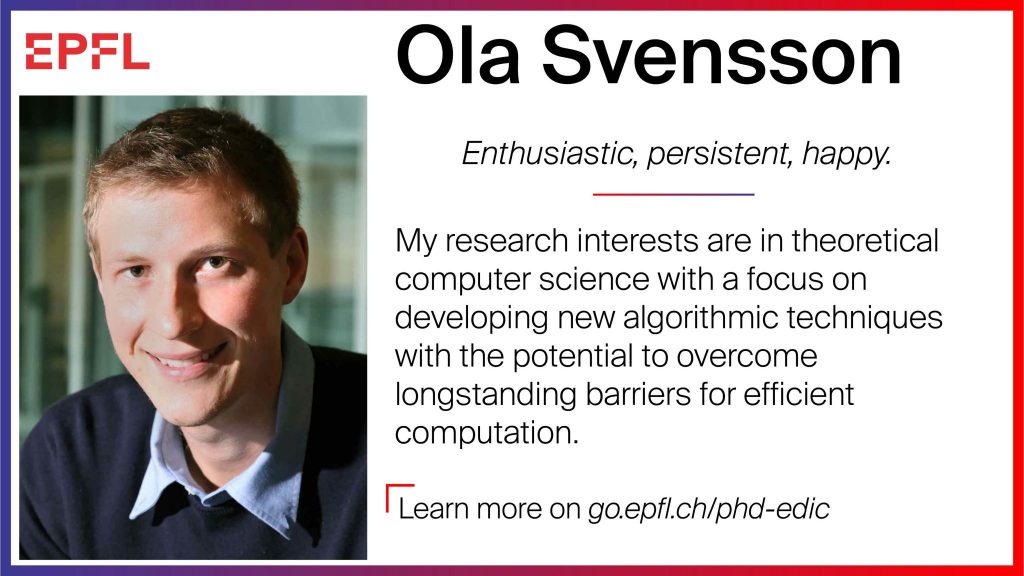
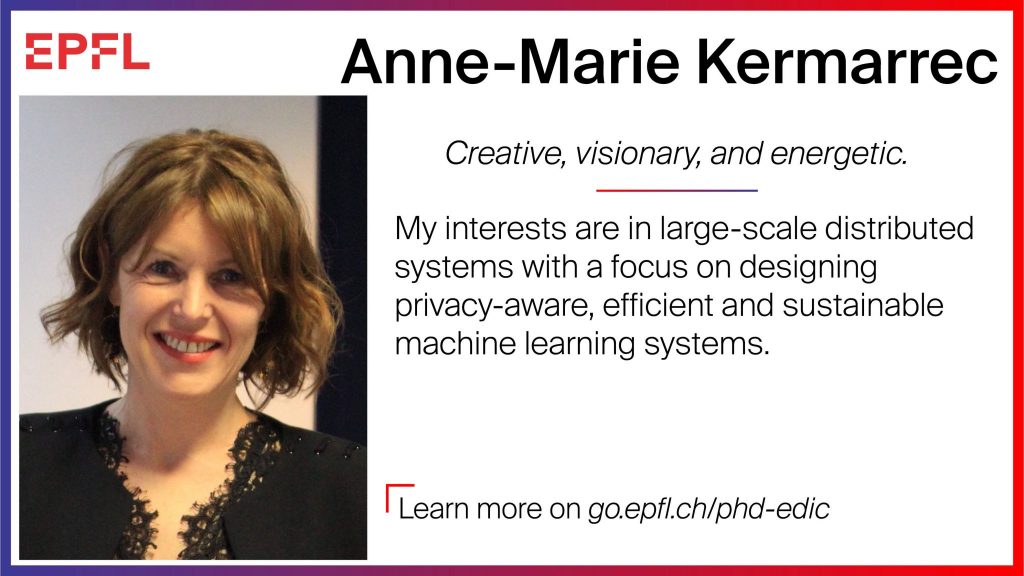
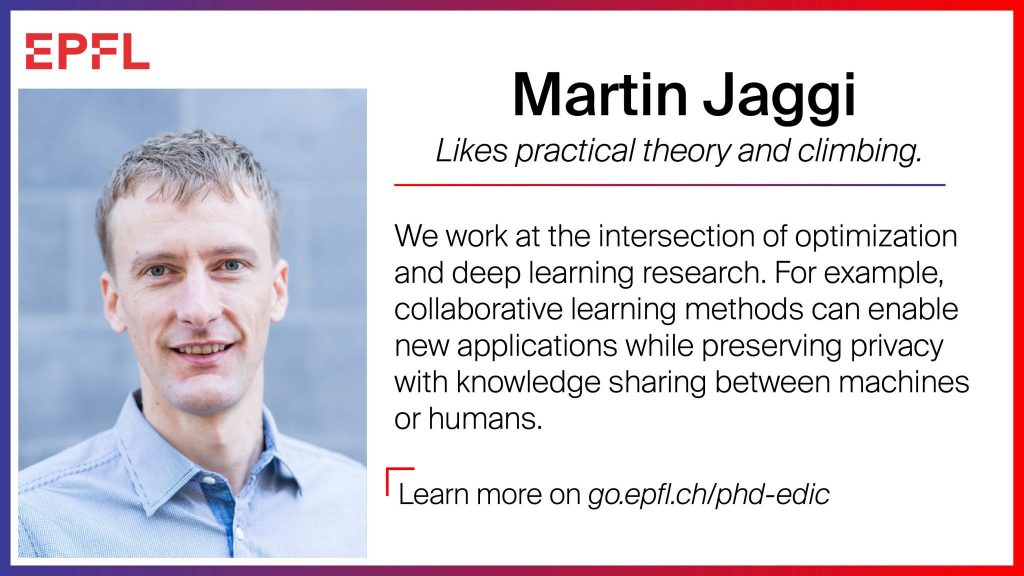
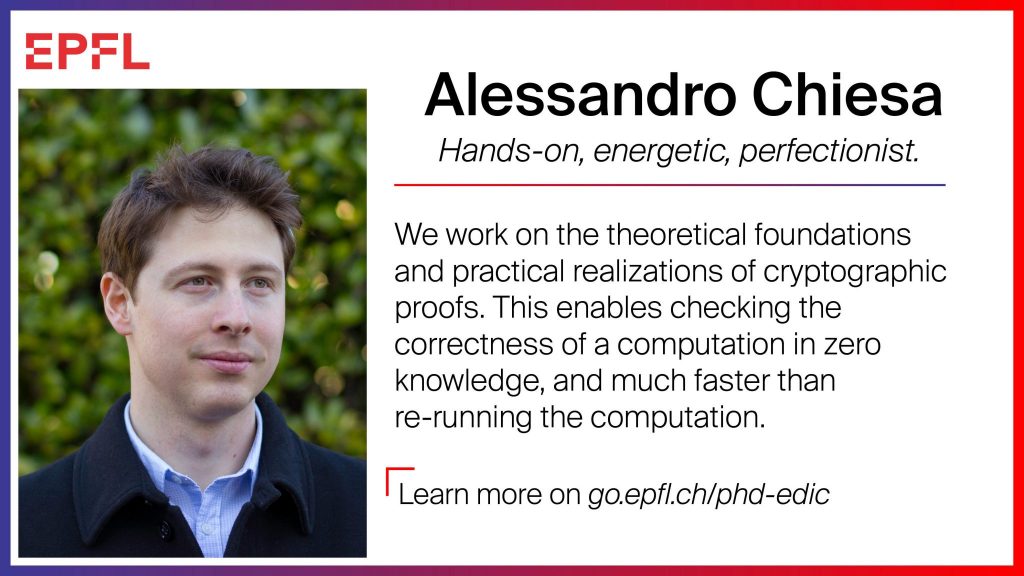
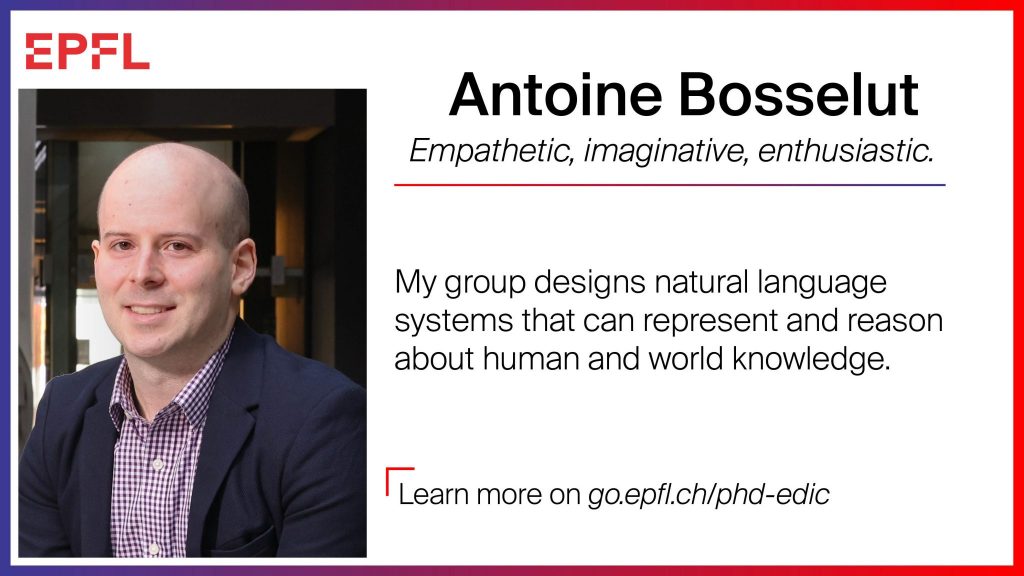
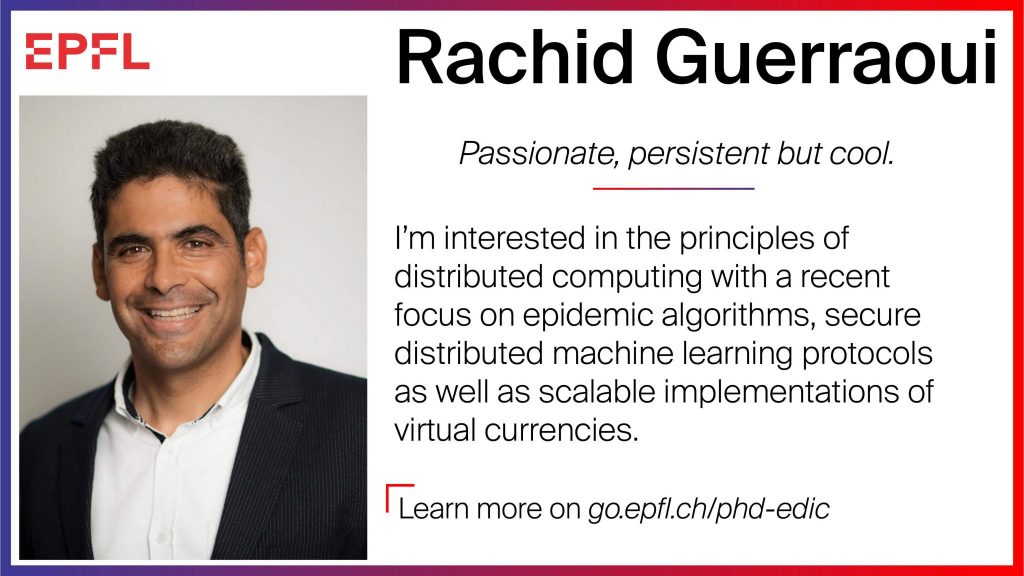
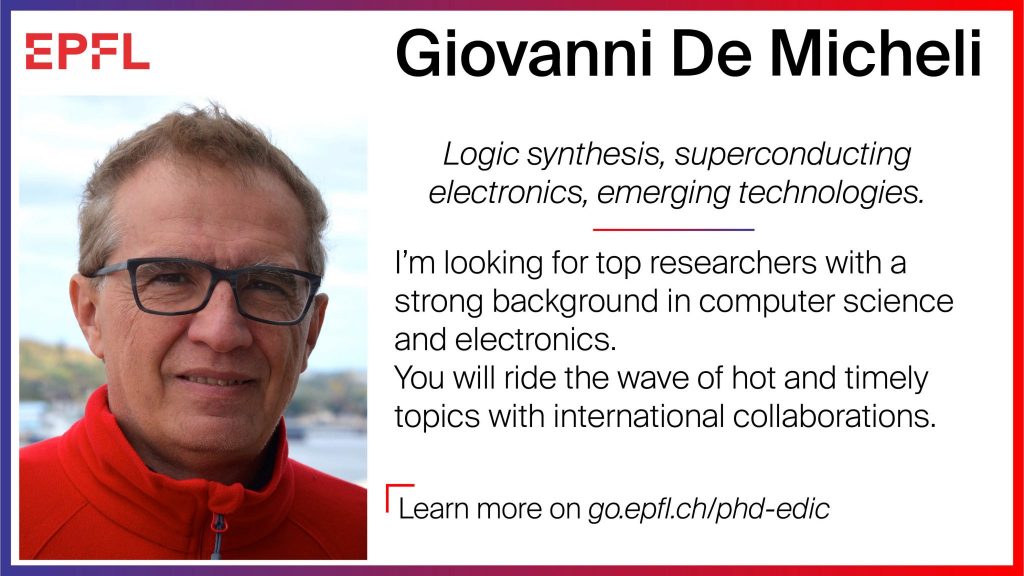
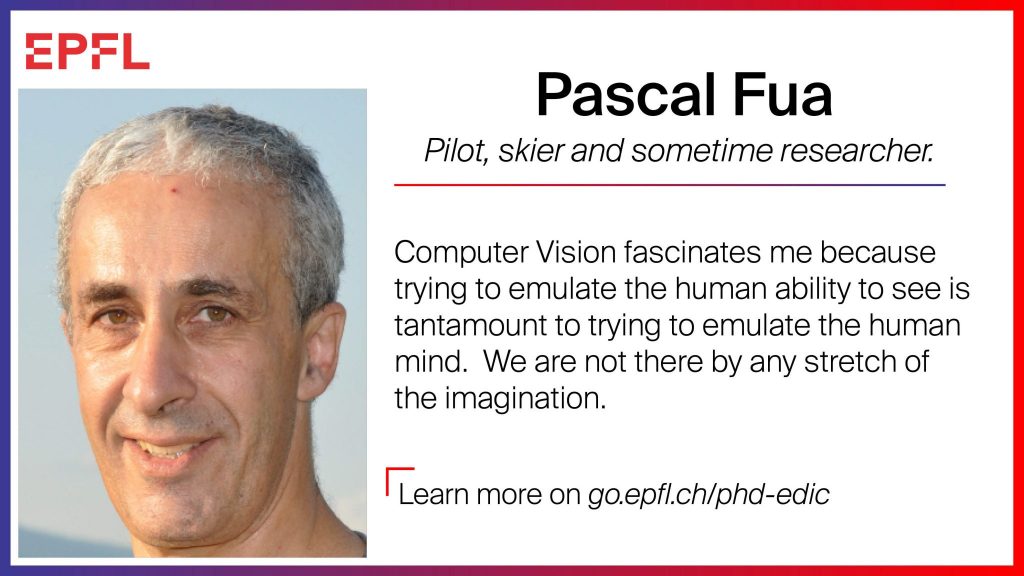
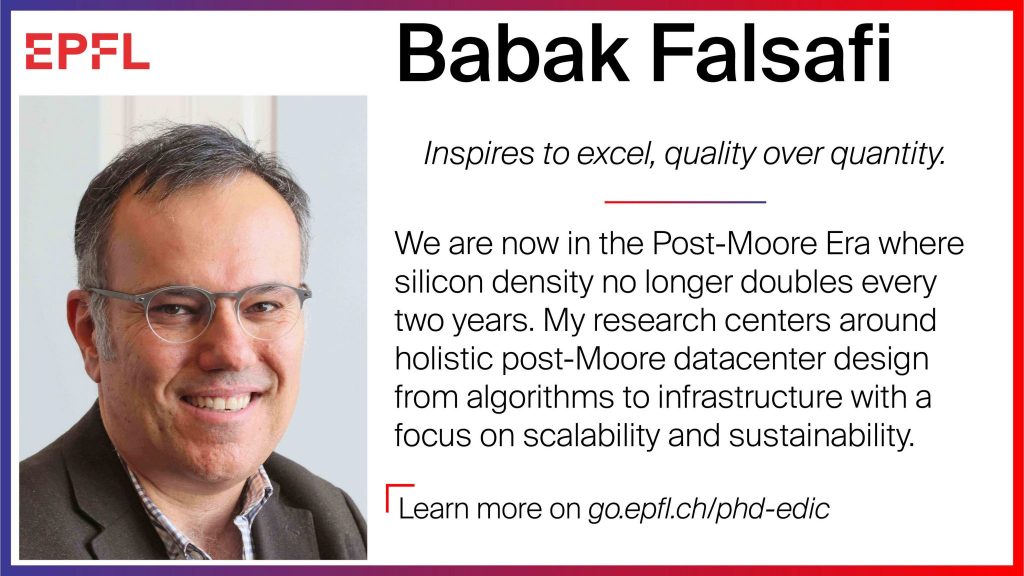
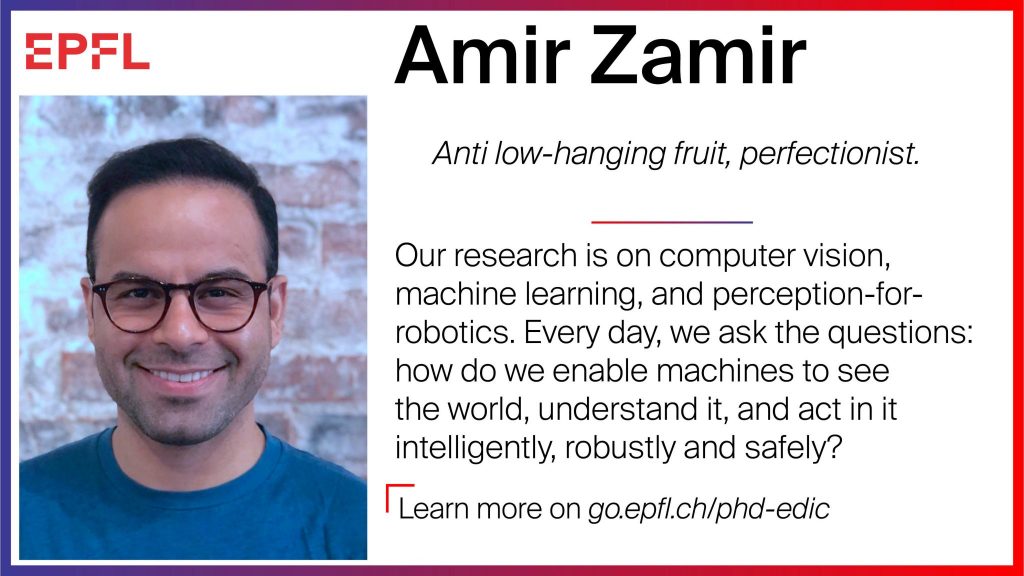
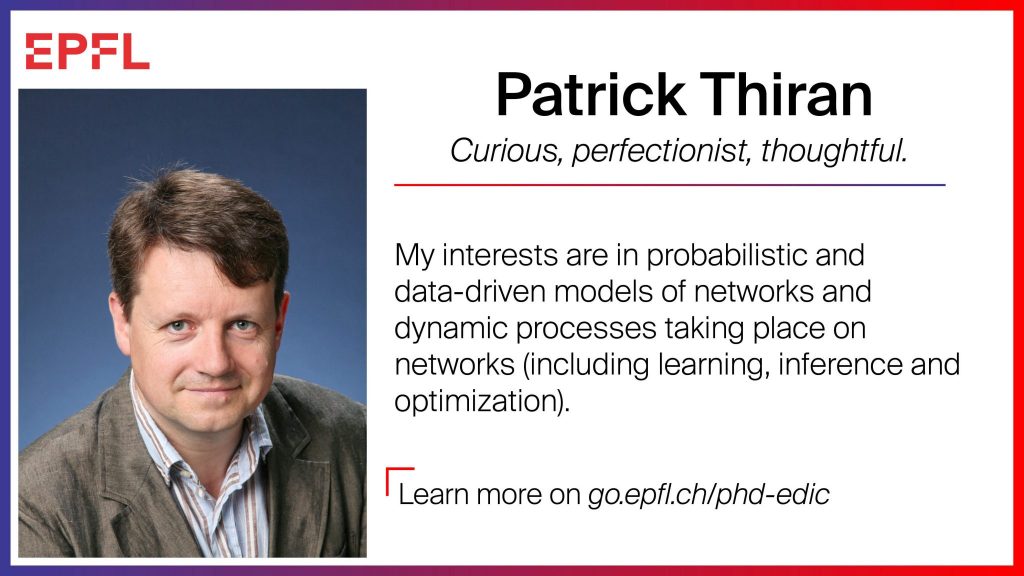
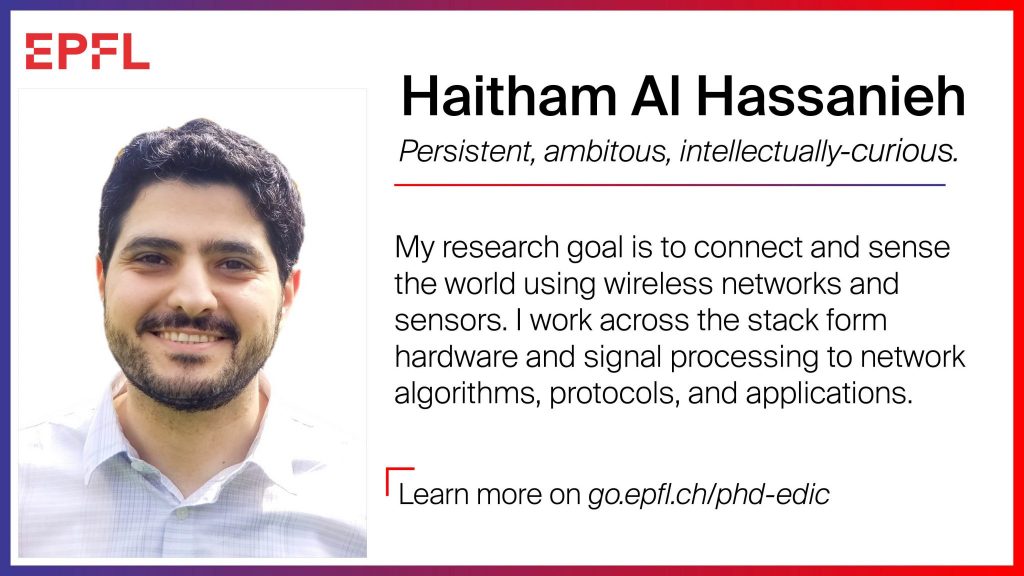
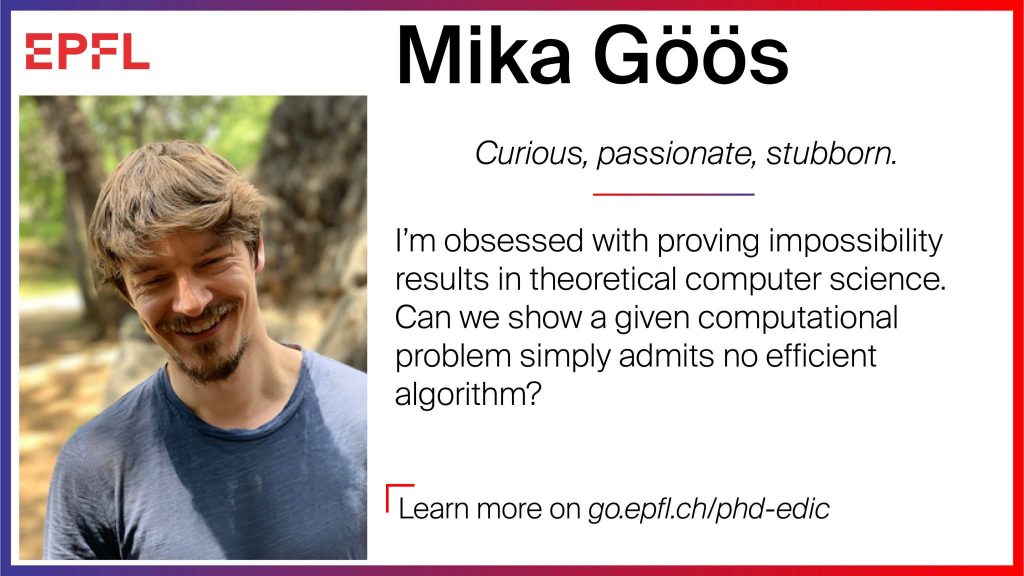
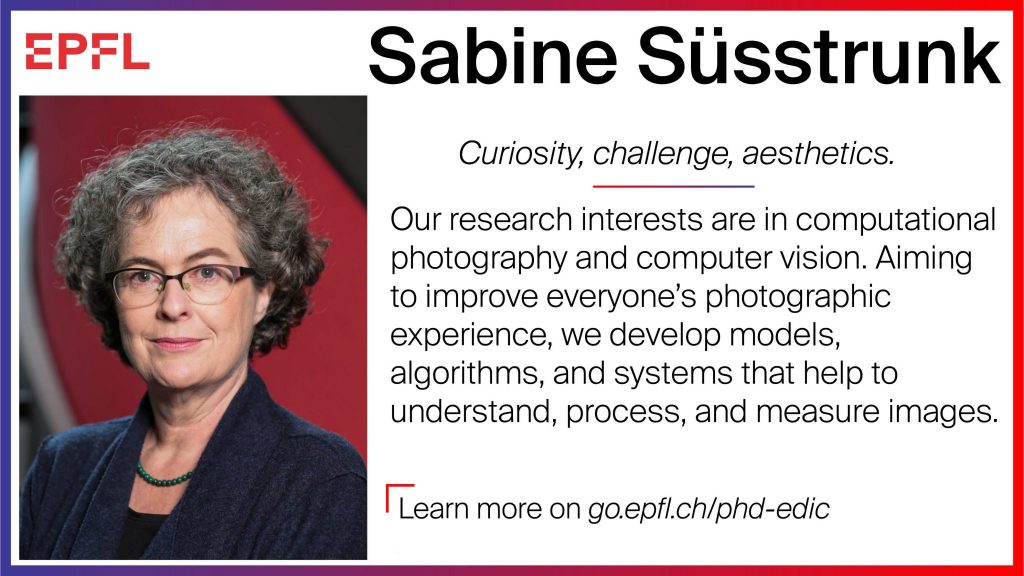
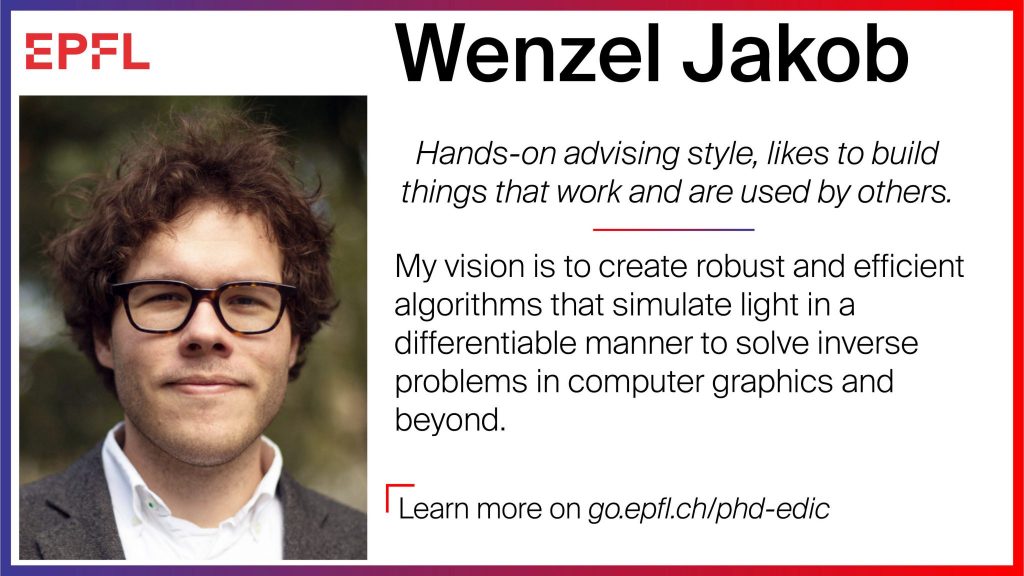
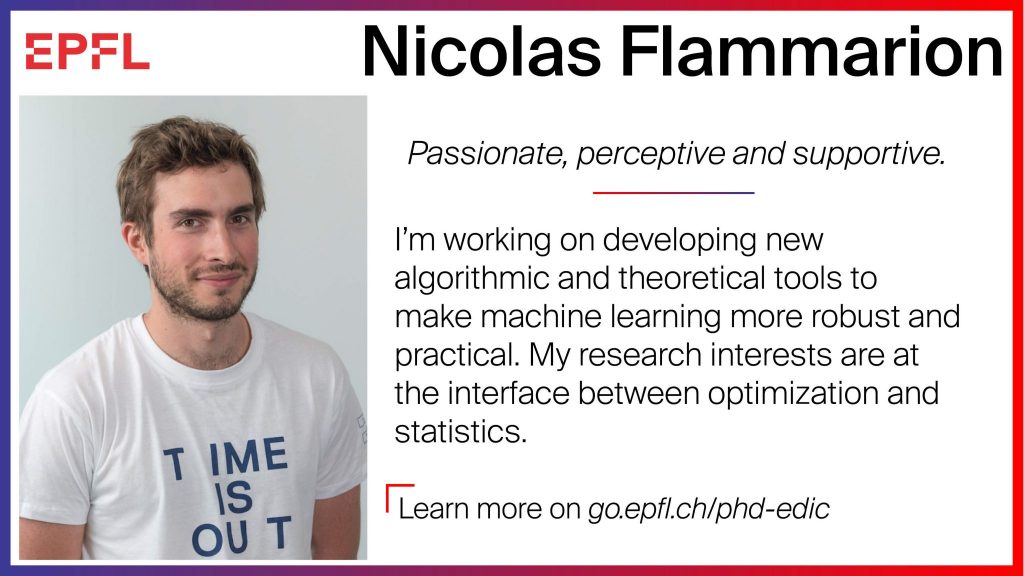
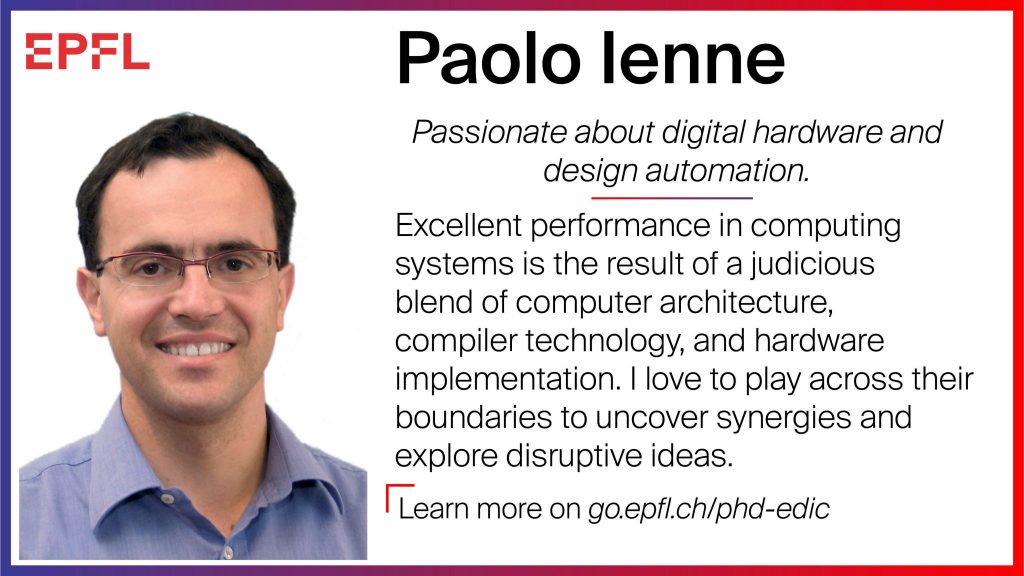
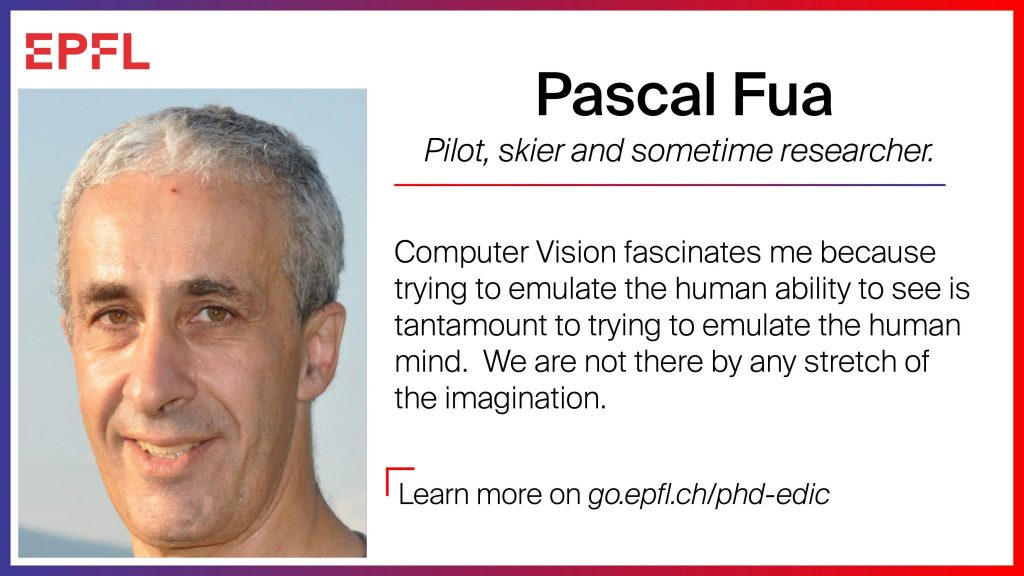
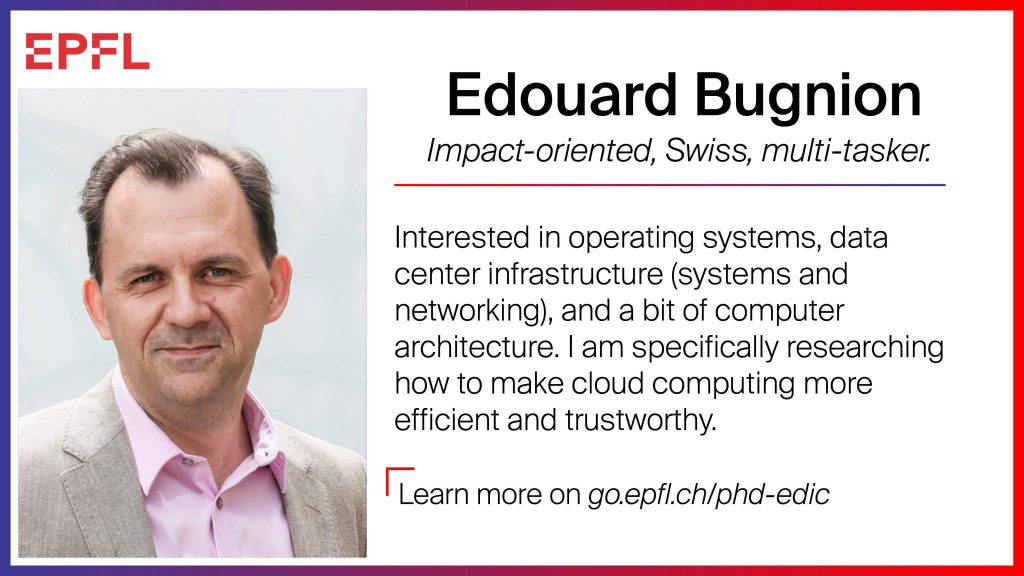
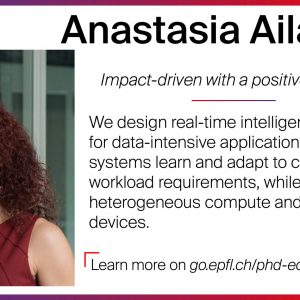
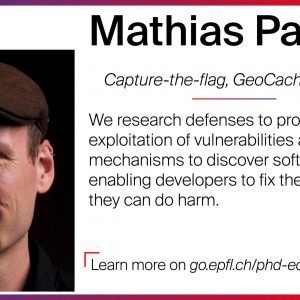
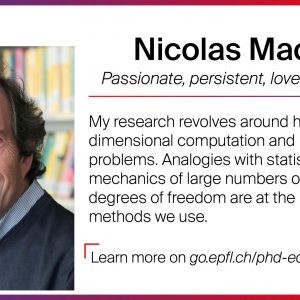
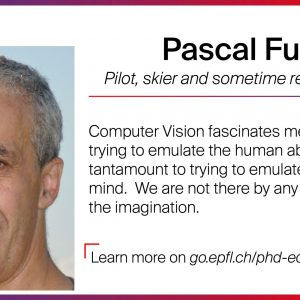
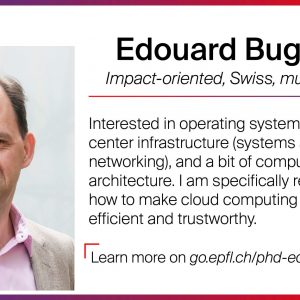
Faculty spotlight


























During my PhD, I was able to do research I am proud of.
My journey at EPFL began with a summer internship in 2018, where I worked at the Data Science Lab, led by Robert West. Having previously studied in Brazil, this internship helped me get accepted into several competitive PhD programs. But choosing among my options was easy: I wanted to come back!
EDIC’s program combines the virtues of American and European PhD programs: You are given the time, freedom, and flexibility to do meaningful research while enjoying a fantastic quality of life in beautiful Lausanne. I was lucky to continue to work with Bob West, and was able to do research I am proud of. Personally, I also had a blast living in Switzerland (and occasionally traveling to warmer parts of Europe).
I can’t recommend the EDIC PhD program highly enough: the five years I spent there were filled with joy, remarkable peers, and exciting work. The support you get from the program is wonderful: administrative staff are thoughtful and kind, the compute infrastructure is plentiful, and our salary is pretty good.
I am starting as an assistant professor in computer science at Princeton next year, and getting this job wouldn’t have been possible without all the support I got from friends, faculty, and staff at EPFL. Thanks for all the fish!

For applicants
Further information: how to apply, program details, testimonials
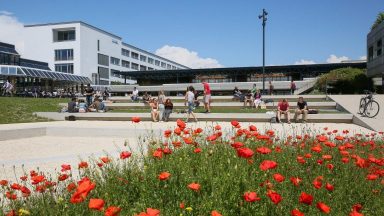
For PhD students
Practical information: what you need to know as an EDIC PhD student

People
Who is who: all you need to know about the EDIC community

Upcoming public defense
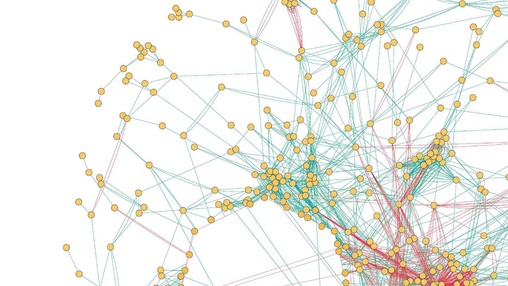
News highlights from EDIC
Contact
Program Director
Prof. Mark Pauly
Administration
Marta Bellone (Coordinator)
Anna Cecilia Chapuis
Annalisa Ginocchio
EPFL EDIC program
INN 134
Station 14
CH-1015 Lausanne
[email protected]