
Bio-plasma laboratory
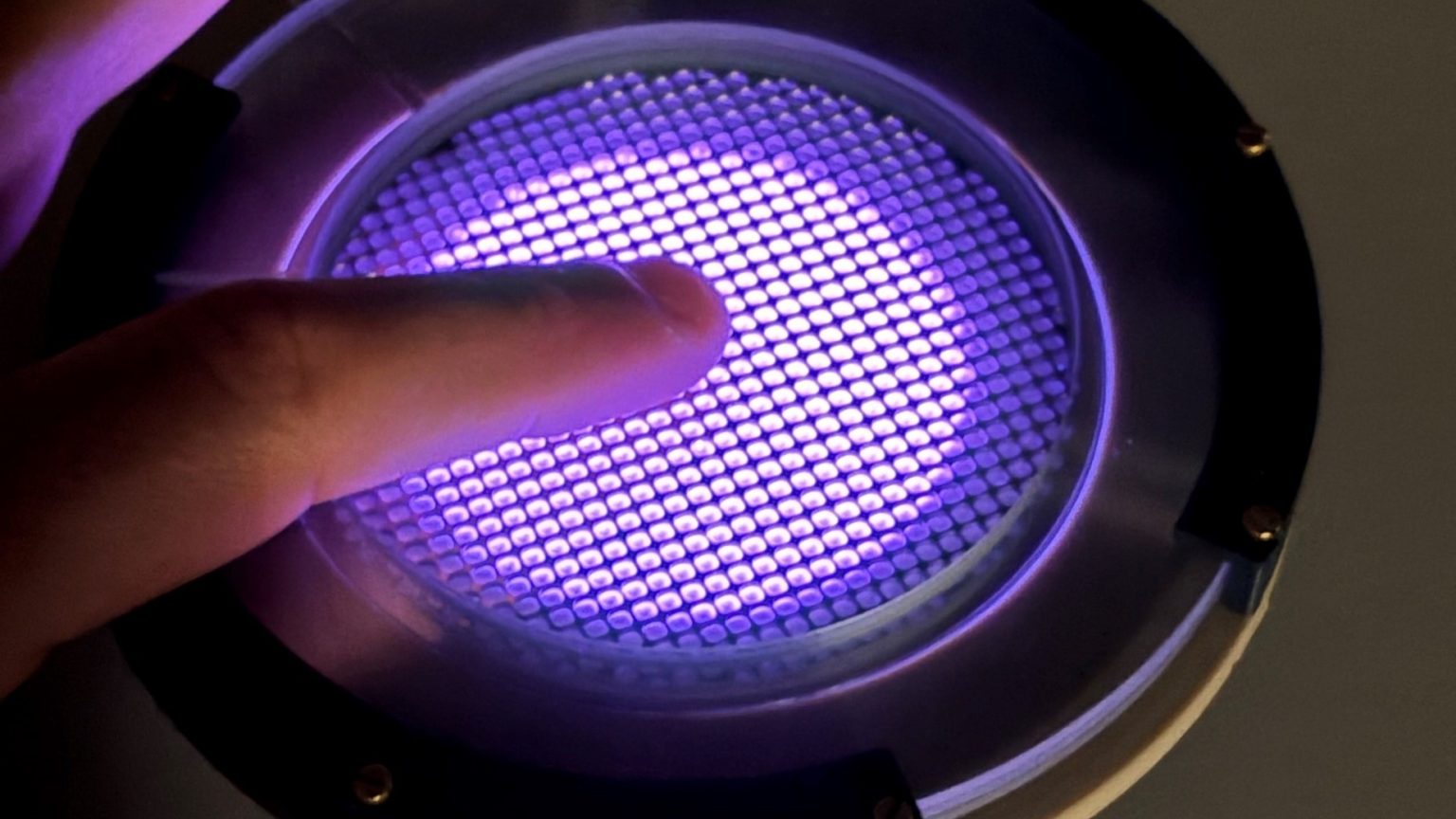
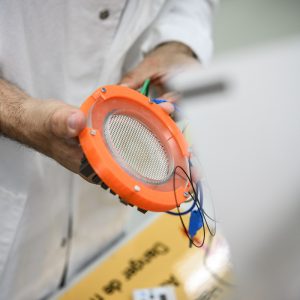
Picture of a Cold Atmospheric Plasma
Cold plasma treatments have promising applications in agriculture, biotechnology, and healthcare. Examples include seed surface decontamination, stimulation of germination, biofilm inactivation, and antimicrobial surface treatment. Because the process operates at low temperature and typically without chemical additives, plasma-based approaches offer a potentially sustainable and environmentally friendly alternative to conventional sterilization or chemical treatment methods.
The Bio-Plasma Laboratory investigates the interaction between cold non-thermal plasmas and biological organisms, providing a platform for interdisciplinary research at the interface of plasma physics, chemistry, and life sciences, bridging fundamental mechanisms with practical applications.
In this context, plasmas operate far from thermal equilibrium: while electrons are energetic and generate reactive species, the overall gas temperature remains close to the room temperature. This makes such plasmas particularly suitable for treating temperature-sensitive biological samples.
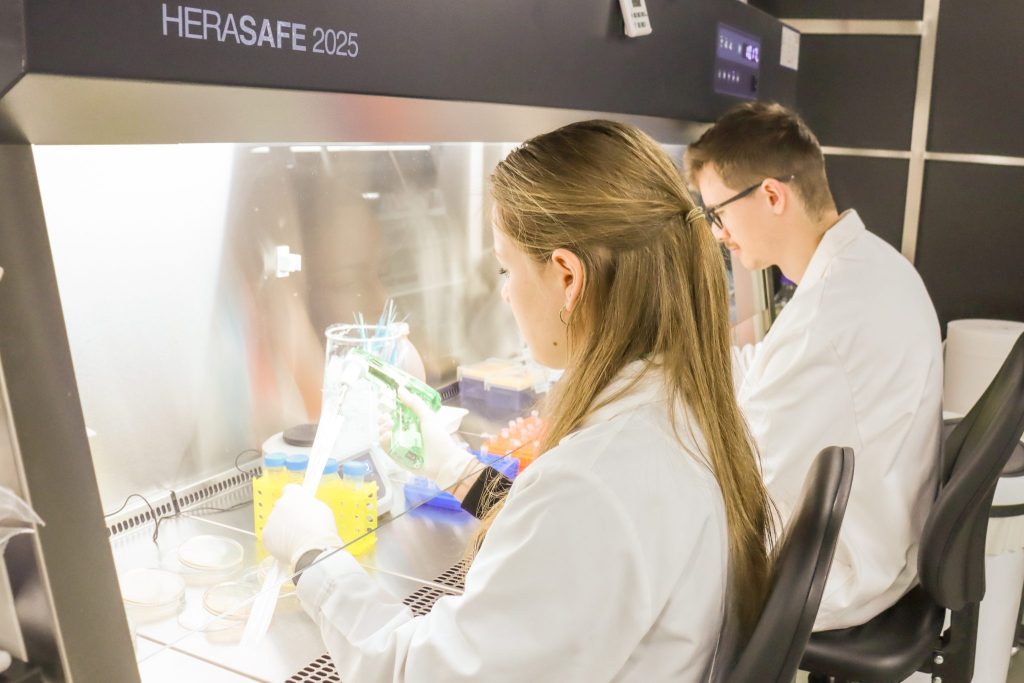
Research activities focus on biological targets such as seeds, bacteria, and other microorganisms, with two primary objectives:
- Quantifying biological responses to plasma exposure, including bactericidal and antimicrobial effects, changes in germination behavior, and modifications of growth dynamics.
- Understanding the underlying mechanisms responsible for the observed effects, including the role of reactive oxygen and nitrogen species (RONS), UV radiation, electric fields, and charged particles.
By combining plasma diagnostics with biological analysis, the laboratory aims to establish quantitative correlations between plasma operating conditions and biological outcomes. This approach supports both fundamental studies of plasma–biomatter interaction and the development of controlled, application-oriented treatment protocols.
TREATMENT STRATEGIES
Plasma treatments are generally categorized into two complementary approaches:
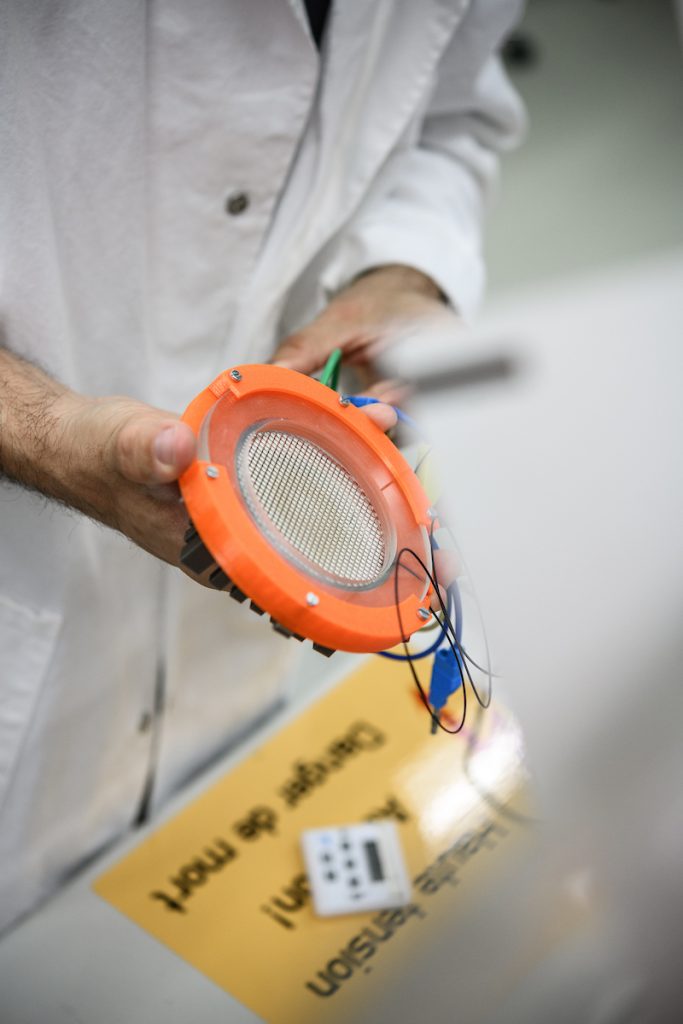
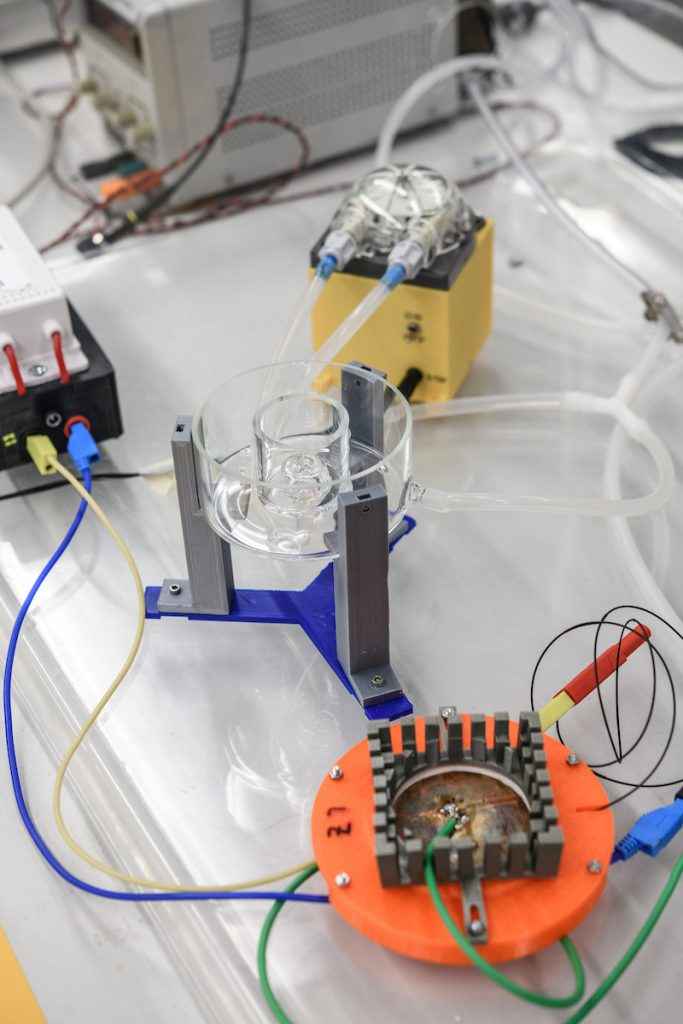
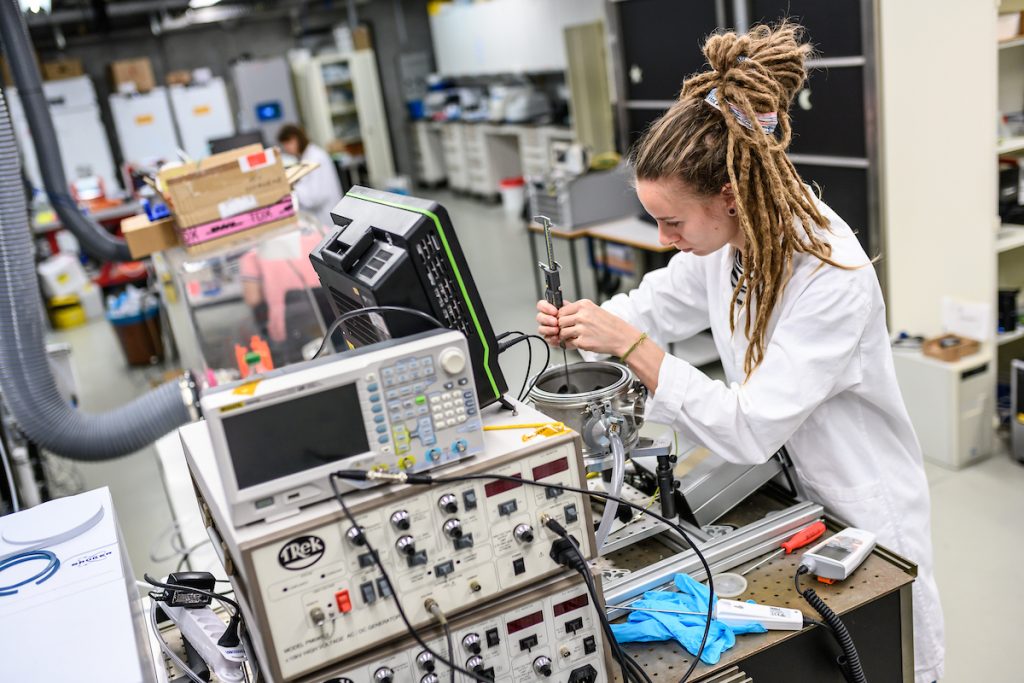
- Direct treatment: The biological sample is directly exposed to the plasma discharge. The target may be placed within the active plasma region or on a substrate in contact with the plasma. In this configuration, the sample is subjected simultaneously to reactive species, charged particles, electric fields, and UV emission. Direct treatment enables strong and localized effects.
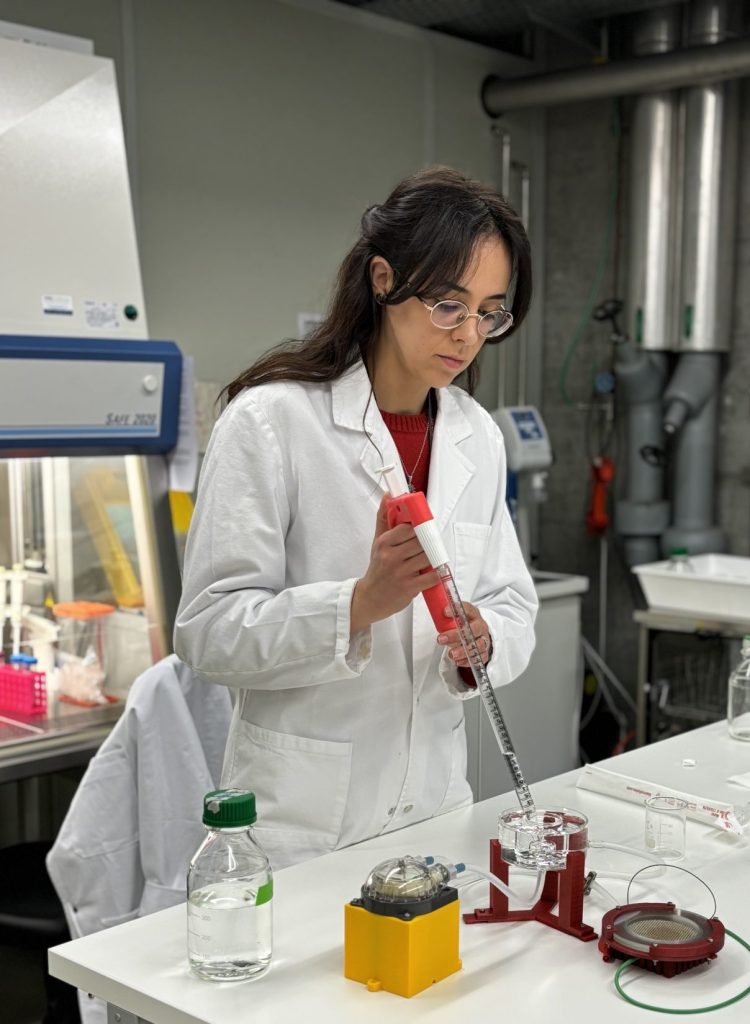
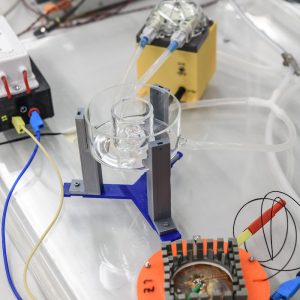
- Indirect treatment: A liquid is first exposed to plasma, enriching it with long-lived reactive species. This plasma-activated medium is then applied to the biological sample in a separate step. Indirect treatment allows more controlled and homogeneous exposure conditions and helps isolate the role of chemical species from other plasma components.
DIAGNOSTICS
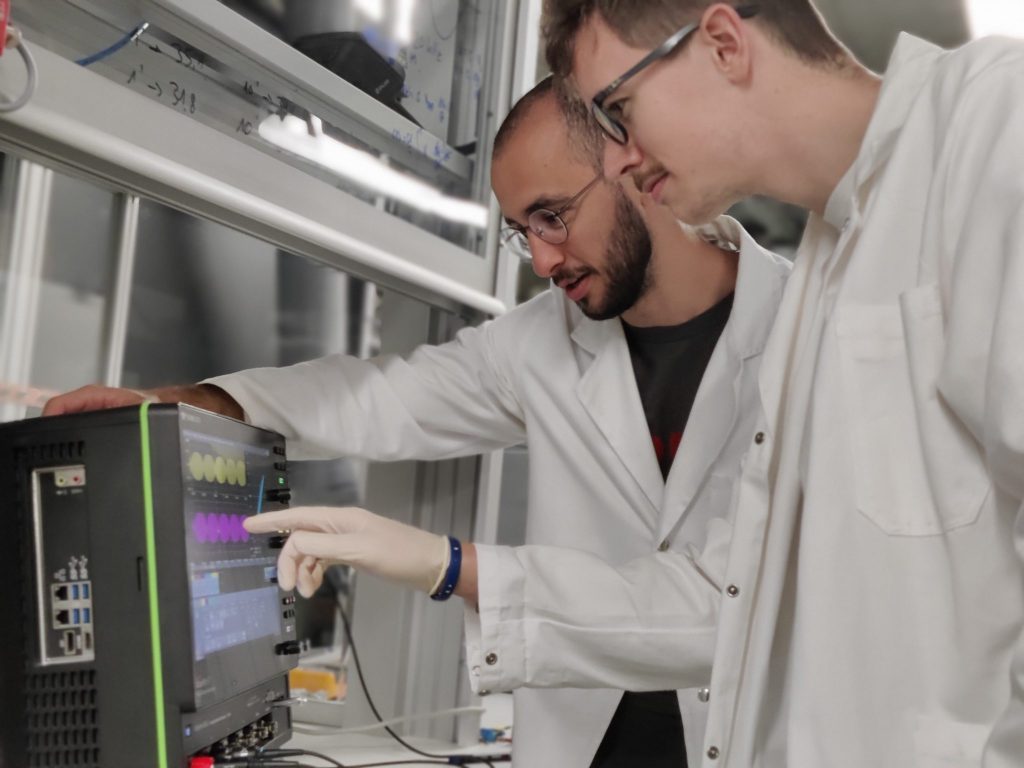
- Laser-indued Fluorescence (LIF) and Two-Photon Absorption Laser-Induced Fluorescence (TALIF) – (EKSPLA PL2231-50 Diode Pumped High Energy Picosedonc Nd:YAG laser)
- Fourier transform infrared Spectroscopy (FTIR) system – (Brucker VERTEX 80v vacuum)
- Electron Paramagnetic Resonance (EPR) spectroscopy of short-lived reactive species in liquids – (EMXnano)
- Nikon Eclipse Ti-2 inverted microscope

