
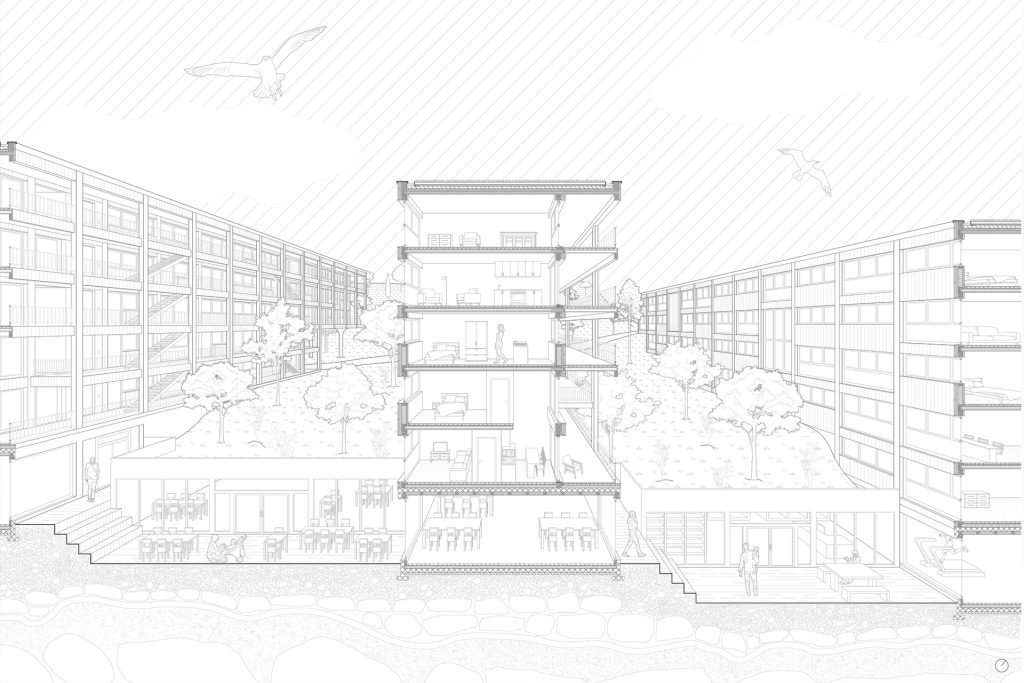
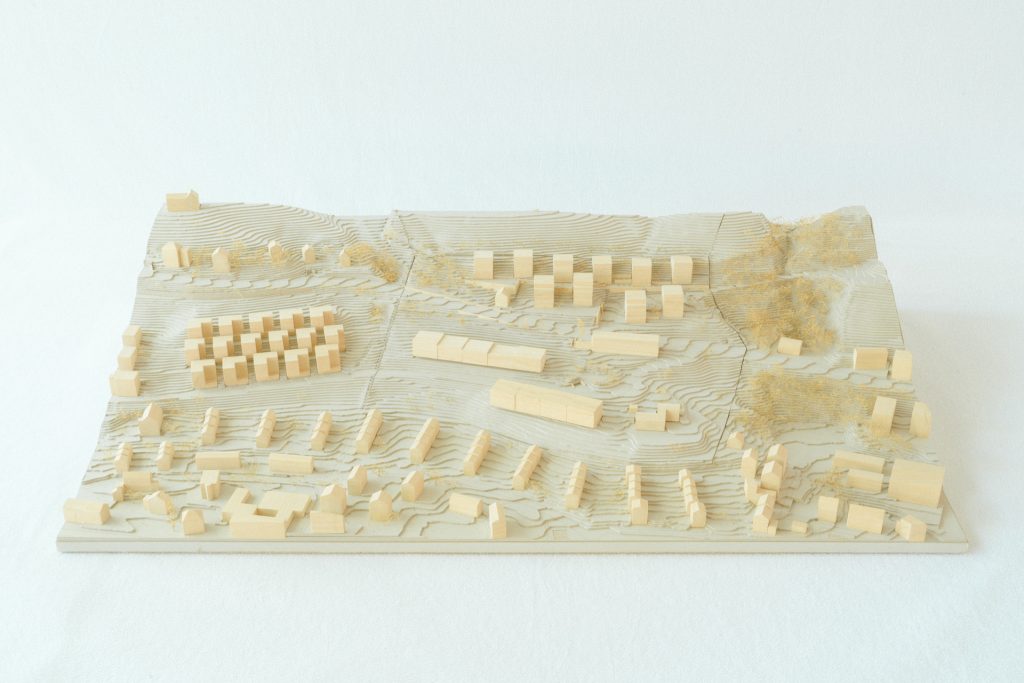
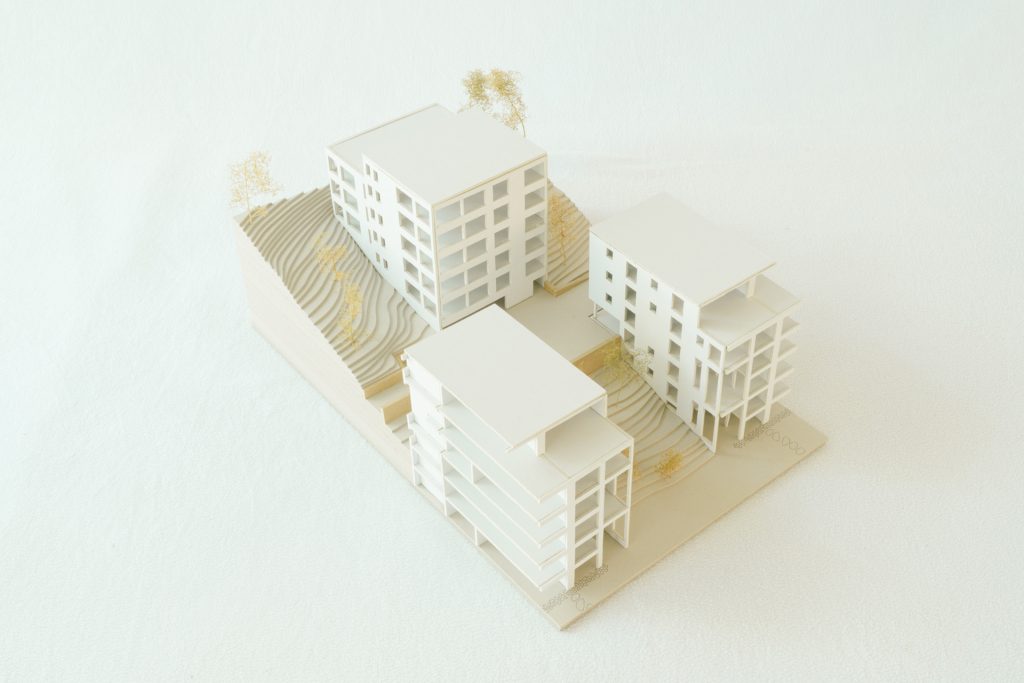
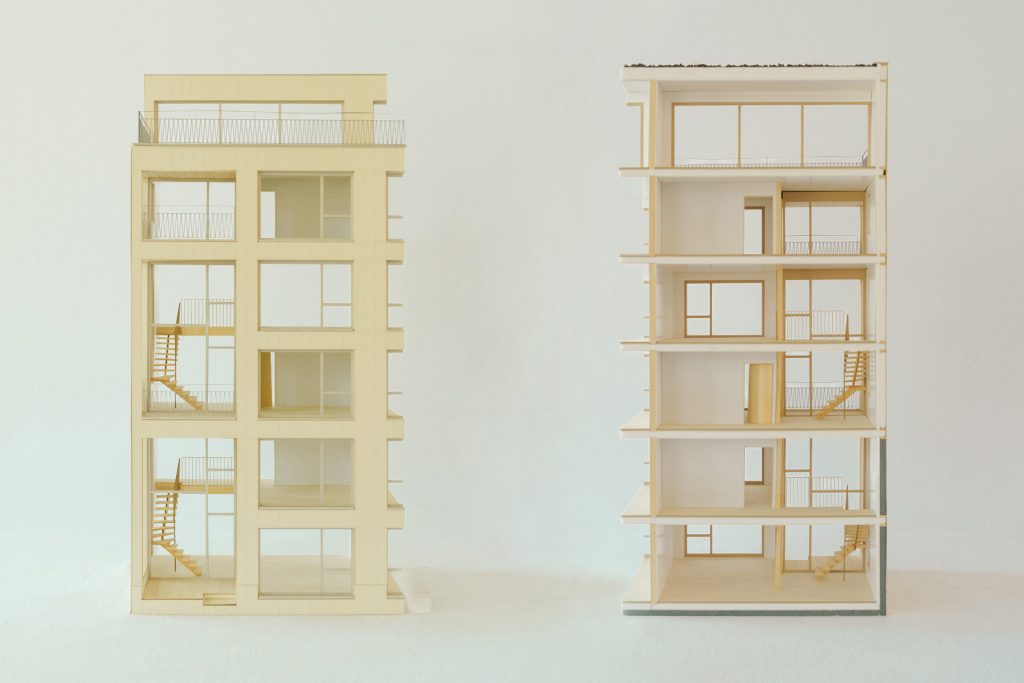
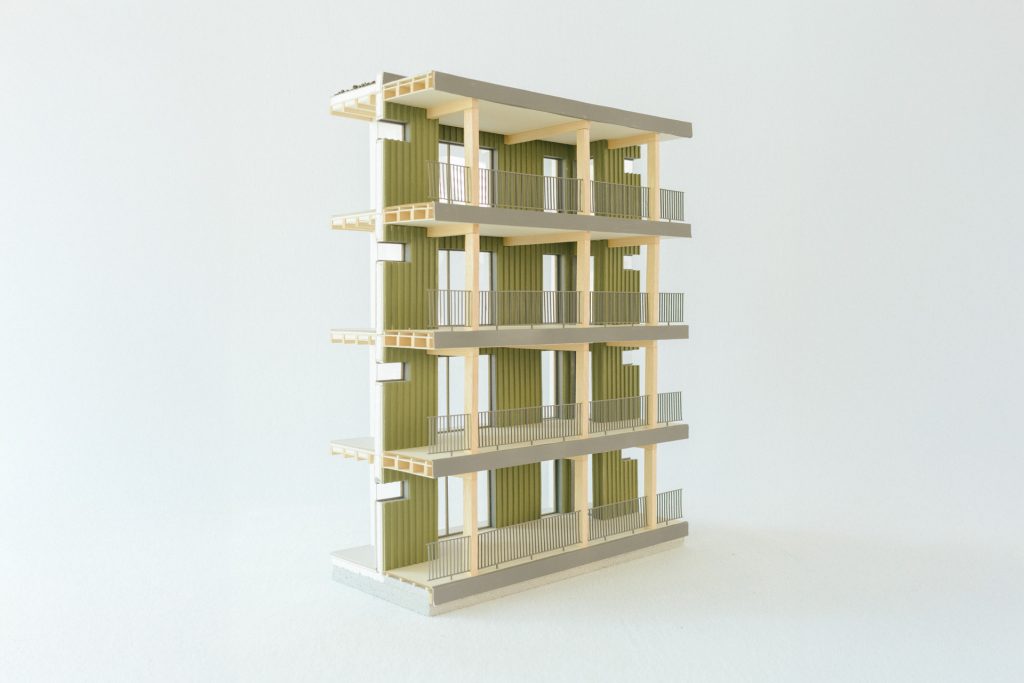
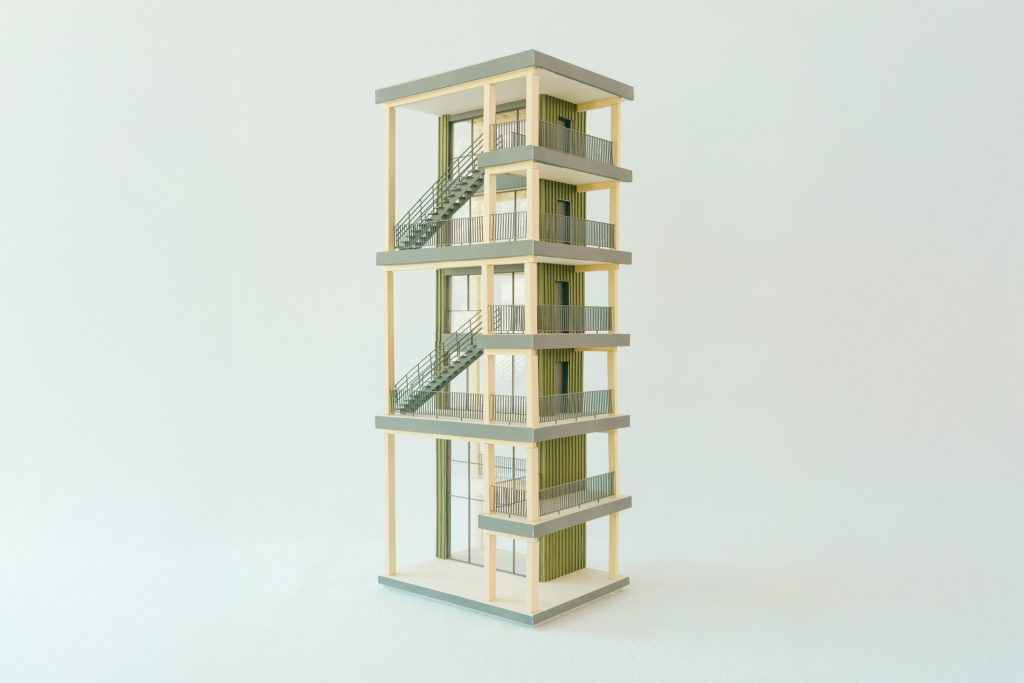
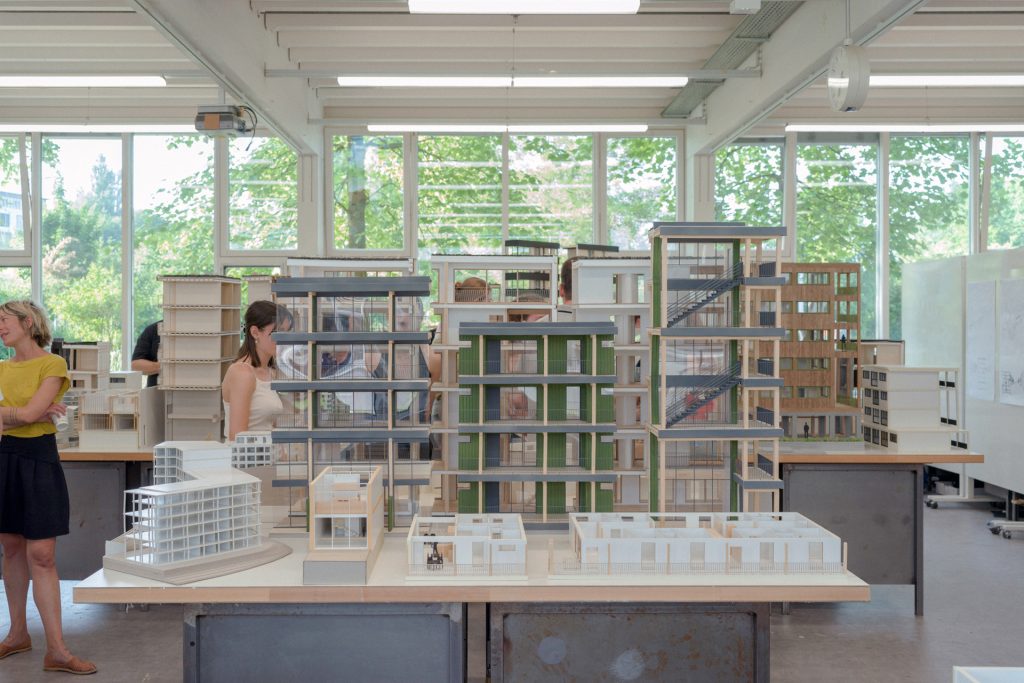
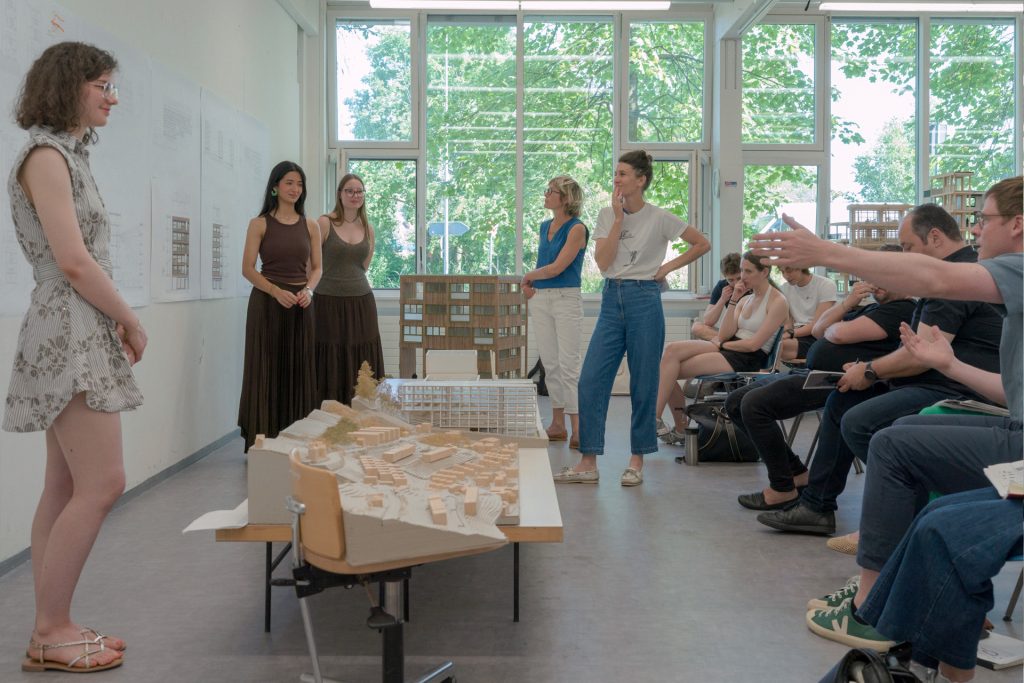
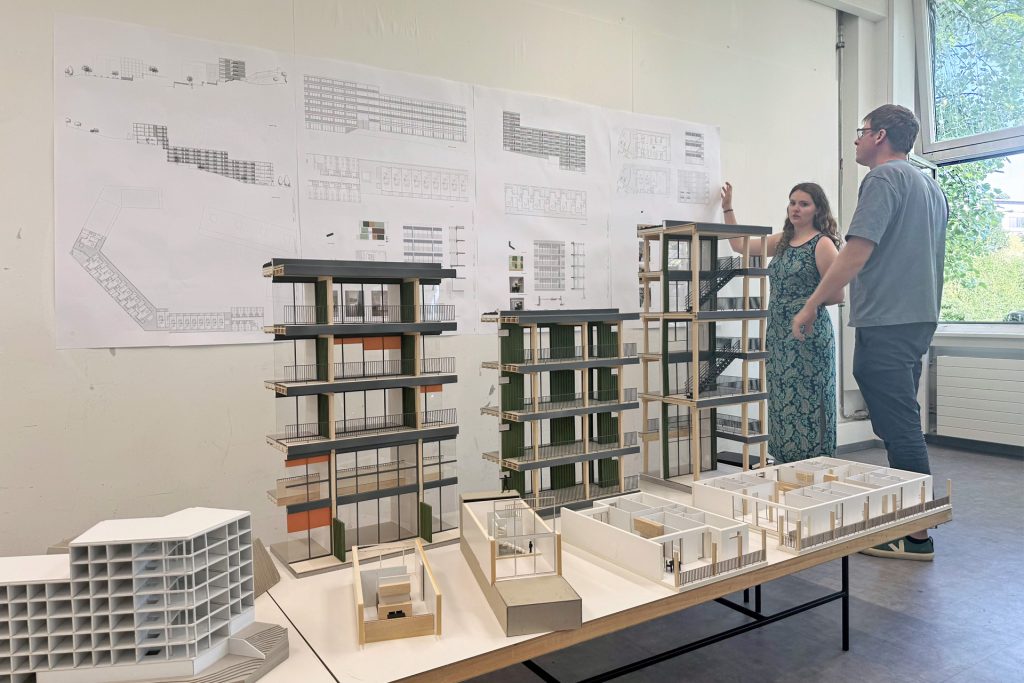

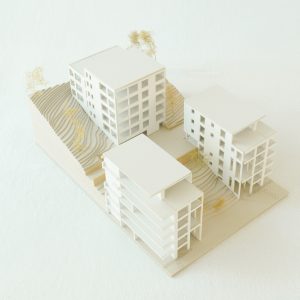
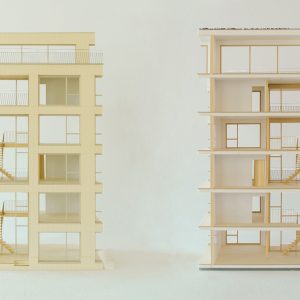
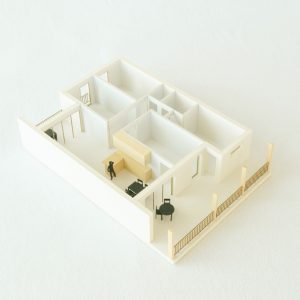
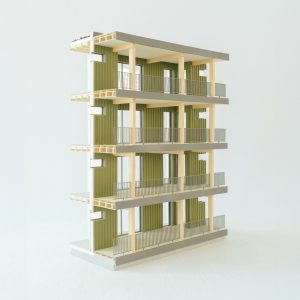
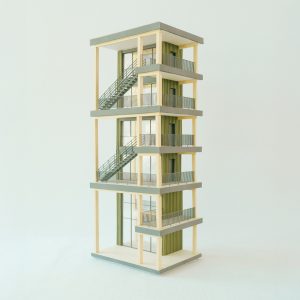
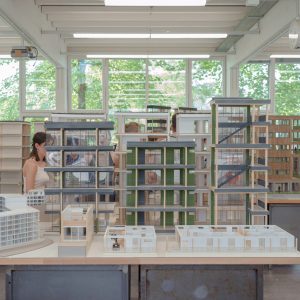
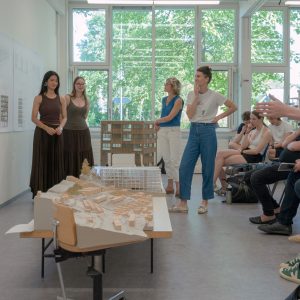
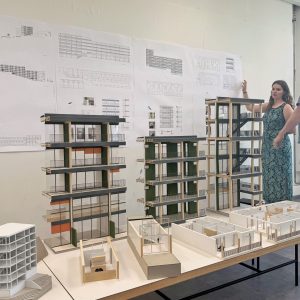
At a time of climate emergency and contraction of available resources, a continuation of urban sprawl is strongly questioned. The architectural project plays a central role in the search for alternatives that enable the regeneration of urban territories, the careful densification of buildings near public transport, and, more broadly, the integration of good construction practices within the transition dynamics towards a low-carbon society. In the Swiss context, a large part of the urbanized areas is on slopes, which generates multiple challenges in terms of building and mobility. The implantation of buildings and the creation of public spaces are confronted with unavoidable questions regarding the relationship to the ground level and measures to minimize soil excavation. Regarding mobility, it is a matter of rediscovering and revaluing transport techniques developed before the hegemony of the car and, more particularly, electric transport specifically adapted to the slope.
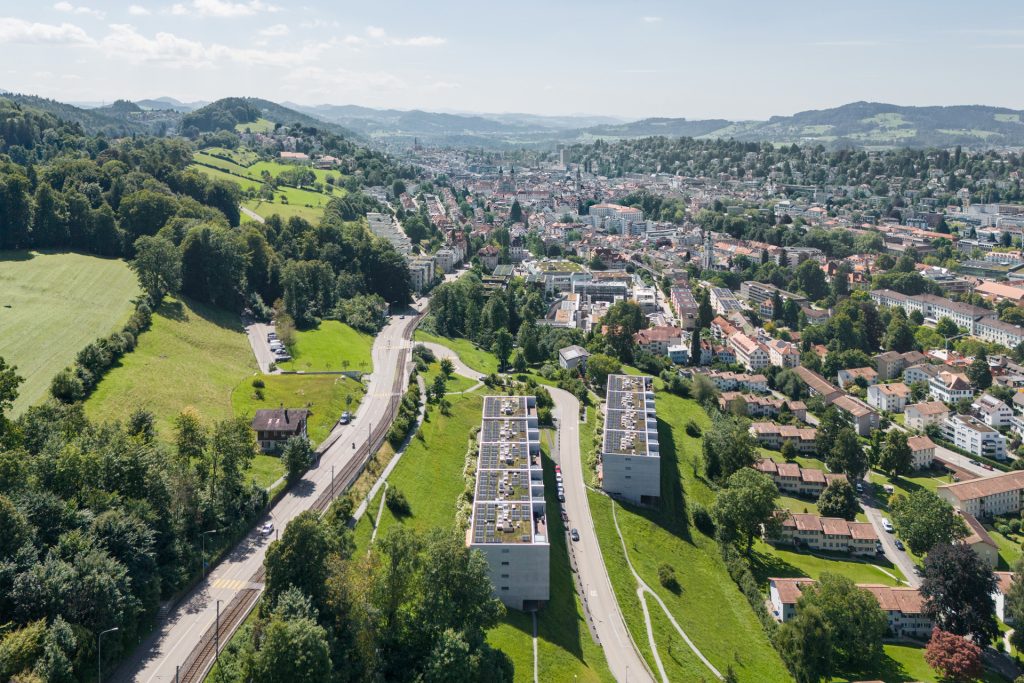
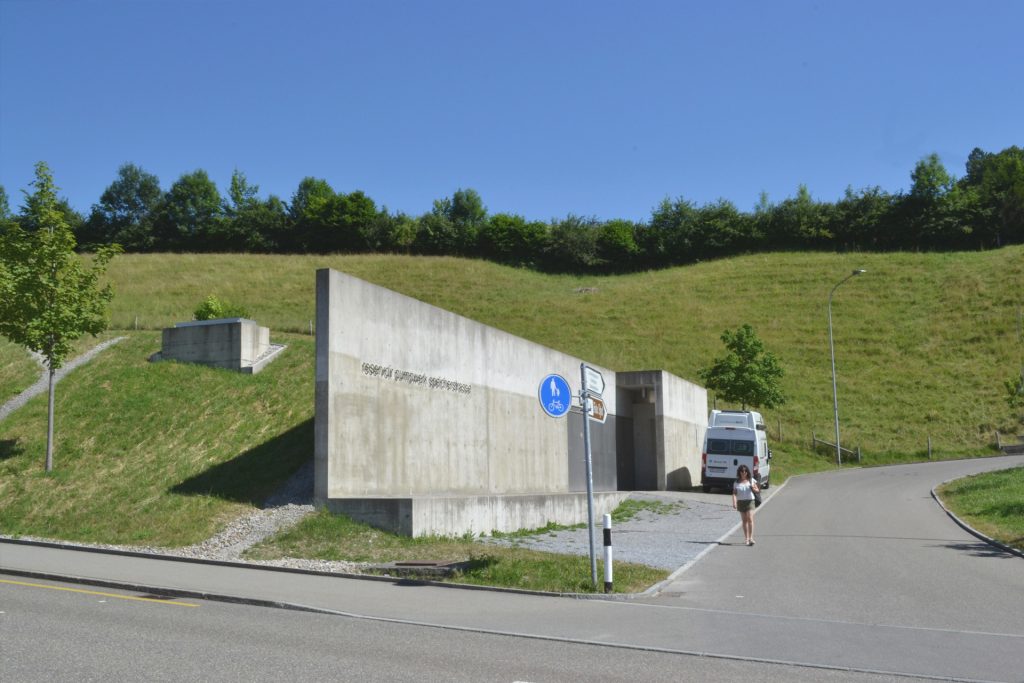
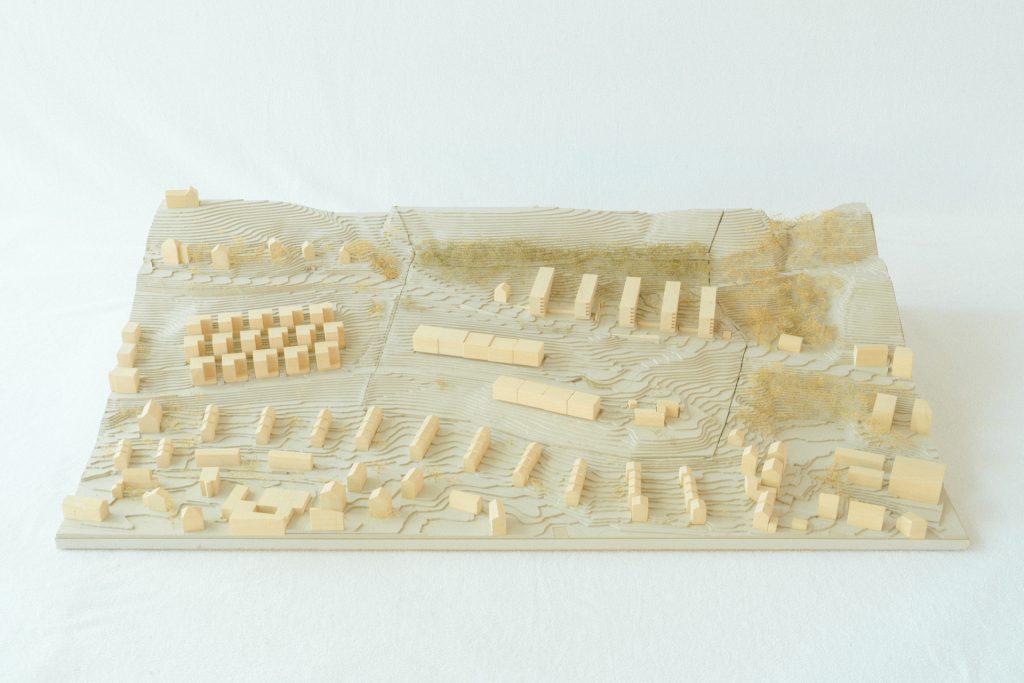
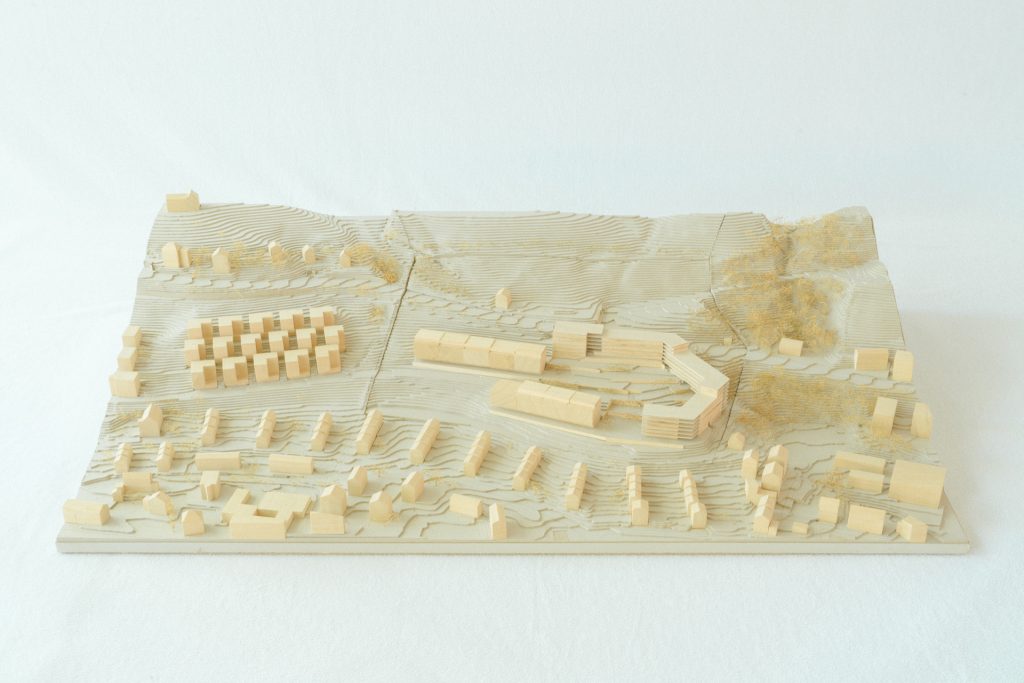
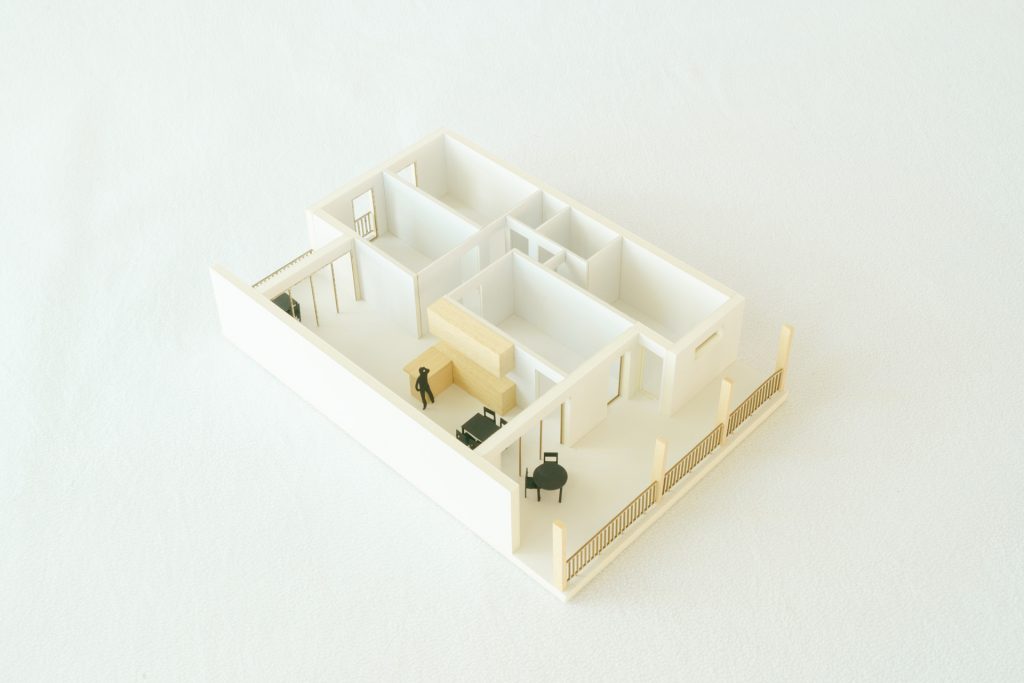
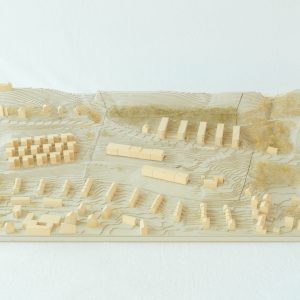
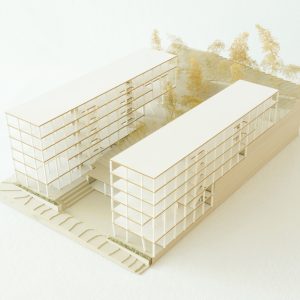
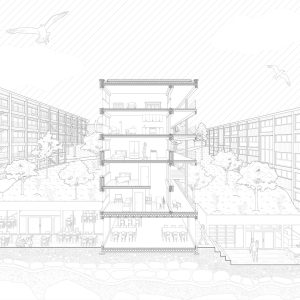
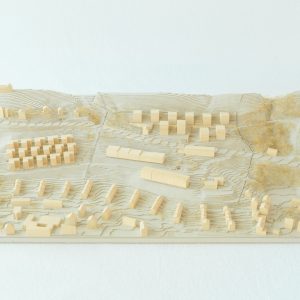
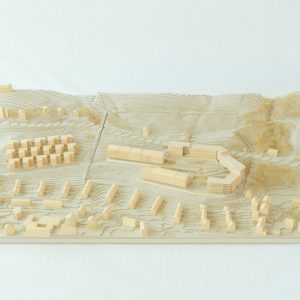
Located in the eastern part of the city of St. Gallen, on Freudenberg hill, the site selected for the 2025–2026 studio is anchored by an intermediate station of the Appenzell–St. Gallen–Trogen railroad. Currently, the site is occupied by a large water reservoir at the top and residential complexes below, which exhibit limited interaction with the surrounding public space. It is defined as much by its fragmented building morphology as by the quality of its visual openings—both of which invite architectural reflection on its potential future. Positioned between utopia and realism, this resolutely forward-looking approach envisions the complete urban regeneration of an already artificialized site. The RELIEFS URBAINS Studio will explore — through the architectural project — the many challenges and opportunities such a site presents. Particular attention will be given to intermediate housing, as well as to the landscaping and integration of public spaces in response to the site’s unique characteristics.
Video
St. Gallen © LAST / N. Sedlatchek
Team
Professor : Prof. Emmanuel Rey
Teaching assistants : Clément Cattin, Lucile Charamel, Martine Laprise, Sophie Lufkin
Experts : Didier Colin, Sara Formery, Sibylle Kössler
Lectures
Nicolas Bassand, architect, lecturer, HEPIA, Geneva
Simone Biaggi, architect, Oxid achitektur, Zurich
Andrea Frapolli, architect, andrea frapolli architteto, Monte Carasso
Jean-Claude Frund, architect, frundgallina, Neuchâtel
Ivano Gianola, architect, Studio di Architettura, Mendrisio
Cristina Guerra, architect, Studio d’Architettura Cristina Guerra, Bellinzona
Marlène Leroux, architect urban planner, Atelier Archiplein, Geneva
Francesco Piatti, Professor, Head of Architecture degree course, SUPSI, Mendrisio
Renato Magginetti, architect, Renato Magginetti Studio d’architettura, Bellinzona
Oliver Regazzoni, architect, LR Architectes, Lausanne
Pietro Tovaglieri, architect, Buzzi Studio d’Architettura, Locarno
Han Van de Wetering, architect urban planner, Van de Wetering Office for urbanism, Zurich
Students
Ghazel Alnsour, Romain Boscardin, Paul Broccard, Quentin Caillet, Livio Castan, Lorane Cuche, Bastien Defossez, Bruno Dias Costa, Jeanne Durchon Tallec, Louise Eberle, Audrey Emery, Nathan Engel, Amandine Escrieut, Abdullah Ezzo, Tom Fischer, Delphin Gouiller, Manon Matsushima, Rachel Minotto, Elemér Nagy, Dunia Napoleone, Bruno Regueiro, Johann Rey, Elisabeth Ridolphi, Yannick Ruedin, Eléonore Schüpbach, Noémie Stalder, Axel Tracol, Thiên-Chanh Tran, Irina Vedeneeva, Calista Vermot