
Critical Approaches to Vernacular Heritage
Atlas Alpinus is a teaching unit devoted to the critical study of vernacular heritage through the collective construction of an atlas of Alpine building culture. The course rests on drawing as an active mode of architectural knowledge production. Each student selects and problematises an individual case study, situated in the Alpine arc or an analogous territory, which they develop throughout the semester through fieldwork sessions, redrawing exercises and critical discussions. Thematic lectures in the history and theory of architecture relating to the vernacular accompany the graphic and documentary progression of the work, articulating field investigation with a broader disciplinary reflection on the values of so-called “minor” heritage.
Vernacular heritage cannot be reduced to an object of inventory. It is a sedimented process in which constructive logics, modes of inhabiting and forms of knowledge transmission can be read — logics that escape the categories of official heritage discourse. Vernacular architecture carries an embodied knowledge — in matter, in gesture, in the organisation of territory — of which the critical survey is one of the few instruments capable of restoring the coherence.
Survey, redrawing and atlas-making are not neutral operations of documentation. They involve interpretive choices, graphic conventions and representational positions that construct their object as much as they describe it. Learning to survey is learning to formulate a hypothesis about what deserves to be measured, represented and transmitted — and to assume the critical responsibility that comes with it.
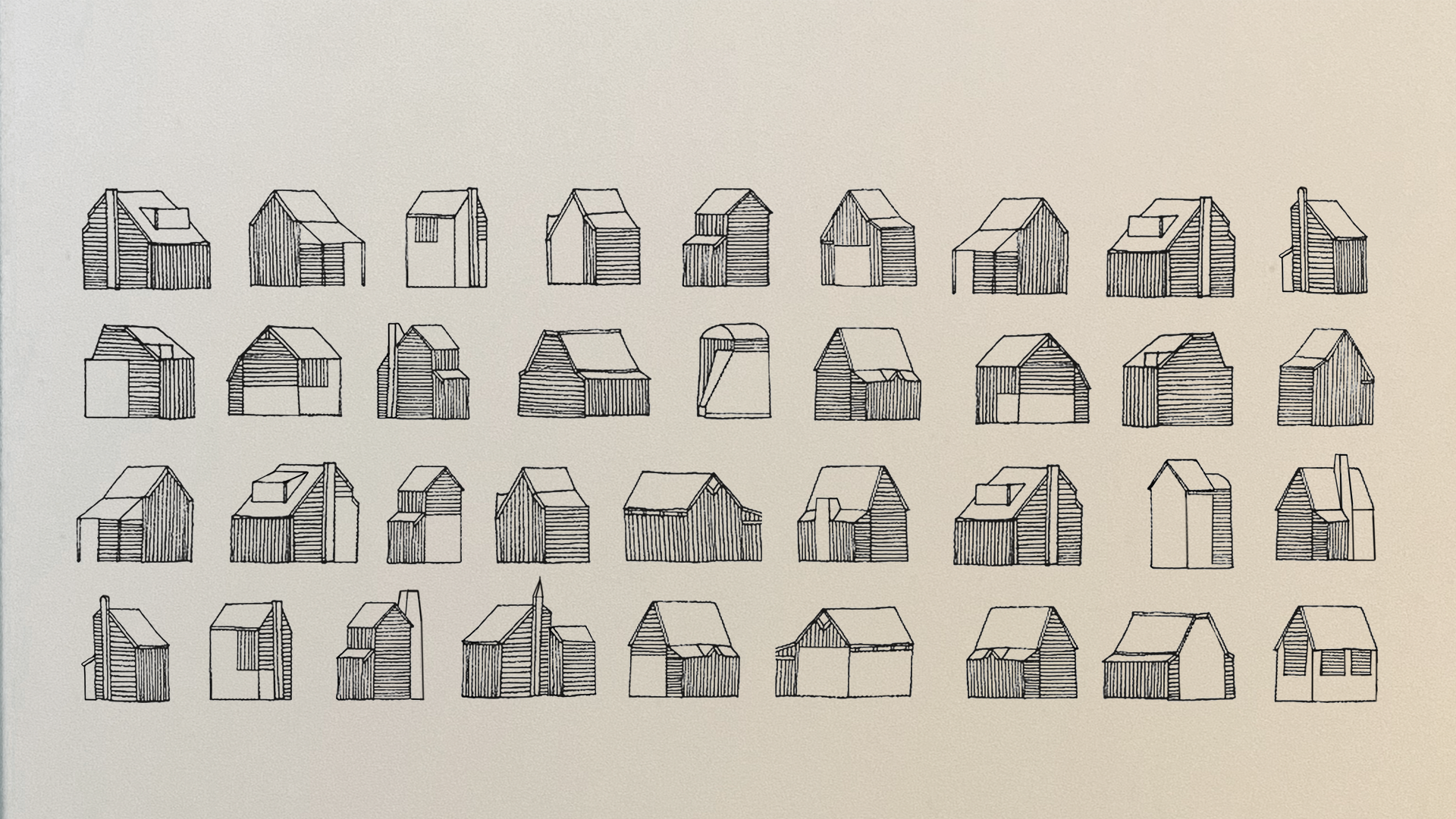
ATLAS ALPINUS 2026
Ce premier volume de l’Atlas Alpinus rassemble les contributions individuelles produites lors de l’édition inaugurale de l’unité d’enseignement. Chaque contribution est le résultat d’une investigation semestrielle combinant travail de terrain, recherche archivistique et redessin critique d’un édifice ou d’un ensemble vernaculaire situé dans l’arc alpin. Ensemble, elles constituent les premières pages d’un atlas collectif de (…)