
Interfacial Transport and Thermal Management
Push the limit of liquid-vapor interfacial transport for advanced thermal management solutions

Probing contamination in microscale porous evaporator
Investigate accumulation of impurities non-invasively with advanced metrology and spectroscopy

Simulation of evaporation into microchannels
Evaporation plays a critical role in energy transfer processes. Evaporation physics are often much simplified for designing of real systems, but the applicability of these simplifications to small-scale flows is unclear.
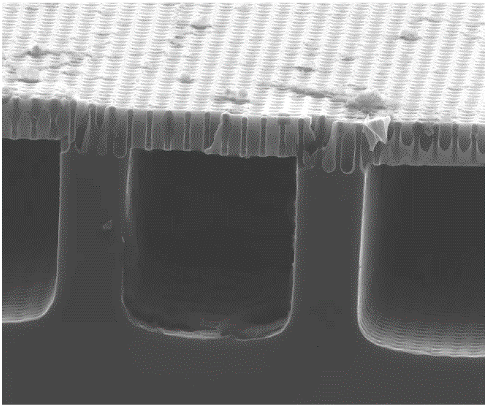
Hierarchical high flux evaporative cooler
A new paradigm of phase change heat transfer enabled by a hierarchical evaporator, which favors high volatility, low surface tension liquids rather than water
Nucleation and Energy Conversion
Investigate when and how discrete phase emerges in a metastable fluid and the impact on energy conversion devices

Collective bubble behavior in boiling
Understand and control collective bubble behavior to explore boiling physics and improve nucleation reliability
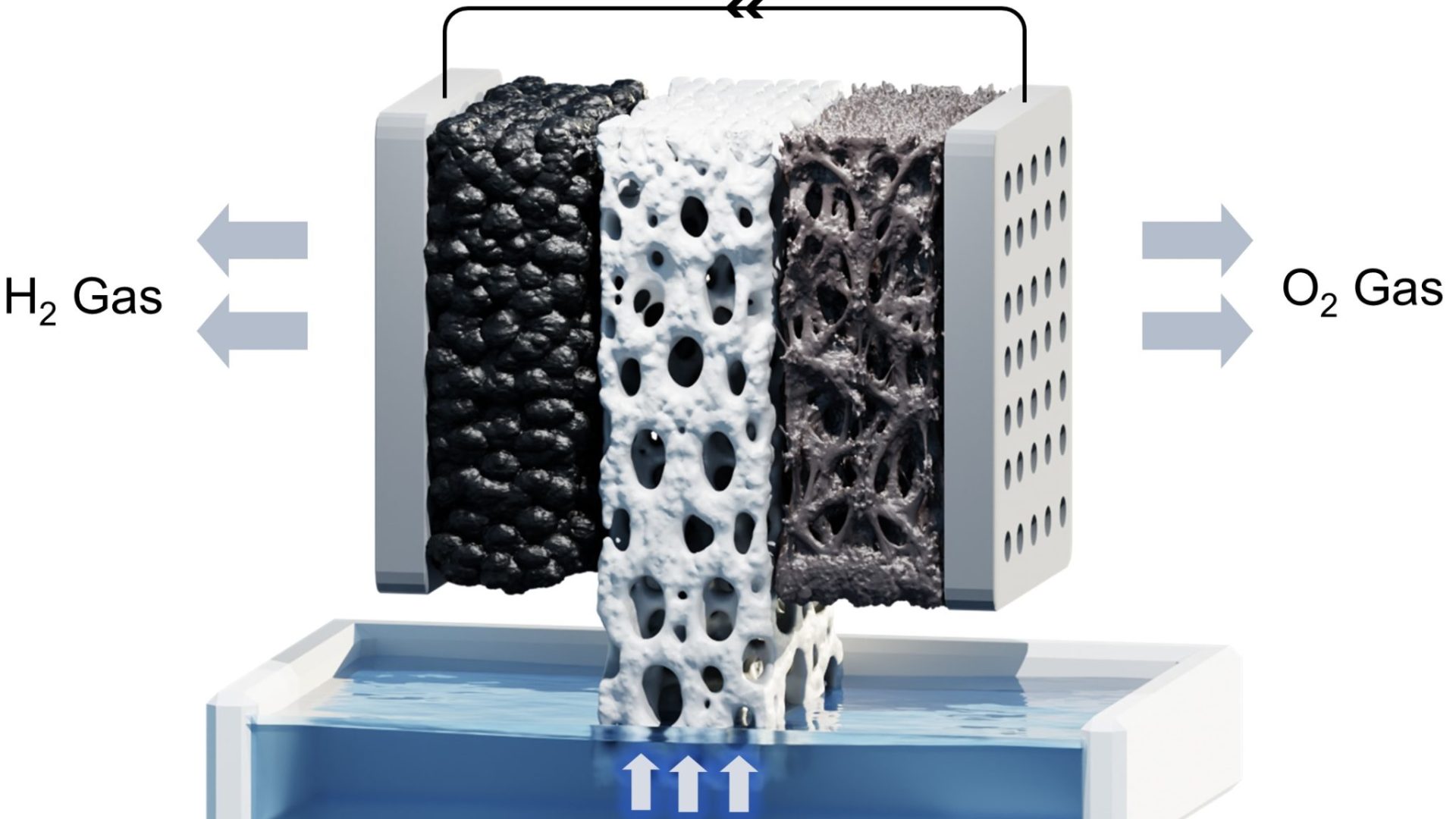
Bubble-free water electrolysis
Design and optimize a bubble-free capillarity-driven flow cell for electrolysis. Investigate the effect of utilizing various electrodes and membranes with different geometries and materials
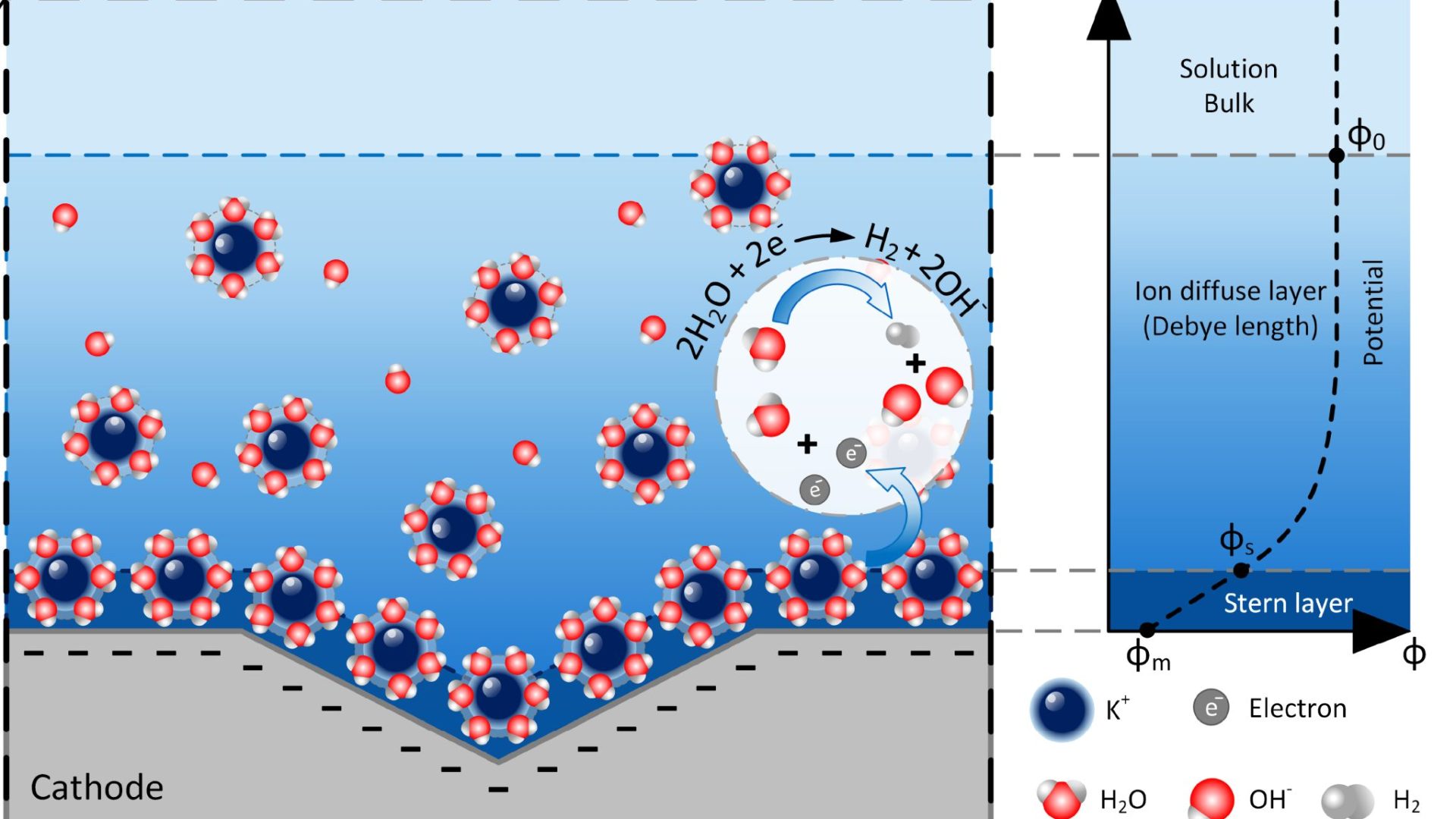
Transport-based modeling of nucleation on electrodes
Prior works generally focused on the thermodynamics of bubble nucleation on electrodes and we consider the coupling between surface geometries and different forms of transport in the electrolytes.
Water Harvesting and Passive Cooling
Leverage novel engineered materials for clean water production and building energy savings
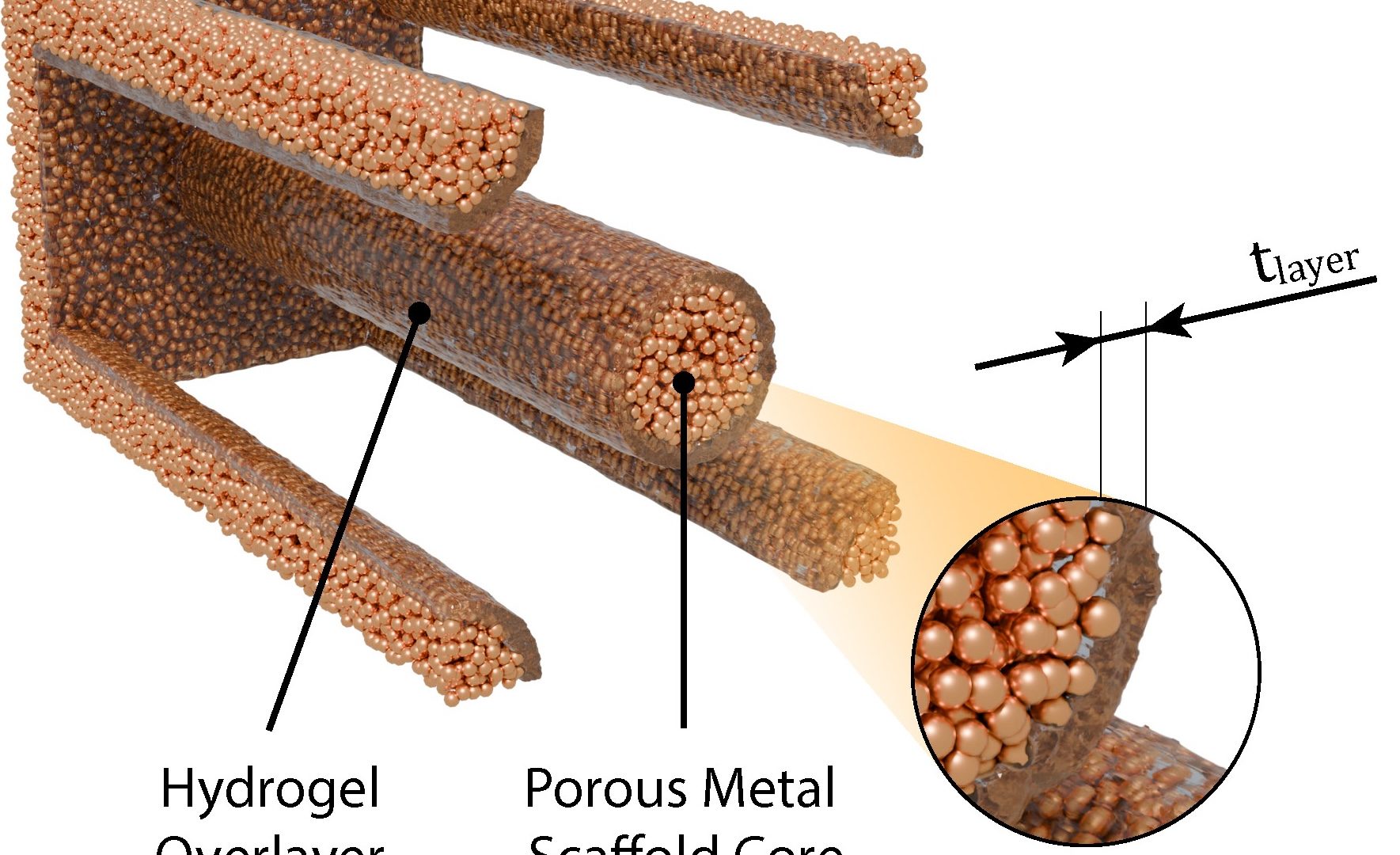
Hydrogel Overlayer on Metal Scaffold (HOMeS)
We demonstrate that evaporative texturing provides significant cooling performance improvement only when thermal coupling to the interface is preserved.
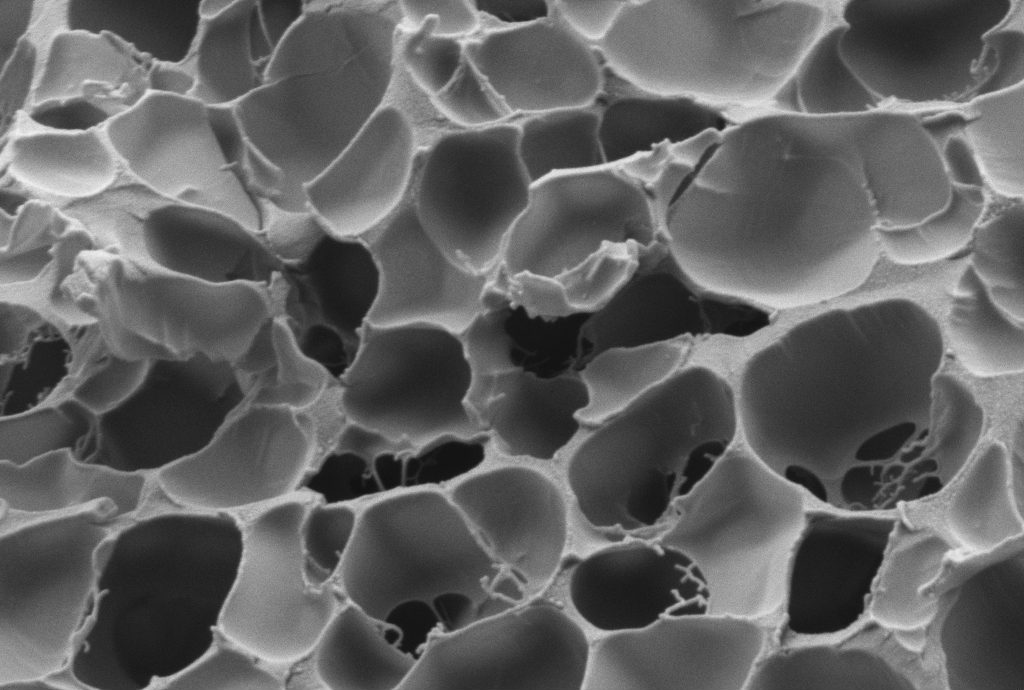
Controlled vapor sorption and smart water release
Hygroscopic metal organic framework (MOF)-based materials are promising for energy-efficient cooling and water harvesting.

Passive radiative cooling
Develop durable, weather-resistant passive radiative cooling panel, delivering silent, maintenance‑free cooling that slashes HVAC loads, lowers operating costs, and shrinks your carbon footprint.