Developing EPFL Educational Programs


The world of science and engineering is rapidly evolving through the expansion of scientific knowledge, the AI-driven transformation of jobs and learning, and a growing emphasis on complex problem solving.
Our degree programs face a double challenge: on one hand, the curriculum expands rapidly, making it impossible to cover ever increasing content in a fixed timeframe; on the other, we are tasked with preparing future experts, leaders and decision-makers to navigate and shape a technological society in constant evolution.
In this context, EPFL is committed to dedicating the necessary time to reflect and work collectively on how to best develop our educational programs so that they continue to equip students with the necessary knowledge, skills and mindset to thrive in this context and develop their full potential.
Responding to this changing environment requires science and engineering programs to:
- Be challenging: Based on high standards of scientific excellence, they must ensure deep mastery of core disciplines such as mathematics, physics and computer science. This foundation enables students to understand the essence of complex problems.
- Provide a compass, not a map: Focus on developing adaptable methods and problem-solving skills enabling students to navigate an uncertain and rapidly changing world.
- Give time to think deeply: Encourage deep engagement with stimulating ideas, making sense of emerging knowledge by creating spaces and allowing time to explore, think, test, fail and reflect.
- Encourage creativity and collaboration: Create opportunities to build, design, innovate, and learn with the students on campus, and with EPFL’s world class labs and researchers.
- Cultivate conscious social impact: Equip students to understand the broader implications of their work, how technology shapes lives, society, and the environment — and to make informed, responsible choices.


- Fewer courses, but worth more credits, along with a working week designed to enable engagement and
- Opportunities to work on complex questions through research and engineering design projects.
- Diversity of pathways to get to the same high standards.
- Connection of technology and science with societal impact.
- Teaching is enjoyable, valued and recognized through teaching career paths.
- Resources needed for excellent teaching (human, physical infrastructure, digital tools, etc.) are identified and provided.
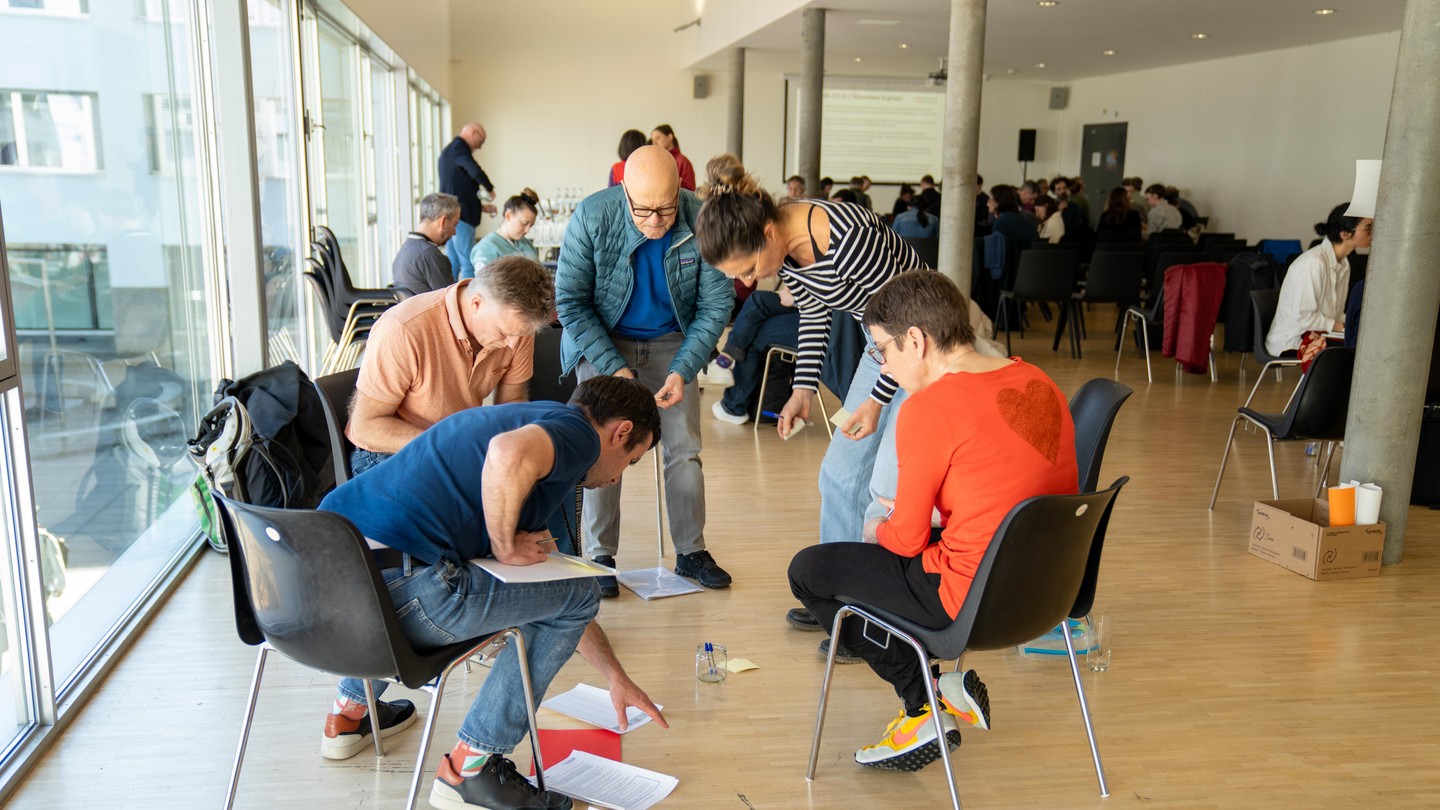
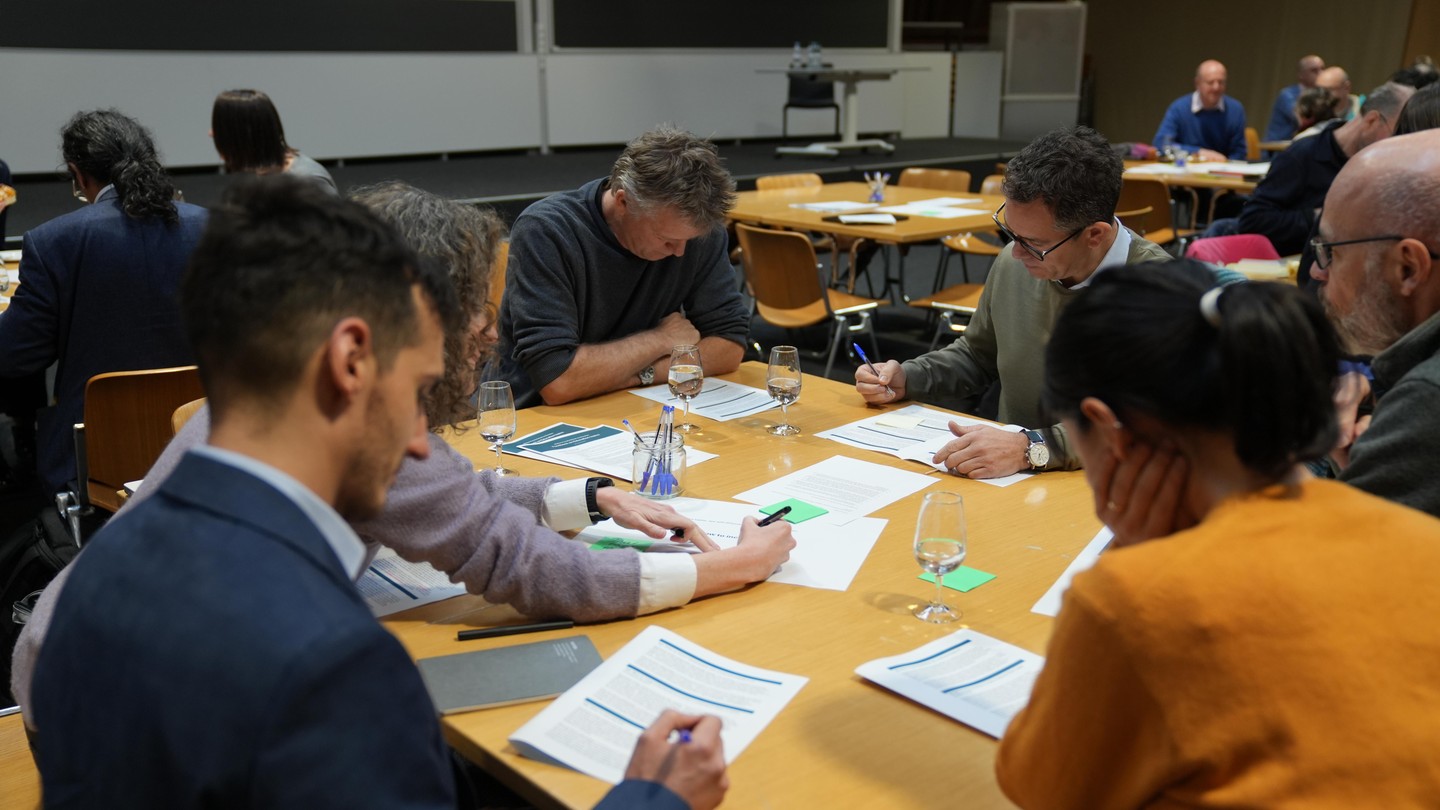
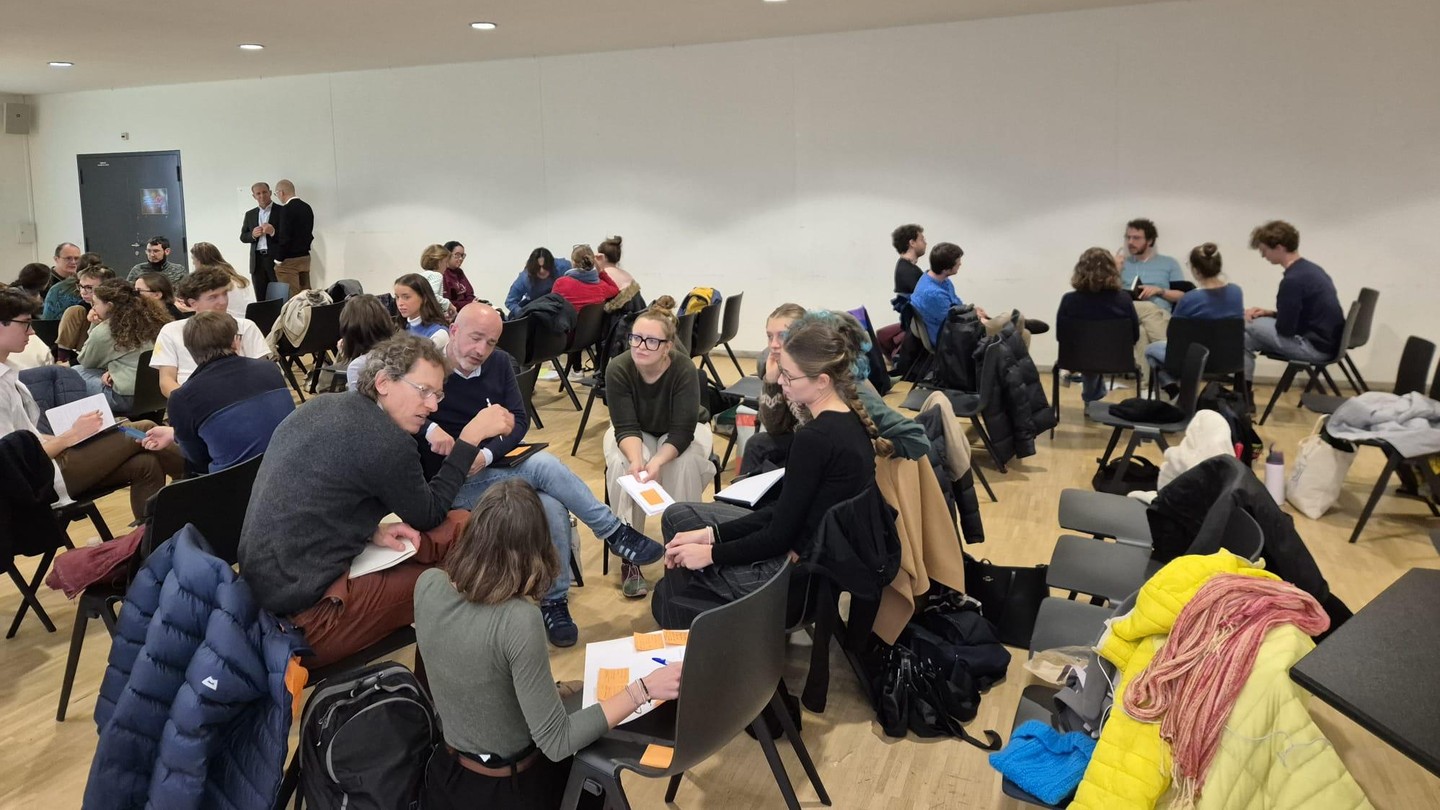
- Five working groups drawn from faculty members, educational leaders and students will lead a process of collaborative design and development.
- Discussion with, and including, the whole community throughout the process.
- A data-driven approach to ensuring that changes are having desired impacts on student and teacher experiences.
- Adequate time to review and plan, before the first phase of implementation in September 2027.