
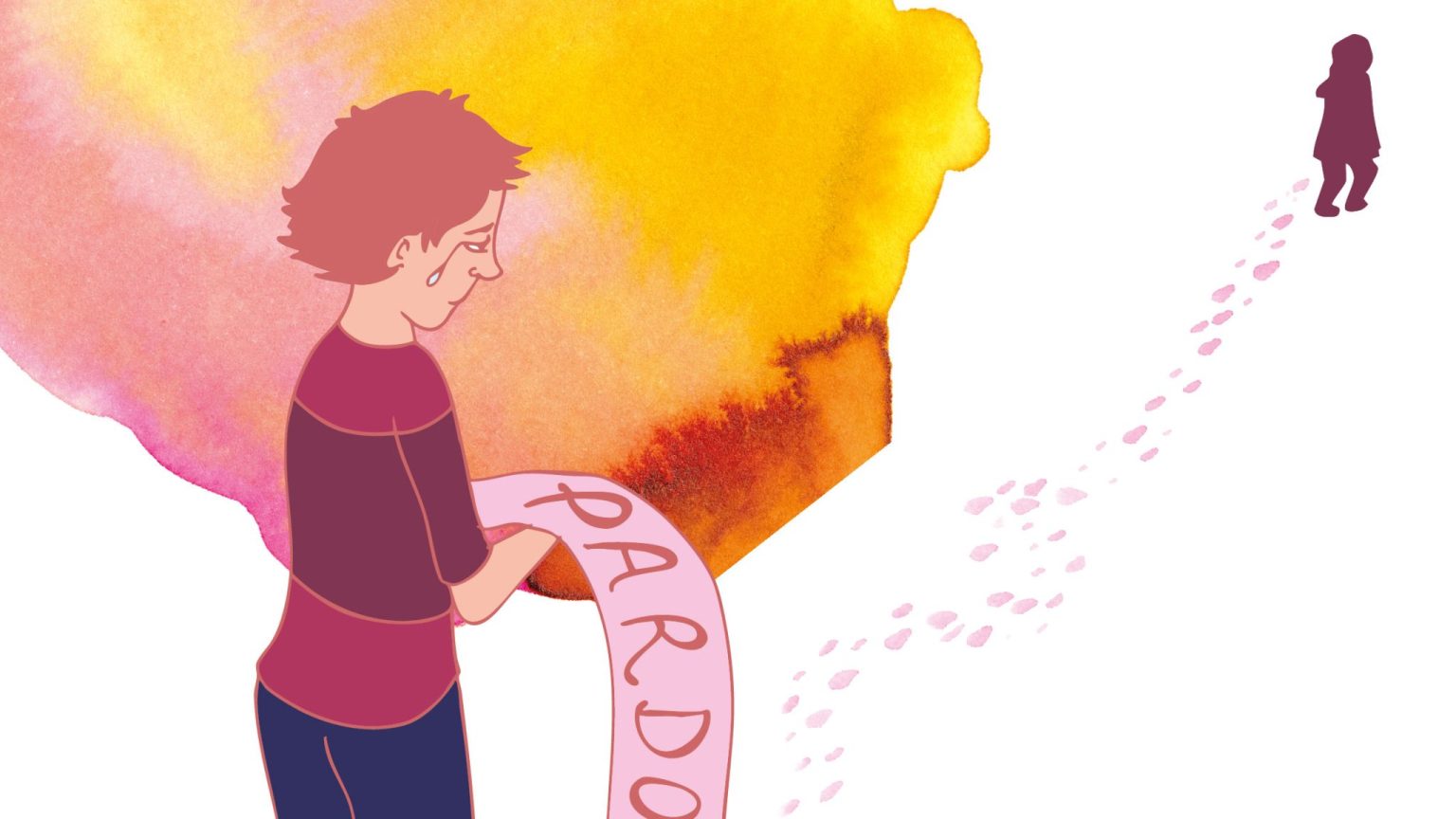
An “ideal” situation! I ask for forgiveness, and the other person accepts my apology. This brings peace of mind to both sides, and sometimes reconciliation is possible.
A “dead-end” situation? I ask for forgiveness, but the other person won’t forgive me. I regret what I did, but the other person won’t hear of it, for various reasons of their own. Perhaps it’s too soon, and the wound is still raw. Sometimes, it’s no longer possible to ask for forgiveness—the person is no longer here. In other cases, the person themselves can’t bring themselves to forgive themselves.
So, what can be done? How can we move forward despite the weight of guilt? Can we forgive ourselves if the other person won’t, if they’re no longer here, or when the guilt is overwhelming?
It is possible, and it requires an inner process of reconciliation:
- Better understand your guilt and acknowledge your responsibility. Guilt arises when we’ve done something that goes against our own values. Guilt is also a sign of our capacity for empathy. In this sense, it is healthy and fosters self-awareness. It then needs to lead to something—it needs to be released. Otherwise, guilt becomes paralyzing and destructive.
- Be kind to yourself. No one is perfect.
- Understand what led you to act that way to prevent it from happening again.
- Sometimes, take concrete steps to make amends.
- Perform a ritual of forgiveness.
All of this helps you forgive yourself.
Support from professionals can help with this personal work.
When forgiveness is difficult, spiritual traditions also offer ways to break through dead ends. Monotheistic religions, in particular, open the door to forgiveness that comes from God. A person of faith can feel loved despite what they’ve done and reconcile with themselves.
We cannot always repair what has been destroyed. But by forgiving ourselves, we can learn to live differently with what has happened.
Olivier Clerc, writer