

DES CÈDRES À DORIGNY,
BÂTIR L’ÉCOLE D’ARCHITECTURE
04.03-29.09.2026
Monday to Friday, 9am–5pm
Open Tuesday evenings until 8 pm
Special opening on Saturday 30 May 2026, 2pm–6pm
Closed on Saturdays, Sundays and public holidays
Archizoom, SG building, Place Ada Lovelace, EPFL
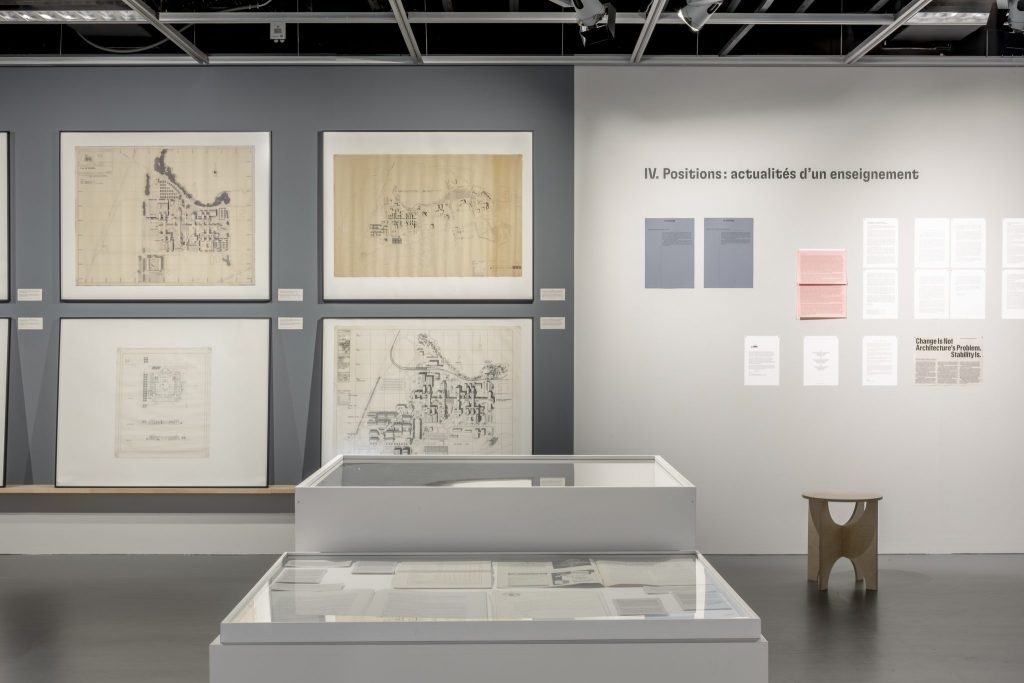
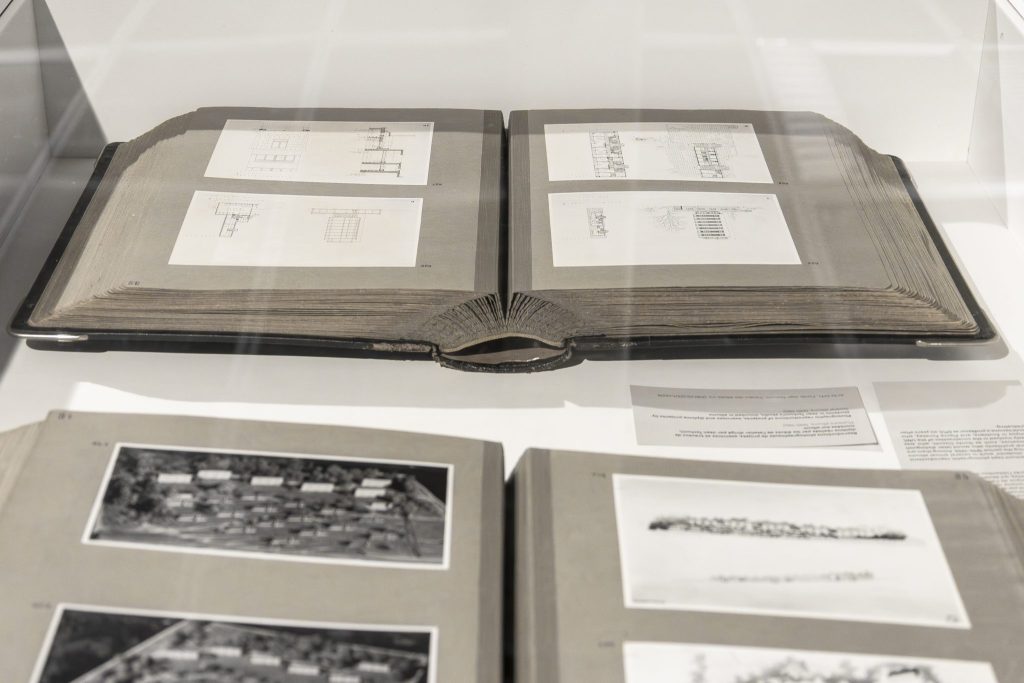
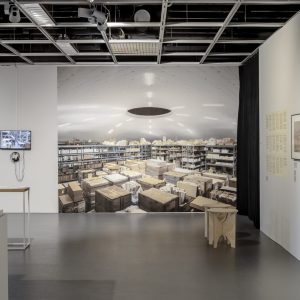
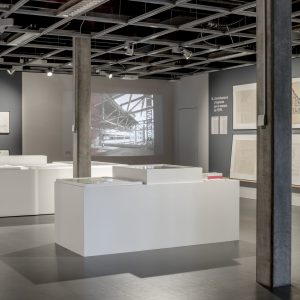
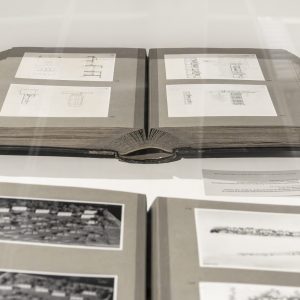
Focusing on architectural projects, both built and unrealised, kept in the archives of modern construction, the exhibition Des Cèdres à Dorigny tells the story of the birth and evolution of the Lausanne School of Architecture. From its beginnings within the EPUL to its integration into the EPFL campus, this historical journey puts into perspective the conditions of architectural education, its relationship with engineering, and the role of archives in building an institutional memory that sheds light on both the discipline of architecture and its teaching.
An exhibition produced in collaboration with the Archives de la construction moderne at EPFL and Marie Bourdon

ACM EPFL. A. Laverrière Fonds.
EVENTS
- Opening! Tuesday 3 March
6.30pm — Lecture by l’Atelier Scheidegger Keller
Followed by an introduction of the exhibition
7.30pm — Exhibition doors open - Lecture by Bernard Tschumi Thursday 12 March
18:30pm — Lecture followed by a conversation with Pier Vittorio Aureli, director of the Institute of Architecture at EPFL - Guided tour Tuesday 17 March
5pm — with an ACM archivist, in French
Followed by the exhibition opening Une éducation au réel. L’atelier Cantàfora à l’EPFL - Festival Les Culturelles at EPFL Tuesday 5 May
5.30-6.30pm — Guided tours of the exhibition Une éducation au réel, by Nicola Braghieri and of the exhibition Des Cèdres à Dorigny. Bâtir l’école d’architecture, by an archivist of the Archives de la construction moderne, in French - SONO 2026 Monday 18 May
International Museum Day
A musical and museum experience organized by Lausanne Musées
- Journée internationales des Archives Tuesday 9 June
5pm — Guided tour of the Archives de la Construction Moderne followed by a guided tour of the exhibition - Guided tour Tuesday 22 September
5.30 — with an ACM archivist, in English
Guided tours are available upon registration.
Guided tours can be organized upon request for groups and schools.

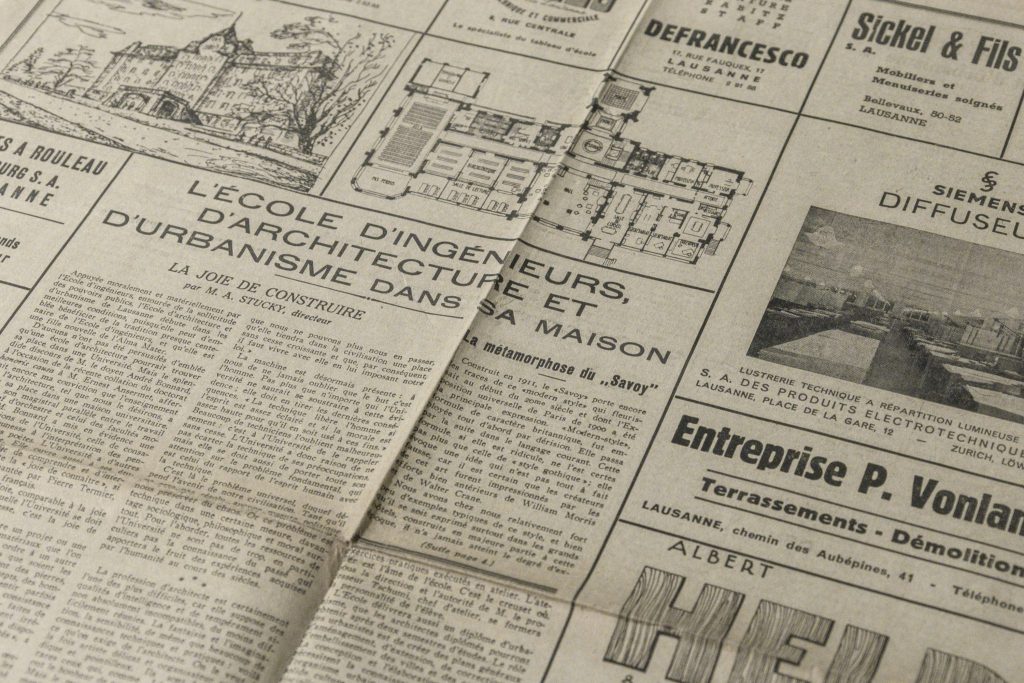
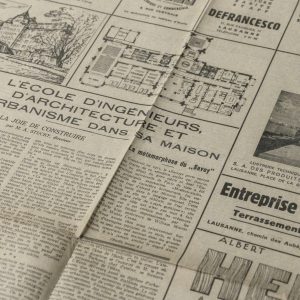
(=The École d’ingénieurs, d’architecture et d’urbanisme moves into new premises in Lausanne) »,
L’Illustré, no 28, 25 November 1943. ACM EPFL. J. Tschumi Fonds
INTRODUCTION
A seminal speech, delivered nearly a century ago by architect Jean Tschumi, opens the exhibition. Rereading this inaugural lecture from the newly founded architecture school in Lausanne allows us to measure the journey taken by the institution and to question its current identity.
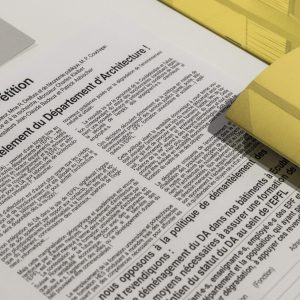
From its inception, the architecture program was affiliated with an engineering school, establishing a close relationship with science and technology from the outset, while maintaining the Beaux-Arts curriculum model structured around the Project Studio. After a period of relative autonomy in the centre of Lausanne, the architecture school joined the ENAC faculty on the EPFL campus in the early 2000s. We present here an overview of some of the buildings and projects that have emerged during these three stages.
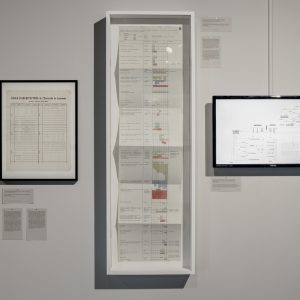
The ACM holds numerous collections, which have been preserved primarily because they reflect professional practices and, in some cases, iconic buildings, rather than for the specific purpose of documenting EPFL or its School of Architecture. Nevertheless, these collections contain documents relating to professors and students who were involved in the history of the school at one time or another. These archives thus reveal the institution in a specific, sometimes central, sometimes marginal way. One of the underlying questions of this exhibition is therefore to reflect not only on what can be told from these documents, but also on what deserves to be preserved today.
Studying the archives requires patient investigative work to find traces, historical analysis to interpret them, and narrative freedom to give these fragments of information a meaning that resonates with the present. To make the archives ‘speak’ is to accept that each answer gives rise to new questions.
This exhibition, like those that will follow, is an invitation to everyone to participate in this collective weaving of knowledge and opinions which, based on primary sources from archival documents, nourishes and renews our discipline and our institution.


THE EXHIBITION
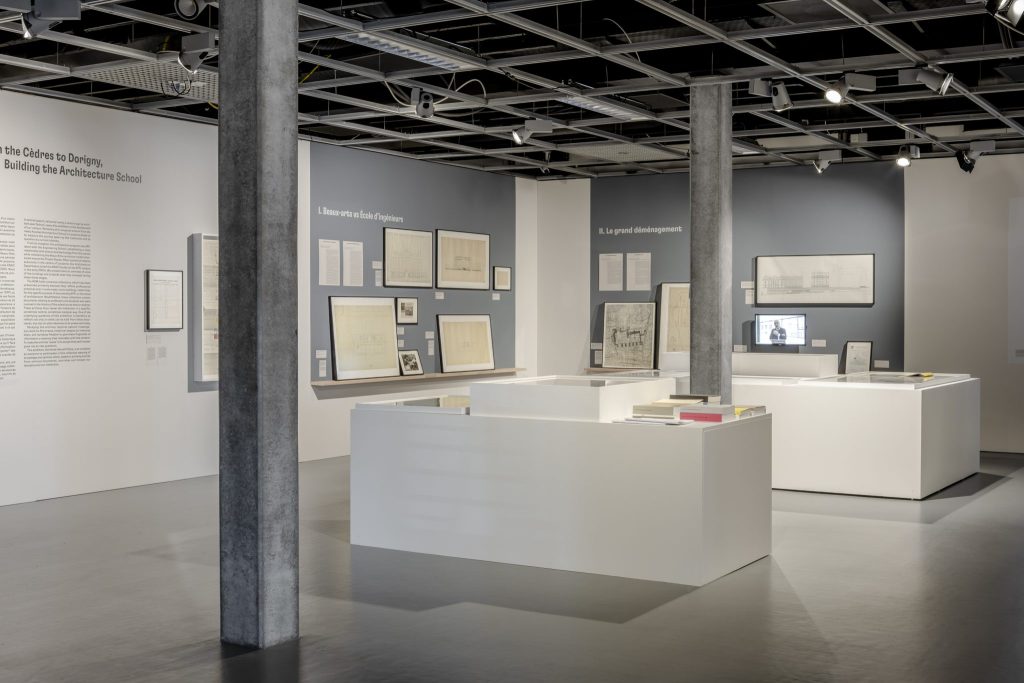
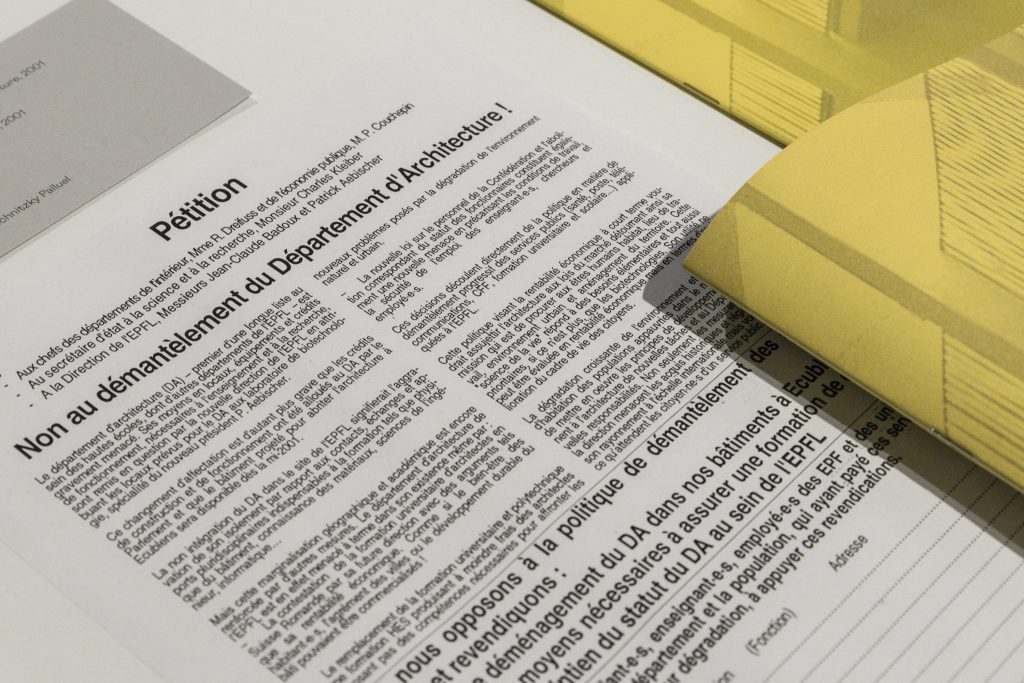
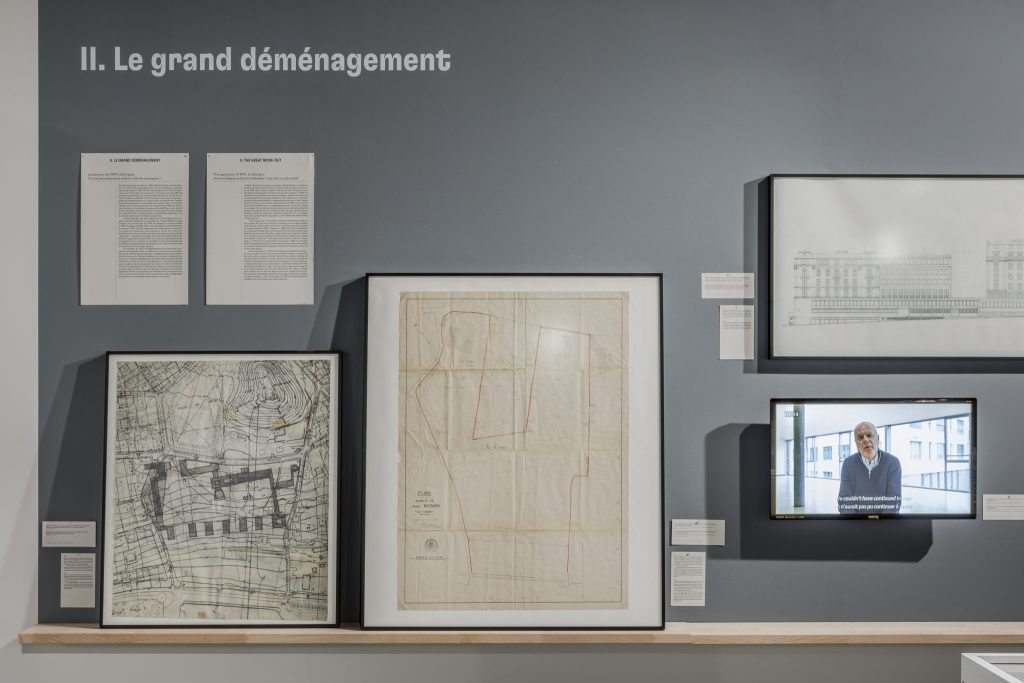
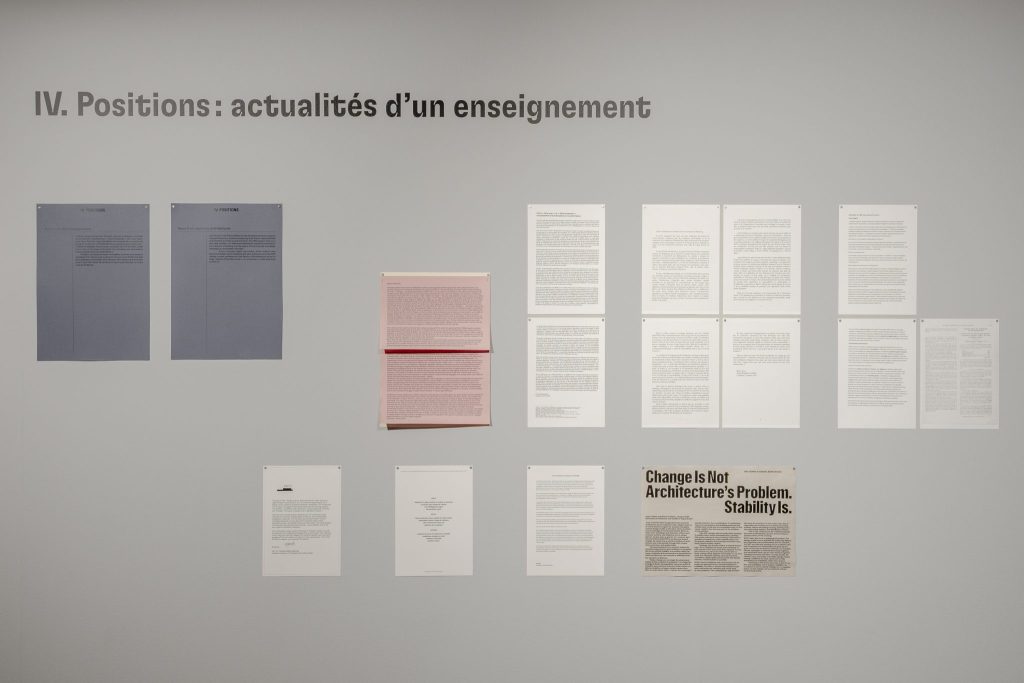
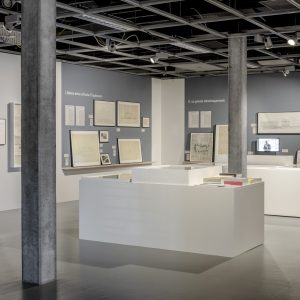
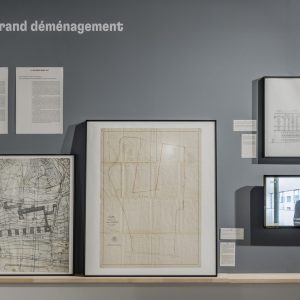
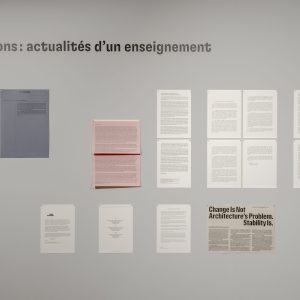
From Les Cèdres to Dorigny is structured in four chapters tracing the evolution of architectural education in Lausanne. The first chapter, Beaux-Arts vs. Engineering School, recounts the founding of the school of architecture during the Second World War, caught between an artistic training inherited from the Beaux-Arts tradition and a technical integration within the engineering school, embodied by the central figure of Jean Tschumi and the Atelier model. The second chapter, Le grand déménagement, follows the expansion of EPUL, the creation of EPFL, and the choice of the Dorigny site against a backdrop of rapidly growing student numbers, while the architecture school simultaneously went through a temporary phase in the city and a pedagogical opening marked by pluralism. The third chapter, The School of Architecture moves to the EPFL campus, presents the debates over architecture’s place within the campus, leading to the department’s relocation to the northern edge of the site—completed in 2000—and its integration into ENAC in 2002. Finally, Positions returns to the founding text of Tschumi’s inaugural lecture (1943) to question, through contemporary perspectives from faculty members, what remains relevant in the discipline’s teaching principles today and how current practices diverge from them.
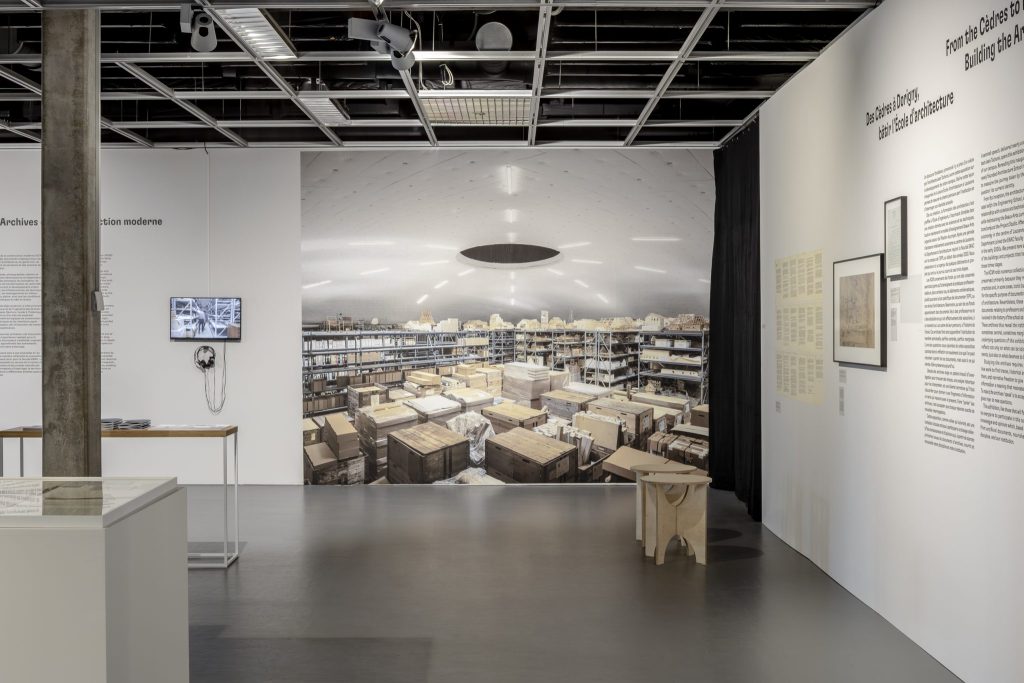
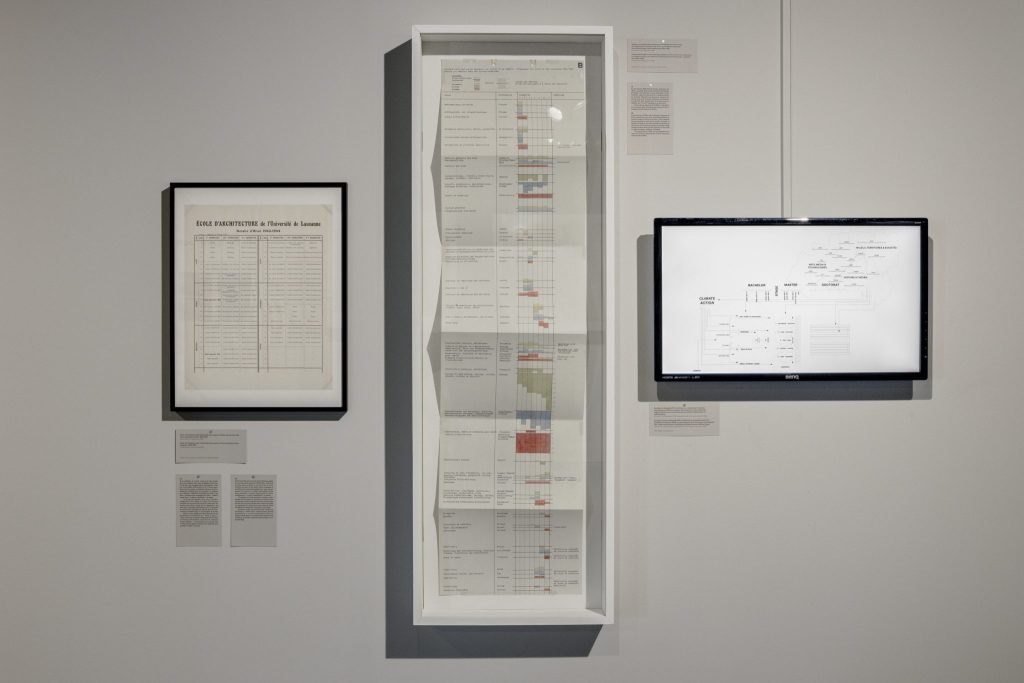
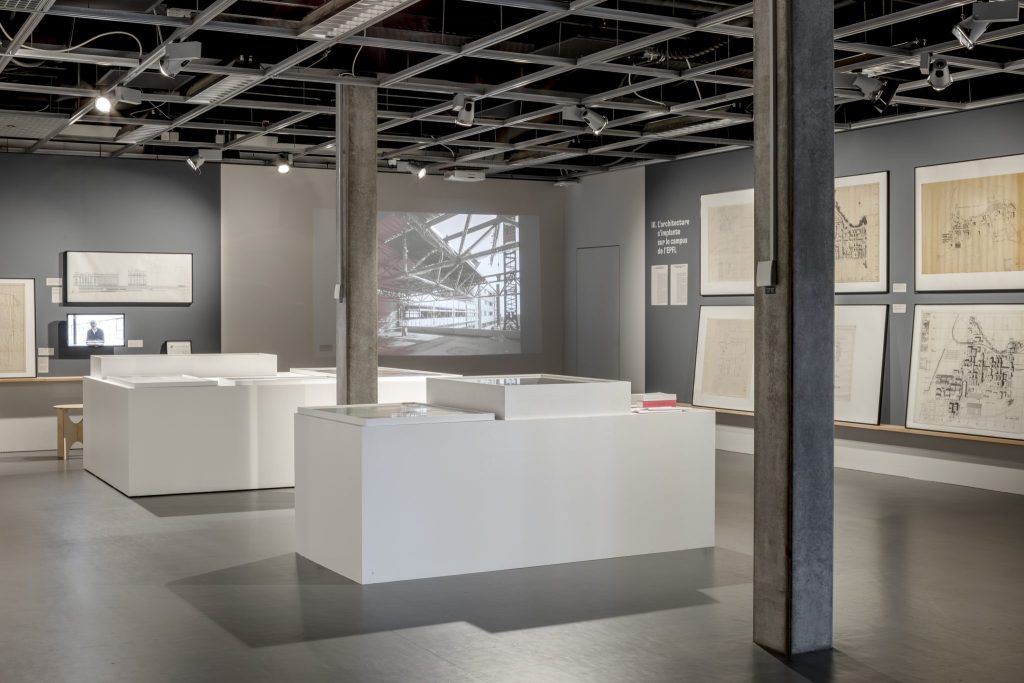

An exhibition produced in collaboration with the Archives de la construction moderne at EPFL
Cyril Veillon
Direction
Barbara Galimberti
Archivist, Head of collection conservation and promotion
Marie Bourdon
Documentary research and curatorial assistant
Kethsana Muong
Archivist, specialist in long-term digital preservation
Chloé Roten
Pre-HES intern
Solène Hoffmann
Communications manager and curatorial assistant
Dimitri Kasparian
Scenographic design and production manager
Beatrice Raball and Francine Eglese
Administration
Sophie Wietlisbach
Graphic design