

UNE ÉDUCATION AU RÉEL
L’ATELIER CANTÀFORA
18.03-05.06.2026
Monday to Friday, from 9 am to 5 pm
Open Tuesday evenings until 8 pm
Archizoom, SG building, Place Ada Lovelace, EPFL
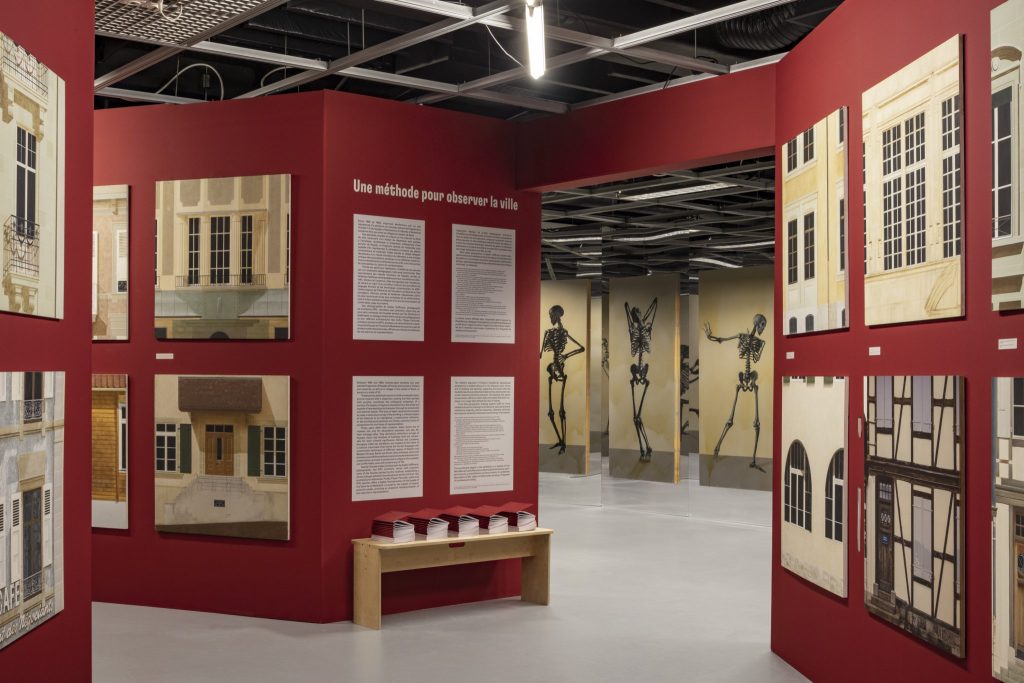
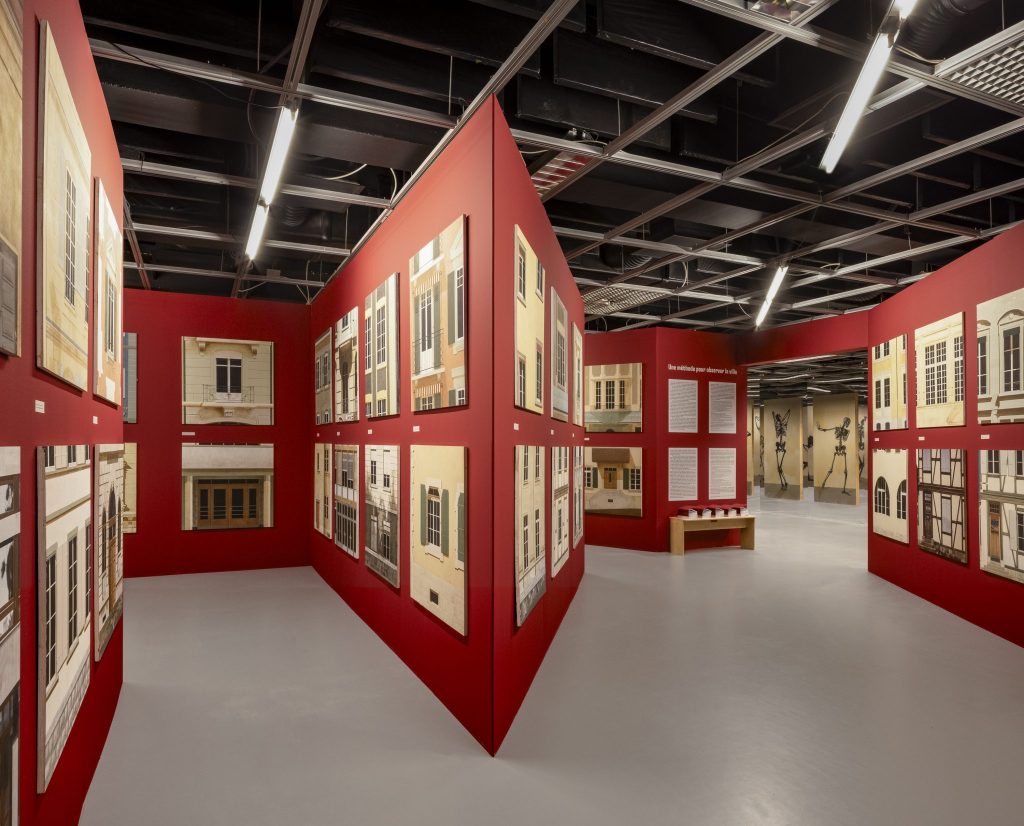
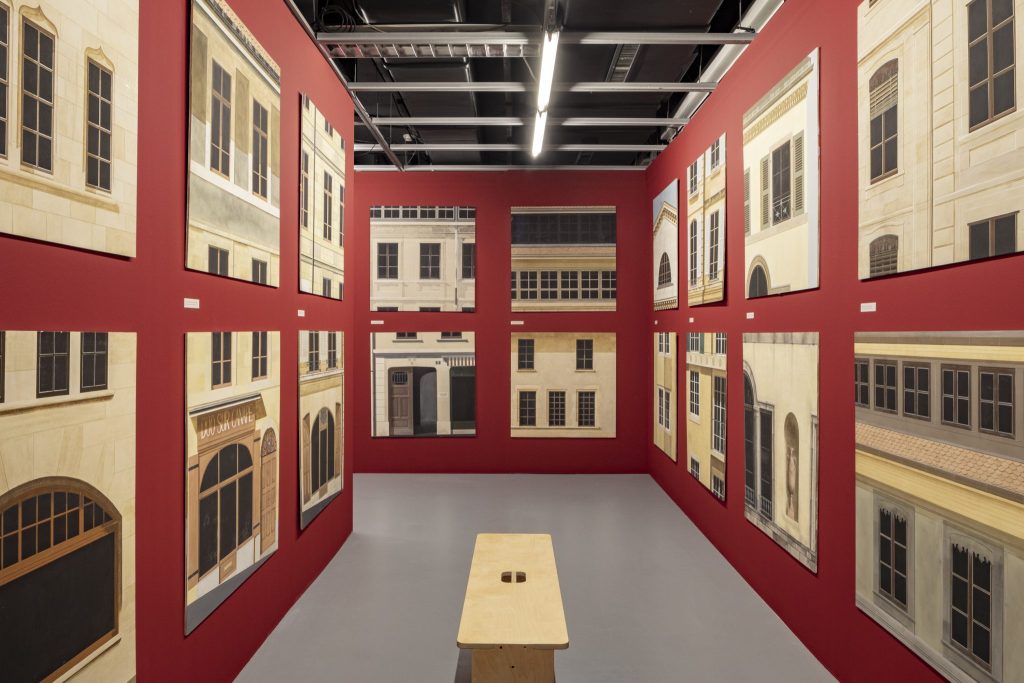
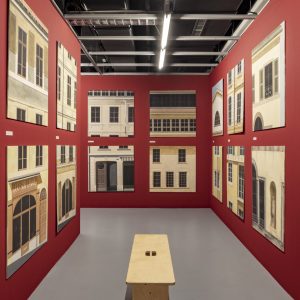
This exhibition explores the vast field of graphic representation in architecture through fifteen years of teaching architectural representation at EPFL at the turn of the 2000s. It presents around a hundred paintings on wood, didactic works produced between 1997 and 2007 in the teaching units of the painter Arduino Cantàfora. They suggest a possible way of making, between thought and actio, where drawing and painting structure a concept and become an essential language for expressing the founding idea of a project. Despite the transition to digital technology, the exhibition conveys the conviction that the artisanal culture of drawing and painting continues to play a fundamental and indispensable role in training architects.
An exhibition produced in collaboration with the LAPIS laboratory at the EPFL’s Institute of Architecture and Urban Planning, Nicola Braghieri, Filippo Fanciotti and Emy Amstein

EVENTS
- Opening! Tuesday 17 March
6.30pm — Discussion between Arduino Cantàfora and Luca Ortelli
7.30pm — Exhibition doors open - Guided tour Tuesday 14 April
5.30pm — by Nicola Braghieri, in French
followed by a School Lecture by Truwant + Rodet + - Festival Les Culturelles at EPFL Tuesday 5 May
5.30-6.30pm — Guided tours of the exhibition Une éducation au réel, by Nicola Braghieri and of the exhibition Des Cèdres à Dorigny. Bâtir l’école d’architecture, by an archivist of the Archives de la construction moderne, in French - SONO 2026 Monday 18 May
International Museum Day
A musical and museum experience organized by Lausanne Musées
- Book launch Tuesday 19 May CANCELLED
Guided tours are available upon registration.
Guided tours can be organized upon request for groups and schools.

INTRODUCTION
Arduino Cantàfora, an architect, artist, set designer and writer from Milan, taught for over twenty years, from 1989 to 2011, at the École Polytechnique Fédérale de Lausanne, where he imparted the theory and techniques of drawing and art history to architecture students. He trained several generations of architects in the observation and representation of sensory reality, encouraging them to translate the shapes of the world into graphic and pictorial expressions. He is the author of hundreds of works preserved and exhibited in museums around the world. Among these, La città analoga (1973) became the manifesto and icon of an era in architecture.
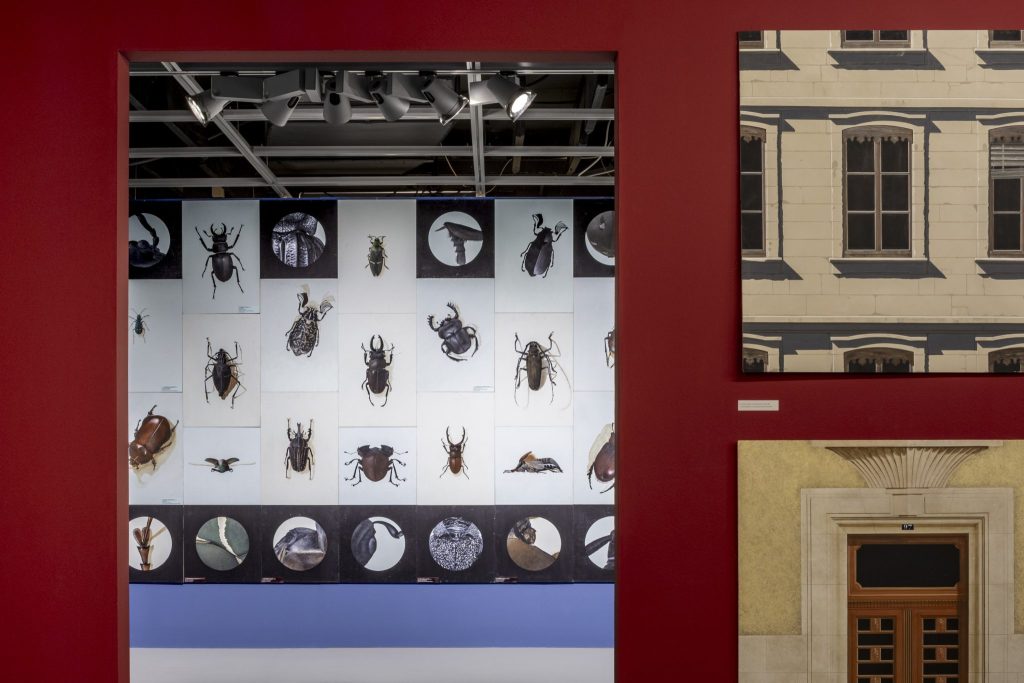
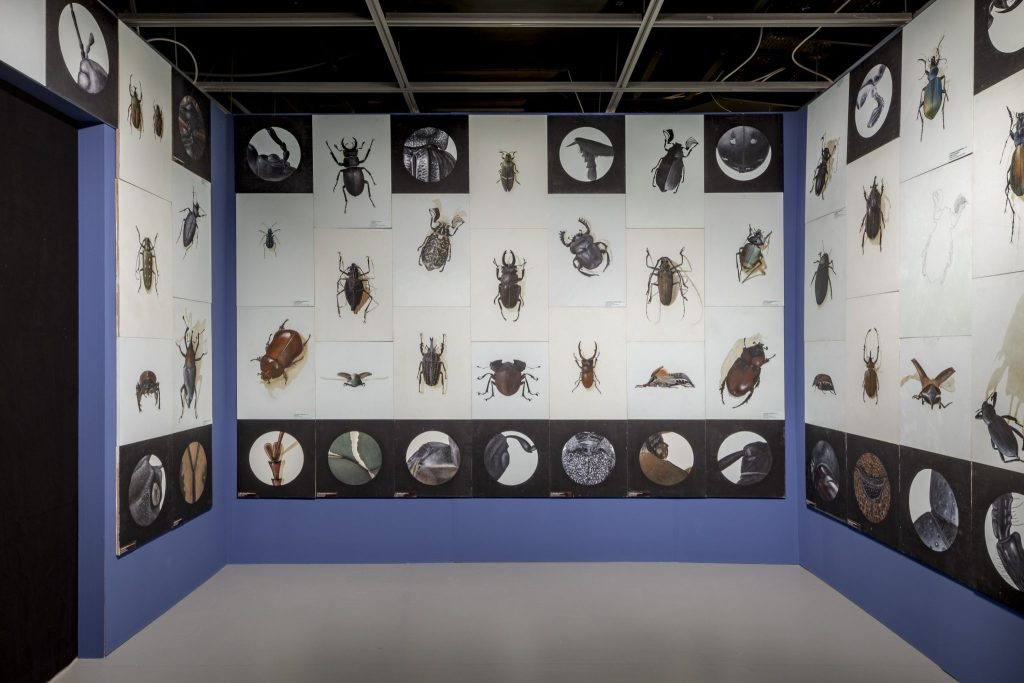
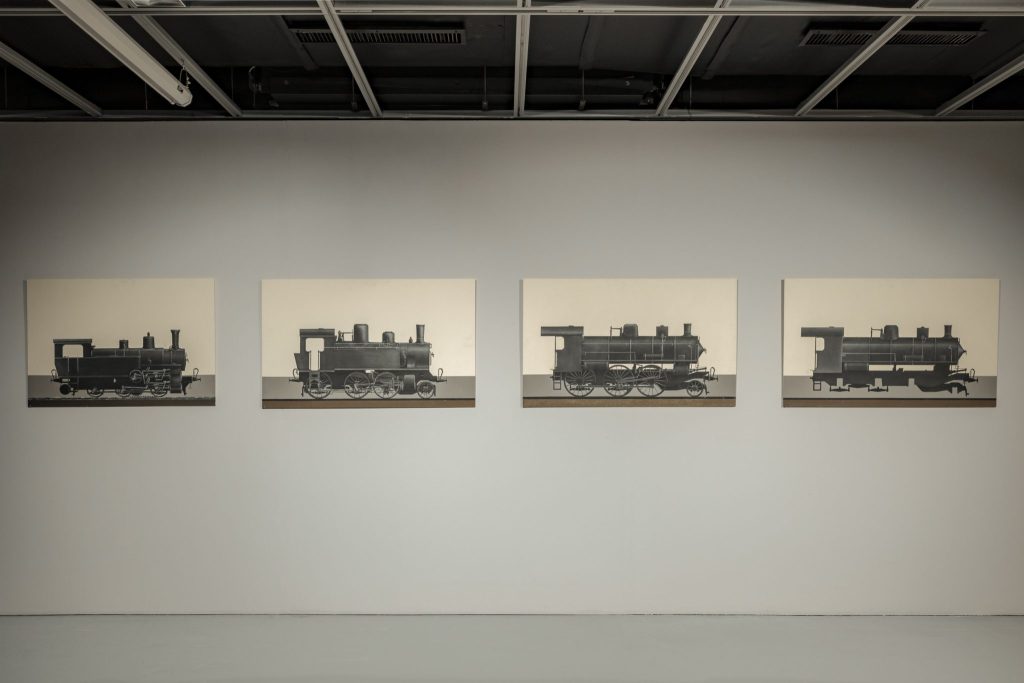
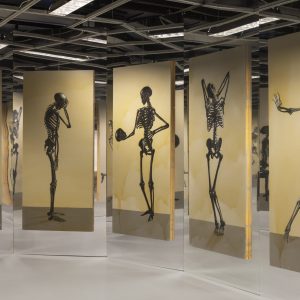
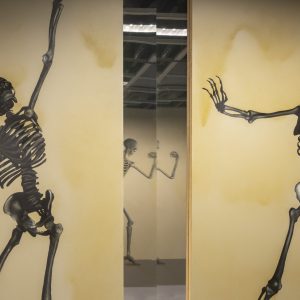
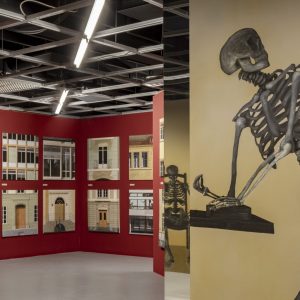
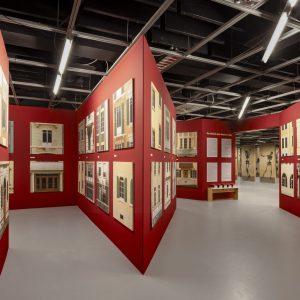
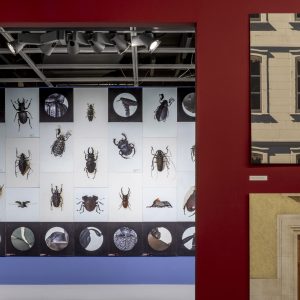
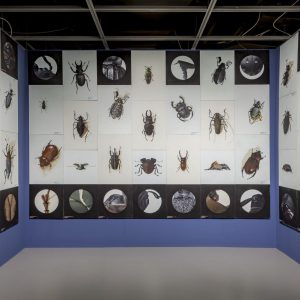
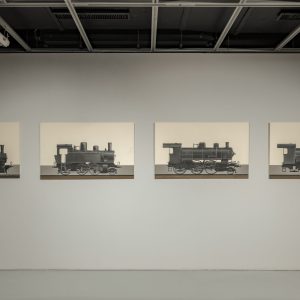
The exhibition project was born out of the discovery of the pictorial works of Arduino Cantàfora’s students: around a hundred paintings on wood, carefully stored at the back of an EPFL building. Human skeletons, beetles, steam locomotives, domestic interiors and, above all, around a hundred fragments of urban facades served as subjects for exercises in the art of drawing and painting. Despite the transition to digital technology, the exhibition conveys the conviction that the artisanal culture of drawing and painting continues to play a fundamental and indispensable role in training architects.

The title, Une éducation au réel, explicitly refers to philosophical and literary questions debated during Arduino Cantàfora’s university years, which later became part of his generation’s cultural heritage. Attracted from a young age by the technical skill and craftsmanship of Caravaggio’s painting, he established the fundamental principles of his profession through his realistic view of architecture and the city. It was through this approach that he cultivated his artistic aspirations, represented his ideas, and ultimately defined the contours of his teaching. The principle that “architecture draws an adequate real space, intended to visually evoke adequacy” became, in Arduino Cantàfora’s educational project, a constant operative principle of his teaching, where representation coincides with its evocative power.
The realistic approach is evident in the artisanal nature of drawing and painting: preparing the board with the students becomes a collective initiation rite; drawing lines is a task requiring technical precision; applying glazes is an expressive catharsis where light and matter come together in an image faithful to its idea of reality. From this perspective, drawing asserts itself as an intellectual tool for training in architecture: a discipline involving collective technical learning and individual critical practice.
For Arduino Cantàfora, observation is a necessary part of the architect’s scientific understanding of reality. Painting is thus a method of inquiry, capable of transforming, through its technical rules, personal interpretation into an objective vision where the surface of the material, shadows, and colors cover the mechanical geometry of the lines. In each plate, it is “always small things, but profound” that emerge as messages laden with meaning, precisely because they constitute an expression that conforms to the reality of the world. This conformity gives the pictorial surface depth of effects and affects.

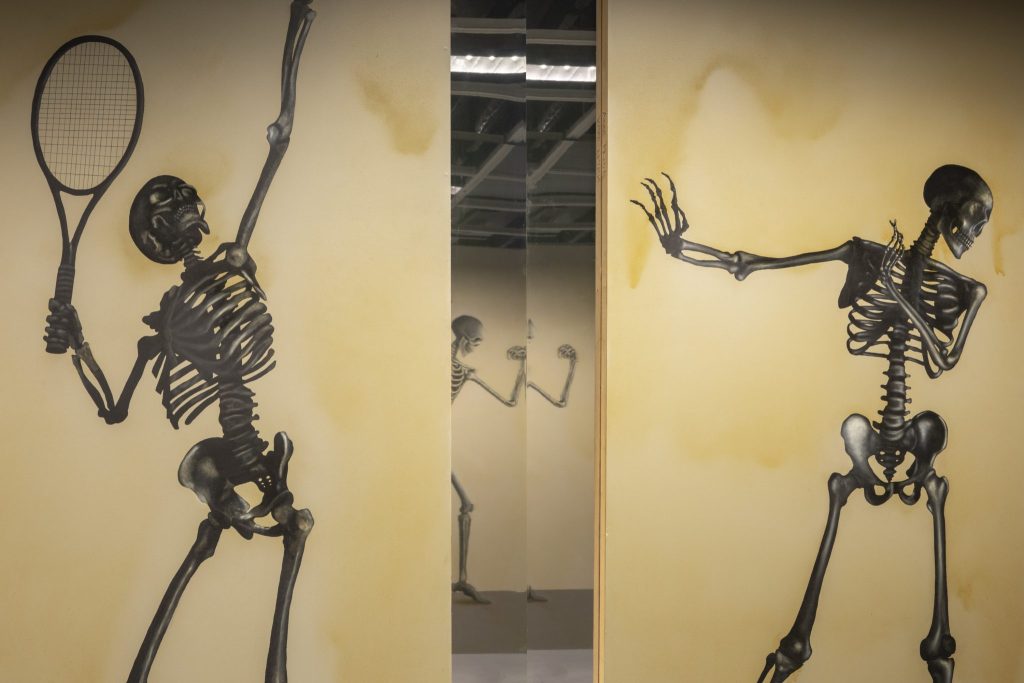
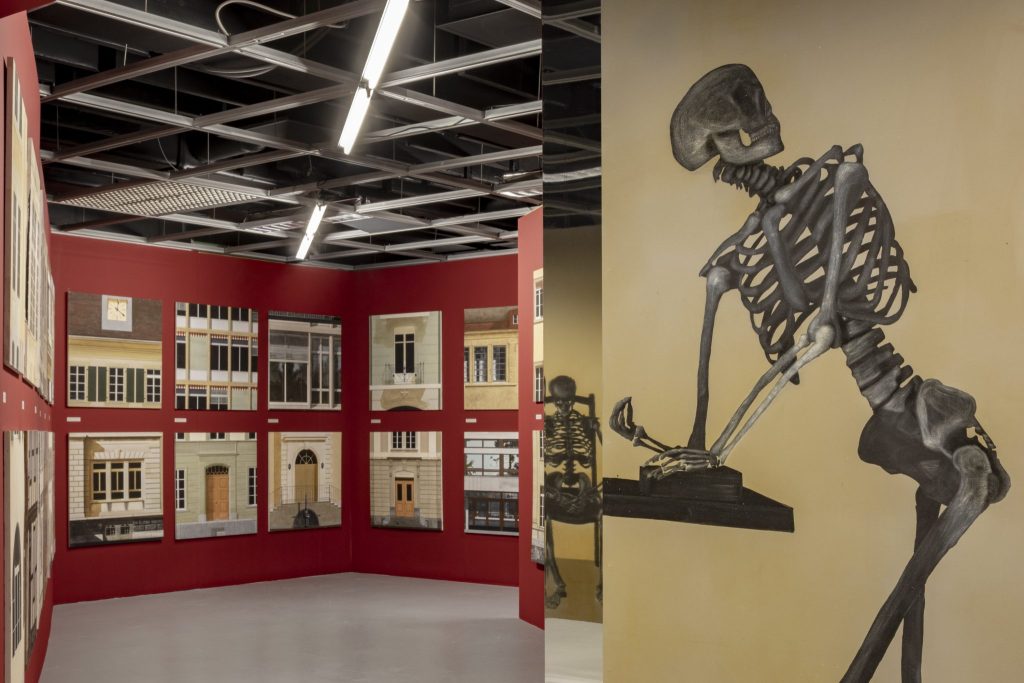

In Lausanne and Mendrisio, I see students explaining their projects to each other through drawings. These drawings may be clumsy, because the amount of time devoted to this exercise has been reduced. Drawing is a language that must be practiced; the more it is practiced, the more it is mastered. This is the challenge I took on at EPFL, demonstrating that with the necessary time, everyone can more or less accomplish the task assigned to them. And I believe that I have succeeded in this challenge.


An exhibition produced in collaboration with the LAPIS laboratory at the EPFL’s Institute of Architecture and Urban Planning.
Within the LAPIS laboratory:
Curation
Prof. Nicola Braghieri
Assistant curator
Filippo Fanciotti
Photographic reproduction of artworks
Emy Amstein
Within the Archizoom eeam:
Direction
Cyril Veillon
Scenography and production
Dimitri Kasparian
Communication and photographic renewal of the facades
Solène Hoffmann
Administration
Beatrice Raball
Graphic design
Sophie Wietlisbach