
The EPFL Associated Campus in Neuchâtel is a centre of excellence at the heart of scientific and technological innovation. With its 12 laboratories and two research centres affiliated with the School of Engineering (STI), it offers a stimulating environment where disciplines, ideas and expertise converge. This fertile ground fosters unique multidisciplinary synergies and strengthens close collaboration between our scientists and our academic and industrial partners.
This 2024 activity report highlights the significant advances made by our scientific community. You will discover the flagship projects of several laboratories as well as the latest achievements of our two research centres, which testify to our Campus’s ongoing commitment to pushing the boundaries of knowledge.
The Campus’s development is also illustrated through a series of key indicators: staff numbers, operating budget and investments. Finally, true to its mission of serving society, EPFL in Neuchâtel is actively involved in promoting science, communication, networking and enhancing the Neuchâtel ecosystem. These actions strengthen the links between science and society and anchor our Campus in its territory.
We hope you find this report inspiring, reflecting the energy and dynamism that drive our community.
A big thank you to all those who contribute every day to bringing it to life.
The ALCHEMY laboratory seeks to integrate chemistry, materials science, and advanced manufacturing to design functional materials with customized form and function. One of the laboratory’s main missions is to develop advanced materials for everyone; to this end, the laboratory is interested in developing accessible chemistries and processing strategies that enable the manufacture of all classes of materials and devices. ALCHEMY hopes to improve access to advanced materials and give the public and the scientific community as a whole the materials they need to solve their own challenges.
The laboratory’s research mission is to model and develop hardware and software systems
based on quantum devices. Particular emphasis is placed on single-photon avalanche diodes (SPADs), ultra-fast cameras, reconfigurable quantum processing and design automation techniques.
Research activities cover a wide range of fields:
• Cryogenic electronics
• SPADs in the near infrared and short-wavelength infrared
• Light detection and ranging (LiDAR)
• Super-resolution microscopy
• Super-resolution microscopy
• Positron emission tomography (PET)
• Quantum random number generation (QRNG)
• Superconducting devices
The laboratory’s teaching mission is to equip engineers and scientists with multidisciplinary knowledge of cutting-edge hardware and software systems.
The Bio/CMOS Interfaces (BCI) laboratory focuses on advanced design technologies for circuits and systems in biomedical applications. It is one of the world’s leading laboratories in the field of designing and manufacturing biosensors on chips and bio-interfaces, targeting DNA- and protein-based networks.
The laboratory’s research focuses on the development of new Bio/CMOS interfaces by integrating new and innovative nanomaterials and biomaterials into the electrochemical sensing surface.
The innovative approach proposed by this group consists of a joint design of the different layers (bio, nano, and CMOS frontend) to improve the integration of these highly heterogeneous systems and overcome the usual limitations of biosensors in terms of specificity and sensitivity.
The group is dedicated to research in bioelectronics and the biophysics of nanostructured and biostructured thin molecular films integrated on micro- and nano-fabricated silicon chips for applications in human diagnostics, remote monitoring of human metabolism, drug detection, personalized medicine, and precision medicine.
Lasers are revolutionizing our daily lives in many areas, particularly in microtechnology, where they are used in design and manufacturing and as a key component in a variety of miniaturized devices.
The Galatea laboratory focuses on the study of matter interaction and how it can be harnessed not only in microfabrication, but also to give materials new properties. The Galatea laboratory focuses on studying matter interaction and how it can be harnessed not only in the fields of microfabrication, but also to confer new and localized properties on matter. Among the topics of study are: the study of manufacturing processes that enable nanometric precision and the creation of structures smaller than the wavelength of a laser, the design of optical circuits made entirely of glass manufactured by laser and combining both active and passive functions, and finally, the study of phase changes in matter at ultra-short time scales and the associated crystallization phenomena.
The Micromechanical and Horological Design Laboratory (INSTANT-LAB), headed by Prof. Simon
Henein, brings together a dozen researchers: scientific staff, postdoctoral fellows and doctoral students. The laboratory specialises in the creation of centimetre-scale mechanisms incorporating kinematics and new technologies. The scientific approach adopted draws inspiration from numerous
fields of mechanical design, such as ancient and modern watchmaking, robotics and aerospace mechanisms. Current areas of application include mechanical watchmaking, biomedical instrumentation and precision mechanisms for metrology.
These are very similar, both in terms of technology and industrial fabric.
In addition to its fundamental and applied scientific mission, the laboratory is heavily involved in project-based teaching for EPFL students in microtechnology.
The Laboratory for Advanced Fabrication Technologies (LAFT) focuses on several highly interdisciplinary research thrusts. The first being the development and application of advanced additive fabrication techniques for realizing precision microelectronic and electromechanical systems. The second explores manufacturing for space and energy generation applications, combining additive manufacturing and nanoscale technology to produce novel chemical, electrochemical, and photoelectrochemical devices. Lastly, they focus on manufacturing for medical devices and biosystems to generate novel knowledge for non-invasive nanoscale solutions.
Through each of these thrusts, they develop new materials, tools, and processes, with a focus on a deep physical understanding. They then apply these capabilities to realize a range of systems in microelectronics, medical devices, precision electromechanical systems, wearables, and sensing and actuation.
LAI specialises in modelling and optimising the design of rotary and linear electric and piezoelectric motors and actuators, in a power range from μW to several kW. It focuses on modelling and optimising designs using deterministic or stochastic methods: sensorless solutions for BLDC motors exploiting a wide range of electromagnetic phenomena; bearingless solutions; machine learning and neural networks (deep learning, convolutional networks) and microelectromechanical systems (MEMS).
The Centre for Artificial Muscles (CAM), in cooperation with its partners in cardiac surgery (University of Bern) and reconstructive medicine (University of Zurich), is working on the development and clinical transfer of a completely new technological approach for artificial muscles in the human body. This centre is closely linked to the Laboratory for Integrated Actuators (LAI).
Other projects are being added to the heart pump: a urinary sphincter for incontinence problems, and facial reconstruction for people who have lost muscle mobility in part of their face.
Research at the Applied Mechanical Design Laboratory (LAMD) focuses on small-scale turbomachinery for decentralised energy conversion. Typical applications range from small gas turbines and compressors for domestic heat pumps to high-speed expanders for waste heat recovery using organic Rankine cycles.
Scaling laws for turbomachinery impose increasingly smaller tip diameters and higher rotational speeds, while reducing conversion powers. Consequently, the main research activities include an in-depth theoretical and experimental study of high-speed bearing technologies and their effects on rotor dynamic behaviour. Gas-lubricated dynamic bearing technologies are particularly emphasised.
In addition, the laboratory specialises in integrated mechanical design and optimisation methodologies to automate the final stages of the design process for complex systems.
The LMTM’s research activities focus on the control and design of microstructures in metals and alloys, using a combination of thermal and mechanical treatments. Microstructural changes are quantified experimentally and modelled numerically at different scales.
The phenomena studied include recrystallisation, grain growth, twinning, texture evolution, precipitation and phase transformations, and cracking.
Beyond investigating the mechanisms underlying microstructural changes and
modelling them, a systematic link is established with the properties of the material. Applications
include the forming of thin or thick metal products, powder metallurgy and additive manufacturing.
The Soft Transducers Laboratory (LMTS) develops flexible yet powerful actuators and sensors. Researchers at this unit develop artificial muscles on a millimetre scale for small mobile robots and on a metre scale to power exoskeletons and assistive devices. Their research focuses mainly on electrostatic actuation and multifunctional stretchable materials.
The LMTS’s main areas of research are:
1. Flexible robotics for fine manipulation, such as silicone-based grippers using electro-adhesion that can safely grasp delicate objects such as ripe fruit.
2. Autonomous soft machines, swimming or crawling, using miniaturised electrohydraulic actuators to move fins or legs, and equipped with an on-board electronic system for navigation.
3. Assistive exosuits, made possible by high-energy-density fluidic, phase-change and electrostatic actuators integrated into textiles.
4. Portable haptic displays for VR/AR applications and for visually impaired users.
5. Environmentally friendly MEMS processes and applications, using additive manufacturing for electronics and eco-resorbable and bioresorbable sensors.
The laboratory’s main mission is to develop the science and technology of advanced photovoltaic cells and modules. It also addresses aspects of solar integration into new energy systems, in connection with storage and electric mobility.
PV-LAB’s research activities cover a wide range of activities related to the field of photovoltaics, with a focus on advanced thin-film manufacturing processes, diffusion, oxidation, etc. The laboratory has mastered the manufacture of new silicon solar cells using passivating contacts with thin tunnel oxides or heterojunctions. The laboratory has set several records and innovations in the field of new perovskite/silicon cells, with the first certified breakthrough to over 30% in 2022. The manufacture of solar panels for building integration and mobility, performance and reliability testing of cells and
panels, analysis of electricity production from PV and its integration into the electricity grid, in conjunction with the energy system (electric mobility, heat pumps, wind power, etc.) are among the research topics.
The techniques developed for the manufacture of solar cells are also used for the development of detectors for advanced medical or optical applications.
Founded in 2018 with the support of the Werner-Siemens Foundation, the Centre for Artificial Muscles
(CAM) is dedicated to the development of implantable actuators and innovation in key areas of human health such as cardiac assistance, urology and facial paralysis. In collaboration with its partners in cardiac surgery and urology at the University of Bern and in reconstructive medicine at the University of Zurich, the CAM aspires to become a global leader in the development and clinical transfer of a new technological approach to artificial muscles for the human body.
Activities
M2C efforts are focused specifically on the latest advances in additive manufacturing and free-form technologies. They are specialized in the micro-fabrication of smart components and systems and in the processing of high-precision free-form materials, including the creation of nano and microstructures.
Objectives
MC2 fosters collaborative exchanges among academic, institutional and industrial participants by:
– offering multidisciplinary technology platforms and meeting locations to foster interactions,
– identifying and coordinating research in such fields as miniaturization; portability; integrated functionality; low energy consumption; durability; and material optimization,
– forwarding additive/advanced manufacturing technologies in ways that are economically viable and environmentally sustainable compared to traditional methods,
– ensuring that technological gains are efficiently transferred to the manufacturing companies for actual impact in the economy,
– developing training procedures and programs in connection with the doctoral school of advanced manufacturing (EDAM) to further continuing education.
Some research highlights:
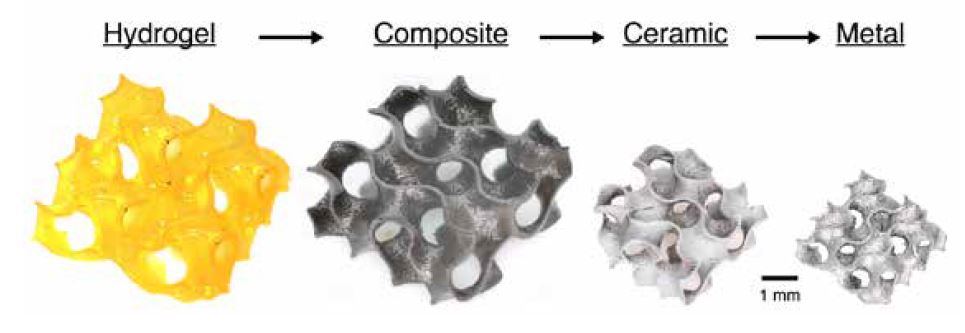
1. A hydrogel matrix shaping process that allows 3D-printed hydrogels to be transformed into composites, ceramics, or metals after fabrication.
2. 3D-printable boronate ester-based elastomers with self-healing properties
3. A custom LCD printer that uses a single tank and a single resin to manufacture multiple materials;
4. 3D-printable semi-crystalline polymers that are resistant to acids and bases;
5. Photo-switchable additives
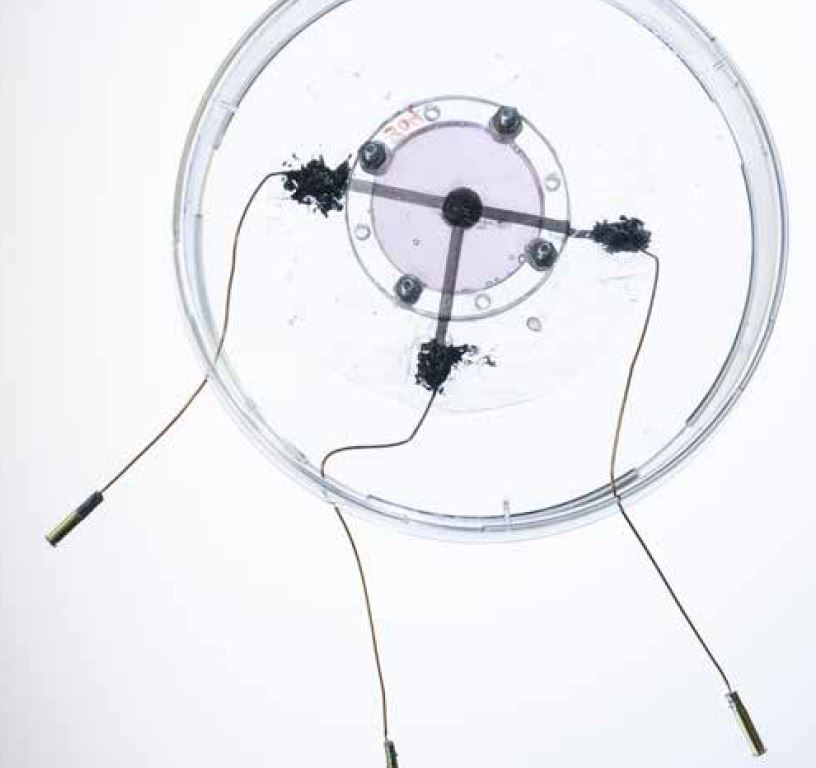
This year, CAM successfully completed its fourth series of pre-clinical tests. The first minimal cardiac assistance system is now evolving into a fully-fledged left ventricular assist device (LVAD), thanks to an innovative pre-stretching system. In the field of facial paralysis, CAM’s research has reached a decisive milestone: for the first time, artificial muscles controlled by a nerve have been implanted on the back of a rat, turning hope into reality. At the same time, advances in urology mark a key milestone: bladder cells have been implanted on a platform capable of reproducing the natural deformations of the bladder, thus integrating biology as a new fundamental axis of the centre’s developments. The CAM also manufactured its very first artificial urinary sphincter based on an ongoing assembly of the dielectric elastomer actuator (DEA) cardiac assist device.
These major advances were recognised by the Werner Siemens Foundation committees, which
honoured the CAM with a visit during this pivotal seventh year. On this occasion, the centre’s scientific staff were able to present their roadmap in detail and reaffirm their commitment to developing concrete solutions to meet patients’ needs.
The centre’s research is now entering a crucial phase: transforming the work into a medical device capable of providing long-term support to the heart. The next key step will be the launch of chronic tests within the next two years. To achieve this, CAM staff will need to optimise the device to make the surgical procedure less invasive, in particular by developing a fully integrated control system, including power supply and sensors, while ensuring reliability and biocompatibility. For patients with facial paralysis, future work will aim to refine movement control to enable true facial expressions, with more pronounced skin movements in animal models.
Biologically, future trials will seek to demonstrate genotypic changes induced by cyclic deformations on the platform. Finally, validation of the artificial sphincter will require precise characterisation of the flow inside the tubular DEA in order to provide rigorous confirmation of the approach used.
Among the highlights in 2024, the team carried out an initial demonstration of the local transformation of Tellurite glass into a semiconductor phase of tellurium. Thus, without adding any material, an insulating glass becomes conductive simply by exposure to ultra-fast laser pulses of around 100 femtoseconds. In particular, we demonstrated the photoconductive properties of these modifications, opening up new prospects in the field of energy generation and transparent “smart” surfaces that react to their environments.
Another notable development is the launch of the spin-off company “Cassio-P”, which will market miniaturised femtosecond laser sources, mainly based on micro-machined glass, the result of research carried out at the laboratory, notably as part of a project funded by the prestigious European Research Council (ERC).
Flexible pivots are widely used in precision mechanisms to eliminate friction, wear and lubrication issues associated with sliding pivots or ball bearings. However, known flexible pivots generally have the disadvantage of introducing unwanted displacement during rotation. Solutions known to date for cancelling out these undesirable parasitic translations generally result in a loss of radial rigidity, a reduction in angular travel and non-linear moment-angle characteristics. In 2024, a new family of flexible pivots called QUADRIVOT was invented and patented by INSTANT-LAB. These pivots are based on a new kinematic system with zero parasitic displacement, while mitigating the disadvantages of certain known pivot structures. Based on this invention, three symmetrical architectures were designed and implemented. The results show that these new pivots are an order of magnitude more rigid radially than known pivots, while having zero parasitic displacement properties and equivalent angular strokes. These advantages are essential for applications such as mechanical time bases for watchmaking, surgical robotics, and optomechanical mechanisms.
Prototypes made of polymer, titanium alloy and silicon for experimental validation.

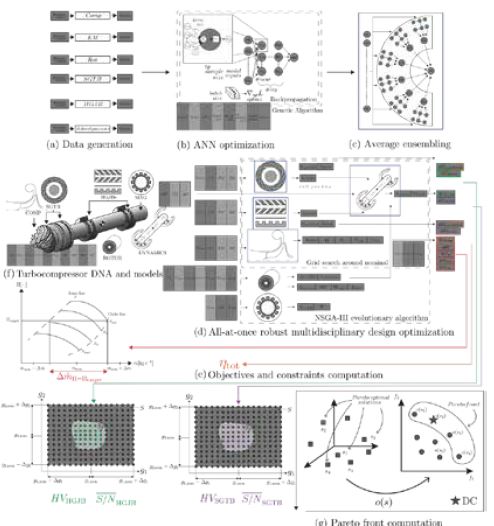
In his doctoral thesis, Soheyl Massoudi advanced the design of gas-bearing turbochargers using AI and innovative optimisation methods. Taking into account real manufacturing imperfections, he developed a generic design and optimisation framework to identify efficient systems that are robust to manufacturing imperfections. His designs were tested experimentally to validate the concept of design robustness, suggesting increased tolerance ranges, which facilitates industrialisation and reduces costs. He then extended his tool to the automated CAD generation of gas-supported turbochargers to streamline the design process for complex systems. His tools and ideas promise to transform industries that use high-speed machines in heat pumps, fuel cells, and organic Rankine cycles.
The LMTM has developed a new alloy that adds aluminium to a well-known austenitic stainless steel.
When manufactured using 3D printing, this material achieves exceptional hardness values. It is also
suitable for the production of structured microstructures, optimally combining the
properties of hardness and ductility. Article here
The LMTM has developed a new hybrid additive manufacturing process combining powders and
metal sheets. This process reduces residual stresses at the interfaces between different materials, such as aluminium or titanium, and reduces the risk of cracking. Article here
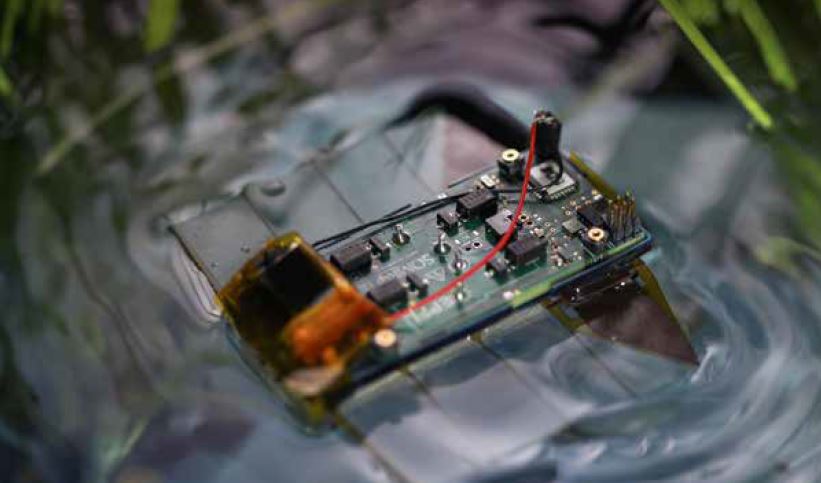
The LMTS has developed a compact and versatile swimming robot capable of manoeuvring in confined spaces and carrying payloads much heavier than itself. Smaller than a credit card and weighing only 6 grams, this agile robot is ideal for environments where space for manoeuvring is limited, such as rice paddies, or for inspecting aquatic machinery.
The research was published in Science Robotics.
Unlike traditional propeller-based systems, the EPFL robot uses silent, undulating fins for propulsion, inspired by the ribbon-shaped bodies of marine flatworms. This design allows the robot to blend into the natural environment and, thanks to its light weight, float on the water’s surface like a leaf.
The robot achieves unprecedented manoeuvrability by using four artificial muscles to activate the
fins. In addition to swimming forward and turning, the robot is capable of swimming backwards and sideways – agility similar to that of a quadcopter drone, but adapted to aquatic environments.
The M2C and the site’s laboratories are continuing their efforts to strengthen equipment sharing across the Campus. With the support of the Centre for MicroNano Technology (CMI), which provides practical assistance with user management and access, several pieces of equipment from the LAFT, LAI and PV-LAB have been made available to the Campus’ scientific staff community. These devices, for which pricing is currently being finalised, are placed under the responsibility of the respective laboratory staff, acting as ‘super-users’ in charge of ensuring proper operation and training users.
Among the notable results of 2024 was a research project conducted in collaboration with the company 3S, which established a method for separating reversible parameters that cause a decline in the performance of a PV system from parameters that are intrinsic to the system and lead to its long-term degradation [1]. Also noteworthy is a predictive model of electric vehicle charging needs in 2025 [2],
the development of tandem bifacial cells (heterojunction/perovskites) deposited by a hybrid method
[3], a reduction in defects in formamidinium-rich perovskite materials and their stability [4], accompanied by several key results on this type of device [5, 6]. Also noteworthy are important articles on coloured solar modules [7], module reliability [8], more resistant tunnel oxide layers [9], and the use of detectors to measure proton beams in medical therapies [10]. More than 30 articles have been published.
1] Quest. et al. Progress in Photovoltaics: 32(11), pp. 774–789 (2024) – [2]. Jeannin et al. International Journal of Sustainable Energy Planning and Management 41, pp. 45–57 (2024) – [3] MR Golobostanfard, Nano Energy, 131, 110269 (2024) – [4] Mostafa Energy and Environmental Science , 17(11), p. 3832–3847 (2024) – [5]Turkay et al. Joule 8(6), pp. 1735–1753 2024 – [6] Kerem et al. Advanced Materials, 36(21), 2311745 (2024) – [7] A. Borja Block et al Energy and Buildings 314, 114253 (2024), Borja Block, et al Solar Energy, 267, 112227 (2024) – [8] O. Arriga Arutti. Progress in Photovoltaics, 32(5), pp. 304–316 (2024) – [9] Libraro et al. ACS Applied Materials and Interfaces, 16(36), pp. 47931–47943 (2024) – [10] N. Wyrsch, et la, Radiation Measurements 177, 107230 (2024)
- Jad Benserhir (AQUA) was a finalist for the IMS/RFIC 2024 Best Paper Award.
- Vladimir Pesic (AQUA) received the 3rd prize for Best Paper at the IEEE Quantum Week conference in the field of quantum photonics.
- Prof. Sandro Carrara (Bio/CMOS) received the Scientist Medal from the International Association for Advanced Materials – August 2024, Stockholm (Sweden).
- Prof. Sandro Carrara (Bio/CMOS) won the 2024 Best Paper Award from the IEEE Journal Sensors Letters.
- Prof. Sandro Carrara (Bio/CMOS) won the Best Poster Award at the European Materials Research Society’s ‘Progress in Unconventional Electronics and Sustainable Flexible Sensing Technologies’ symposium, May 2024 (Strasbourg, France).
- Emilie Bezerra from the BIO/CMOS laboratory won the award for best poster at the European Materials Research Society’s symposium ‘Progress in Unconventional Electronics and Sustainable Flexible Sensing Technologies’ in Strasbourg, France.
- Mattia Petrelli, Ata Golparvar, and Ali Meimandi (Bio/CMOS) won the award for best article published in the previous year in the journal IEEE Sensors Letters.
- Tolga Veske (Bio/CMOS) won the EPFL LEM Award for excellence in his master’s thesis.
- Antoine Duret (GALATEA) received the award for best PhD poster at Edam DAY in Neuchâtel (Switzerland).
- Chrysoula Stathaki (GALATEA) received second prize for best student presentation at the Spie Photonics West conference in San Francisco (USA).
- Luca Pedro (INSTANT-LAB) won the OMEGA Prize Student Award for his master’s thesis ‘Design and manufacture of a flexible pivot with minimised parasitic movement and maximised radial rigidity’ supervised by Prof. Simon Henein.
- Loïc Tissot-Daguette (Instant-Lab) received the STI Teaching Assistant Award.
- Tugce Delipinar (LAFT) received the teaching assistant award from the engineering school.
- Tomohiro Nakade (LAMD) won the award for best paper, ‘The Haptic Link Enabling Driver-Automation Teaming,’ at the IEEE International Conference on Human-Machine Systems, May 2024, Toronto, Canada.
- Prof. Christophe Ballif (PV-LAB) won the SNEC Global Solar Scientist Award, Shanghai, China.
- Prof. Christophe Ballif (PV-LAB) was awarded an honorary doctorate from the University of Ljubljana in December 2024 (Slovenia).
- Dr Reyu Sakakibara and Marie Courtant (PV-LAB) received awards at the EUPVSEC conference in Vienna (Austria).
- Hugo Quest (PV-LAB) received the award for best poster at the 22nd Swiss Photovoltaic Conference in Lausanne, Switzerland.
- Caroline Hain (BFH-EPFL) received the Swiss Vacuum Prize for her outstanding thesis entitled ‘Plasma-Assisted Hybrid Vapour Deposition Technology for Thin Film Fabrication’.
Every year, EPFL organises courses and workshops for children at its various campuses with the aim of
getting them interested in science and engineering.
In 2024, EPFL’s Science Promotion Service, in collaboration with the Economic Development Office
of the Canton of Neuchâtel and EPFL Neuchâtel, organised robotics courses entitled “Robots are
for girls‘ and ’Building and programming a robot”.
The companies Rollomatic, Ciposa, Mikron and IMA provided financial support for these courses.
Over the course of a semester (on Saturdays), the 48 participants, aged 11 to 13, learned how to
design, build and program their robots.
For girls aged 9 to 11, the Science Promotion Service offered the course ‘Internet & Code for Girls’ at the EPFL Neuchâtel premises.
Twenty girls created their own websites and their first graphic games using Scratch. Twenty girls each created their own website and their first graphic game with Scratch. The courses ended with the presentation of certificates to the participants, proof of their efforts and new skills. It was also an opportunity for the teachers to encourage them to pursue scientific and technical training.
Two new start-ups incorporated in 2024
Entrepreneurial momentum remains strong at EPFL’s Associated Campus in Neuchâtel. Two new start-ups were incorporated in 2024, bringing the total number of start-ups created since the site opened in 2009 to 17.
The first of these start-ups, which emerged from the AQUA laboratory, uses SPAD technology to develop new sensors, while the second leverages the knowledge acquired in the Galatea laboratory to produce miniaturised and robust optical devices.
NOVOVIZ
Just as LCD television technology gave way to OLED television technology, the field of image sensors is now undergoing a revolution with the emergence of a new type of pixel with exceptional capabilities. The SPAD (single-photon avalanche diode) pixel is capable of detecting a single particle of light, allowing it to operate in near darkness while capturing sharp, accurate images. In addition, these sensors operate at incredible speeds, far exceeding what we currently refer to as slow-motion video. The challenge, however, lies in the complexity of the systems required to operate SPAD pixels, which must be capable of processing the enormous volumes of data generated by these sensors, resulting in high costs and still limited adoption of SPAD technology.
NovoViz solves the problem of complexity and therefore the cost of SPAD sensors thanks to its innovative digital processing architectures.
The pixels and processors are combined on the same chip, which reduces the constraints on the
user’s equipment and simplifies the integration of SPAD sensors as a replacement for current technologies.
Cassio-P
Cassio-P’s product is based on a unique, proprietary technique called ‘All-Glass,’ developed at the EPFL Galatea laboratory, which enables the rapid and efficient assembly of miniaturised, robust optical devices. This type of device requires the positioning of elements with a precision far greater than the diameter of a hair, capable of withstanding the most hostile conditions. Currently, this technique is used to manufacture lasers with a laser.
These rather special lasers fit in the palm of your hand and typically produce a billion very short and intense light pulses every second and can be simply powered with the typical power of a phone charger.
The aim is to integrate Cassio-P lasers into machines and systems for industry, biomedicine, telecommunications, quantum technology, aerospace and defence, as well as scientific research. For example, in:
• Laser amplifiers used for industrial material processing.
• Laser scanning microscopes used to produce 3D biomedical images, with or without fluorescent markers.
• Wireless optical telecommunications terminals, which enable very high-speed information transmission through the atmosphere and between satellites.
• Synchronisation systems for very fast electronic instruments (radio frequencies).
Cassio-P SA was incorporated in January 2024 and has just celebrated its first anniversary.
Over the past year, 74 events were organised on campus, including several of major importance. These events, whether conferences, workshops, colloquiums or seminars, brought together people from the world of research as well as other professional fields.
Among the highlights of last year were:
• The 3rd edition of the PVinMotion Conference, held from 4th to 8th March 2024 and organised jointly by EPFL and CSEM. The conference was a success and provided an opportunity to showcase many of our institutions’ solutions, products and R&D activities, and for Swiss representatives to establish numerous contacts.
• As part of the SMYLE Collegium, a partnership between EPFL and the FEMTO-ST institute in Besançon
(France), a joint doctoral course on the theme of ‘Advanced Photonics’ for doctoral students took place from 17th to 21st June 2024 on campus.
• EDAM Day took place on 13th September 2024. The Advanced Manufacturing Programme (EDAM) focuses on the science and engineering of advanced manufacturing processes. It is part of the new Microfabrication Science and Engineering Centre (M2C). Advanced manufacturing is diverse, multi-scale and multidisciplinary.
• The now traditional Neighbours’ Day took place on 29th October 2024 between EPFL and CSEM.
For this edition, the presentations and posters focused on the themes of “Medtech and Manufacturing”. This biennial event helps to strengthen the ties between the two institutions.
EPFL’s premises are also made available to our partners, offering them a suitable setting for organising their own events. This openness promotes synergies, strengthens ties with our ecosystem and contributes to the scientific, economic and cultural dynamism of the region.
A new management team took the helm at EPFL in January 2025. It intends to continue developing the academic excellence and innovation for which the institution is renowned, while affirming its desire to strengthen EPFL’s presence across all its associated campuses.
In this context, the recruitment process for a professor of tribology, launched at the end of 2024, will continue in 2025. This future research laboratory will be located in Neuchâtel and will be attached
simultaneously to the Faculty of Engineering Sciences and Technology (STI) and the Faculty of Basic Sciences (SB). This will be the first SB chair to be established at EPFL’s Associated Campus in Neuchâtel, marking an important step in strengthening ties and collaboration between this faculty and the Neuchâtel site.
To accommodate this new chair, the State of Neuchâtel has allocated an additional 380 m² of laboratory and office space to EPFL. EPFL will thus have just over 8,300 m² in the Microcity building, out of a total of 9,108 m² of main usable space. EPFL will undertake adaptation work, particularly in terms of ventilation, to make these spaces compatible with the technical requirements of the future chair. In order to anticipate the early departures or retirements of professors from the Campus, new recruitment will be launched in the coming years, notably in 2025 for the opening of a microelectronics laboratory.
This initiative aims to strengthen the Campus’ expertise in key sectors, in line with the strategic priorities of the Institute of Electronics and Microtechnology (IEM), to which the chair will be attached.