
The Swiss Institute for Experimental Cancer Research (ISREC) is part of EPFL’s School of Life Sciences. Its research groups explore a range of biological systems that are co-opted or disrupted in various ways during cancer development, as well as mechanisms that modulate cellular homeostasis and organismal development.
Research areas
Key research topics include the use of genetically modified mouse models of human cancer, which are used to :
- elucidate the genetic and epigenetic mechanisms by which tumors develop and evolve into more aggressive malignant states,
- reveal the complex interaction of mutant cancer cells with recruited and corrupted host cells in their collective tumor microenvironment,
- identify the heterotypic cell-cell interactions that play a decisive role in the malignant progression of tumors to lethal disease,
- and develop drugs that disrupt these interactions to improve cancer treatment.
Another theme concerns the study of resistance mechanisms that inevitably arise in response to cancer treatment, with the aim of discovering ways to circumvent them and produce more durable therapeutic responses. To achieve this, innovative technologies and bioengineering systems are used, such as tumor-on-a-chip and organoid models, as well as genetic mouse models and intercorrelative analyses of clinical samples. Other topics include signaling pathways that regulate certain aspects of embryogenesis and organogenesis, and the mechanisms that orchestrate the cell division cycle and maintain genomic integrity during cell proliferation.
Strategic objectives
ISREC’s strategic objectives include accelerating progress toward a better understanding of the biology and genetics of cancer, and leveraging new knowledge to develop and evaluate novel therapeutic strategies based on effective mechanisms. Other goals are to contribute to the growing success of the School of Life Sciences as an intellectual community and to inspire, educate, and train students at all levels of their professional development.
Research groups and collaborations
The ISREC institute, led by Elisa Oricchio, currently consists of 13 core faculty members and 7 affiliated members.
Beyond the institute itself, ISREC faculty members are highly interactive and collaborate with other EPFL institutes, notably the Institute of Bioengineering (IBI) and the various components of the Swiss Cancer Center Leman (SCCL), including the Lausanne branch of the Ludwig Institute for Cancer Research at the University of Lausanne (UNIL) and the Department of Oncology at CHUV, as well as the University of Geneva and its hospital (HUG).
ISREC actively participates in SCCL activities. EPFL’s cancer and bioengineering institutes have a strong presence in the new AGORA translational cancer research building, one of the SCCL’s flagship facilities.
ISREC Scientific Advisory Board
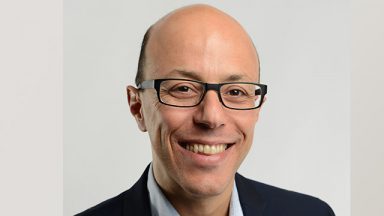
Prof. Momo Bentires-Alj
Professor of Experimental Surgical Oncology in the Department of Biomedicine at the University of Basel, Switzerland

Prof. Gabriele Bergers
Professor of Oncology at the University of Leuven and Group Leader at the Vlaams Instituut Voor Biotechnologie (VIB)-Center for Cancer Biology
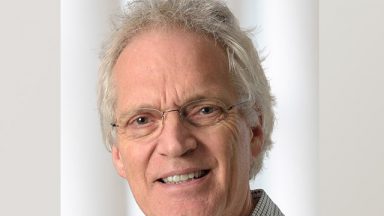
Prof. René Bernards
Professor of Molecular Carcinogenesis at Utrecht University & Head of the Molecular Carcinogenesis Department, Netherlands Cancer Institute – Amsterdam, Netherlands

Prof. Kristian Helin
Executive Director and President, Institute of Cancer Research (ICR), London; Professor of Epigenetics and Cancer, University of London, United Kingdom
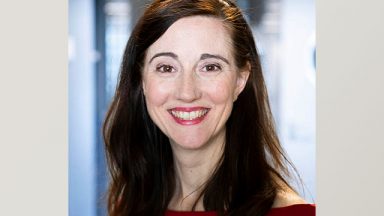
Prof. Meritxell Huch
Director, Max Planck Institute for Molecular Cell Biology and Genetics, Dresden, Germany

Prof. Dana Pe’er
Chair, Computational and Systems Biology Program, SKI; Scientific Director, Alan & Sandra Gerry Metastasis and Tumor Ecosystems Center; Investigator, Howard Hughes Medical Institute, United States
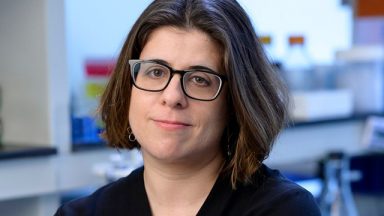
Prof. Agnel Sfeir
PaineWebber Chair in Cancer Genetics, Professor and Member of the Sloan Kettering Institute, MSKCC, New York, United States