Stellarator Optimization
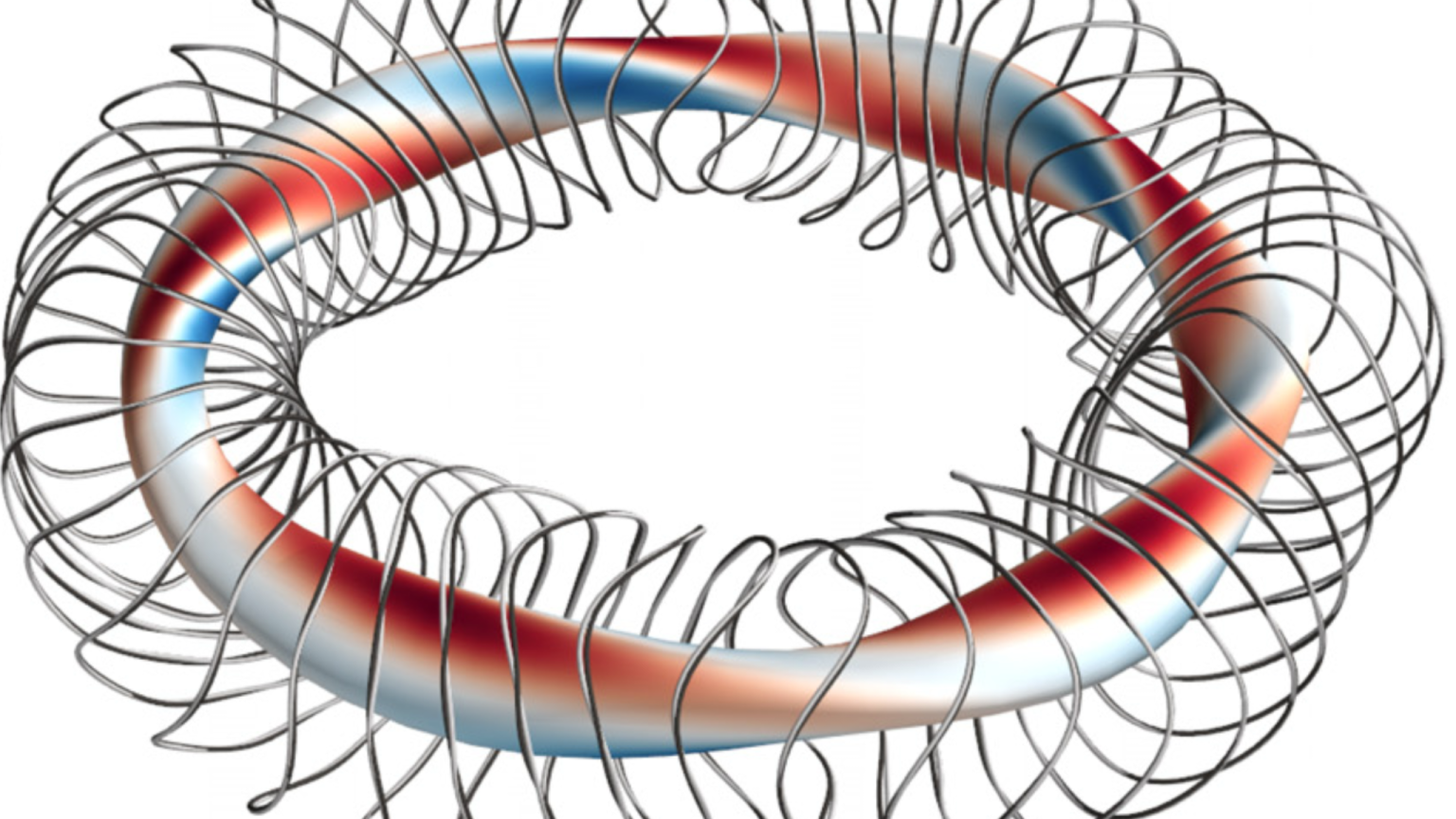
Stellarator optimization targeting simultaneously coil simplicity and good magnetic surfaces
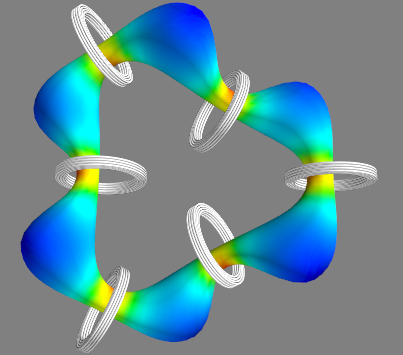
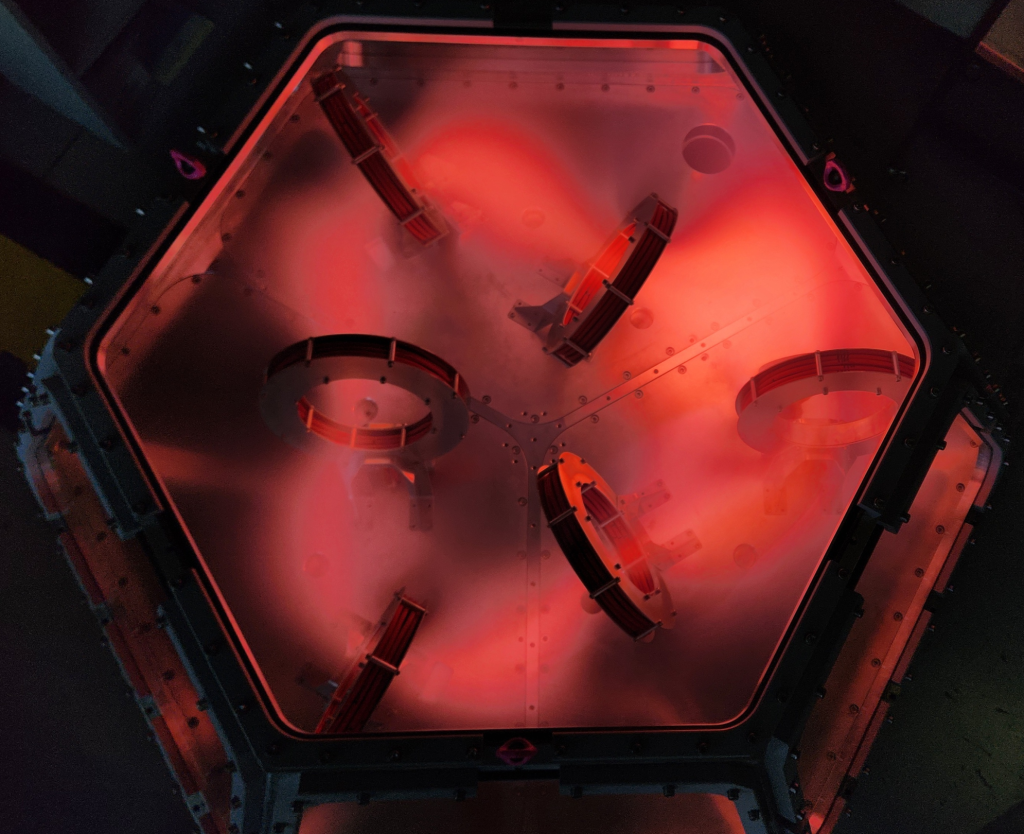
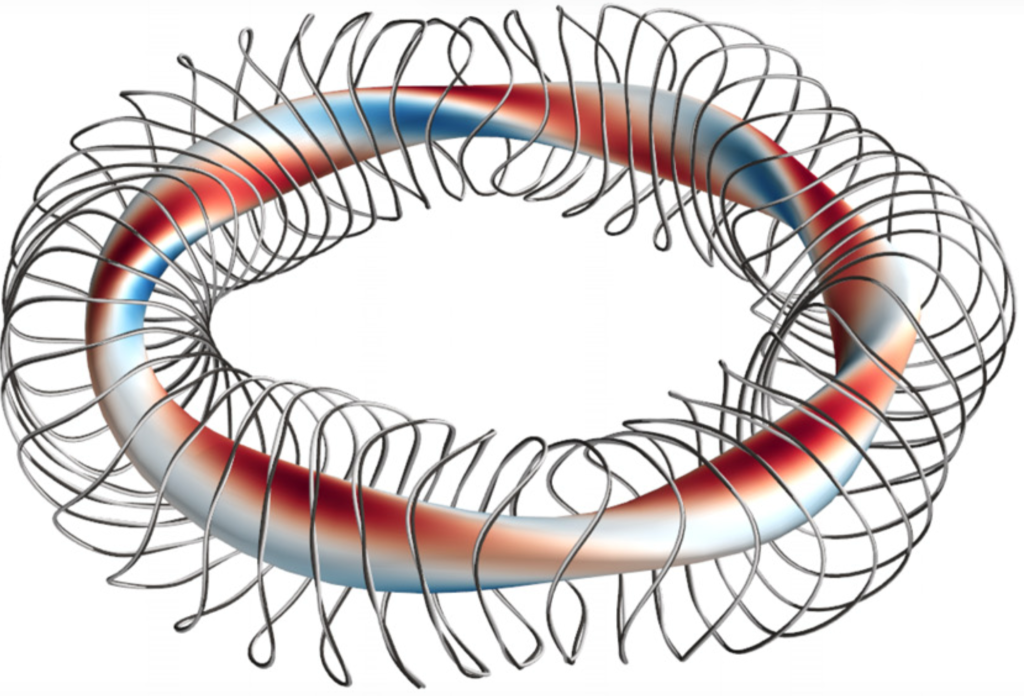
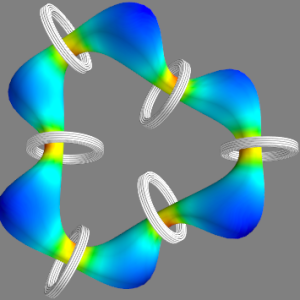
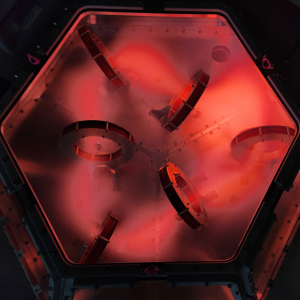
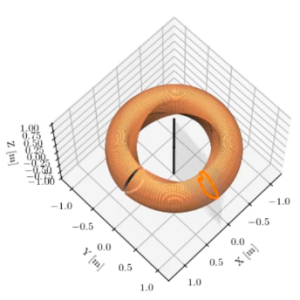
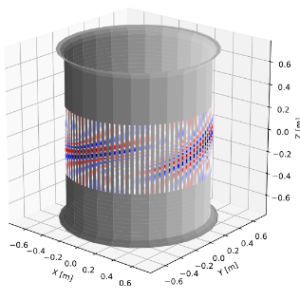
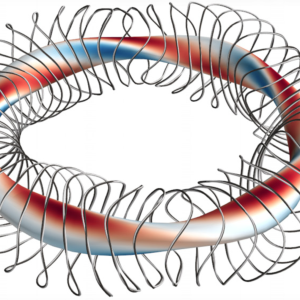
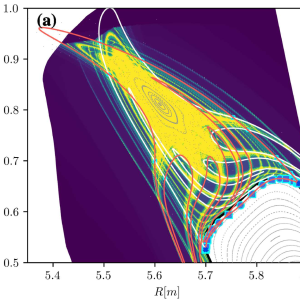
Stellarators are an increasingly promising concept for magnetic confinement fusion. They are more stable and can run in steady-state more easily than their cousins the tokamaks. However they also require more complicated coil shapes that need to be carefully optimized to ensure good confinement of thermal and suprathermal particles. The largest stellarator in the world, W7-X, was designed in the 1980’s thanks to the advent of the first supercomputers and the discovery that special symmetries in the magnetic field allow stellarators to achieve confinement similar to tokamaks. Using modern optimization techniques, more powerful computers, and improved plasma-coil optimization strategies, the theory group is contributing to the design of next-generation stellarator devices that may serve as prototypes for future reactors. At the same time, we have also designed a small-scale stellarator experiment for the SPC, Polaris, which saw its first plasma in 2026. The theory group is also exploring the concept of tokamak-stellarator hybrids, which combines the simplicity of the tokamak with the stability of the stellarator.