The Human-Oriented Built Environment Lab HOBEL
We envision buildings that provide clean air, comfort, and protection for human health — while honoring the delicate balance between energy use, climate responsibility, and the natural environment.
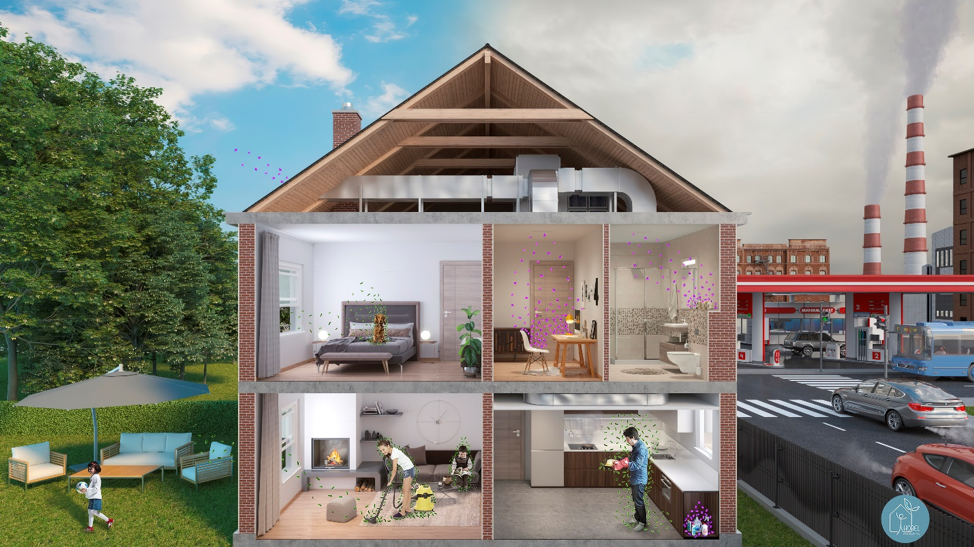
“Buildings of the future must not be only energy efficient, but they should also contribute to “Michelin Star” air quality”
At the Human-Oriented Built Environment Lab (HOBEL), we advance the science of healthier, lower-carbon indoor environments. We connect fundamental indoor air science with real-world building operation: studying how pollutants are generated, transformed, transported, and inhaled; developing ventilation, sensing, and control strategies for cleaner and more efficient buildings; and assessing building performance through the lenses of indoor environmental quality, health, energy use and sustainability.
HOBEL is the research laboratory of Prof. Dusan Licina within the Smart Living Lab in the School of Architecture, Civil and Environmental Engineering (ENAC) at EPFL Fribourg. We combine laboratory and field experiments, environmental monitoring, modeling, data analysis, and simulation — from the human scale to the building and urban scale.
Our research pillars
Explore our three research pillars below. Each pillar links to our Research section, where you can learn more about our scientific questions, featured projects, methods, and publications.
- Pollutants, Exposure & Health
We investigate how indoor pollutants are emitted, transformed, transported, and inhaled, and how these processes shape human exposure. We collaborate with partner research groups to further assess toxicity and health impacts.
- Ventilation, Sensing & Control
We study how buildings can sense, ventilate, and adapt to deliver clean air efficiently, reliably, and in response to occupant needs.
-
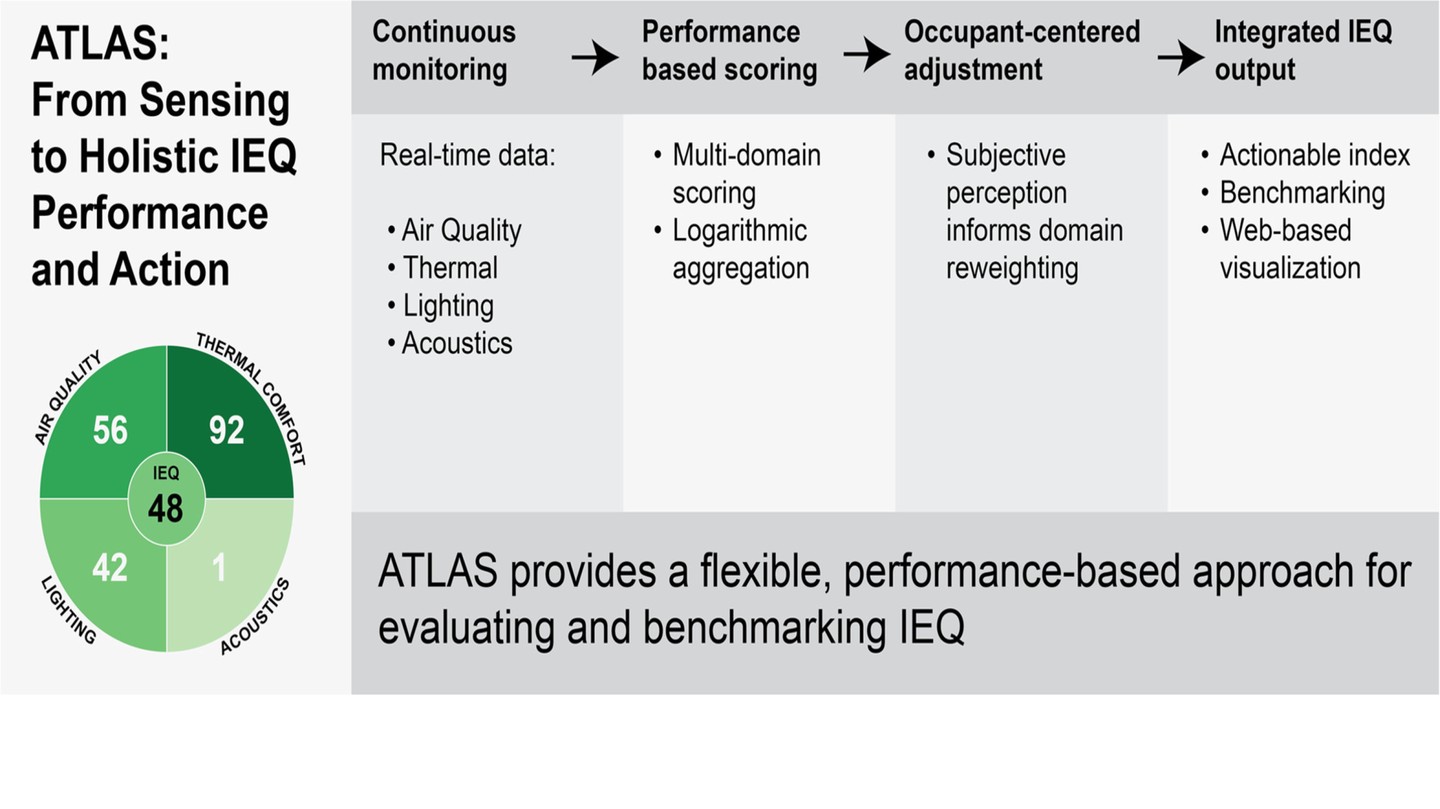
Building Performance: IEQ, Health & Environment
We develop metrics, datasets, and assessment methods to evaluate indoor environmental quality, health relevance, and low-carbon performance from individual real-world buildings to regional modeling.