
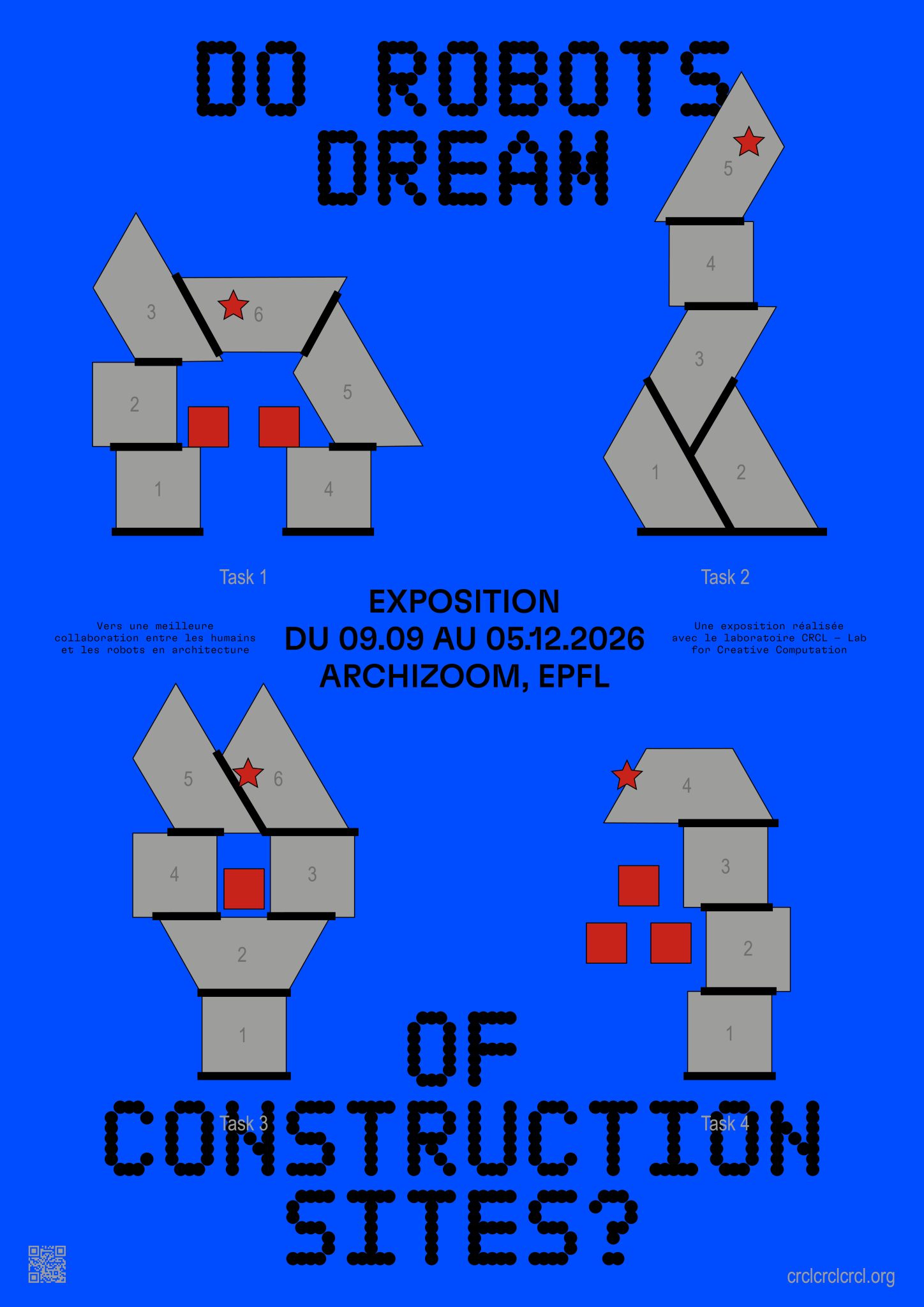
09.09-05.12.2026
Opening Tuesday 8 September 6.15pm
What if robots didn’t replace us, but worked alongside us? Robots are capable of assembling, analysing, experimenting and learning from their mistakes. Could they take on construction work without replacing human labour? Research carried out by the CRCL – Lab for Creative Computation at EPFL explores a form of collaboration between humans and machines that departs from the traditional promise of automation. It opens the way to more inclusive building sites and non-standardised, more environmentally friendly architecture that goes beyond the mere logic of replacement and productivity.
An exhibition produced in collaboration with the CRCL – Lab for Creative Computation, led by Stefana Parascho
EVENTS
- OPENING! Tuesday 8 September
6.15pm – Introduction by Cyril Veillon
6.30pm – Lecture by Stefana Parascho, followed by a discussion with Aude Billard, moderated by Pier Vittorio Aureli
7.30pm – Doors open and welcome drinks
- GUIDED TOUR Thursday 10 September
5.15pm – by Stefana Parascho, in English
On the occasion of the Design Modeling Symposium
- NIGHT OF THE MUSEUM Saturday 26 September
2pm-midnight – Exhibition open
Guided tours at 3pm, 6pm and 9pm, in French
2pm–9pm – Friendly Fire, Interactive robotic installation by the artists Andrea Anner & Thibault Brevet, AATB, Practice for Non-Industrial Robotic
-
EPFL LIBRARY ON SHOW! From 5 October to 7 December
Documentary selection related to the exhibition, also available online
- FESTIVAL LES CULTURELLES AT EPFL Tuesday 13 October
5.30pm – Guided tour of the exhibition, in French
7pm – Opening concert for the NO/NC (Normally Open, Normally Closed) installation, created by the artists AATB – Practice for Non-Industrial Robotics
14-24 October – Continuous interactive robotic installation
An event supported and organised in partnership with Pôle Culture (VPI) and Usinesonore
- SCIENTASTIC Saturday 7 & Sunday 8 November
10am-5pm – Exhibition open + Interactive robotic installation by the artists AATB–Practice for Non-Industrial Robotics
11am & 4 pm – Guided tour of the exhibition, in French
- GUIDED TOUR Tuesday 24 November
5.30pm – by Stefana Parascho, in English
6.30pm – Opening of the exhibition The Extraction of Value with Paolo Tombesi
Robots in operation during guided tours
Guided tours are upon registration
Guided tours can be organised on request
INTRODUCTION
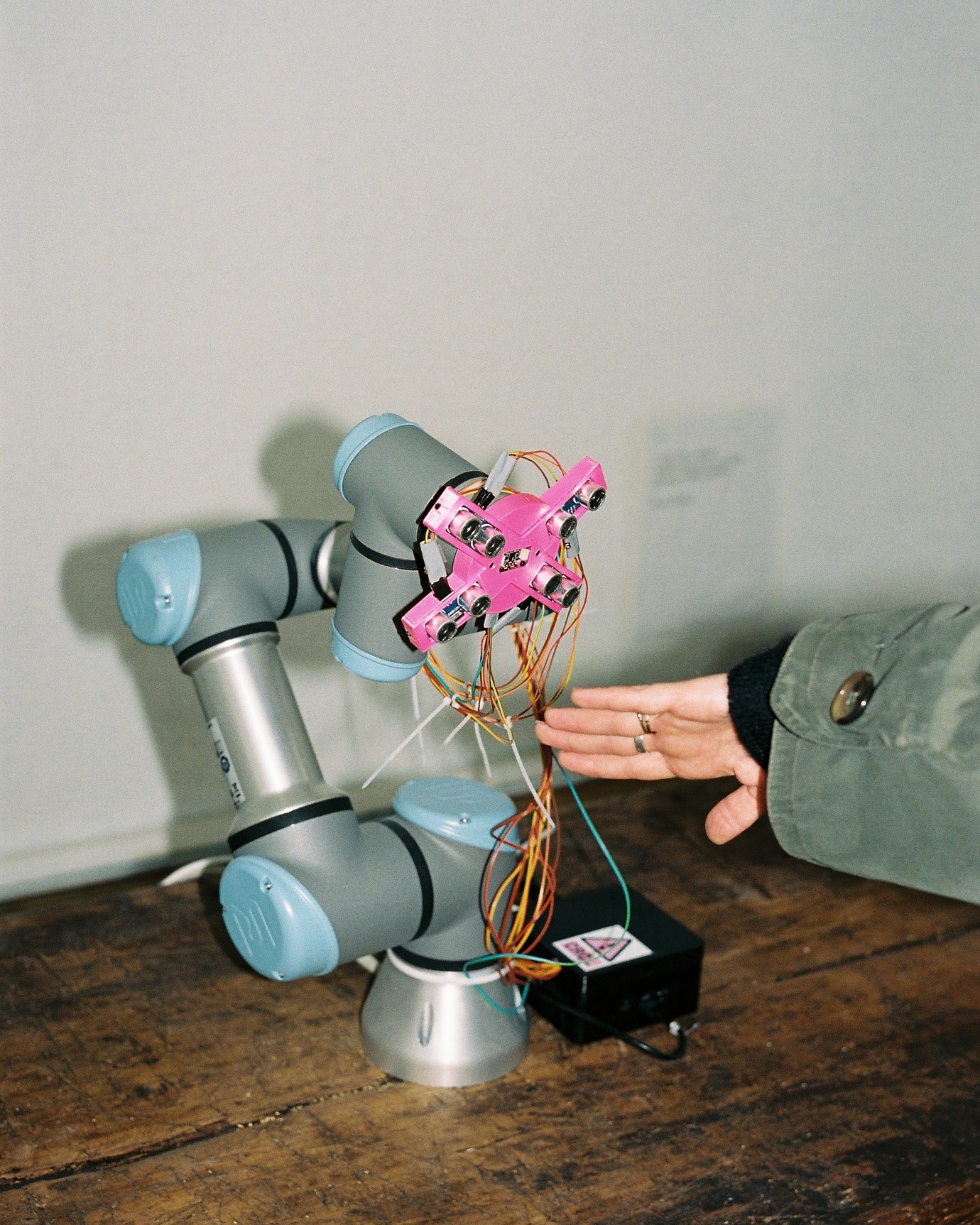
Robots can no longer be imagined as separate from our daily lives – whether in factories, on our streets, or in our homes. Their presence elicits a wide spectrum of reactions: they promise relief from dangerous, physically demanding, and monotonous labor, while simultaneously raising concerns about job displacement and the erosion of human control. Whether deemed intelligent or not, robots are far from merely auxiliary machines; they provoke, enable, sustain, and at the same time complicate the fabric of human experience.
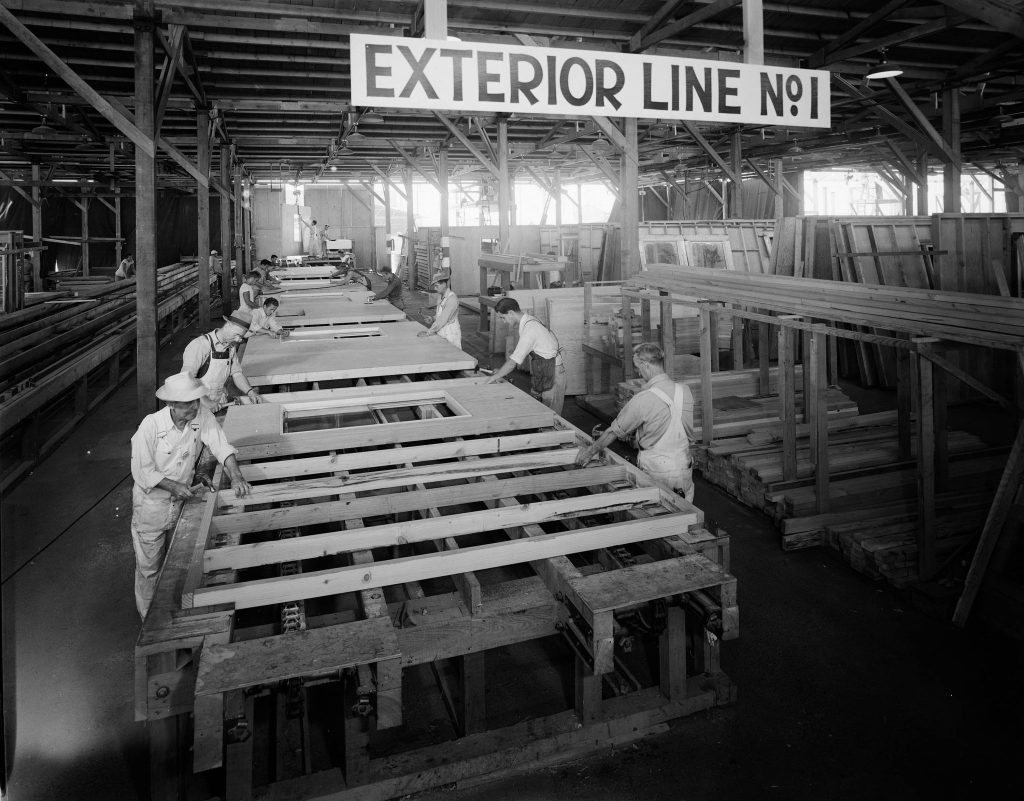
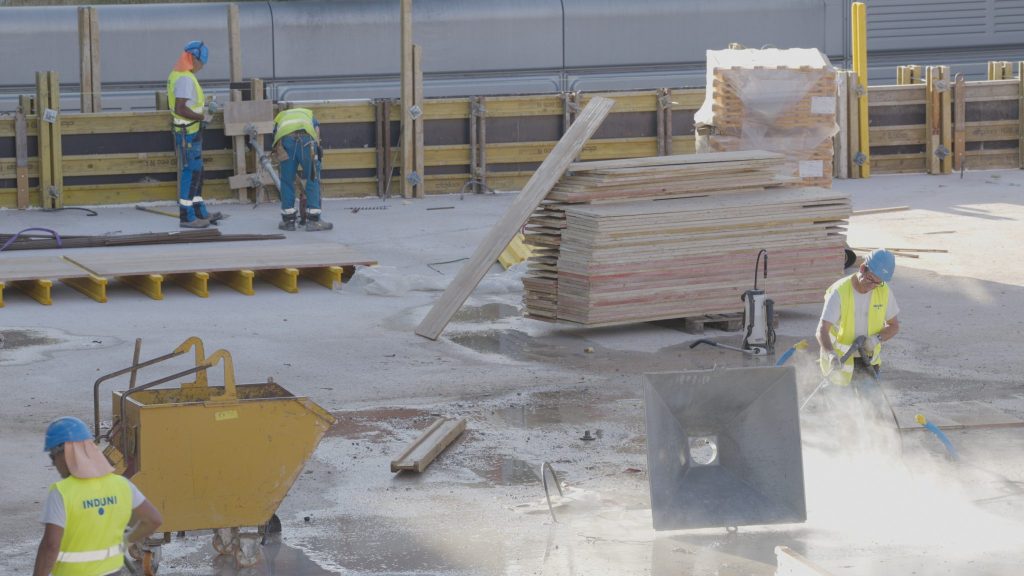
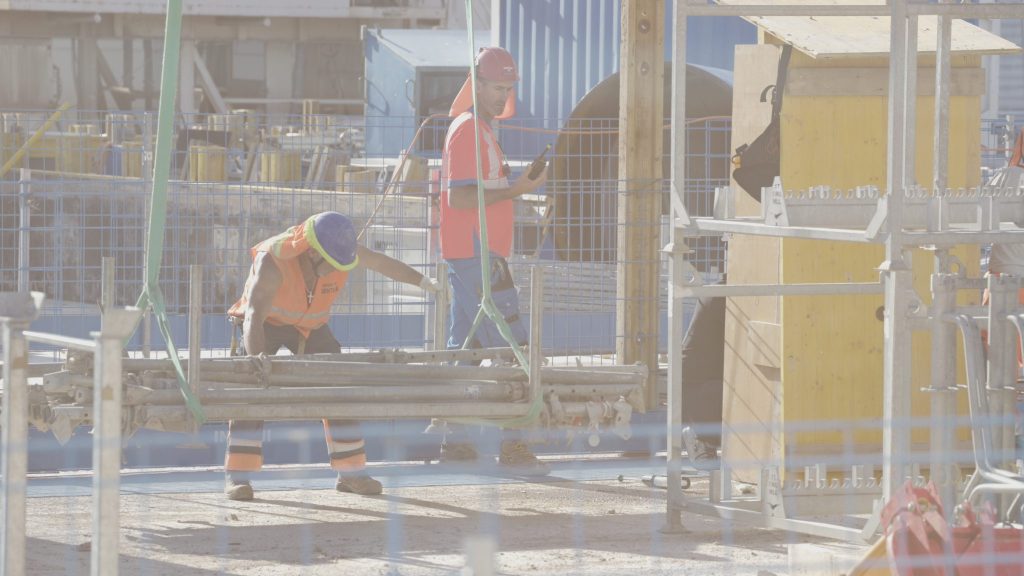
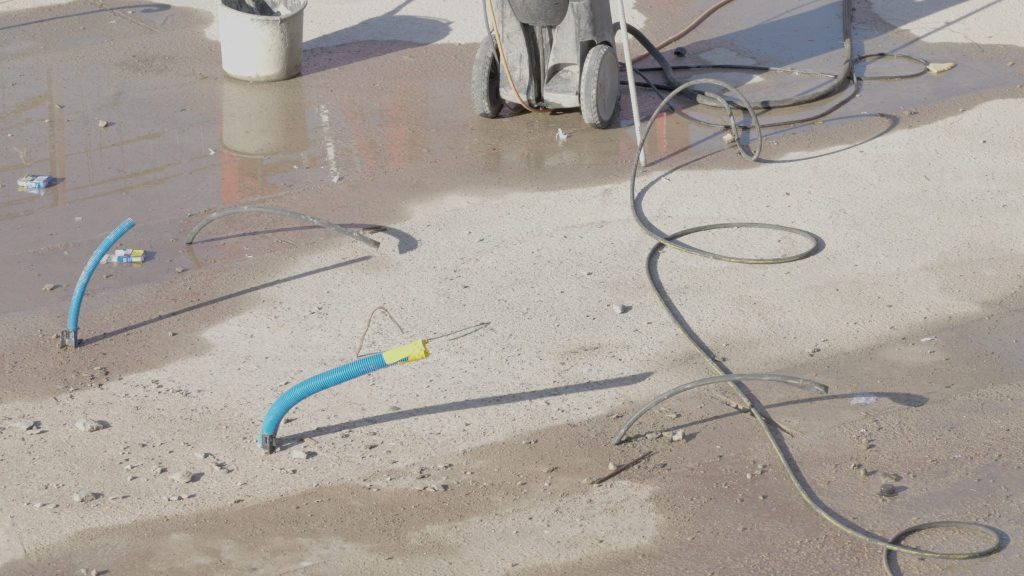
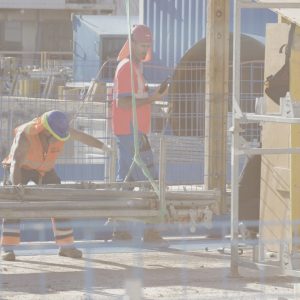
In construction, these tensions become especially visible. Robots have long been expected to relieve workers from hazardous and physically strenuous tasks, while offering the industry faster and more cost-effective building processes. Yet today, construction largely remains a manual practice. While high-tech machinery is occasionally showcased in flagship projects, the majority of work on building sites continues to rely on human labor to carry out demanding, unhealthy, and often dangerous tasks – while simultaneously leaving an irreversibale environmental impact on the planet.
It explores the potential roles of robots and machines in architecture and construction, ranging from simple systems performing repetitive motions to more complex scenarios in which humans and robots collaborate in fluid and mutually supportive ways. It reflects on the history of automation in construction, examines why advanced robotic technologies have yet to be widely adopted on site, and questions how recent developments in robotics, artificial intelligence, and digitalization are reshaping the environmental impct of the industry and the experience of human workers. Ultimately we ask: Can robotics enable more sustainable approaches to construction? And can robotic processes evolve into genuinely collaborative practices that enhance the experience of construction work?
THE EXHIBITION
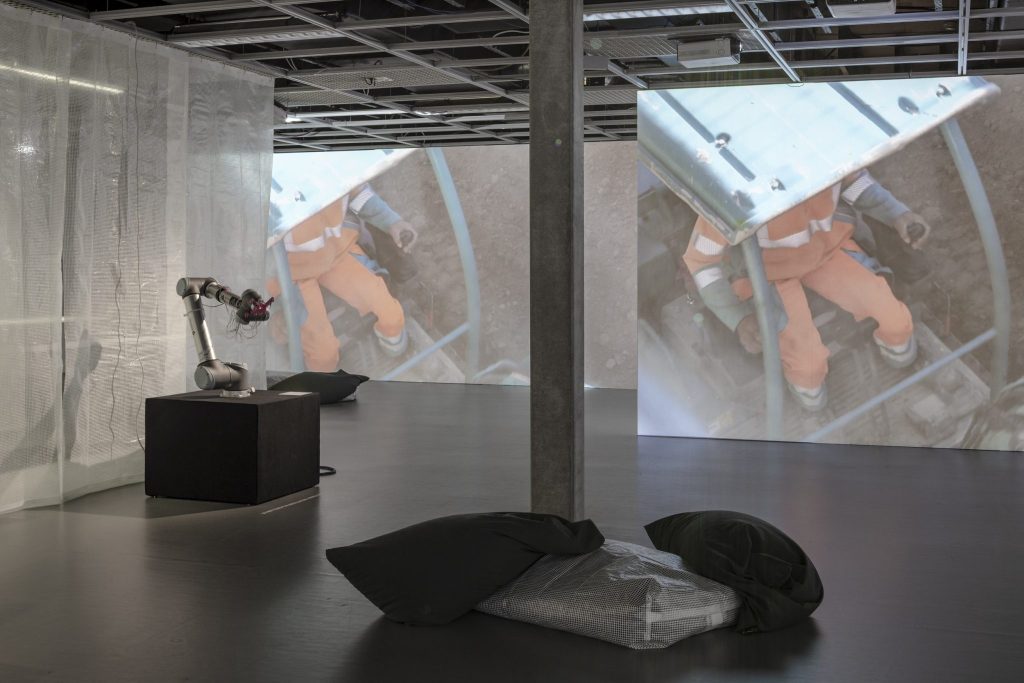
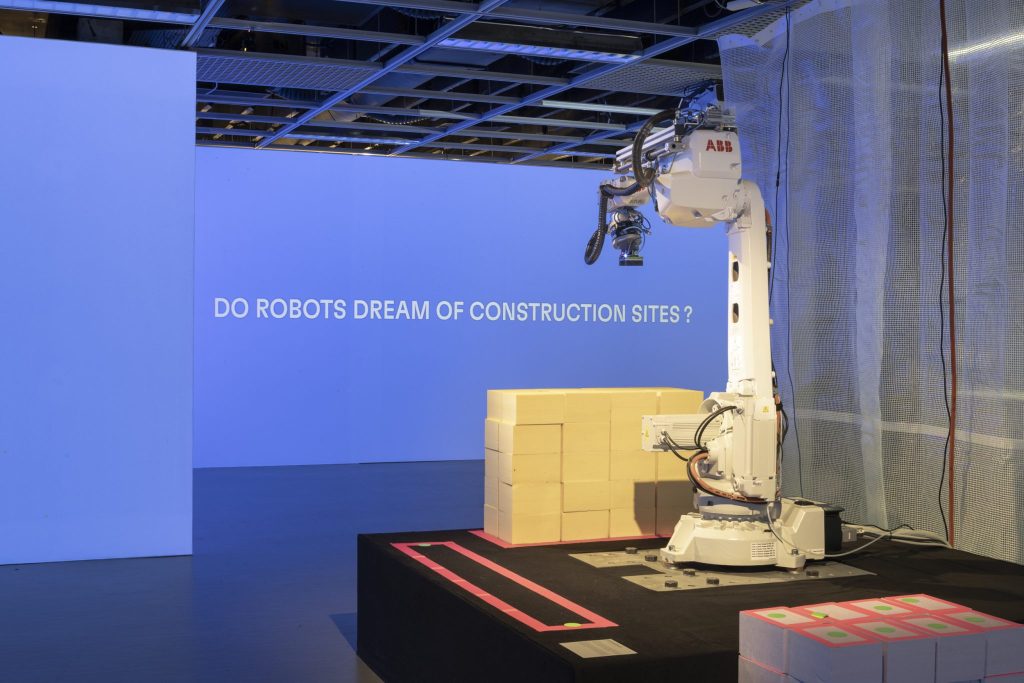
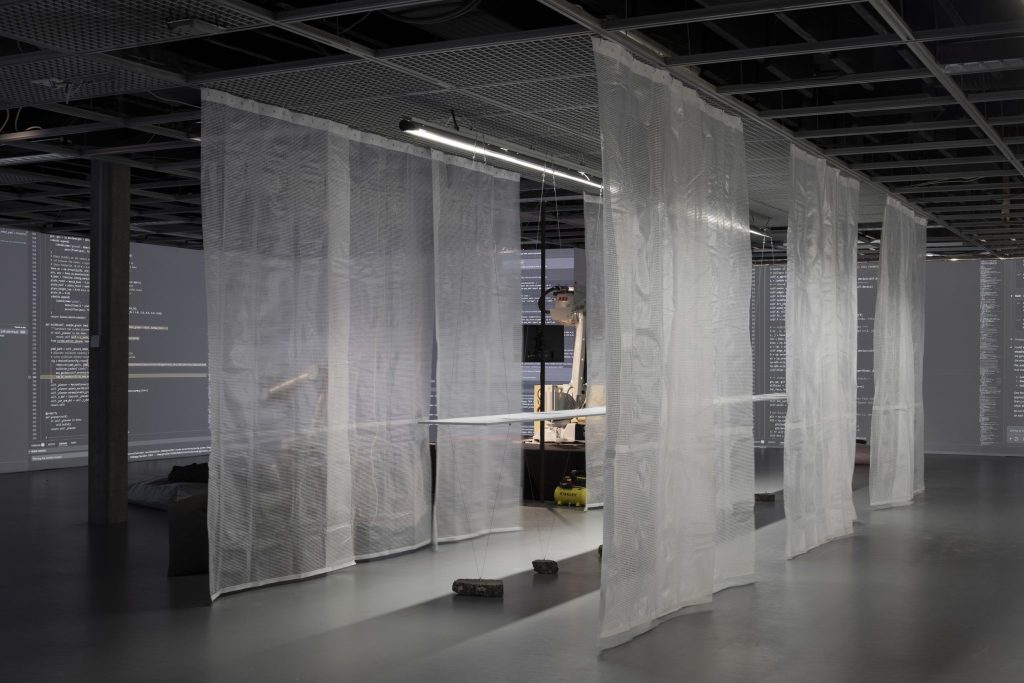
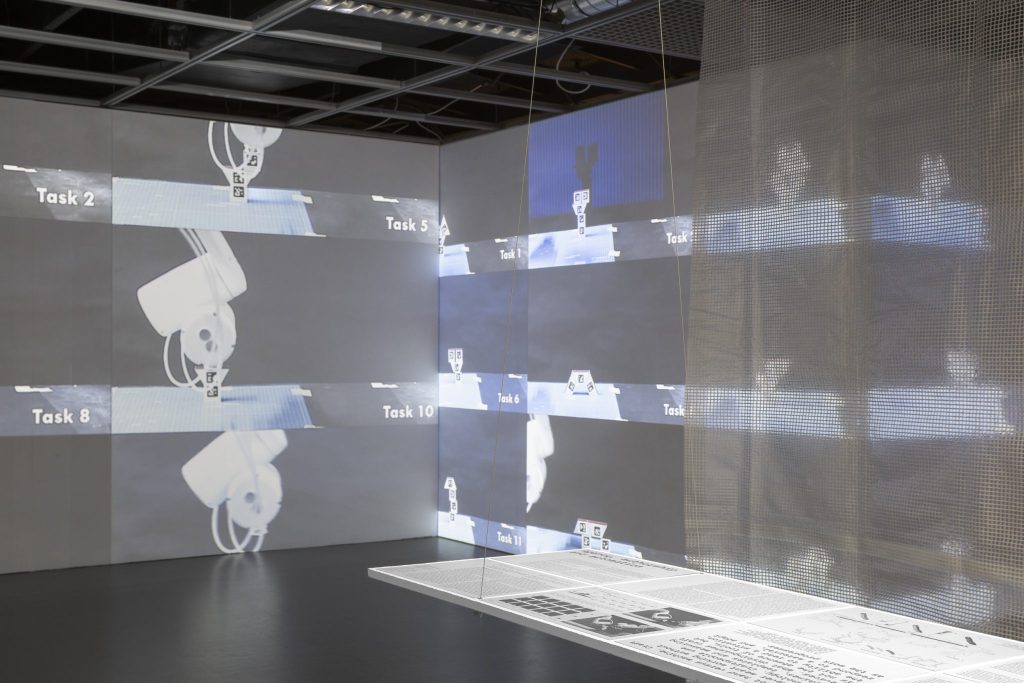
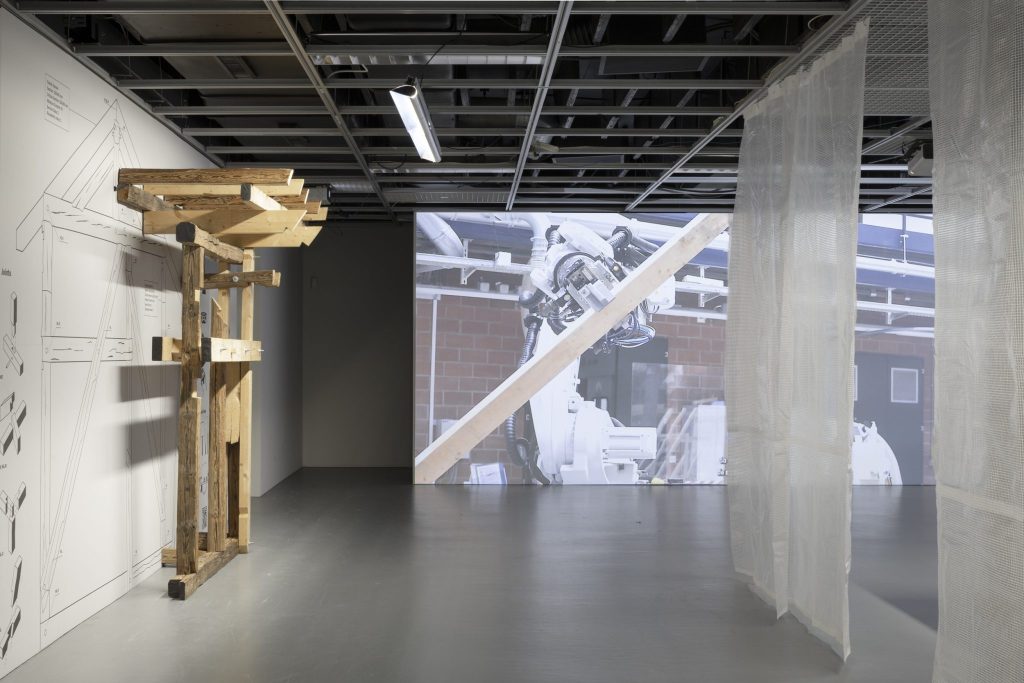
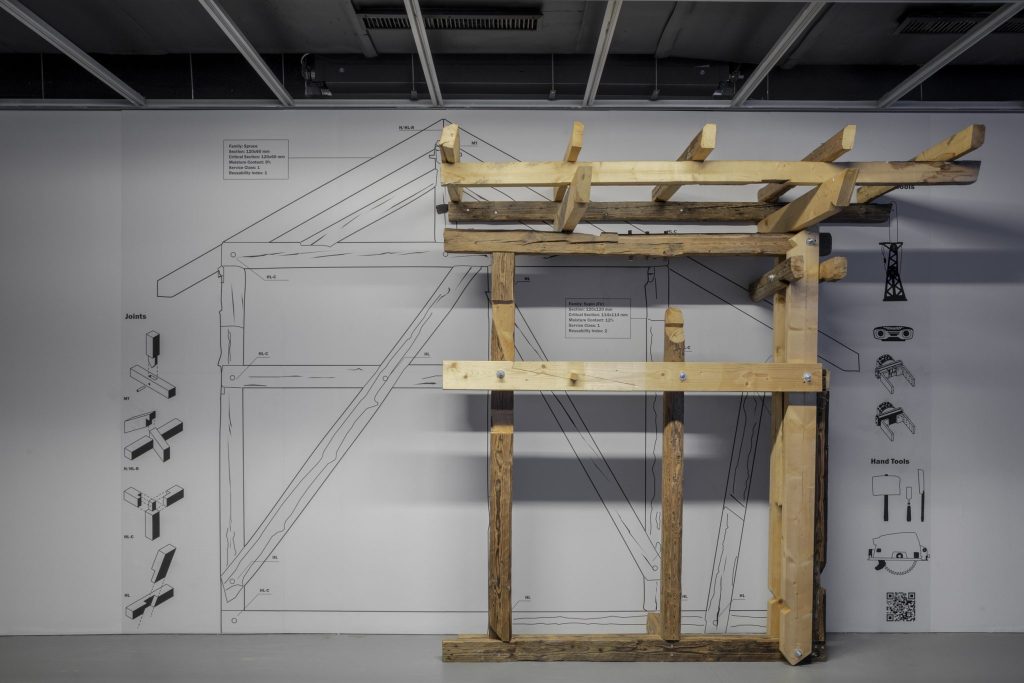
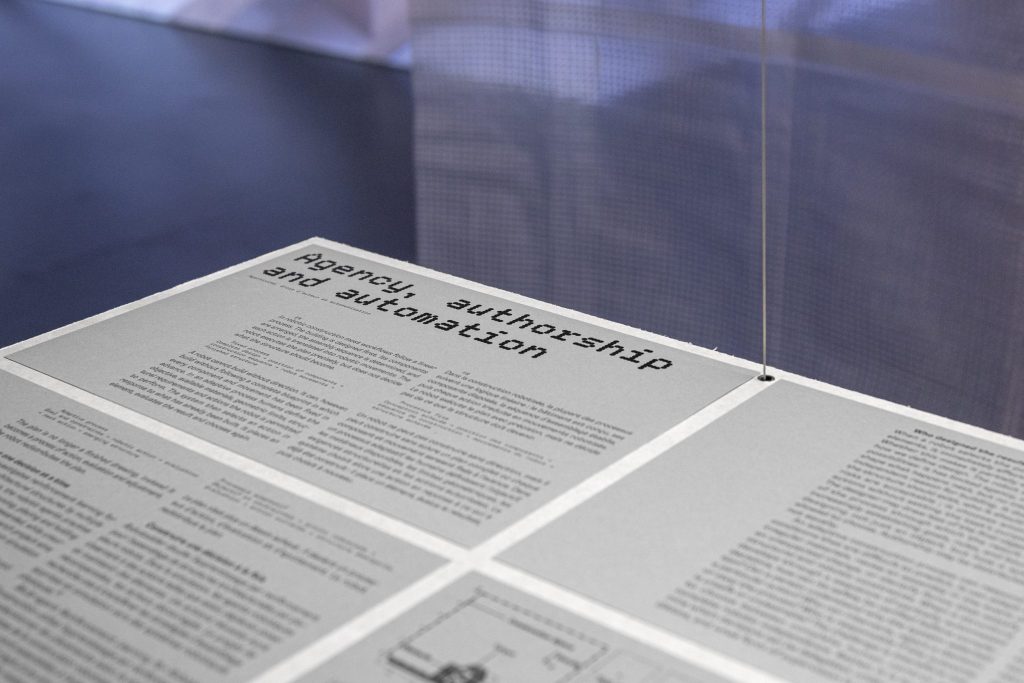
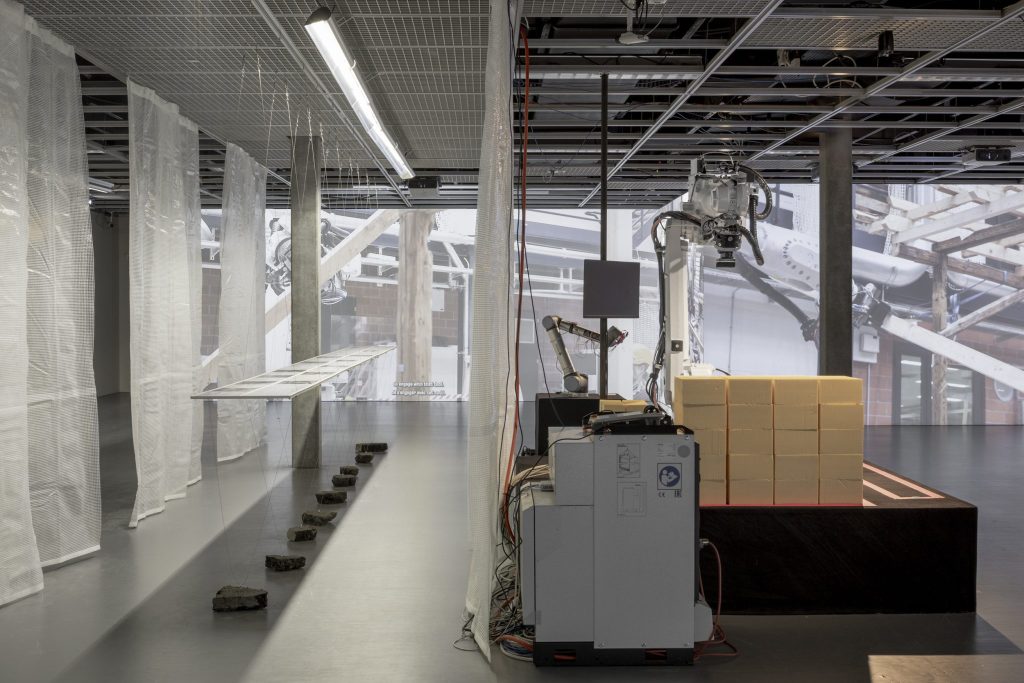
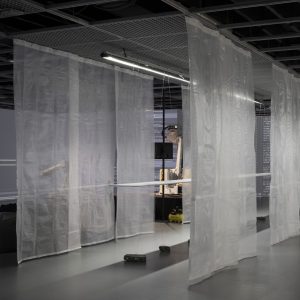
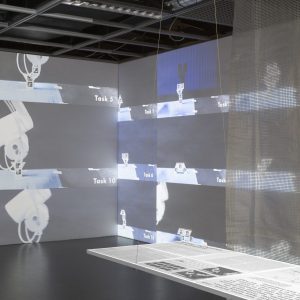
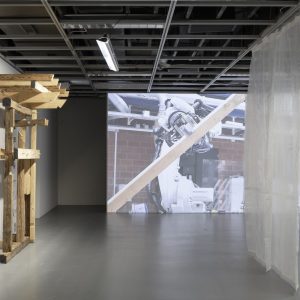
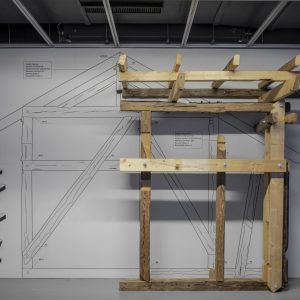
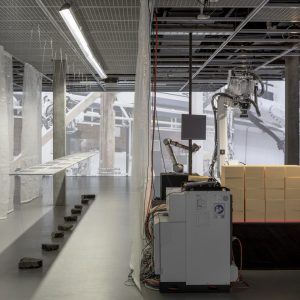
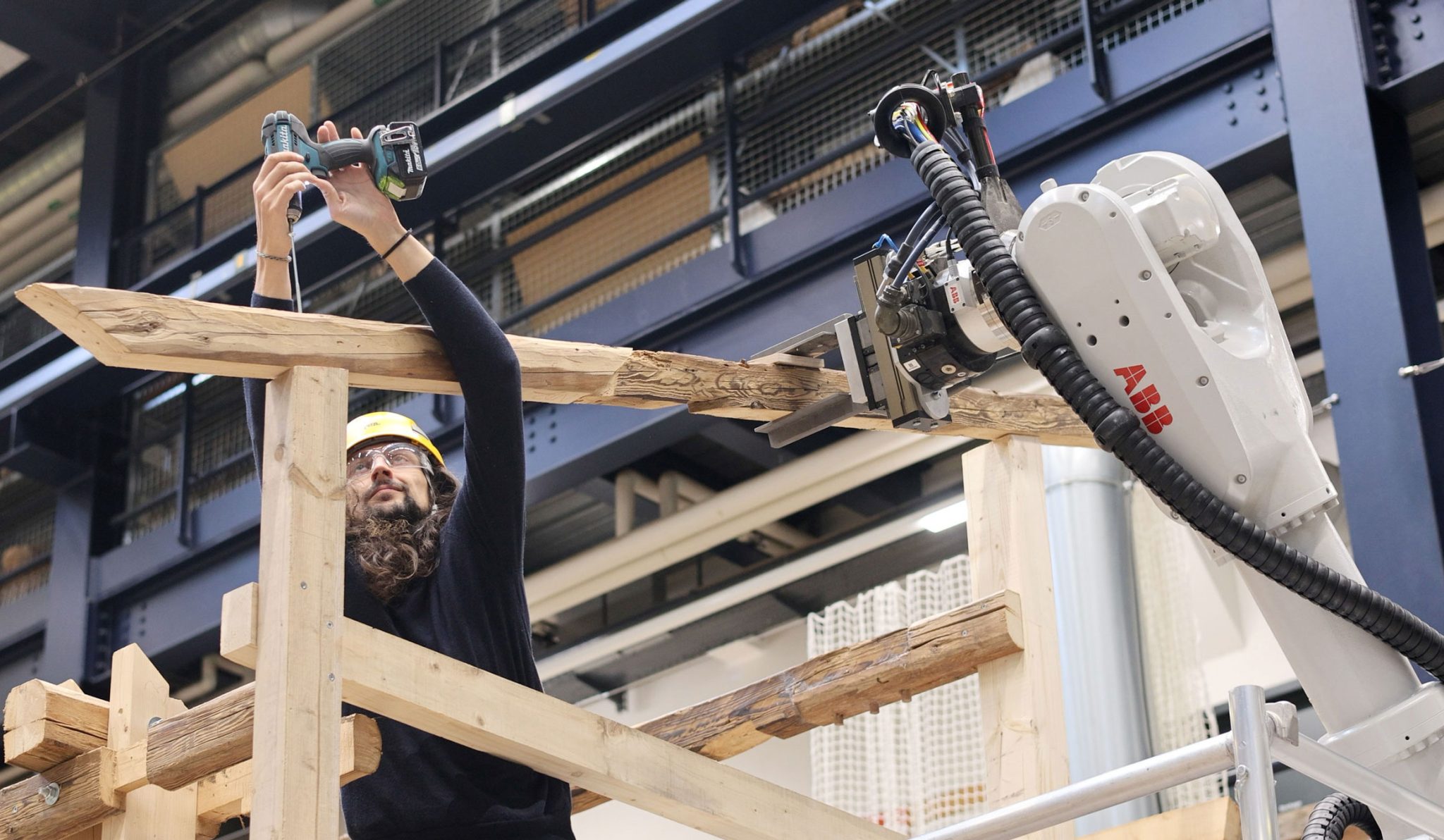
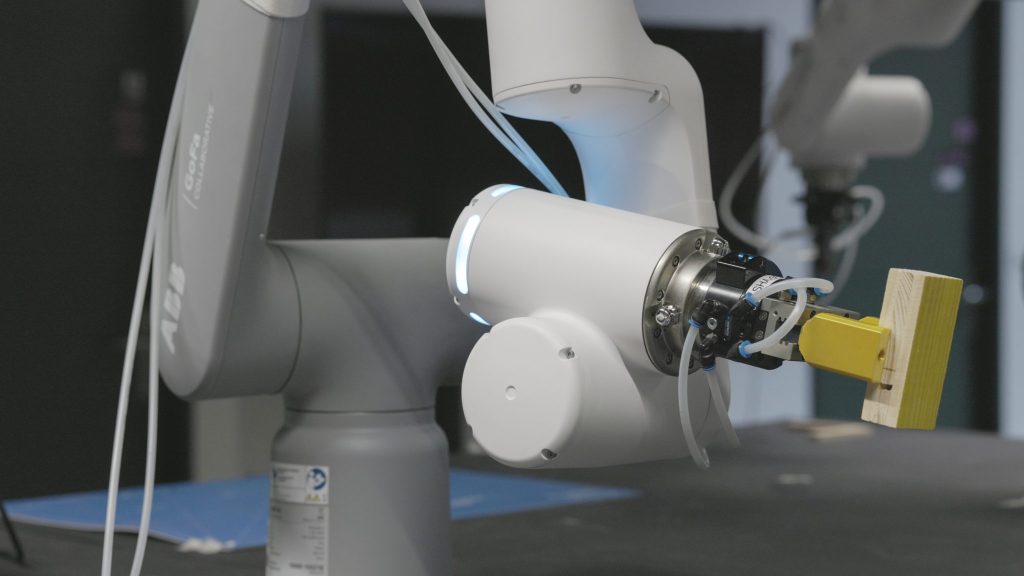
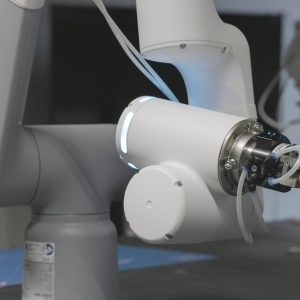
Through a range of projects, the exhibition examines key challenges and opportunities at the intersection of automation, labor, and sustainability. These works are presented through a combination of live robotic demonstrations, built prototypes, and mediated formats, including film and documentation. Robots autonomously constructing arches, interactive systems assembling structures from reclaimed and discarded wood, and collaborative workflows in which humans and machines jointly build structural walls – the presented works span from practical, real-world applications to speculative scenarios, offering a vision of future building practices and evolving environmental and labor dynamics.
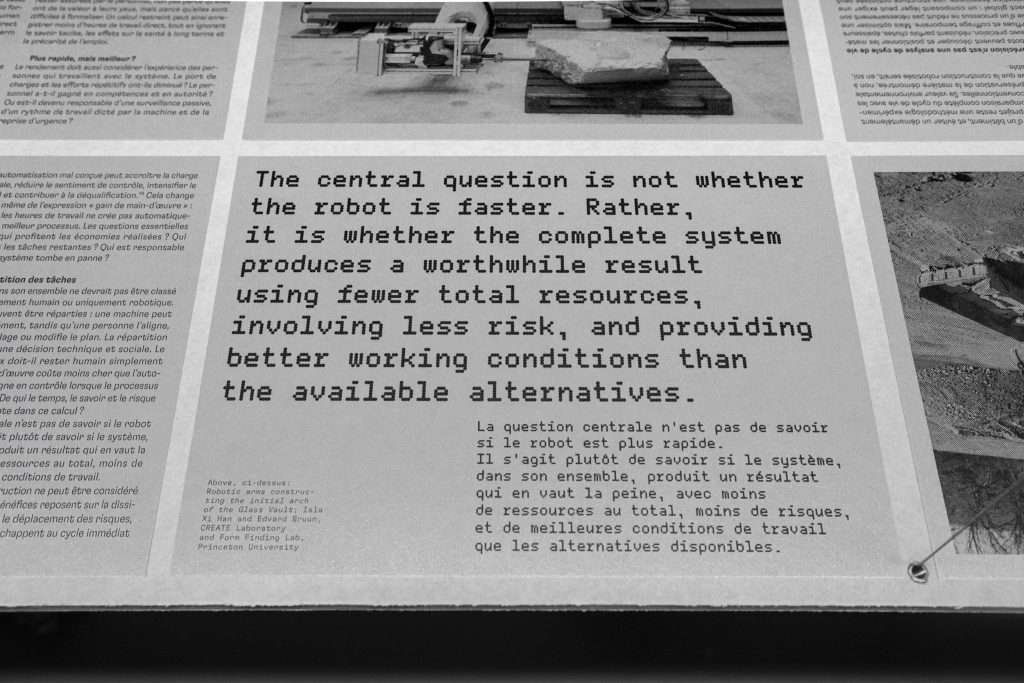
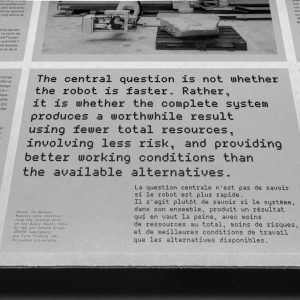
At its core, the exhibition addresses a central contradiction: machines are often conceived as replacements for human labor, yet construction remains deeply dependent on human skills, needs, and agency. Questioning this tension is essential to imagining more meaningful and human-centered approaches to automation. Moving toward a future where robots are seamlessly integrated into the complex and uncertain ecosystem of construction requires not only technical innovation, but also social and historical reflection. Rather than envisioning robots as substitutes for humans, this exhibition proposes alternative scenarios in which machines support, respond to, and empower human workers – enhancing their capacities rather than diminishing them.
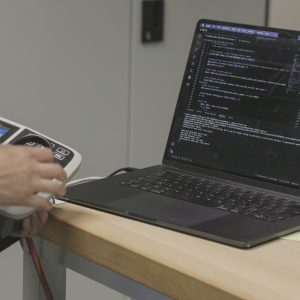
The projects presented are based on research conducted at EPFL. They investigate both the technical challenges—such as perception, planning, and adaptability—and the human dimensions of construction work, including interaction, experience, and adoption. Together, they outline a vision of construction in which machines are developed and deployed through a genuinely human-centered perspective, moving away from the dream of automation and towards a practice based on collaboration.
An exhibition produced in collaboration with the CRCL – Lab for Creative Computation, led by Stefana Parascho
Within the CRCL Team:
Exhibition development
Dalila Romero Zenker
Stefana Parascho
Anthony Pecorini
Dalila Romero Zenker
Eleni Skevaki
Eric Duong
Gabriel Vallat
Jingwen Wang
Marie-Pierre Zufferey
Maxence Grangeot
Megi Sinani
Wenqian Yang
Within the Archizoom Team:
Direction
Cyril Veillon
Curation and communication
Solène Hoffmann
Curation, Scenographic design and production
Dimitri Kasparian
Graphic design
Sophie Wietlisbach
Administration
Beatrice Raball
Exhibition set-up
Paul Brokmeier
Emile Cornebois
Frieda Fischer
Lydia Genecand
Noémie Goehry
Ephise Grandjacques
Jean-Baptiste Rolland
Olga Sulek