All SPC news

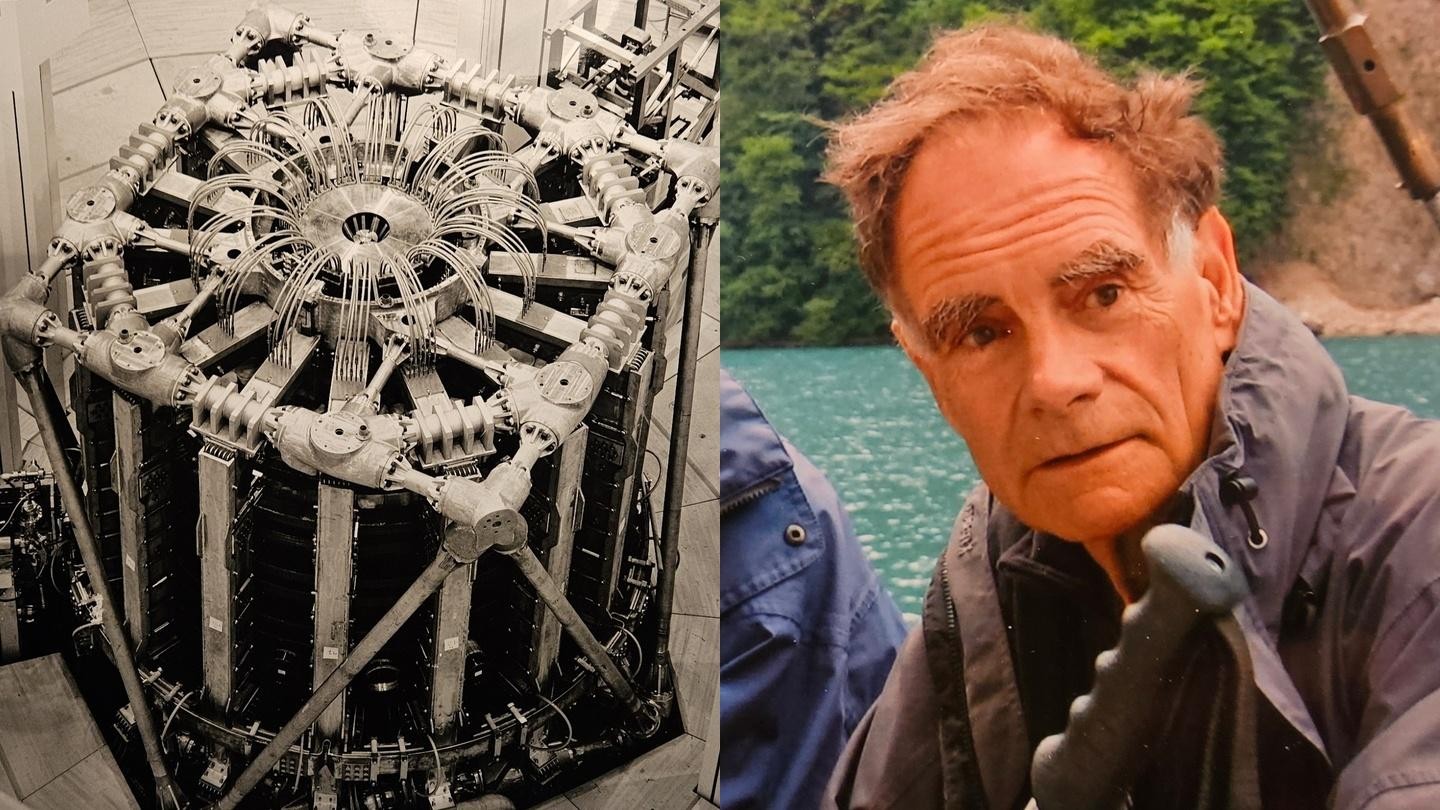
On the left, a photo of TCV, and on the right, Ferdinand Hofmann© 2026 EPFL

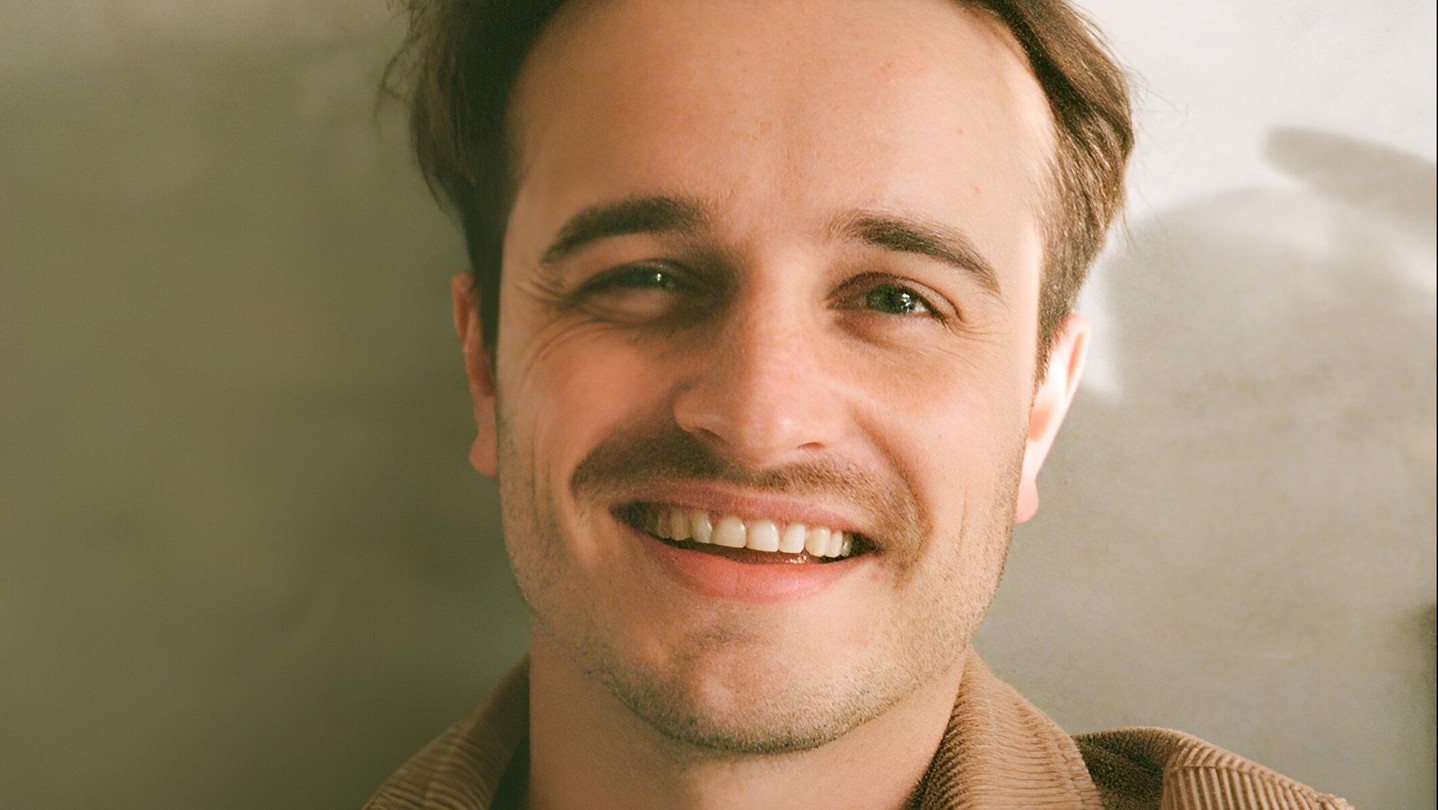
Ferdinand Hofmann, builder of tokamaks

— An exceptional physicist and engineer, and progenitor of EPFL’s flagship fusion facility – the Tokamak à Configuration Variable (TCV) – Ferdinand Hofmann passed away in December 2025 at the age of 88. A reserved man, he devoted his career to fusion physics research. For nearly 35 years, until retiring in 2002, he left a lasting legacy on the Centre de Recherches en Physique des Plasmas (CRPP), the former name of the Swiss Plasma Center. He was a transitional figure – bridging an era when cutting-edge experimental science still had a distinctly hands-on character to one that has become highly specialised and internationally distributed.

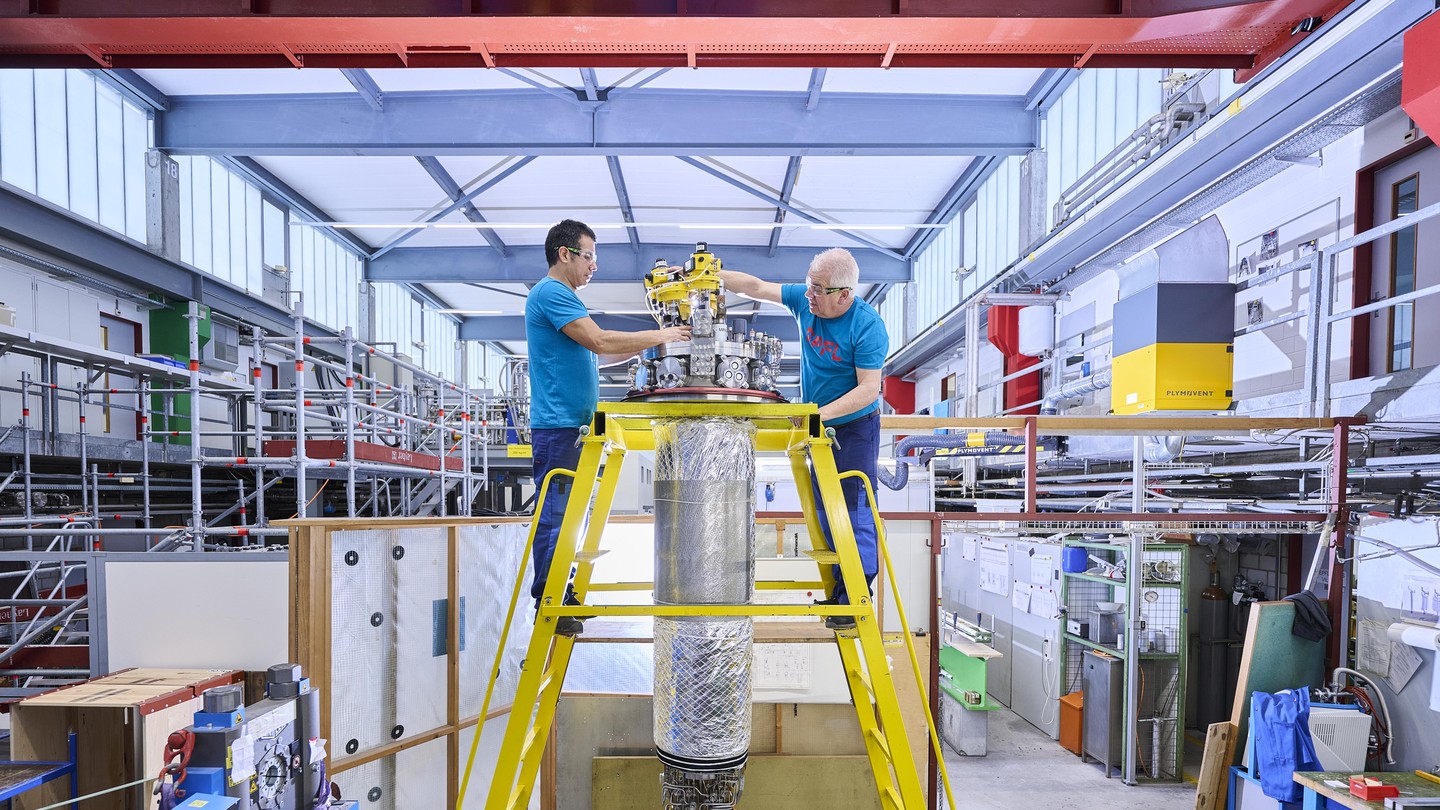
Frank Levano and Franz Oberle, from the EPFL's SPC team working on the upper part of the superconducting transformer © Zeljko Gataric

Switzerland regains its place in European fusion research

— As of 1 January 2026, Switzerland is once again officially participating in the ITER project thanks to the agreement on the European Union programs signed at the end of 2025. This agreement confirms Switzerland’s association with the European Union’s main funding programmes for research and innovation, following the halt of negotiations in 2021. For the Swiss Plasma Center, a leading actor in global fusion research, this reintegration represents a major milestone and closes a transition period marked by the continued support of Switzerland and its European partners.

© 2025 EPFL / Laboratory for Experimental Museology (EM+)

A new shape to tame fusion's hottest challenge

— Don’t burn the wall! That phrase sums up one of fusion’s most pressing challenges: protecting reactor walls from the extreme heat of plasma. Physicists at EPFL now report a new approach to address this major obstacle. By altering the magnetic shape inside a tokamak, they have discovered a new form of plasma radiation. This breakthrough could provide a far more reliable way to handle the fusion exhaust power. The research has been recently published in Physical Review Letters and featured in APS Physics Magazine.

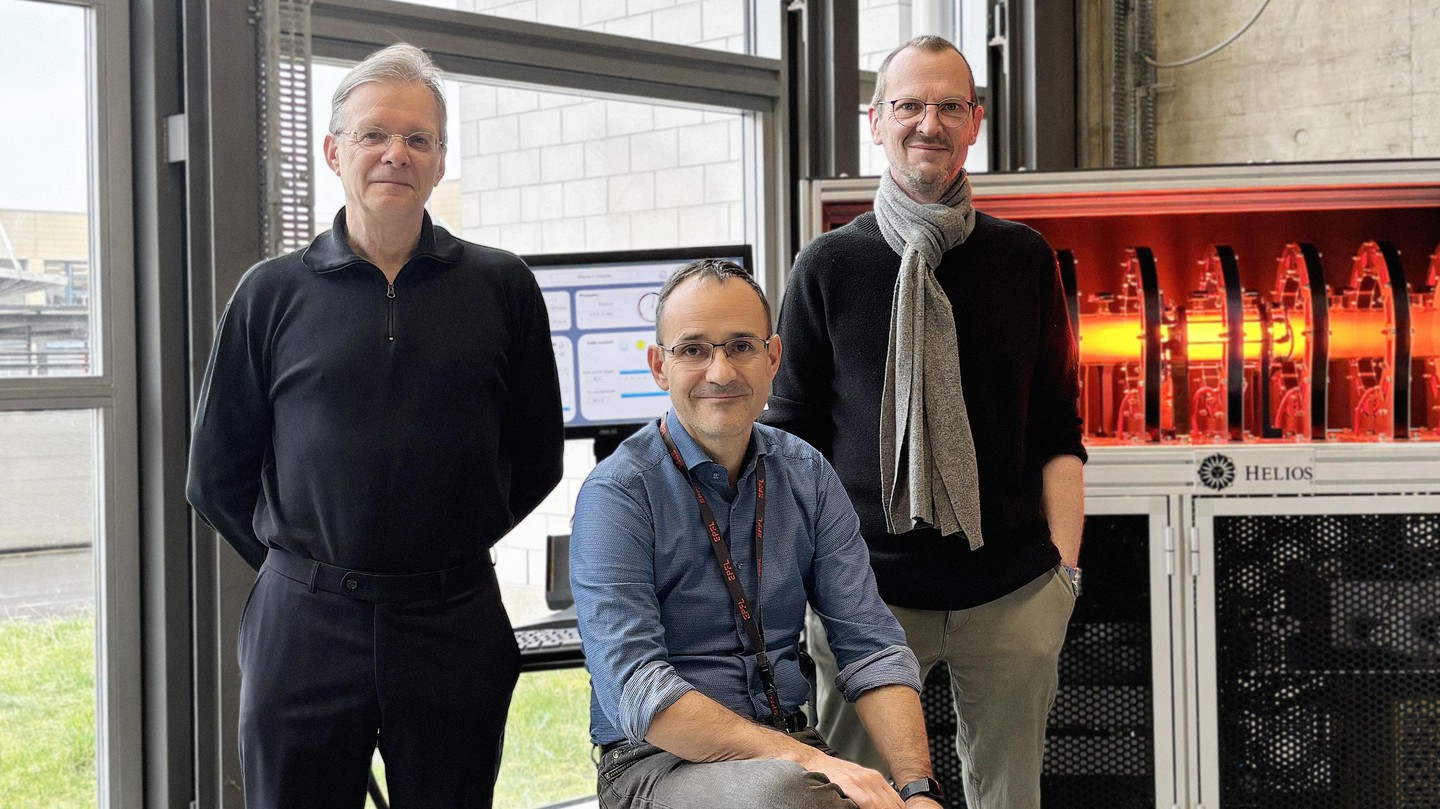
from left to right: Dr. Alan Howling, Professor Ivo Furno and Dr. Philippe Guittienne © Nadia Barth / EPFL

A versatile plasma source at the core of tomorrow's innovations

— For over two decades, Dr. Philippe Guittienne, physicist at the Swiss Plasma Center, has been pushing the boundaries of plasma production. In 2003, he pioneered the resonant network antenna, a novel technology that can overcome the limitations of conventional plasma sources. Today, this innovation paves the way for new applications, particularly in the microelectronics industry, a sector representing a global market worth several trillion francs. He reveals all the details of this breakthrough in a recent book titled Resonant Network Antennas for Radio-Frequency Plasma Sources, co-authored with his colleagues Dr. Alan Howling and Professor Ivo Furno. This impressive 500-page guide, rooted in the principles of open science, serves as a reference for researchers, engineers, and industry professionals looking to design, understand, and use this strategic technology.

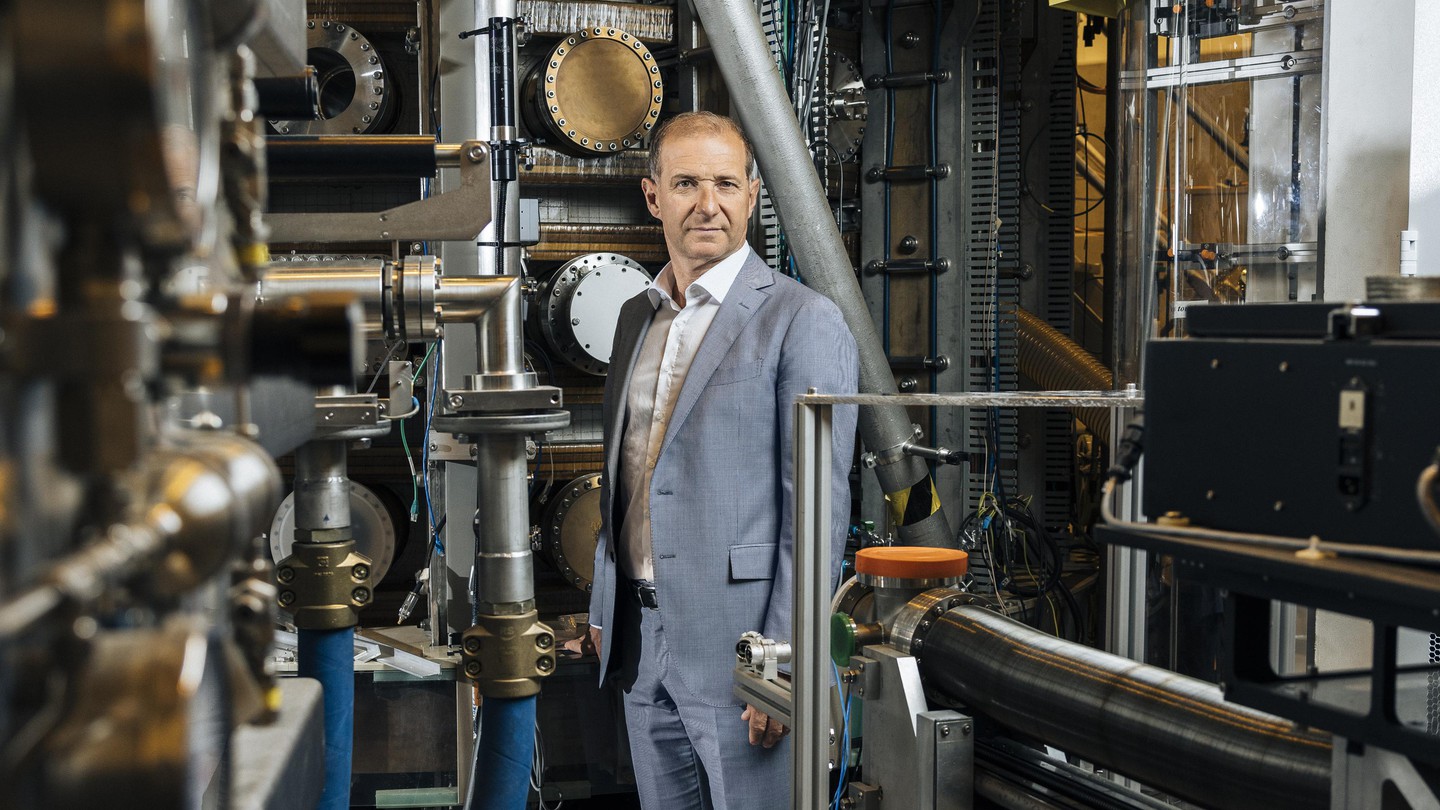
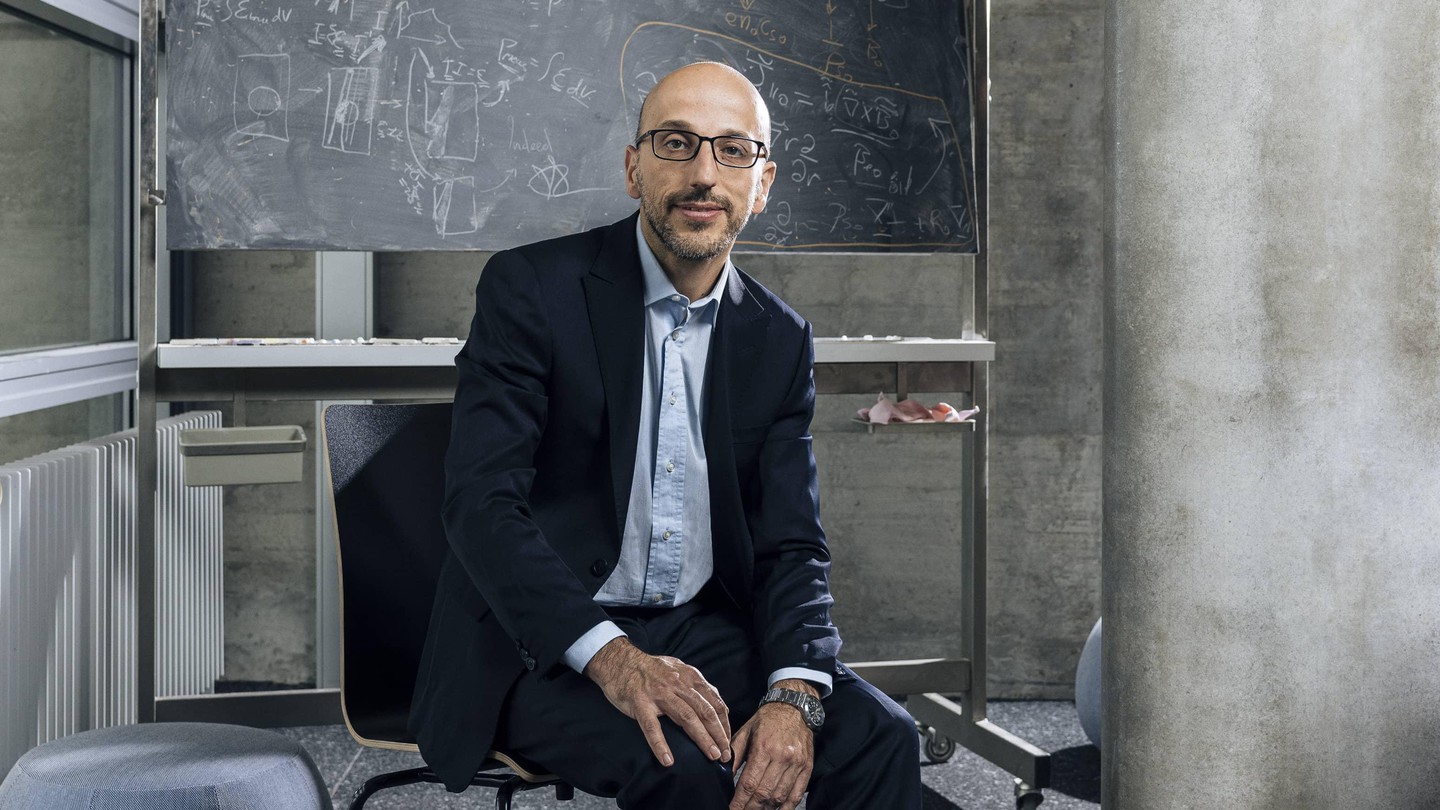
Ambrogio Fasoli / © Nicolas Schopfer

"These recognitions highlight the growing respect for fusion"

— A key figure in fusion research in Switzerland and Europe, physicist and professor at EPFL, Ambrogio Fasoli, was recently inducted into three of the most prestigious scientific circles: the Academia Europaea for Europe, the Accademia dei Lincei for Italy, and the Swiss Academy of Engineering Sciences (SATW) for Switzerland. This triple recognition not only reflects his important contributions to plasma physics but also his leadership in advancing fusion research. Such a series of distinctions in a single year is no coincidence; it corresponds to a key moment in his career, marked by several major milestones: five years as President of the European Consortium for Fusion Energy (EUROfusion) from 2019 to 2023, his appointment as Programme Manager (CEO) of EUROfusion starting on January 1, 2024, and his nomination, effective January 1, 2025, as Provost of EPFL.

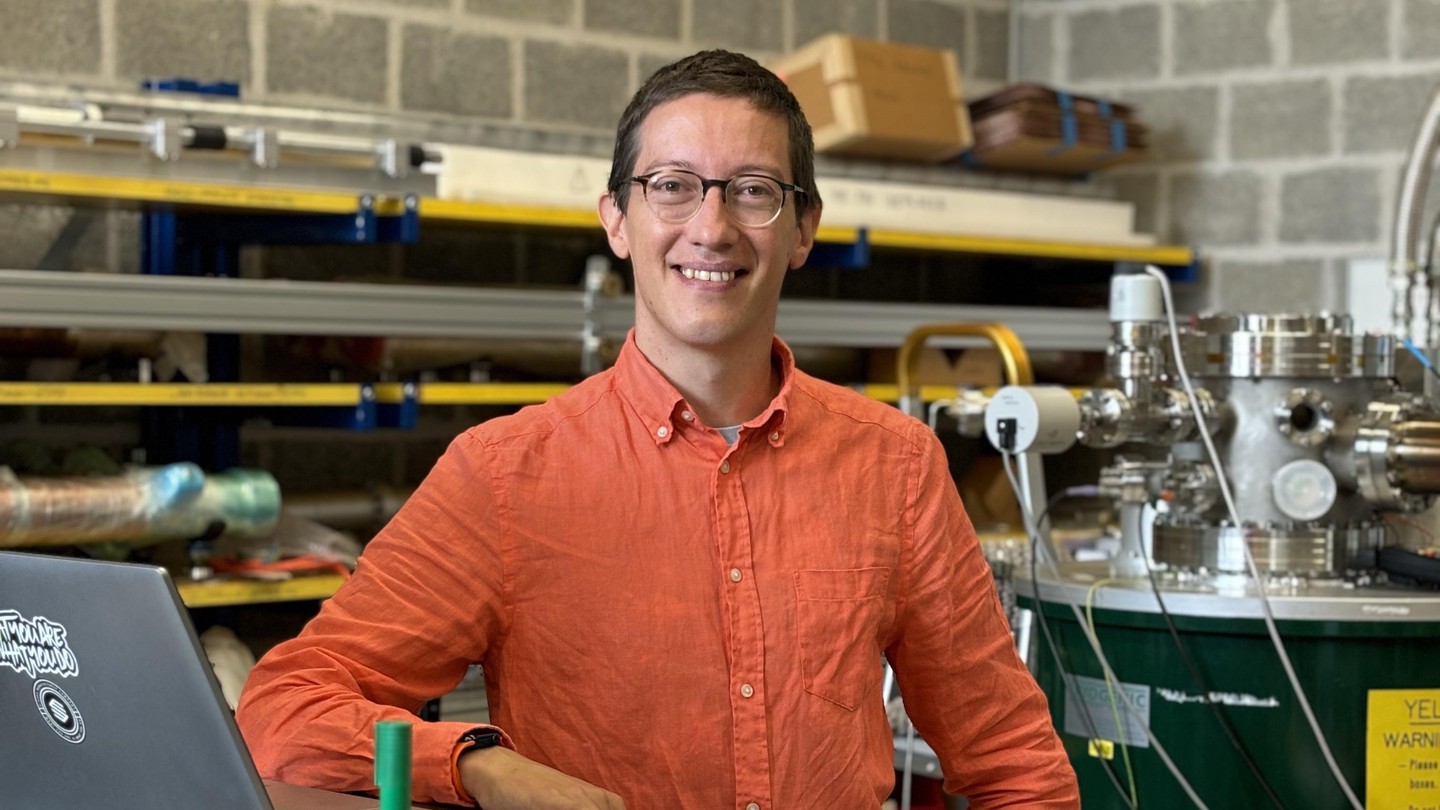
Dr Francesco Romano © Nadia Barth / EPFL

Exploring the mysteries of trapped electrons: the T-REX Experiment

— At the Swiss Plasma Center (SPC), an intriguing experiment is unfolding that could change the future of fusion energy. It's called the TRapped Electrons eXperiment, or T-REX, and its day-to-day operations and research are driven by a passionate and multi-talented scientist, Dr. Francesco Romano.

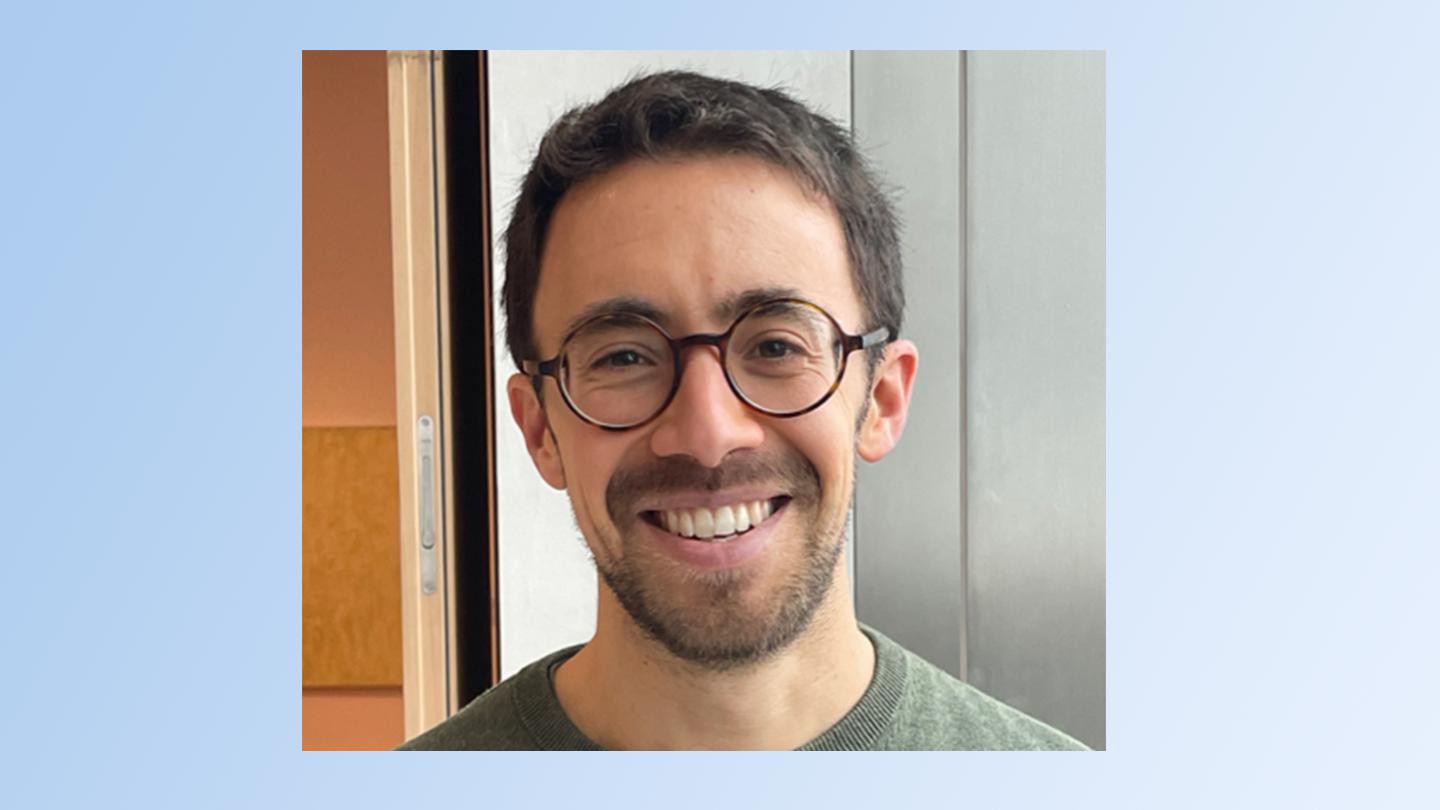
Ralf Mackenbach © 2024 EPFL

"I am a strong believer in the collaborative nature of research"

— Ralf Mackenbach, a postdoctoral researcher at the Swiss Plasma Center (SPC), has been awarded the prestigious Rubicon Grant by the Dutch Research Council for his research at SPC. This two-year grant, beginning in September 2024, will allow him to test new plasma forms using the Tokamak à Configuration Variable (TCV) fusion device at EPFL, and apply an interesting model developed during his Ph.D.

Baptiste Frei © EPFL

"I have always been fascinated by complicated subjects"

— Baptiste Frei has been awarded the 2024 PhD Research Prize by the Plasma Physics Division of the European Physical Society (EPS) for the excellence of his thesis at EPFL's Swiss Plasma Center. This award underlines Baptiste Frei's exceptional contributions to the field of plasma fusion and marks an important milestone in his scientific career. After completing his PhD at the Swiss Plasma Center, under the supervision of Paolo Ricci, he has now joined the Max Planck Institute for Plasma Physics (IPP) in Germany, where he works as a postdoctoral researcher in the Tokamak Theory Group. His focus lies in conducting edge turbulence simulations using high-performance computing codes.

Paolo Ricci, director of the Swiss Plasma Center © Nicolas Schopfer

"Our priority remains excellence"

— Since June 1, 2024, Paolo Ricci has succeeded Ambrogio Fasoli as Director of the Swiss Plasma Center (SPC). For several years, he has also held the SPC Chair of Theory while teaching physics at EPFL, a passion which has earned him numerous teaching awards. With a career spanning 18 years at the Swiss Plasma Center, he now heads one of the most prestigious plasma physics research laboratories in Europe.

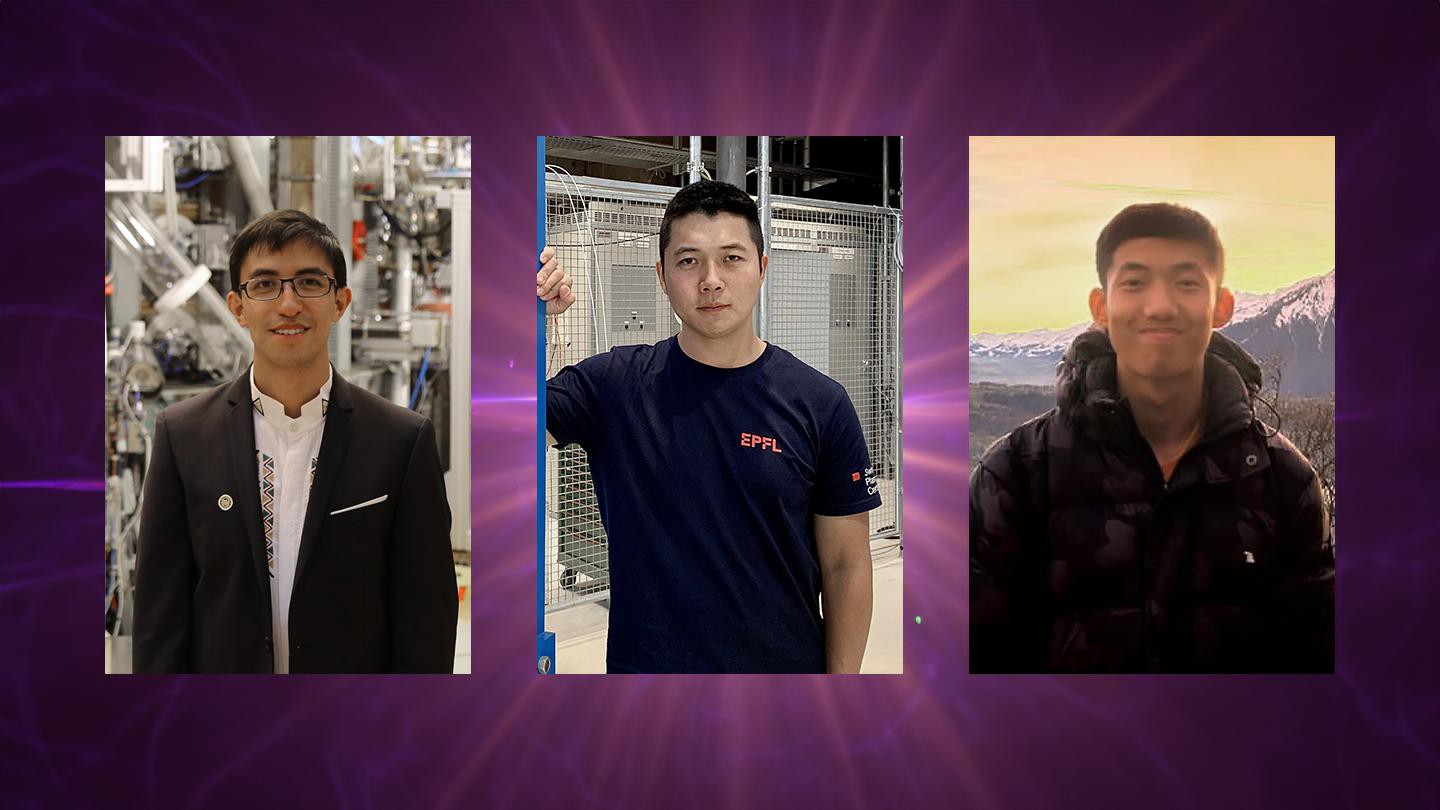
from left to right, Pedro Molina Cabrera, Kyungtak Lim and Haomin Sun © SPC / EPFL

Three emerging voices recognized by the Physics of Plasmas journal

— Kyungtak Lim, Pedro Molina Cabrera and Haomin Sun, two postdoctoral researchers and a PhD student at EPFL's Swiss Plasma Center (SPC), have been selected for the Physics of Plasmas Journal's 2023 Early Career collection. This prestigious recognition, which highlights emerging voices in plasma physics, also gives them the opportunity to showcase the collaborative environment at the SPC that fosters high-level research in their field.

All news