News

3D illustration of a working quantum computer. © iStock

A tiny detector for microwave photons could advance quantum tech

— EPFL researchers have built a device that detects individual microwave photons with up to 70 percent efficiency, operating continuously and without complex reset steps.

Pixel landscape made from tiny cubes representing noise ©iStock

Noise limits today's quantum circuits

— A new theoretical study involving EPFL shows how the noise in today’s quantum computers limits how much work their circuits can really do, and how this affects training and simulation.

© 2026 Nicolò Battocletti

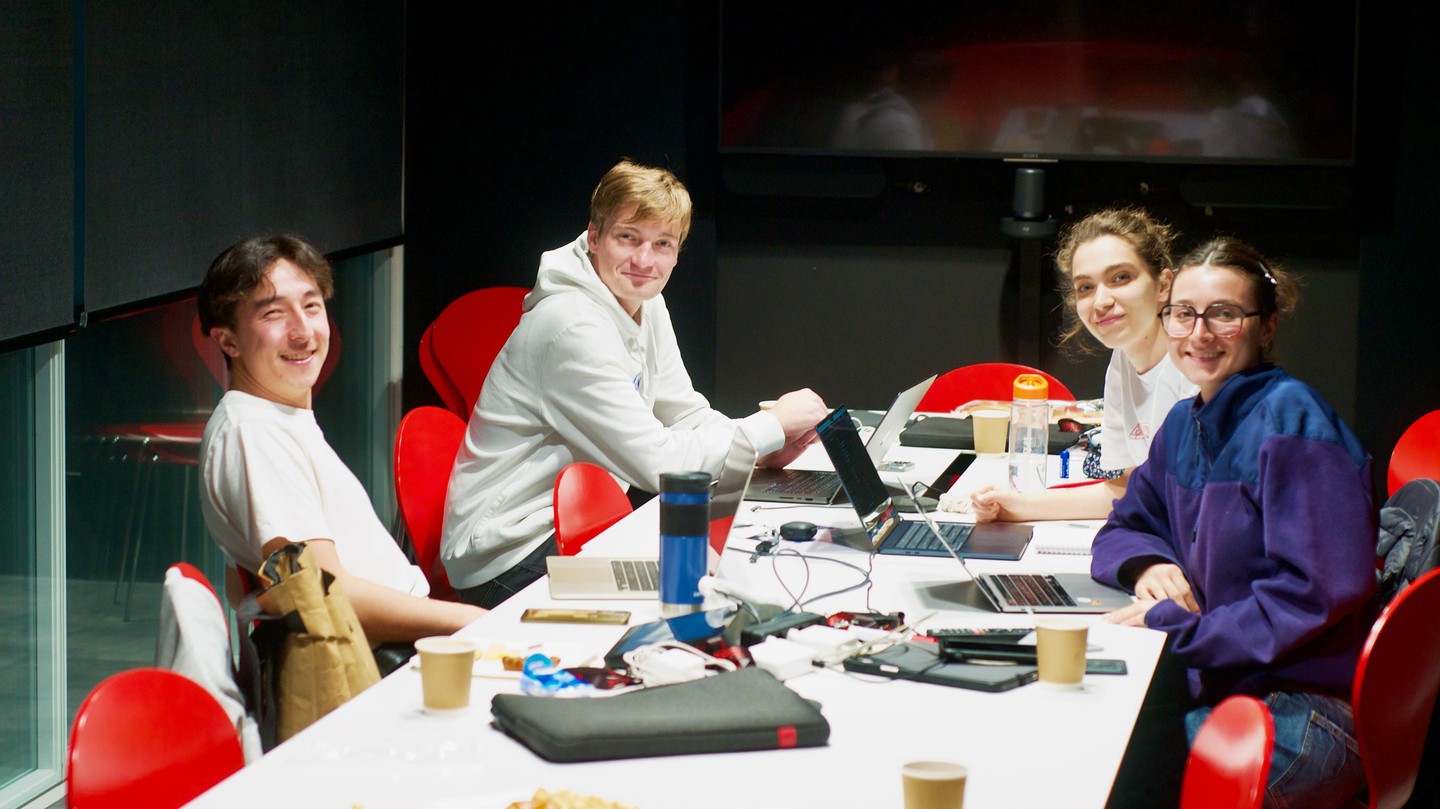
Students launch successful quantum hackathon at EPFL

— A group of students from the Master’s in Quantum Science and Engineering and Master’s in Physics organized a quantum hackathon at EPFL with the support of the QSE Center. The first edition of the QPFL Hackathon took place from 27 February to 1 March 2026, received over 200 applications and brought nearly 70 students from Swiss and international universities to campus.


Credit: P. Scarlino/EPFL

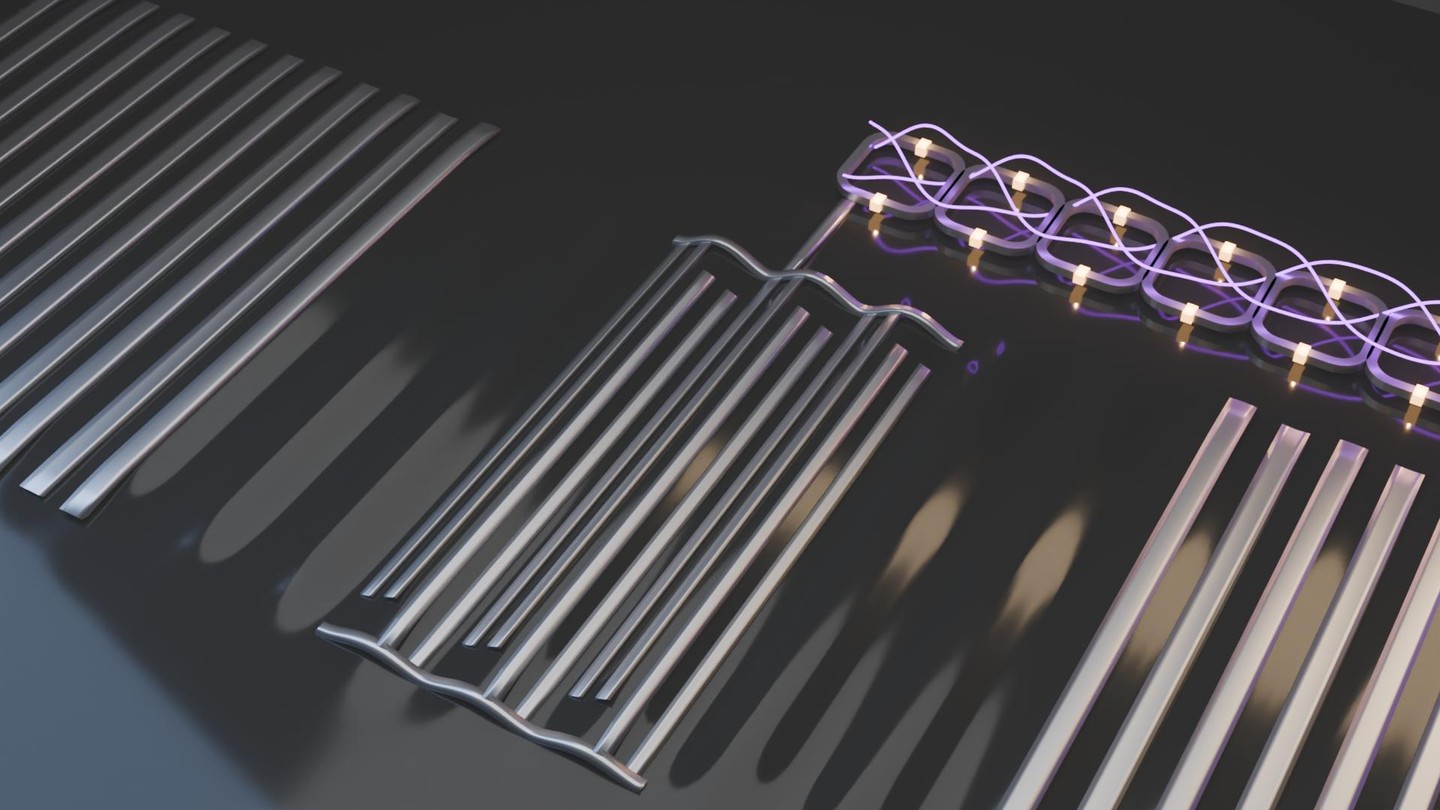
Making quantum vibrations nonlinear

— A research team at EPFL has shown how to engineer controlled nonlinearity of phonons, the quantum units of mechanical vibration, in a chip-based device.

Quantum computing could help solve global problems such as hunger. © iStock

Humanitarian goals go quantum

— Quantum computing could be one of the big technological revolutions of the coming decades. EPFL is working on making it accessible and useful for addressing pressing global issues. 

© 2026 EPFL/QSE Center - CC-BY-SA 4.0

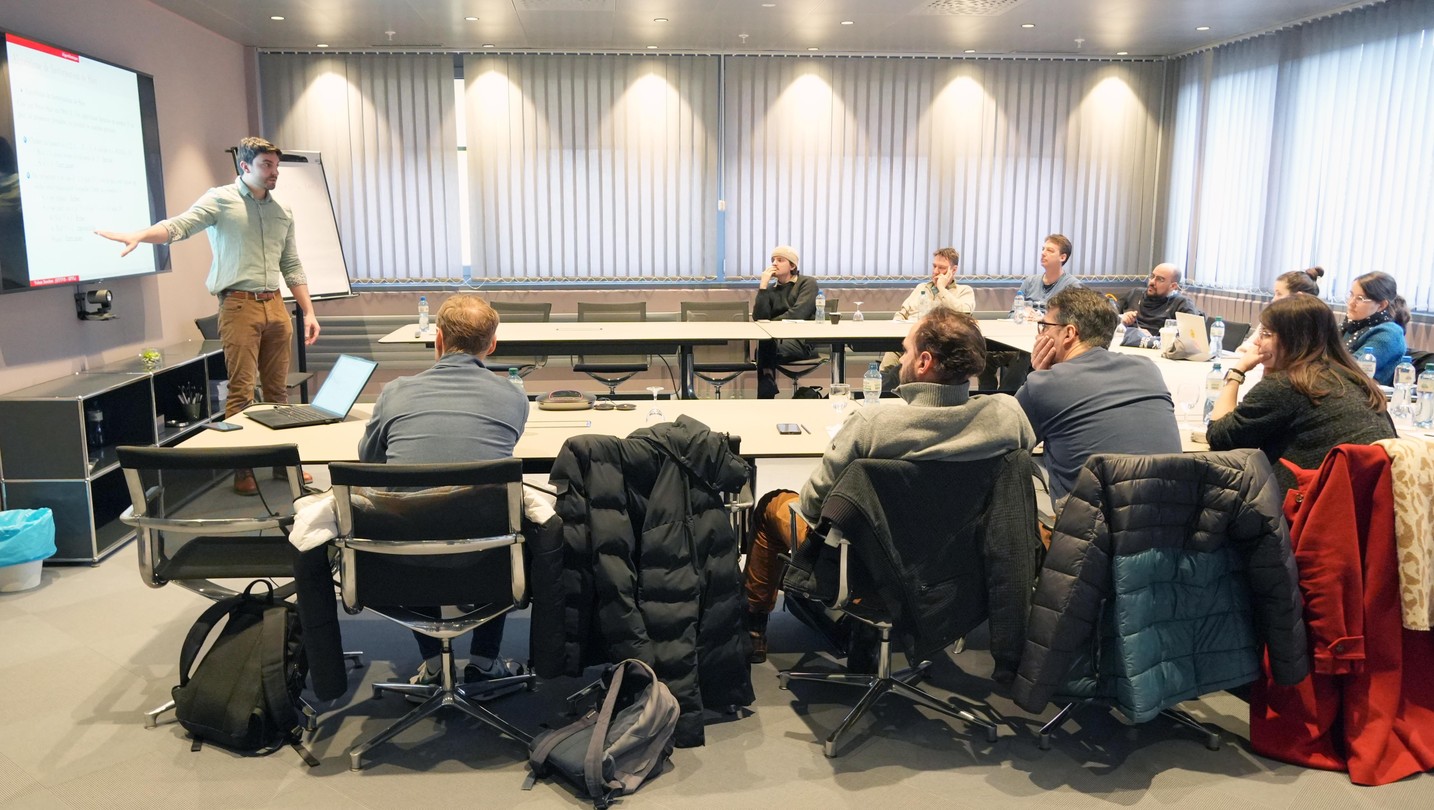
EPFL welcomes teachers to learn about quantum science and technology

— On February 12, the QSE Center hosted a group of high school teachers from Yverdon-les-Bains for continuing education and exploration of quantum research.

All news