Nanotechnologies

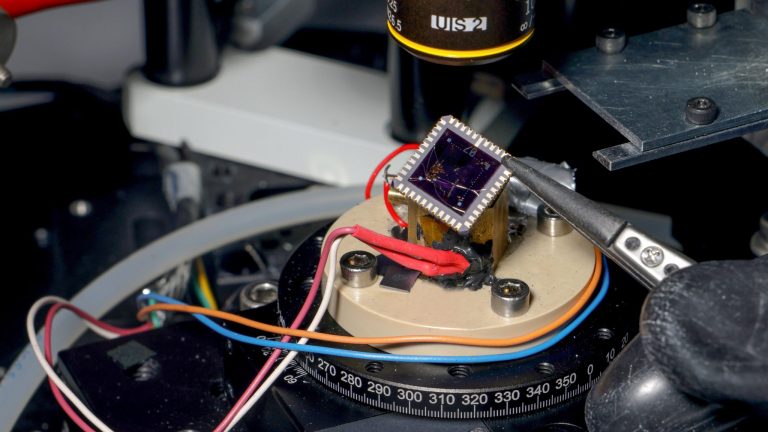
Learn more about nanotechnologies
Nanotechnology research at EPFL’s School of Engineering is dedicated to crafting groundbreaking materials and devices at the nanoscale, driving significant advancements in fields such as electronics and healthcare.
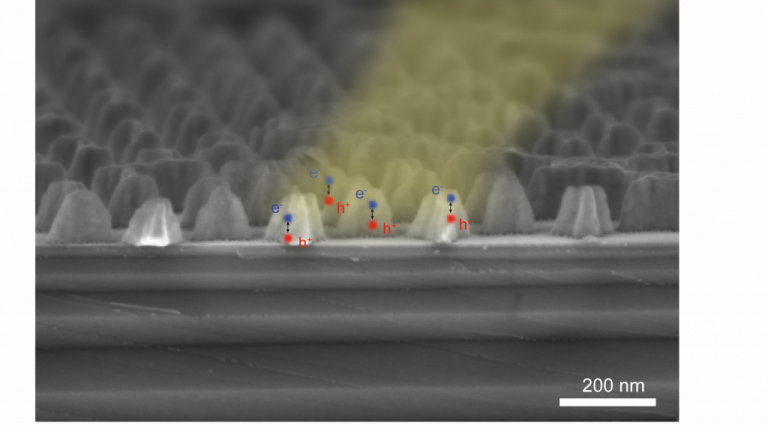
Our experts
Our specialists excel in the design, fabrication, and analysis of nanomaterials, including nanoparticles, nanowires, and nanoscale coatings. Their research is pivotal in advancing technologies like quantum computing, nanoscale sensors, and precision drug delivery.
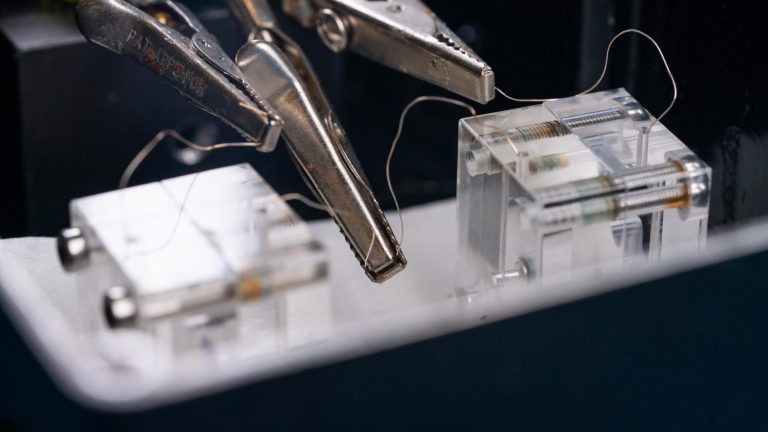
Our laboratories
Our advanced laboratories provide the ideal environment for groundbreaking research in nanotechnologies. These facilities support high-precision fabrication, comprehensive structural analysis, and detailed material characterization, turning innovative ideas into practical solutions.

Our spinoffs
Discover the innovative ventures stemming from our ecosystem, focused on nanotechnology. These dynamic startups are developing revolutionary applications ranging from advanced electronics to novel medical treatments.

Centers
We work in close partnership with leading research facilities and institutes both within EPFL and globally to expand the frontiers of nanotechnology. These collaborations drive interdisciplinary research and fast-track the development of pioneering solutions to meet societal challenges.

Education
Explore exceptional opportunities for education, research, and practical experience in nanotechnologies at the School of Engineering. Become part of the next generation of innovators, contributing to a future where advanced nanotechnologies open new possibilities and enhance lives.
NEWS
Keep up with the latest discoveries and developments in nanotechnology from EPFL’s School of Engineering. Our researchers are at the forefront of innovations in quantum computing, nanoscale sensors, and targeted drug delivery. Visit our news section for insights into the cutting-edge research transforming the future of nanotechnology.




VIDEOS
Watch our videos to gain insights from EPFL’s foremost researchers in nanotechnology. Learn about the latest breakthroughs in nanoscale materials, devices, and other transformative applications. Join us as we explore the science and technology driving nanotechnology innovation and see how our work is shaping the future.
Combining AI and Nanotechnology to Probe the Biomolecular World
A plasma-based nanodevice to generate powerful terahertz waves

Under the skin, a tiny laboratory
New imaging method gives live glimpse into how cells work

A microscope to observe cellular activity, one molecule at a time