
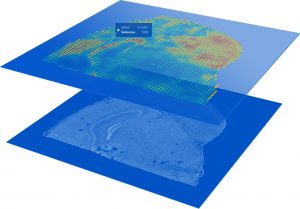
The GECF offers a 10X Genomics Visium HD Spatial Transcriptomics service with the Histology Core Facility. This allows for transcriptome-wide mapping of genes expression onto tissue sections, down to single cell-like level and with concomitant H&E or IF staining.
An overview of the different available Visium methods is available HERE (under revision).
Our guidelines and submission forms are available here:
- HD probe-based (mouse+human): GUIDELINES, FORM
- HD polyA (all eukaryotes): guidelines coming soon
For slides preparation, we have additional histo guidelines for probe-based HD HERE, and for the HD polyA-based workflow HERE (coming soon). Please contact us for more details.
In case Visium is not suited for your needs, we also offer the Curio methods, such as slide-tags (Curio Trekker).
Our new aviti24 sequencer also offers spatial omics abilities. Submisions are done HERE.
Finally, the SpatialOmics@EPFL web page presents a comprehensive overview of the other Spatial Omics options available at the School of Life Science.