News

© 2026 EPFL

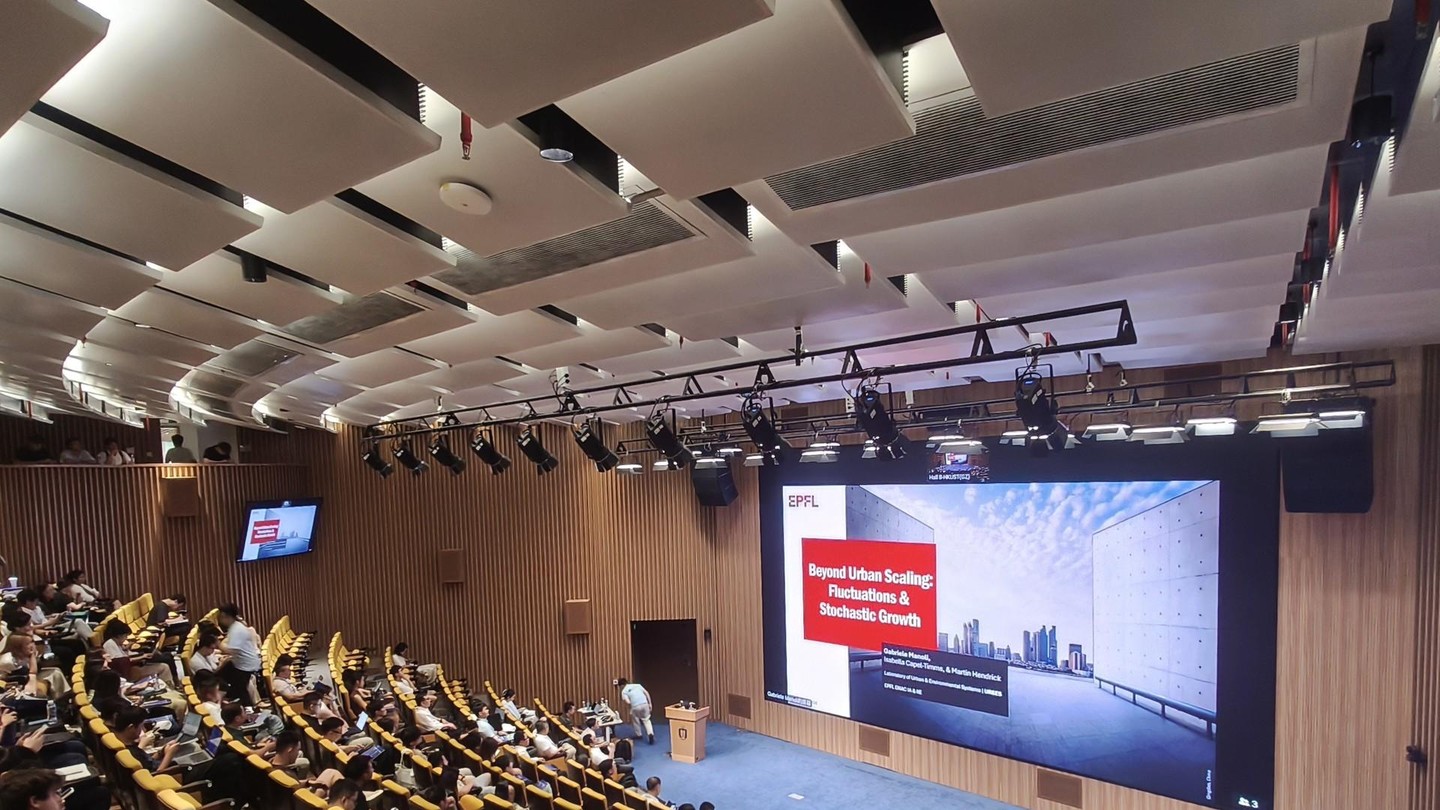
Keynote explores the physics and complexity of growing cities

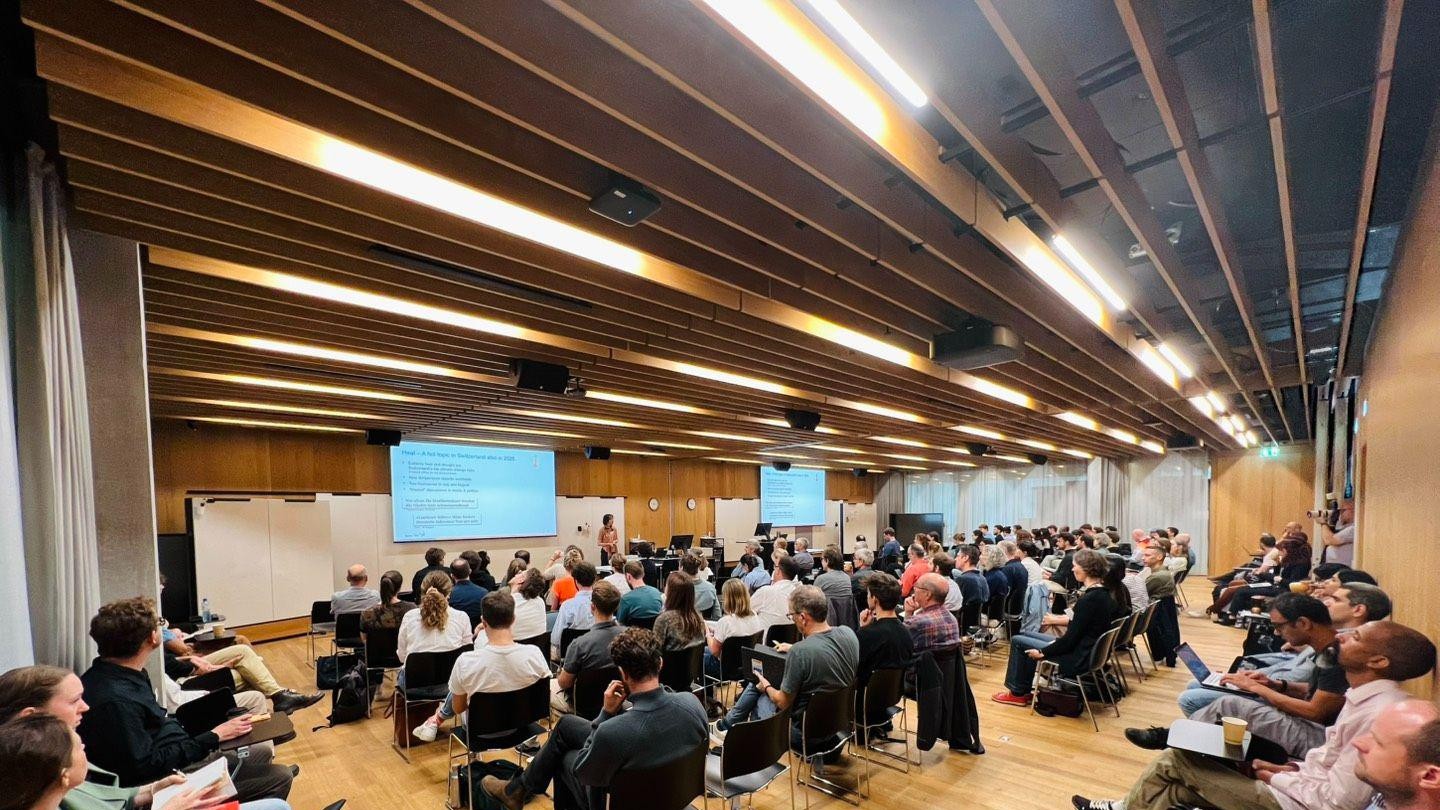
— Prof. Gabriele Manoli delivered a keynote speech at the 4th International Conference on Urban Science and Intelligence (ICUSI 2026), held on 8–9 August at The Hong Kong University of Science and Technology (Guangzhou).

© 2026 EPFL

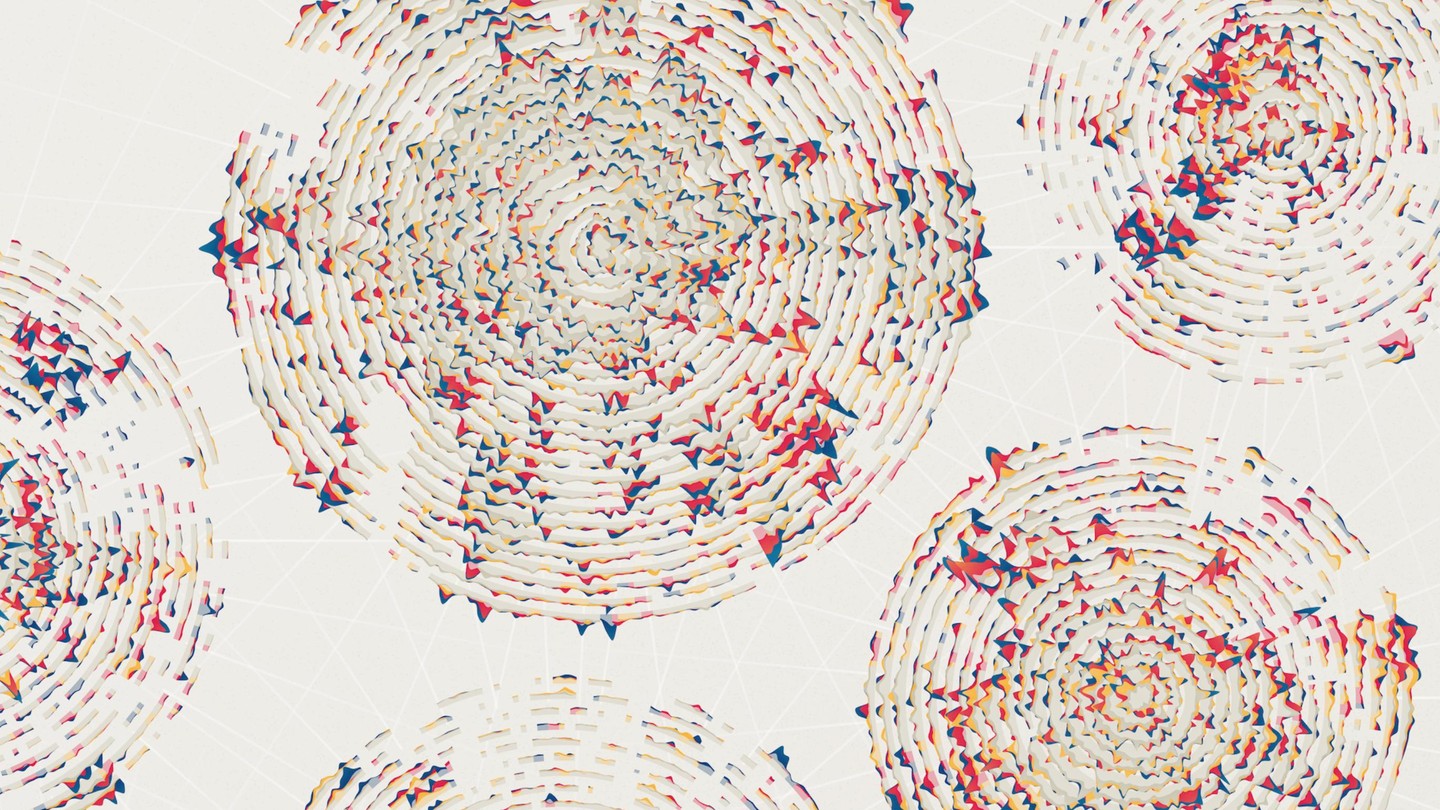
Statistical physics explains the growth of urban skylines

— What if the same mathematical framework could describe the growth of bacterial colonies, crystal surfaces, and… urban skylines? This seemingly surprising question lies at the heart of our new study on city growth. 

© 2026 EPFL

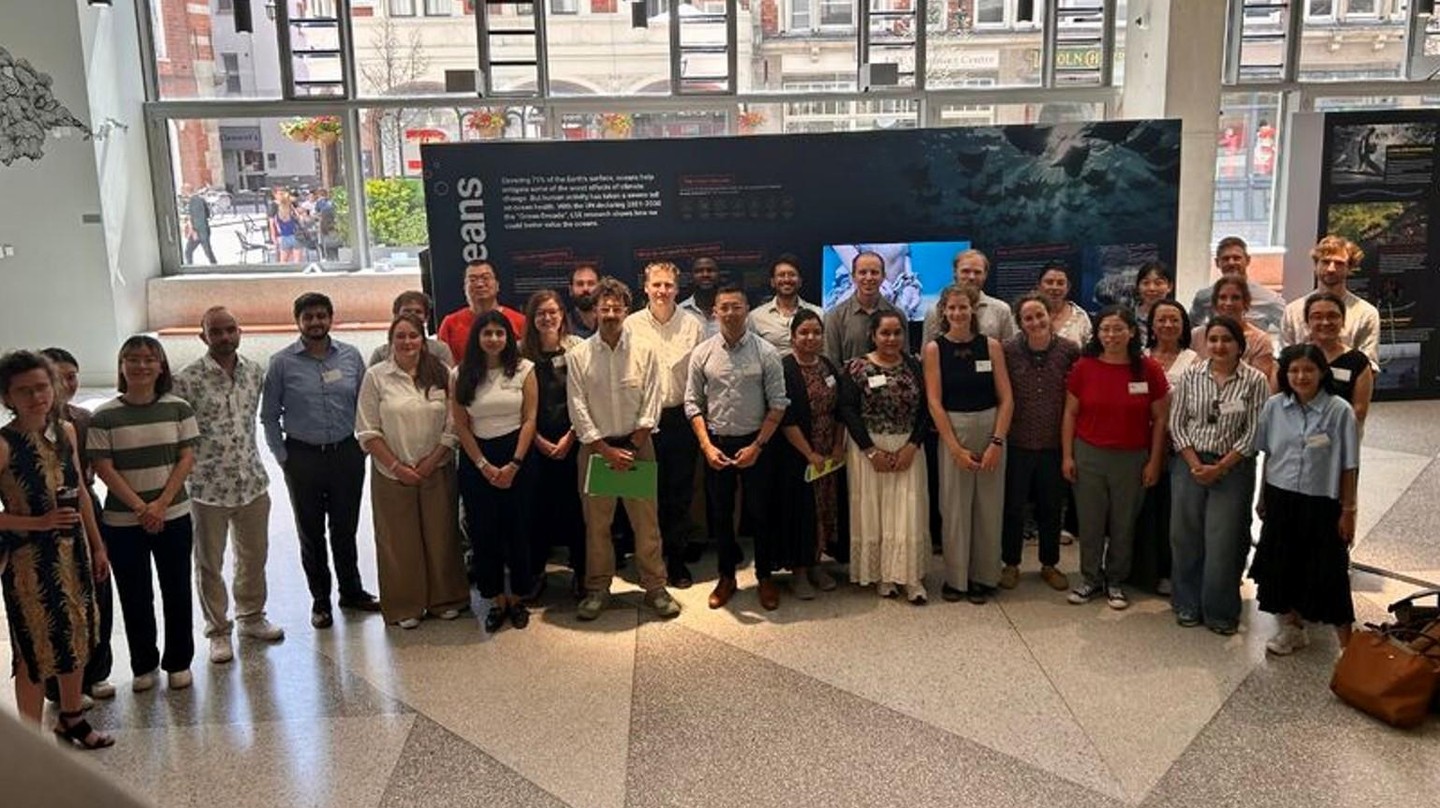
Predicting Flood-Driven Displacement at the FloodTraces Hackathon

— At the FloodTraces workshop in London, Martin Hendrick and a global team of partners have built a machine-learning model using mobility and rainfall data to detect early signals of population displacement, enabling faster and more informed humanitarian response.

© 2026 EPFL

Xinyang joins the lab!

— Dr. Xinyang Fan has joined URBES as a postdoctoral researcher – welcome!

© 2026 EPFL

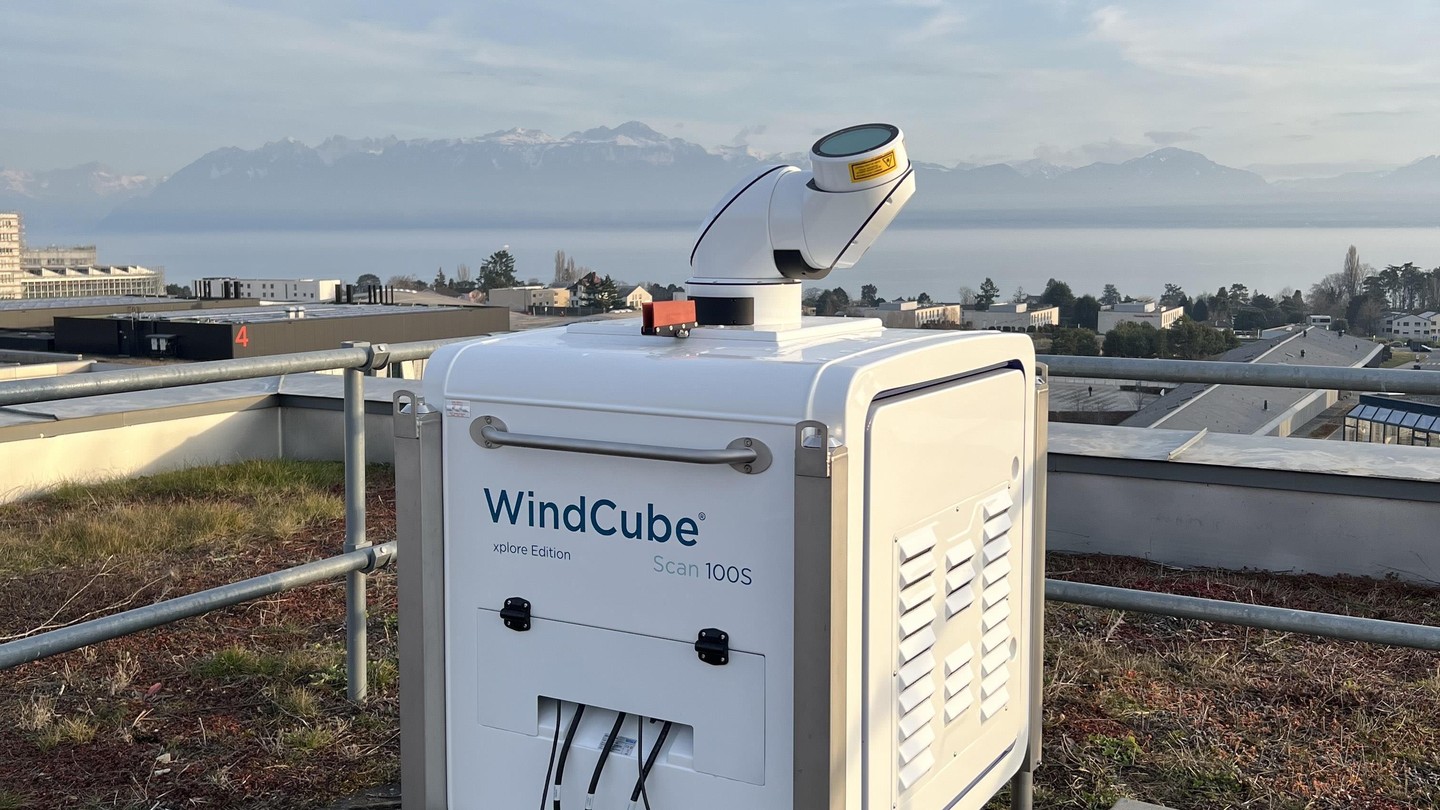
URBES lidar goes live

— The doppler lidar installed at EPFL has been integrated into the EUMETNET E-Profile programme which collects, processes and disseminates vertical profiles of atmospheric properties.

© 2025 EPFL URBES

URBES at CCS 2025

— Kudos to Marc and Martin who presented their latest research at the Conference on Complex Systems 2025

© Street in Stockholm. Source: Urban Insight by Sweco – Building heatwave resilience in European cities

New study reveals the impact of human mobility on heat exposure

— A recent article, led by Guo-Shiuan Lin and published in PLOS One, demonstrates that daily and seasonal human mobility modulates temperature exposure in European cities

© 2025 EPFL URBES

Welcome Xue and Yen-Shou!

— Prof. Xue Feng (University of Minnesota) and Yen-Shuo Huang (PhD student at UCLouvain) are visiting the URBES lab

© 2025 Swiss TPH

Keynote at Beat the Heat 2025

— Gabriele Manoli delivered a keynote speech on urban mobility and heat exposure at the Swiss TPH conference in Basel

Cities like living organisms, an illustration by Alicia Crespo Montañes, EPFL URBES, 2025

Cities obey the same laws of living systems

— An EPFL study has found that urban areas follow the same universal rules observed in the natural world. From population size to carbon emissions and road networks – could the key to sustainable urbanization lie in the very “metabolism” of our cities?

© 2025 Robèrt Kroonen

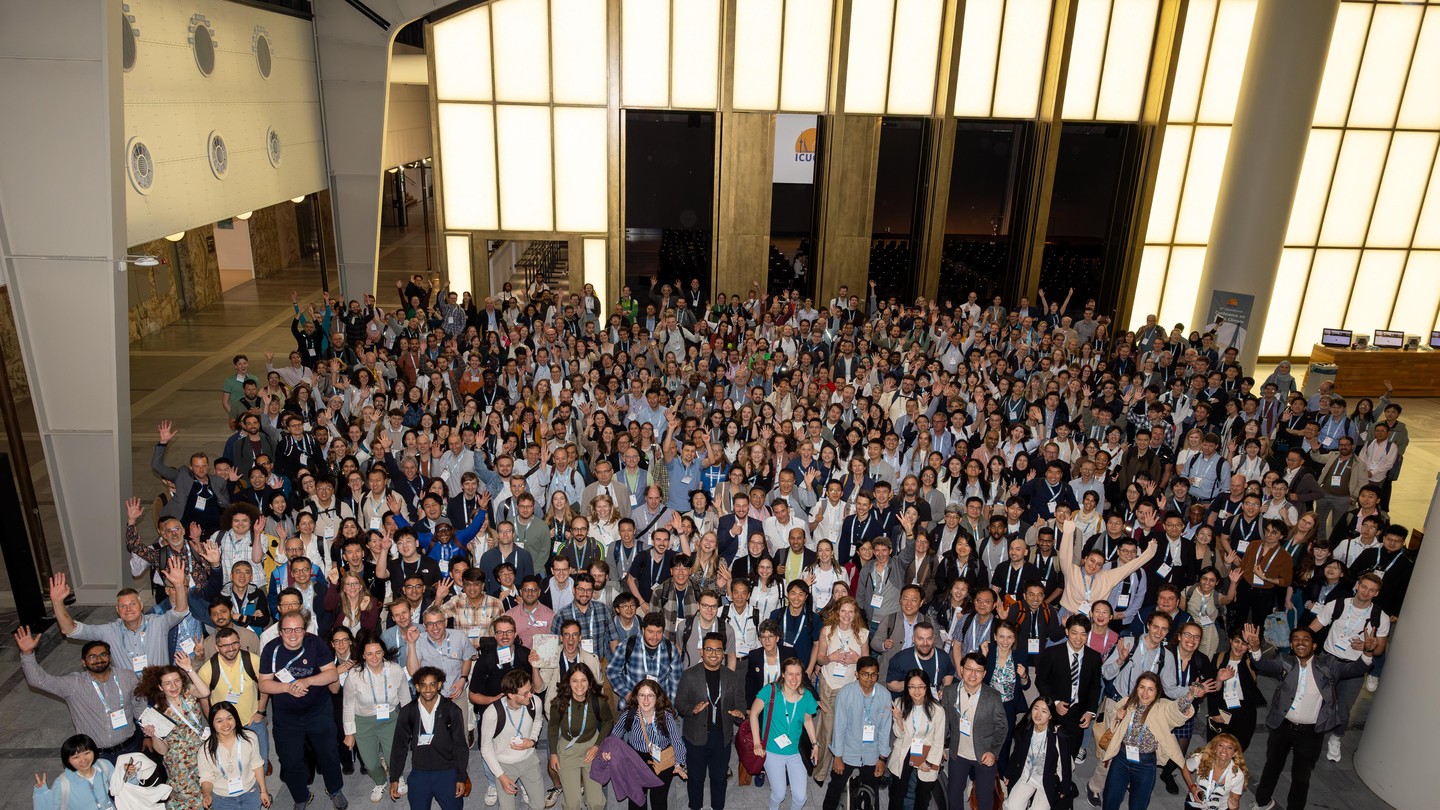
URBES at ICUC12

— Great participation of the URBES lab to the 12th International Conference on Urban Climate (ICUC12)

Sebastian Rittau, CC BY 3.0, via Wikimedia Commons

Can we harvest wind energy in cities?

— A new study by URBES, published in the Wind Energy journal, quantifies the wind energy microgeneration potential in the cities of Lausanne and Geneva.

© 2025 URBES

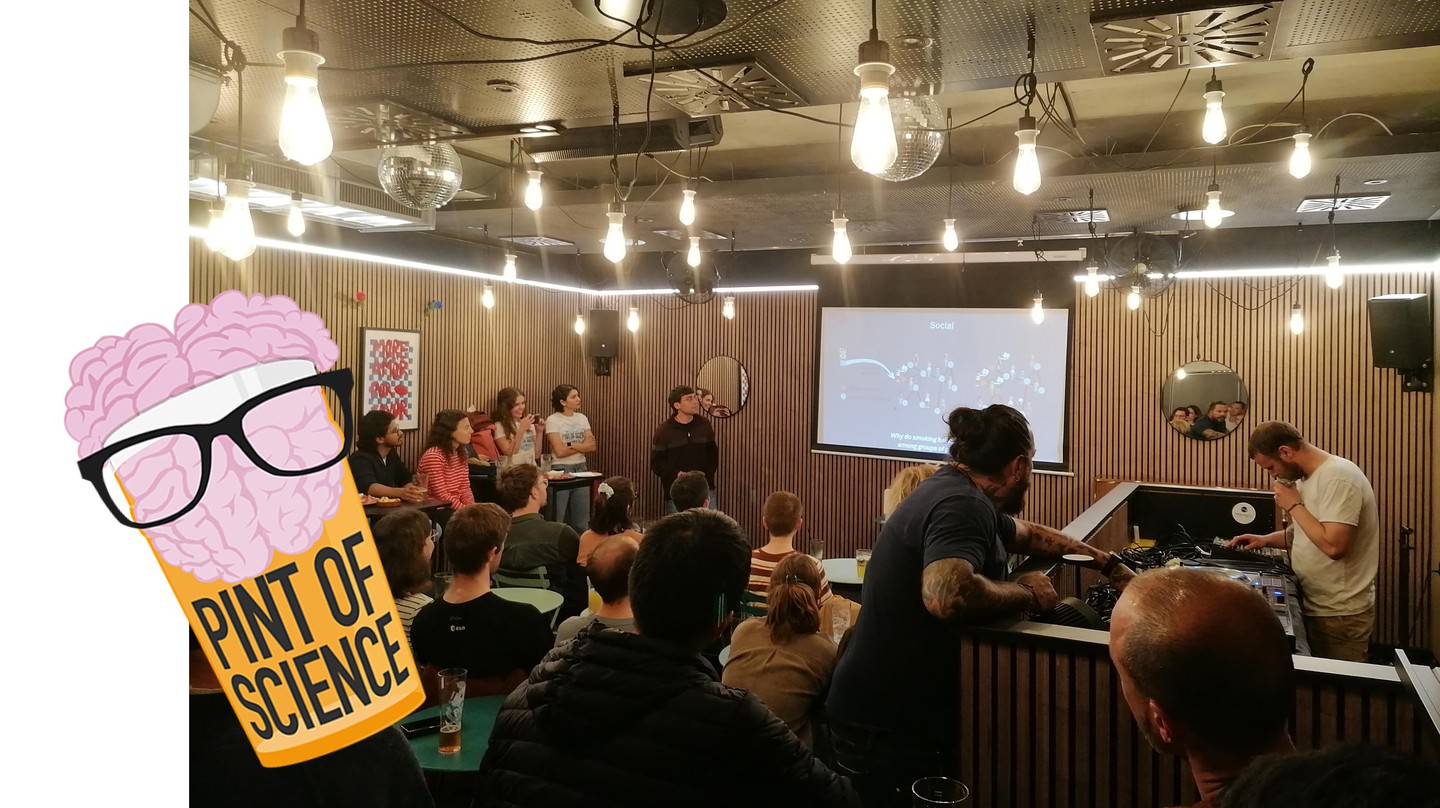
URBES at the Pint of Science Festival 2025

— An evening of fun and discovery in Lausanne, with a great presentation by Marc on human mobility, heat exposure, and inequality!

© 2025 EPFL

Xinjie joins the lab!

— Xinjie Huang, a PhD student at Princeton University, is visiting URBES for a scientific exchange

© URBES

URBES at EGU25 and the CECAM workshop

— Our latest research has been presented at EGU25 in Vienna and the CECAM workshop "Stochastics processes: Inferences in complex systems".

© 2025 Vaisala

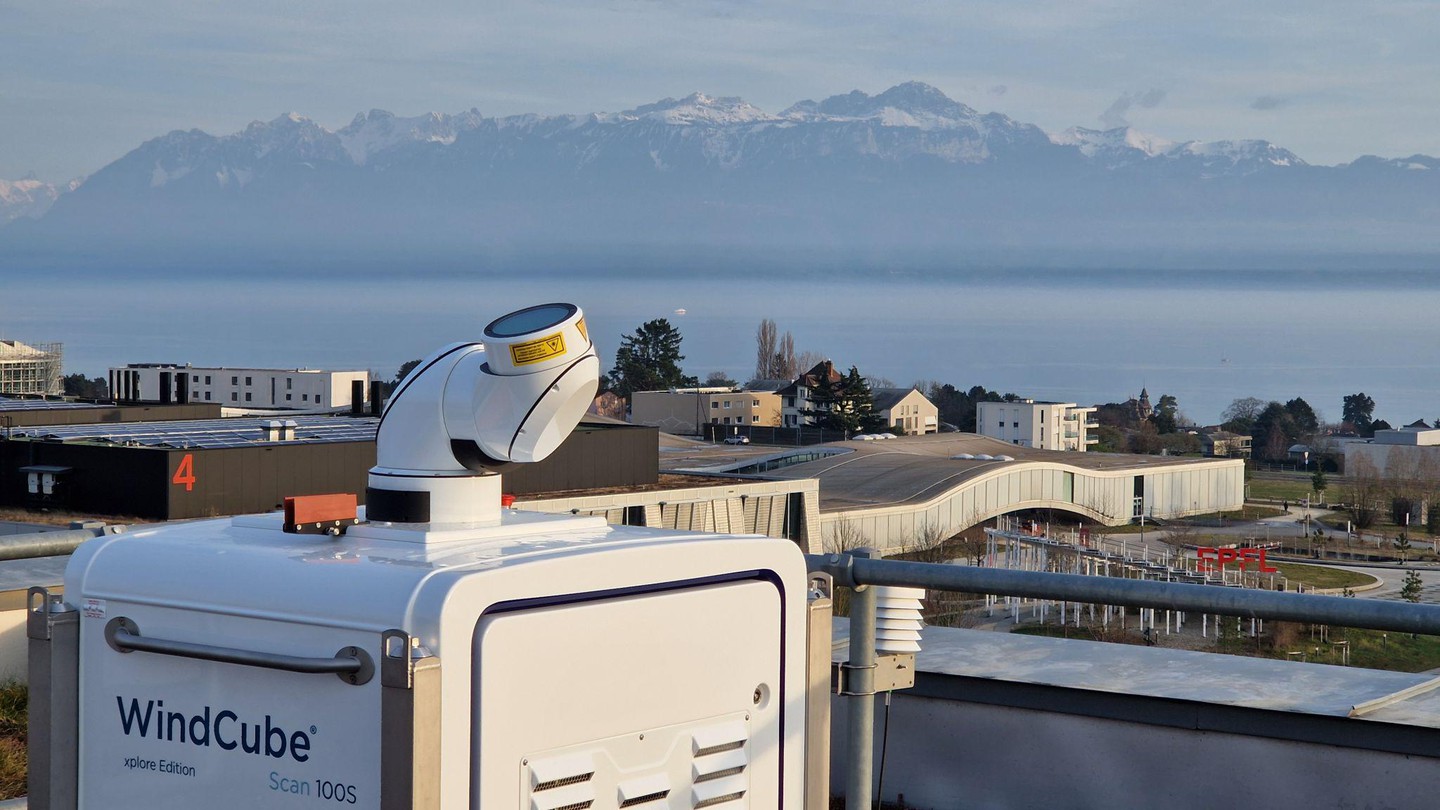
Wind lidar installed at EPFL

— The scanning lidar will enable to acquire wind and aerosol backscatter measurements within the boundary layer of Lausanne

Image: Mario / Adobe Stock

The spatial distribution of urban trees can impact human health

— A long-term study on Switzerland has found a link between the spatial arrangment of residential trees and mortality risk.

© 2025 IUAV

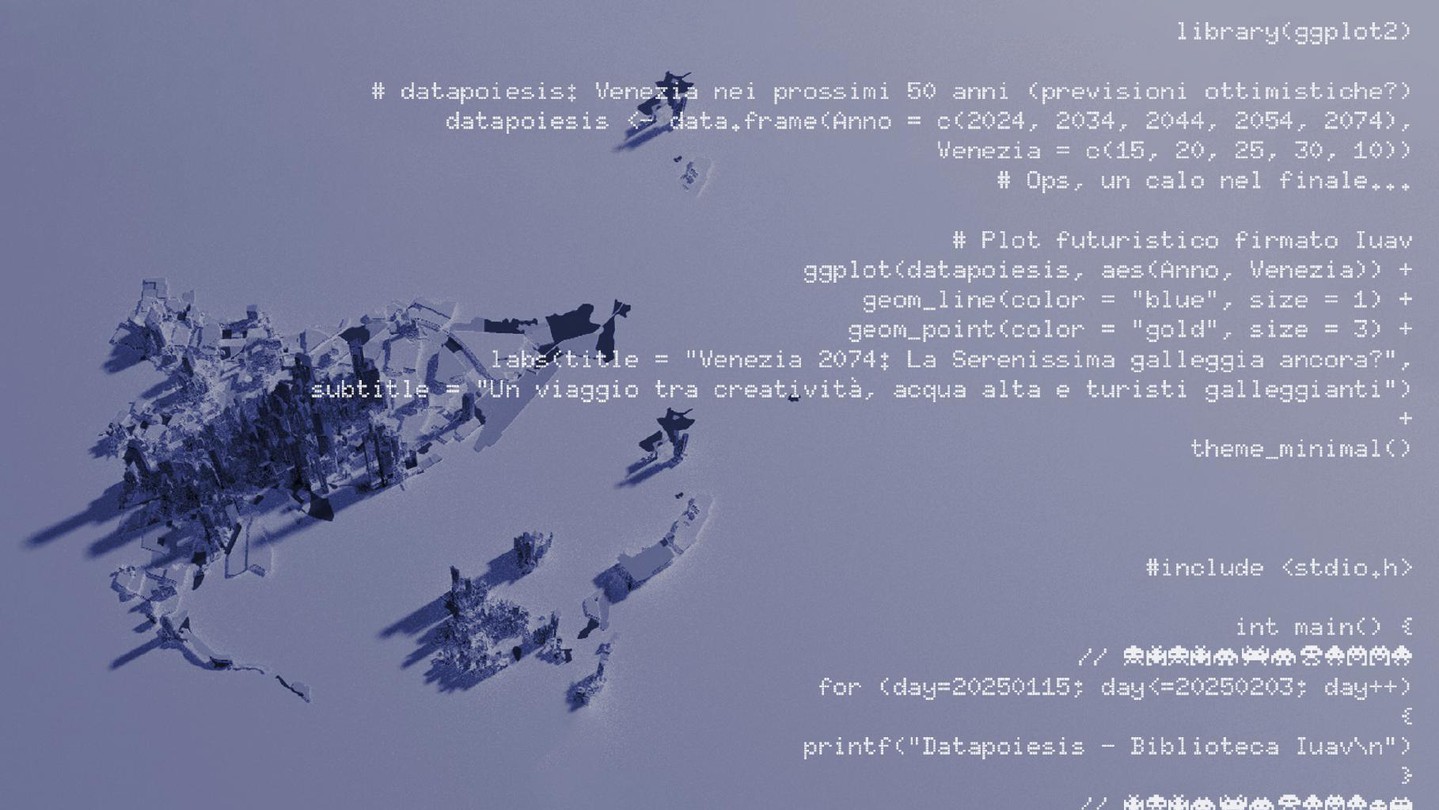
URBES at the exhibition "Datapoiesis" in Venice

— URBES together with ENAC-IT4Research have developed an online platform for urban data visualization now displayed at the Datapoiesis exhibition in Venice

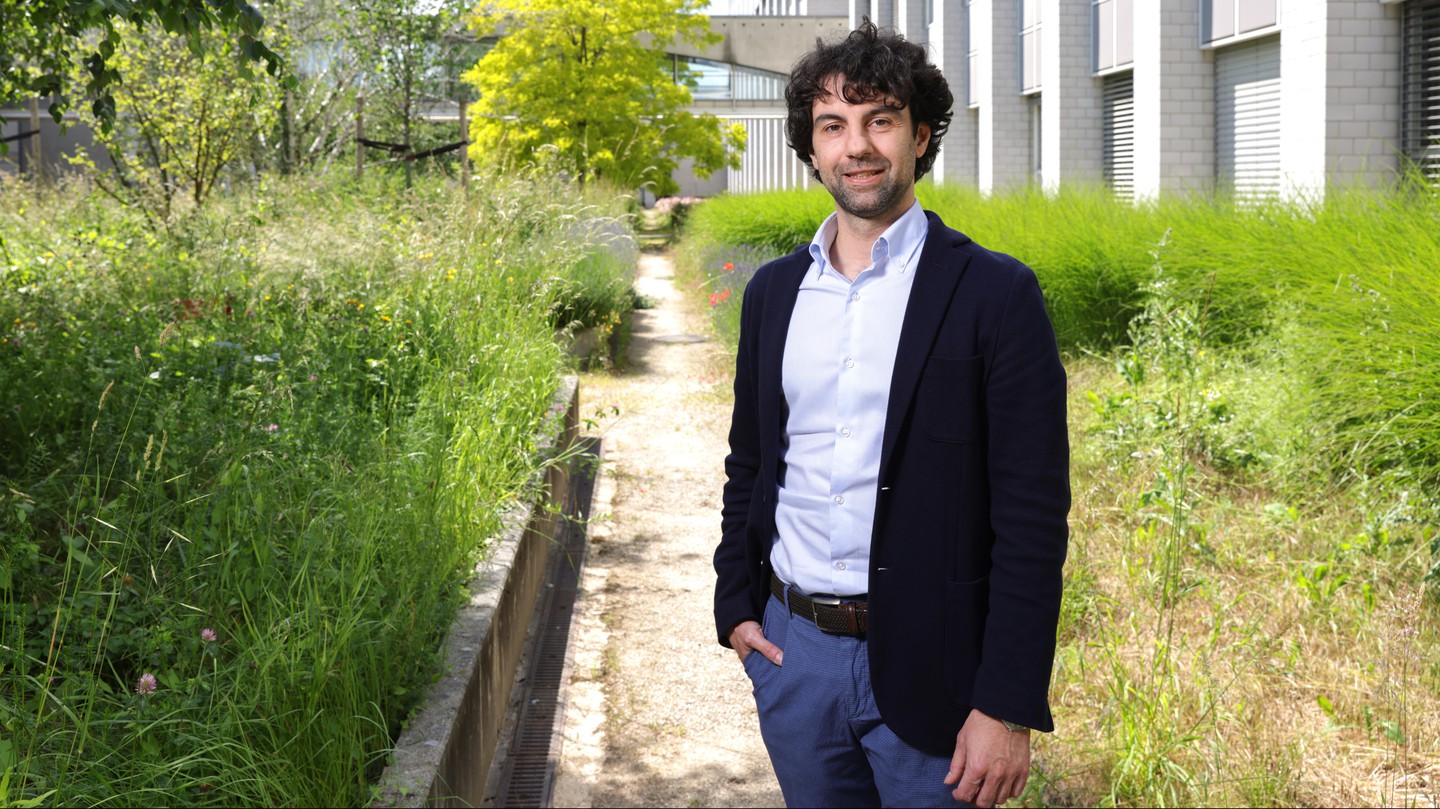
Gabriele Manoli works as a tenure-track assistant professor at EPFL. © 2024 EPFL / Alain Herzog

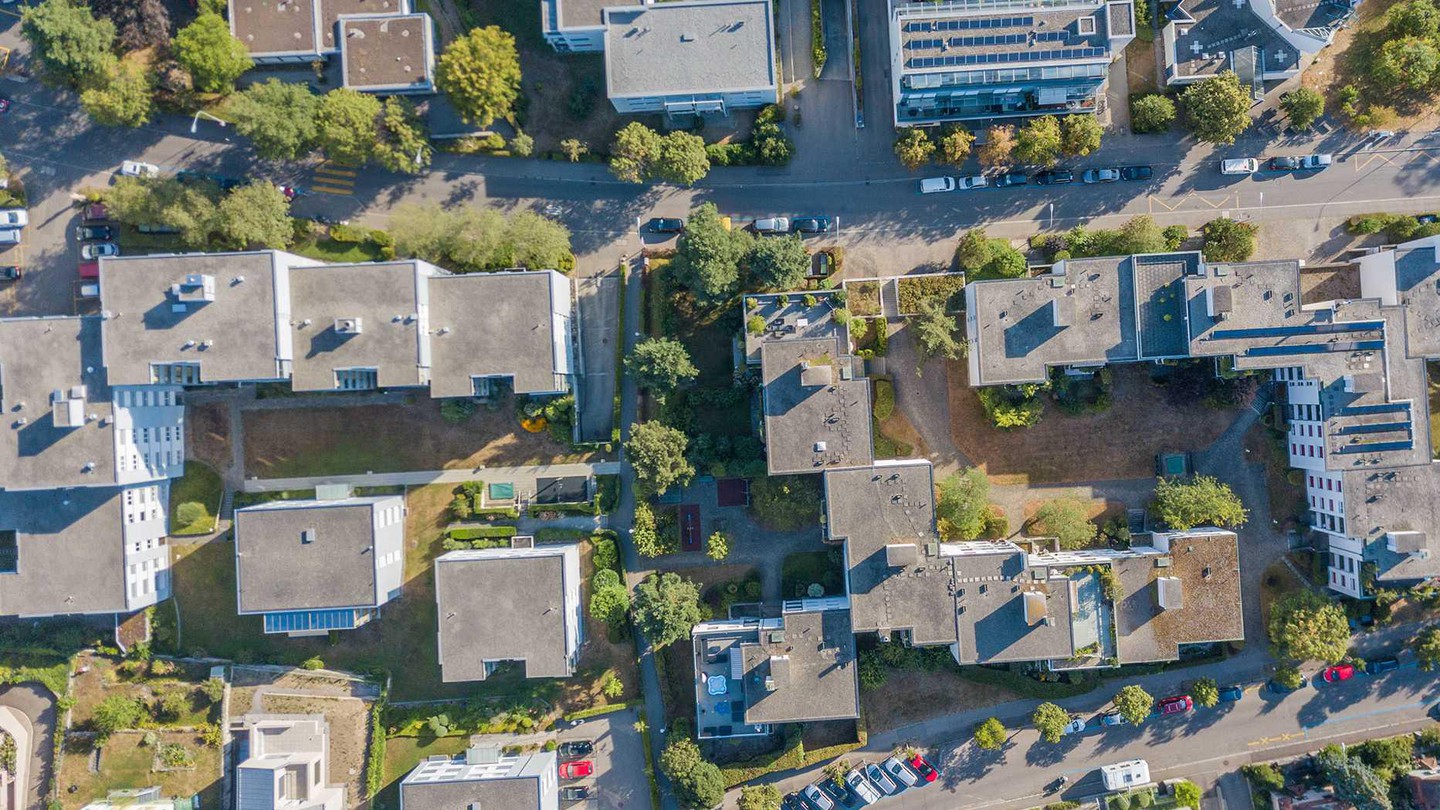
To densify or not to densify? That is the question

— As researchers learn more about the costs and benefits of urban densification, city planners will be able to make better-informed measures, says Gabriele Manoli, a tenure-track assistant professor at EPFL, in this column published in three daily newspapers in French-speaking Switzerland.

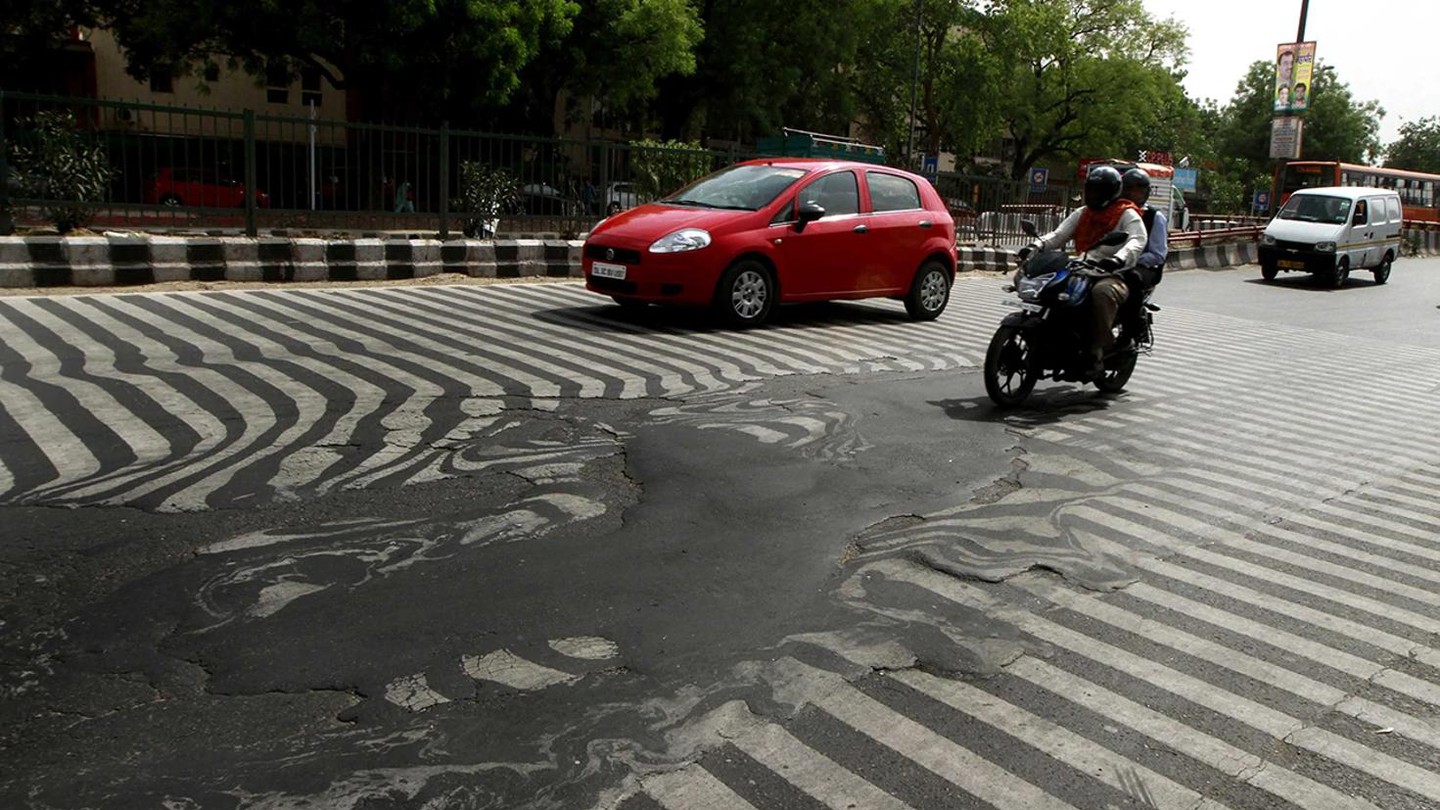
Traffic in India was disrupted this year by road surfaces melting. Credit: Sanjeev Verma/Hindustan Times via Getty

Are transport systems ready to cope with extreme heat?

— In a recent comment published in Nature, a team of scientists – including Gabriele Manoli – provides a call for action to improve the resilience of global transport systems to future heatwaves

All news