
On 4 September 2026, Theodora Giovanazzi presented the paper “Governing through Housing: The Scuole Grandi and Urban Welfare in 16th-Century Venice” at the conference Good Governance and the Built Environment of Late Medieval Cities (1200-1700), held at the Royal Library of Belgium, Brussels, in partnership with UCLouvain (3-5 September 2025).
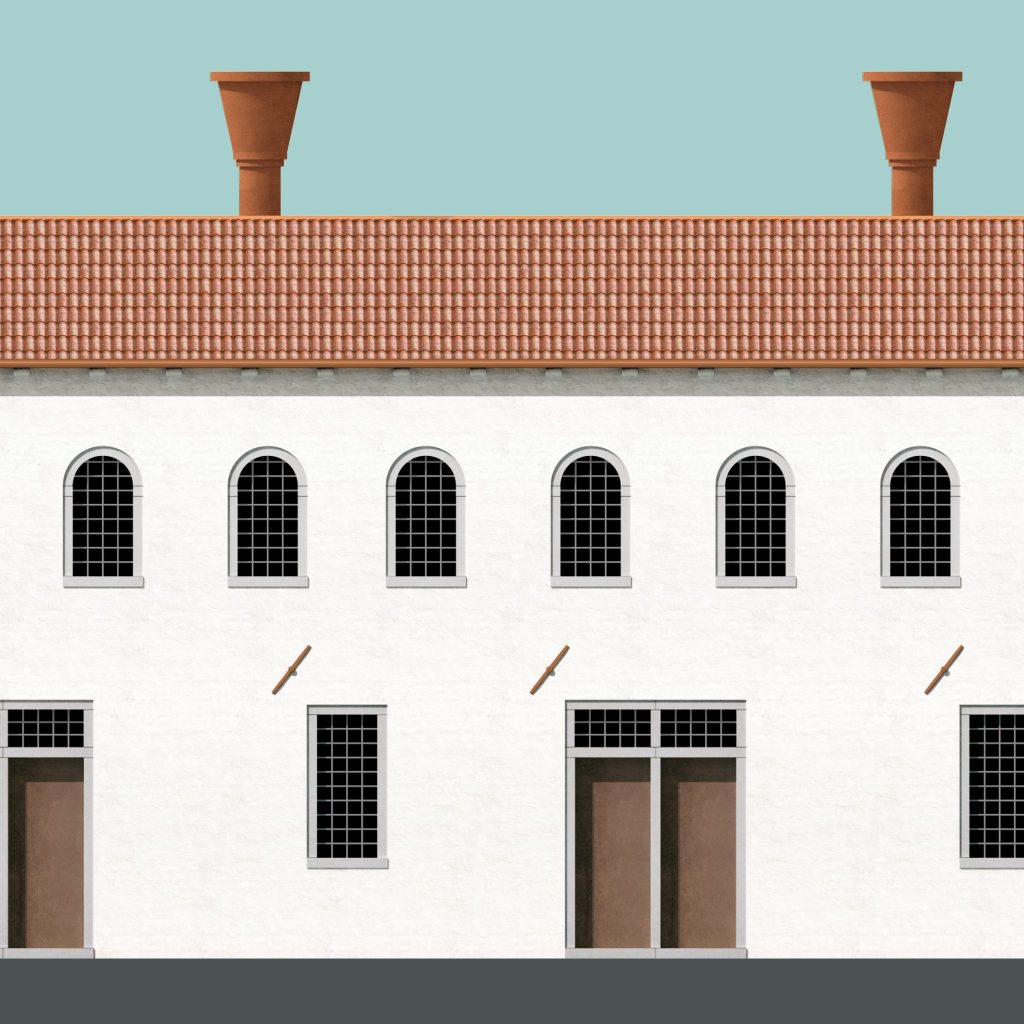
The 16th century marked a turning point in the governance of charity within the European context. While several cities began to centralize poor relief, the Republic of Venice stood as an exception, as its government also relied on semi-public institutions, such as the Scuole Grandi, to assist those categorized as ‘deserving poor.’ Originating in the 13th century, these powerful lay confraternities expanded their philanthropic reach in the 16th century by building, managing, and providing housing for the poor, often for free or at low rents, through the innovative pro Amore Dei tenure type.
Supervised by the Council of Ten yet autonomous in their internal operations, the Scuole embodied a hybrid mode of governance: lay yet devotional, private yet civic. By entrusting non-state institutions like the Scuole with the provision of charitable and affordable housing, the State effectively bureaucratized the housing project and decentralized its administration across society. The paper argues that through this arrangement, the Scuole emerged as central actors in the material and urban governance of poverty.
By combining an architectural analysis of paradigmatic case studies, archival research, and the review of specialised scholarship, this research examines the Scuole’s relationship with the State and the Church, the financing strategies used for their housing initiatives, and the impact these had on the island’s urban development. This paper forms part of Giovanazzi’s PhD research, which aims to trace a genealogy of social housing through the lenses of architecture and political economy.