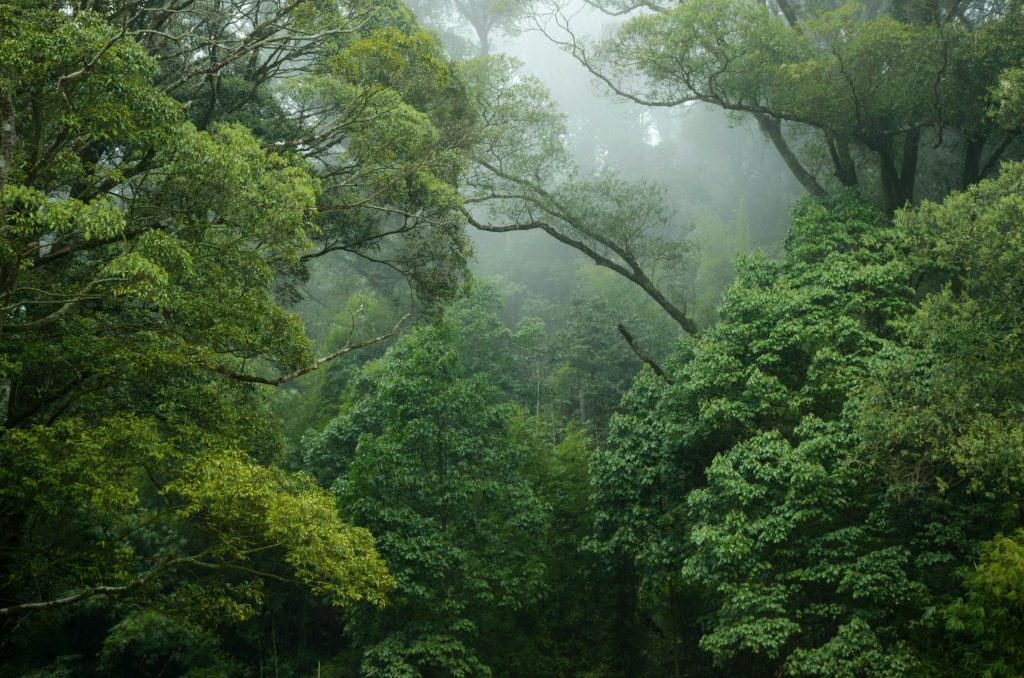
European forests are increasingly exposed to heatwaves, dry soils, and very dry air. As temperatures rise, the atmosphere draws more water from tree leaves, creating what is known as atmospheric drought. This can reduce photosynthesis and growth, damage leaves and water-transport tissues, and ultimately increase the risk of tree mortality. However, we still do not fully understand how trees physiology interacts with heat, dry air, and low soil moisture.
The COOL project investigates how European trees respond to these combined stresses and whether they can gradually adjust (or decline) to warmer and drier conditions. We study around 20 common European tree species using controlled experiments in climate chambers, a unique field experiment in a mature Scots pine forest in Switzerland, and a monitoring network covering forests across Europe.
We will measure how trees regulate their temperature, water loss, photosynthesis, growth, and water transport, as well as premature senescence. This will help us identify the critical conditions beyond which different tree species can no longer function normally. We will also examine whether long-term exposure to warmer or drier conditions helps trees adapt to future heatwaves and droughts.
Finally, the results will be used to improve models that predict forest growth, water use, and mortality under climate change. The project will provide new knowledge to support forest managers and decision-makers in developing strategies that help European forests remain healthy and resilient in a hotter and drier future.