News

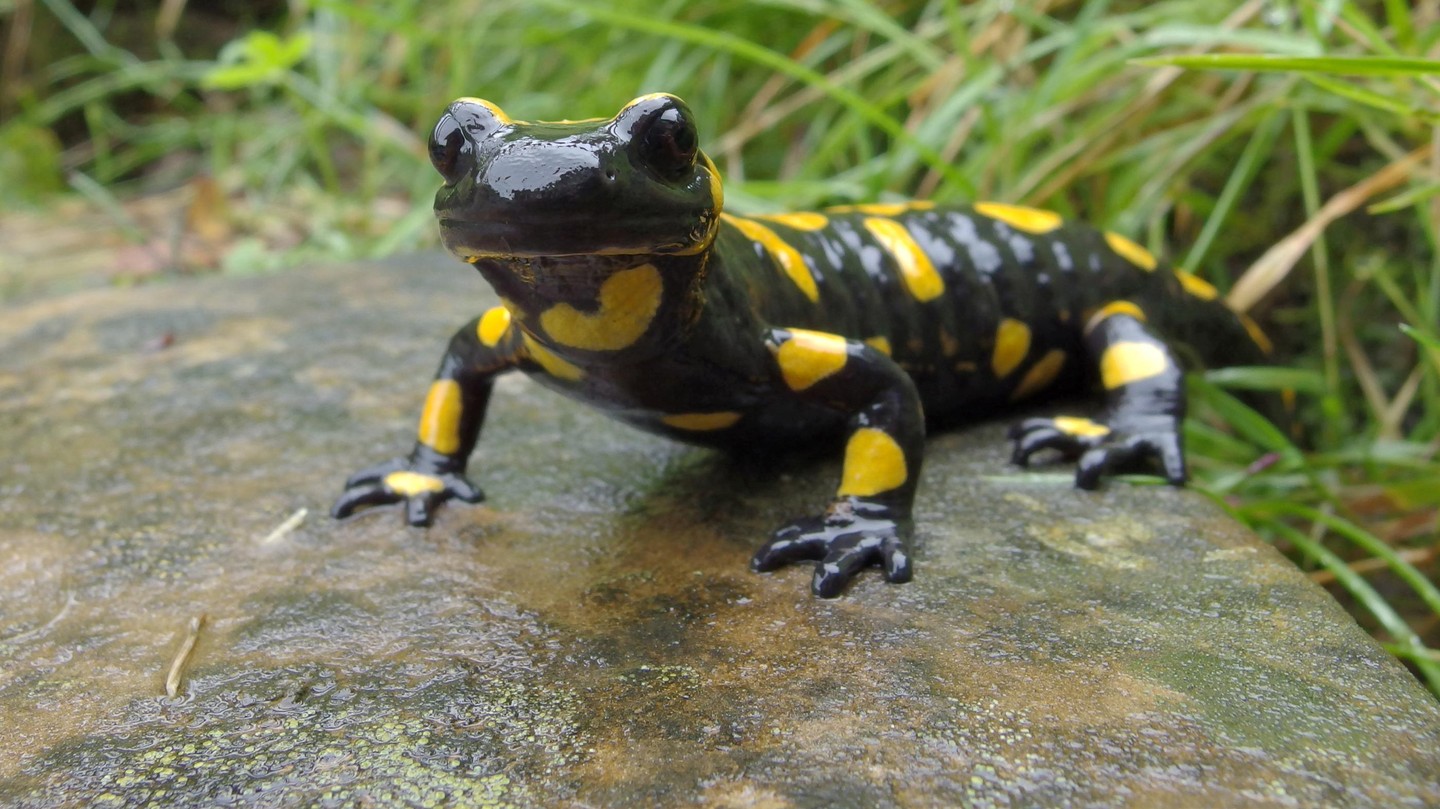
A Fire Salamander (Salamandra salamandra) ©iStock

When oxygen determines if a limb can regrow

— Researchers at EPFL have discovered how oxygen-sensing explains why amphibians regenerate limbs and mammals do not.

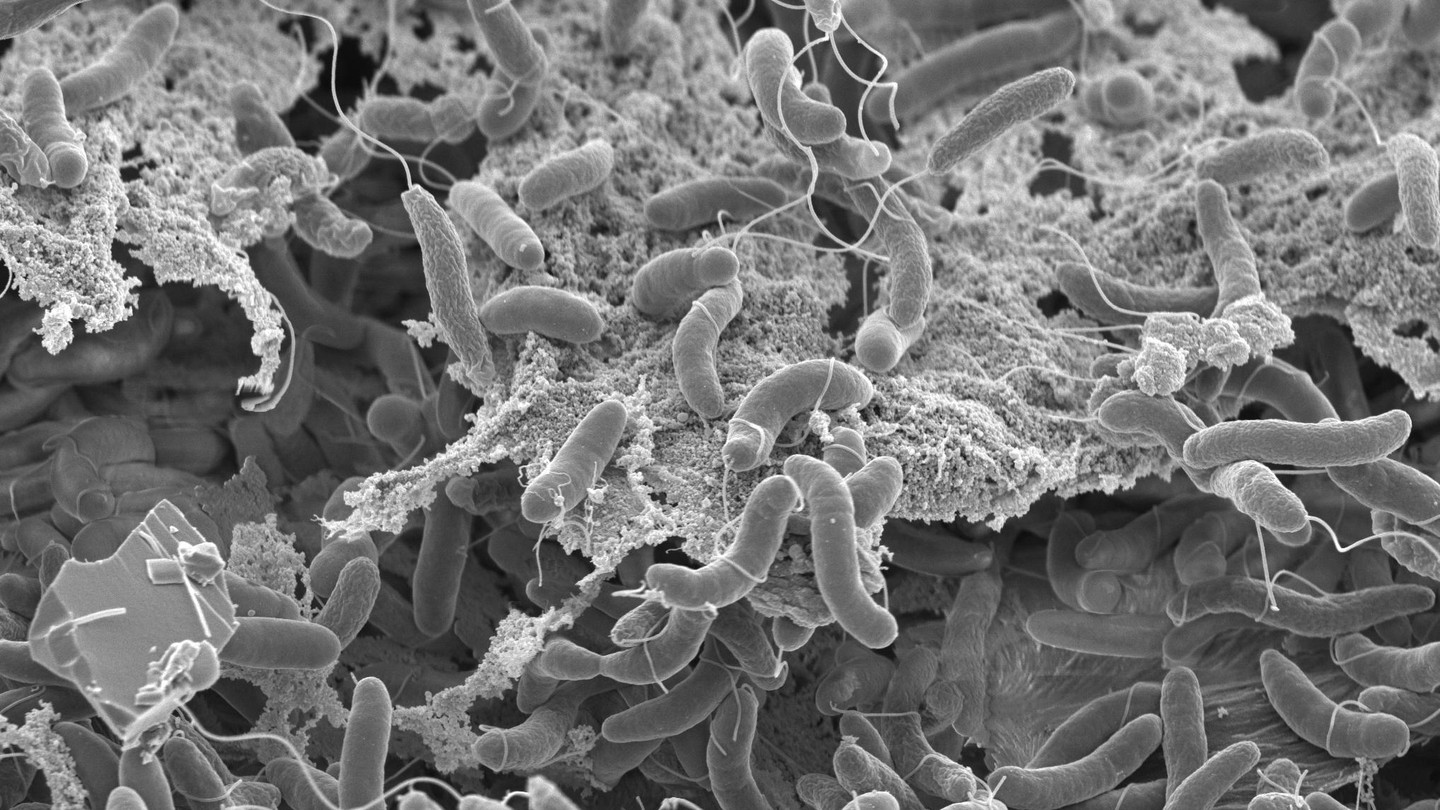
Vibrio cholerae on a chitinous surface. Photo taken with a Scanning Electron Microscope. Credit: Graham Knott and Melanie Blokesch © 2026 EPFL

How cholera bacteria swap defenses against viruses

— EPFL researchers show that cholera bacteria can exchange protective genes, including antiviral immune systems, when they live in aquatic environments. The finding helps explain how these pathogens survive viral attacks and evolve in marine habitats.

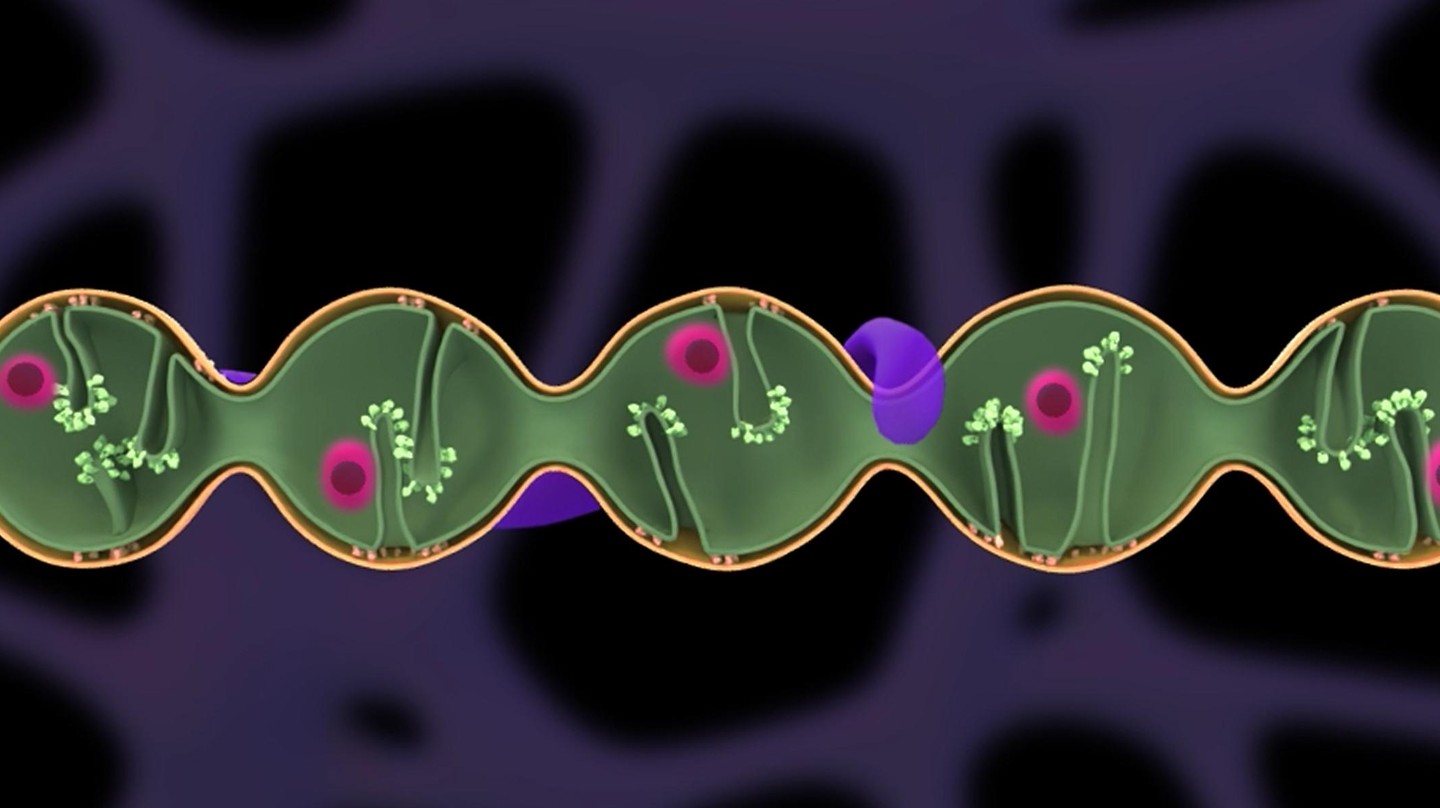
Pearling in a mitochondrion. Credit: Suliana Manley © 2026 EPFL

How mitochondria organize our “second genome”

— EPFL scientists discover that a simple shape change in mitochondria helps cells evenly distribute their mitochondrial DNA, solving a long-standing puzzle.

© 2026 EPFL

Eleum, Molecl, NourishAI awarded i4L Innogrant for Biotherapeutics

— Three EPFL-based startups – Eleum, MOLECL, and NourishAI – are the first to receive the new Innogrant for Biotherapeutics. Launched by the Innovate4Life (i4L) program at the School of Life Sciences in collaboration with the EPFL Startup Launchpad, this grant supports scientists ready to translate EPFL research into impactful clinical solutions. The program provides each startup with CHF 100,000 to advance the development of their technology.

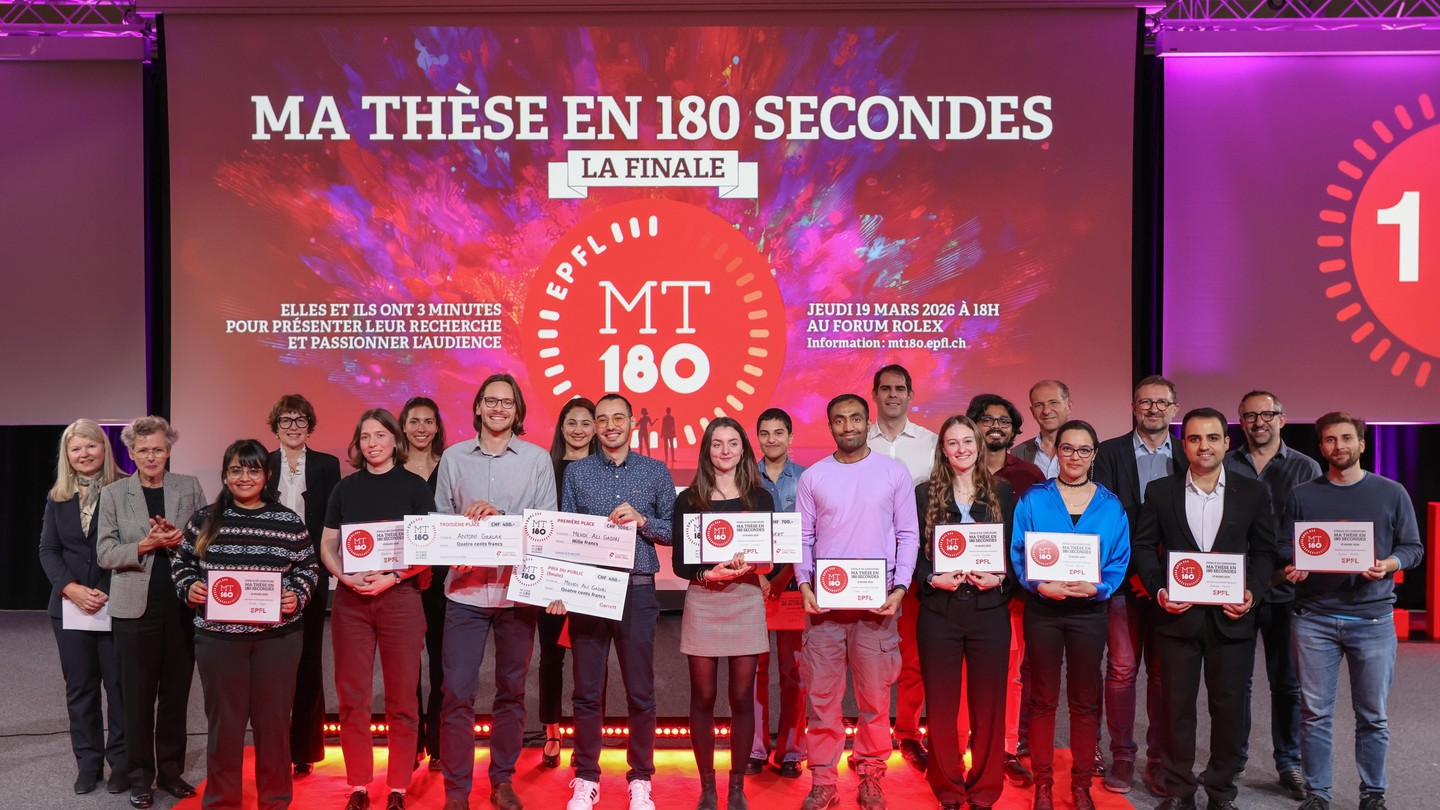
Finalistes du concours Ma thèse en 180 secondes © 2026 EPFL/Alain Herzog- CC-BY-SA 4.0

Congratulations to the EPFL MT180 finalists!

— Last Thursday 19 March, the fourteen EPFL doctoral students shortlisted to take part in the EPFL final of the competition "My Thesis in 180 seconds" brilliantly demonstrated their communication skills in front of about 400 people at the Forum Rolex. It was also a great opportunity for the public to discover a fine sample of the research being carried out at EPFL and to understand the issues involved. Congratulations to the finalists from the School of Life Sciences, Camille Lambert (2nd Prize) and Antoni Gralak (3rd Prize).