
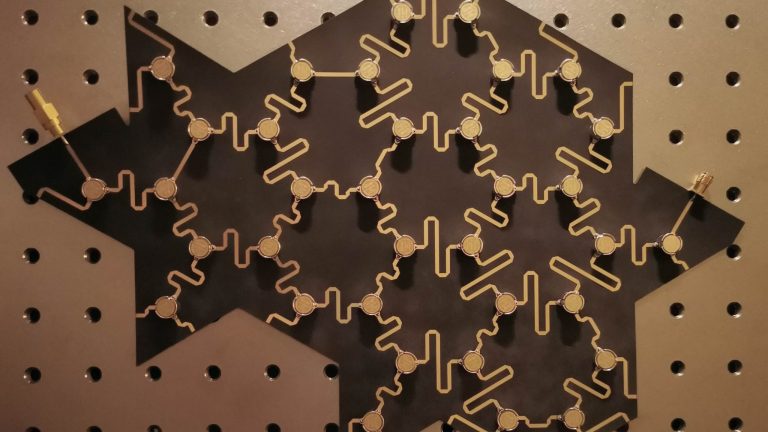
Topological Waves
We use topology, the mathematics of continuous transformations, to build new wave devices with unprecedented robustness against fabrication imperfections, impedance mismatches or phase disorder.
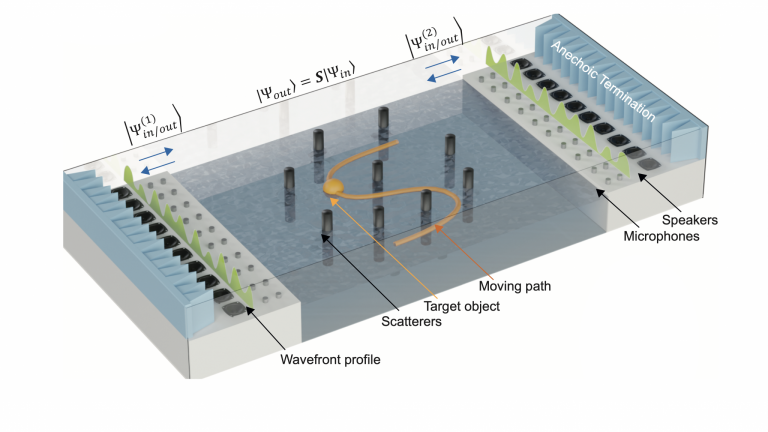
Acoustic micromanipulation
We research how to shape the momentum of sound to move small objects in challenging environments, such as inhomogeneous or dynamic media.

Wave-based artificial intelligence
We develop physical neural networks with highly efficient training and inference capabilities.
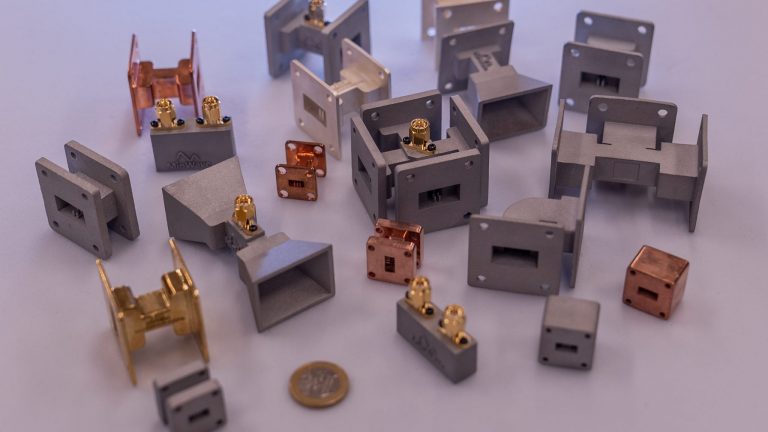
Ultracompact microwave devices
We use subwavelength spatial dispersion to produce a wide range of components, from integrated filters to antenna arrays, over small footprints and with increased energy efficiency.
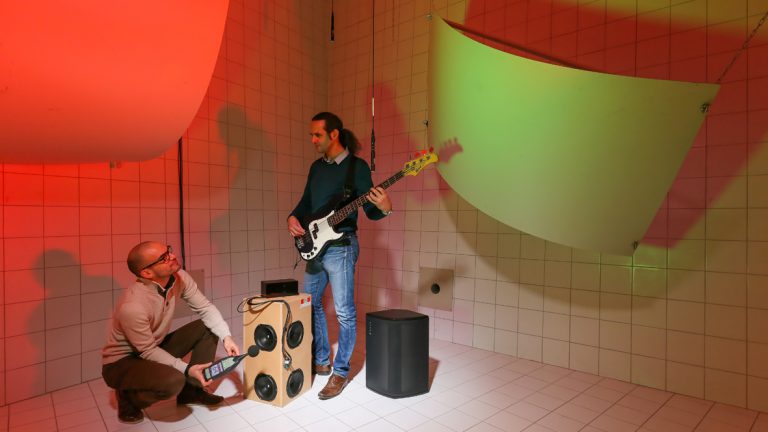
Electroacoustic resonators
We use loudspeakers membranes as actively tunable resonators, for example to make them absorb the acoustic energy over a broad frequency range.
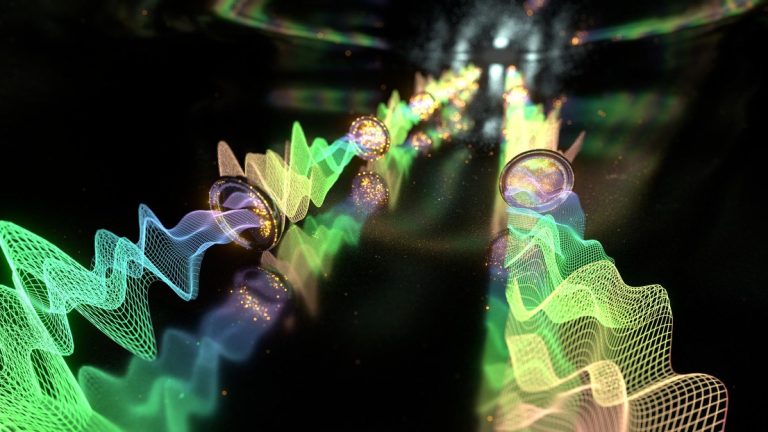
(Electro)acoustic metamaterials
Acoustic metamaterials and metasurfaces are engineered structures composed of ducts, cavities, resonators and membranes, allowing manipulating the acoustic wave propagation properties towards anomalous phenomena such as negative refraction. Applying active electroacoustic resonators as unit-cells further allows adjusting and re-configuring on the fly their extraordinary acoustic properties.
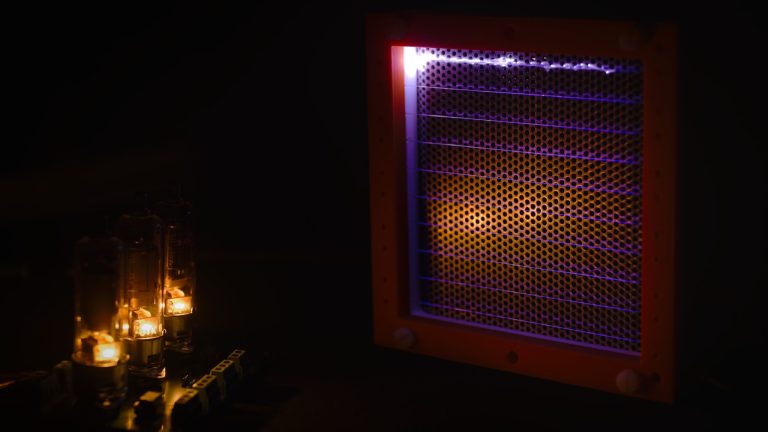
Corona discharge (plasma) loudspeakers
Corona discharge transducers rely on the partial ionization of surrounding fluid particles and their acceleration in an intense electric fields. It allows moving air particles without resorting to a mechanical intermediate, making it a true electroacoustic (membraneless) loudspeaker.

Plasmacoustics Metalayers
Combining plasma loudspeakers and active sound absorption, we can achieve broadband optimal sound absorption (α>0.95 over [20 Hz – 2’000 Hz]) without resorting to any “tangible” material.
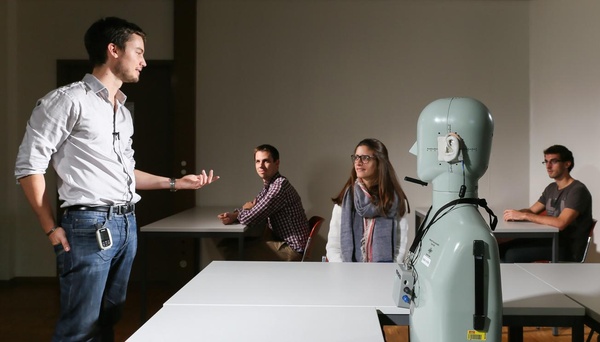
Signal processing for acoustics
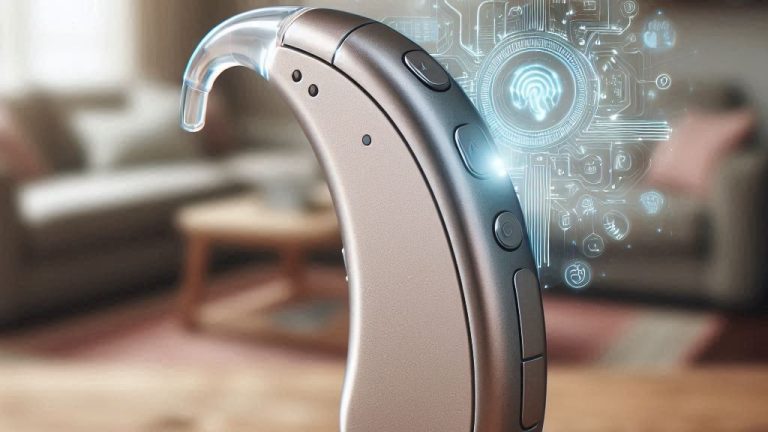
We develop signal processing for acoustic and audio, especially in the frame of spatial sound reproduction for 3D sound rendering systems and for hearing-aid instruments.
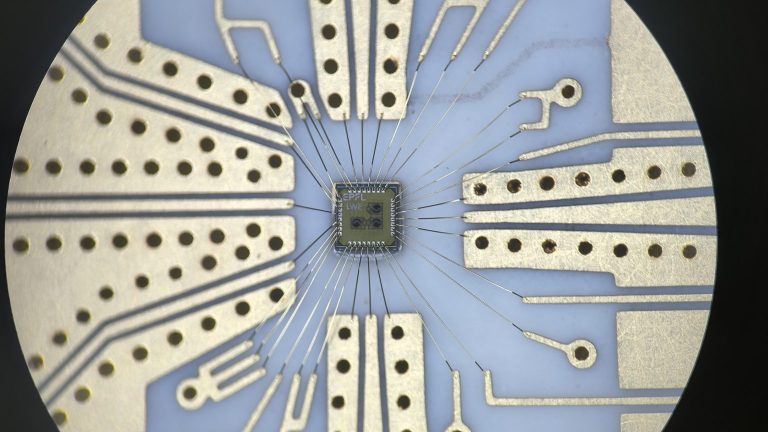
Radio-frequency integrated circuits
We develop tiny RF chips for telecommunication applications.