Current Projects
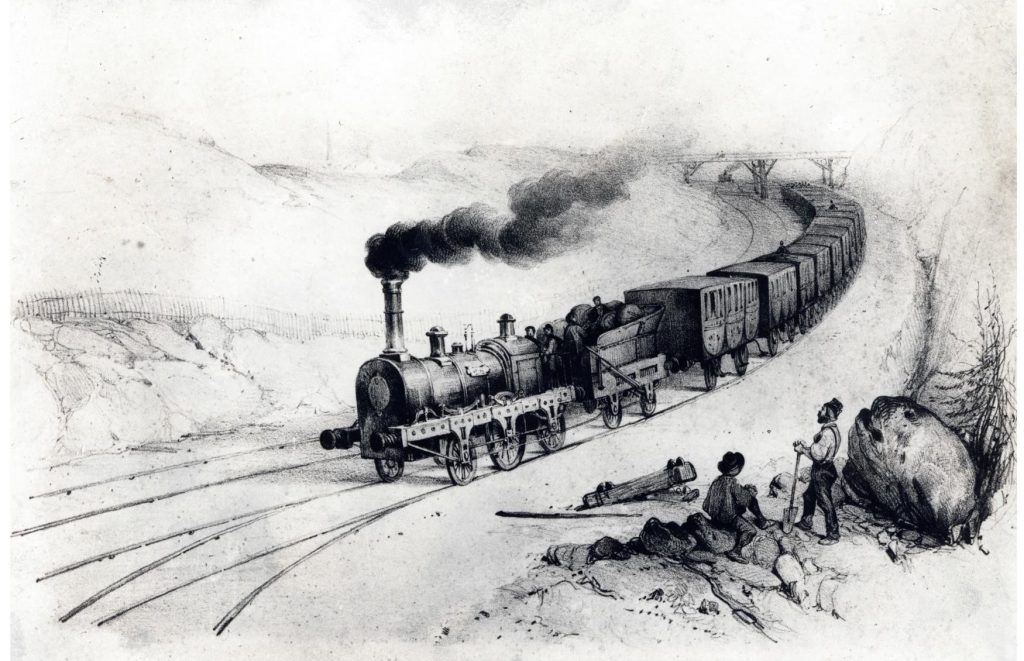
Locomotive engines plumed with steam and smoke are an icon of nineteenth century industrialisation, an aesthetic subject for the artists. During almost a century and a half, they have also been a source of nuisances and the subject of many complaints and legal conflicts, most of them about black smoke emission. Multiple factors increased the problem throughout the period, to the point locomotives were acknowledged as a major contributor to urban atmospheric pollution.
The project will take the smoke example to discuss the railway industry as a polluting industry, with energetic micro transitions having multi-scale consequences on its environment from mere inconveniences to a public health problem. It will compare smoke abatement solutions circulating between different national spaces in Northwestern Europe (Belgium, France and the UK), from legislation and regulatory constraints to technological and managerial innovation, and evaluate their efficiency by confronting official sources to the complaints archived from railway neighbors and workers.
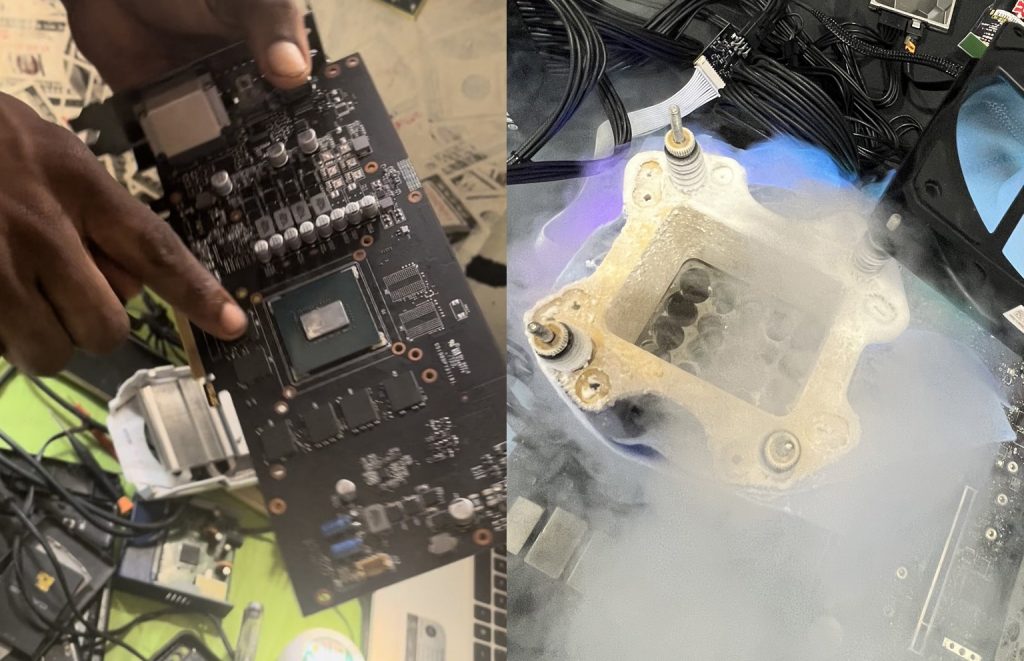
Digital growth and optimization is often depicted in the general public as weightless and non-materially situated: disembodied from our earth and its circuits of raw minerals extraction, purification and assemblage. Taking the counterpoint of such rhetorical tropes, my thesis will map the environmentally situated practices of computing by zooming-in at the level of the Graphical Processing Unit (GPU): the ubiquitous and critical computer chip accelerator required to power our actual digital landscape driven by energy intensive processes ranging artificial intelligence to 3D immersive environments. To this end, this research work will inquire about these environmental human practices of computing by focusing on two socio-technical contexts where computing and the environment intertwine: 1) GPU thermal optimization through overclocking and 2) informal recycling of the GPU metal debris located in the electronic waste landfill of Agbogbloshie, Ghana. As a research-through-design PhD, it will also address these environmentally situated practices by combining academic research and fieldwork with hands-on critical and speculative design projects: inquiring about the ecological infrastructure of computing at the level of the materiality of the GPU itself. In opposition to these internet discourses, such hybrid inquiries will be foundational in order to address, map and speculate in an open-ended way about the past, present and near-future intersections and connection between computing power and our earth processes and materials.
This research project proposes to use the history of eucalyptus to study the environmental, technical, scientific and social transformations brought about by the planting and exploitation of this ‘new’ tree from the mid-19th to the 20th century in the Mediterranean region. In this research project, I aim to show how the planting of eucalyptus trees and the choice of species planted by various economic and political actors reveal their relationship with the environment and the environmental, social, political and economic agenda they seek to impose on a particular environment. I also intend to show how eucalyptus plantations are transforming the Mediterranean environment. This research is limited to France and the countries of the Mediterranean basin, from North Africa to the Middle East, which came under European domination between the 19th century and the interwar period. Planted in all the colonies around the Mediterranean, eucalyptus can be considered a tree-tool of colonisation and one of its symbols, while in Europe it has become a tree-tool for managing the environment and its resources.

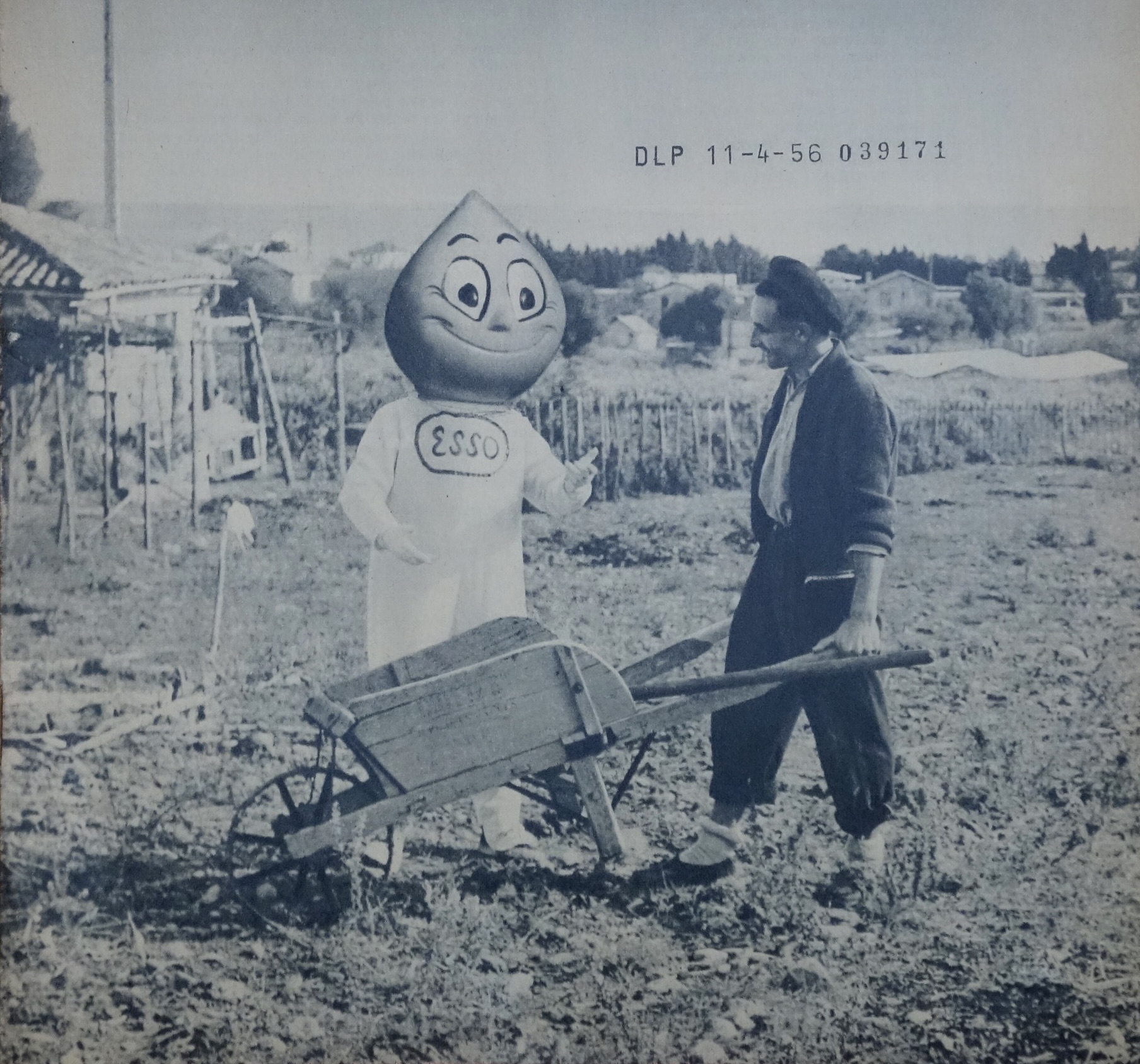
Recent environmental history suggests that the history of agricultural modernization in France during the second half of the twentieth century is one of fossilization—or even petrolization: fertilizers, tractors, synthetic pesticides, lubricants, agricultural buildings, and plastics were all inputs heavily dependent on oil and coal. Yet the causes that presided over this highly carbon-intensive materiality have remained largely unexamined in rural historiography, which has tended to leave agribusiness supply firms outside the scope of historical inquiry. Upstream of the productive chain, however, the agrochemical industry played a central role in this process of agricultural intensification in France, operating on two intertwined fronts: technical and cultural.
First, this research project posits that the fossil materiality of agricultural inputs can only be understood through the lens of the political economy of upstream industries. Many of the pesticides and fertilizers that were central to French agricultural modernization were in fact industrial waste and by-products, revalorized at low cost on agricultural markets. Tracing materials back to the logics that governed their configuration—that is, upstream in the production chain—thus makes it possible to show how agricultural techniques mediated and enabled extra-agricultural logics to operate within the agricultural order. Second, films, technical journals, brochures, books, radio broadcasts, conferences, demonstrations, experimental fields, as well as corporate networks of agronomists and national plowing competitions, constituted multiple facets of an extensive social effort deployed downstream by industrial actors in the French countryside to naturalize the necessity of using these inputs in agricultural production. At the intersection of the history of science and technology, environmental history, and rural history, this project proposes to examine the strategies of influence exercised by industrial and petroleum actors as a third, under-studied driver of the transformation toward a new model of intensive agriculture in post-1945 France.