
Deplancke lab – Laboratory of Systems Biology and Genetics
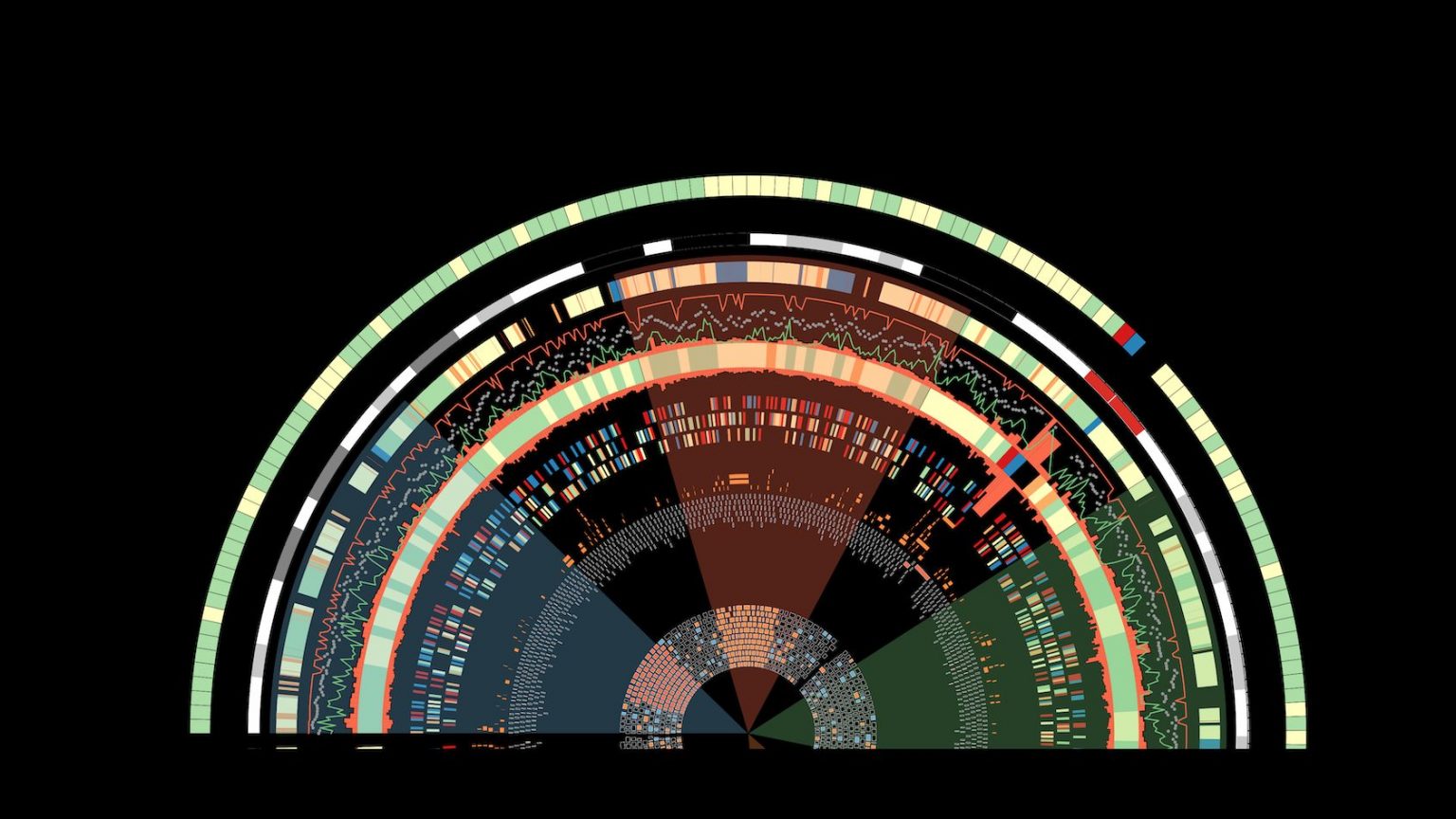
©EPFL, Deplancke's lab
The central research focus of the Laboratory of Systems Biology and Genetics (LSBG) is to understand genome organization, regulation, and variation and is broadly partitioned according to three major research pillars:

EPFL Latsis Symposium 2026
The EPFL Latsis Symposium 2026: “Decoding the Cell: Modeling, Predicting, and Engineering Cellular States” will be held on October 29-30, 2026, at the Olympic Museum in Lausanne.
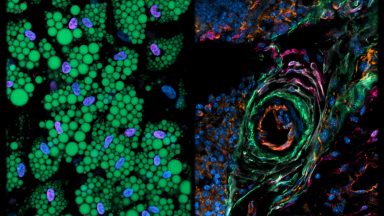
Adipo
In the “Adipo” pillar, we are characterizing the regulatory mechanisms driving mesenchymal stromal cell heterogeneity and function in adipose biology and other metabolically relevant processes.
Geno
In the “Geno” pillar, we are examining how variation in the regulatory code affects molecular and organismal diversity.
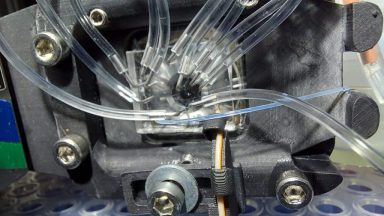
Techno
In the “Techo” pillar, we are developing novel microfluidic, high-throughput sequencing, single cell omic, and computational approaches, which are used to address biological questions in the other two pillars.
Latest news
24.09.2026
Bart Deplancke, new Dean of the School of Life Sciences
On the recommendation of the selection committee, the EPFL Direction has appointed Bart Deplancke as Dean of the School of Life Sciences (SV) for a four-year term starting 1 January, 2027. Trained as a bio-engineer, he has headed the Laboratory of Systems Biology and Genetics since 2007 at EPFL where he is now full professor and served as SV’s Vice Dean for Innovation from 2018 to 2025. His research focuses in particular on regulatory genomics and single-cell biology.

19.03.2026
Deplancke Lab shines at EPFL MT180
We are proud to celebrate Camille Lambert and Antoni Gralak, two PhD students from Deplancke Lab, who received the 2nd and 3rd Jury Prizes at the 2026 EPFL final of My Thesis in 180 Seconds (MT180) on March 19th. Their success highlights both the excellence of their doctoral research and their remarkable talent for sharing complex science with a wide audience. Congratulations to both!

15.10.2025
A new layer of control over cell fate uncovered
EPFL researchers led by Bart Deplancke uncover how transcription factor dosage reshapes cell identity, showing that even small differences in dose can steer cells toward completely different fates. Their findings reveal a new layer of control in cell reprogramming.
The team developed scTF-seq, a method to track how varying transcription factor levels influence single-cell behavior. They found that not just the factors themselves, but also their dosage and ratio, determine the outcome – a key insight for regenerative medicine and cell engineering.
-
Full article: Dissecting the impact of transcription factor dose on cell reprogramming heterogeneity using scTF-seq – Nature Genetics
- EPFL Press Release
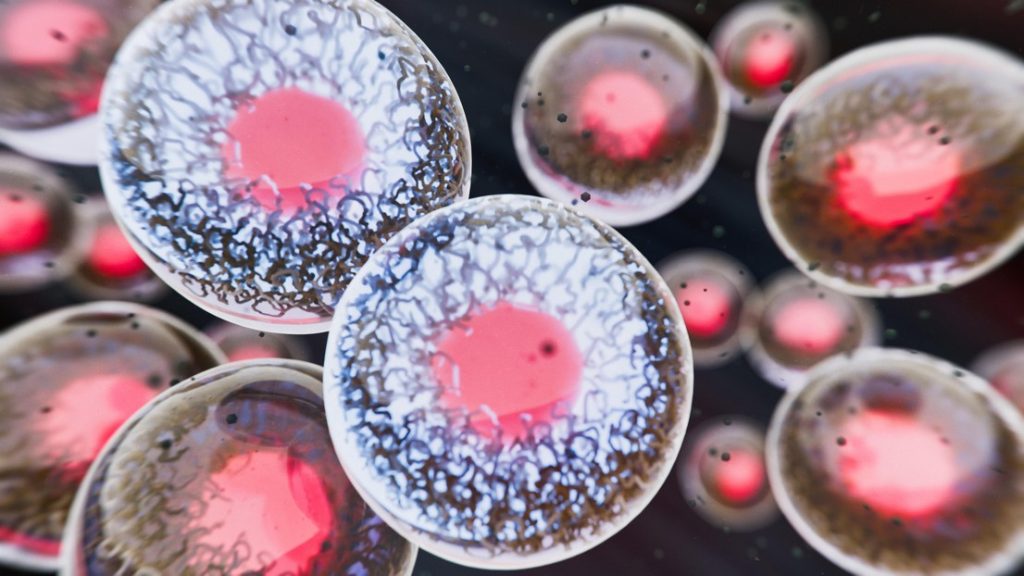
Our creations / innovations / inventions
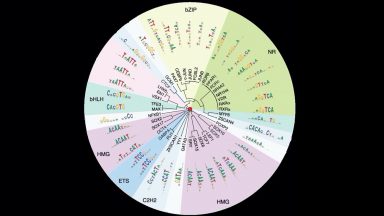
Software
Our lab develops cutting-edge bioinformatics tools for analyzing genomic and transcriptomic data.
innovate4life
Innovate4Life supports the next generation of entrepreneurs through education, mentorship, and funding, to translate life sciences discoveries into technologies that benefit society.

Junior European Drosophilia Investigators (JEDI)
The JEDIs are early career scientists working on Drosophila melanogaster in Europe.
Contact
Office Number: SV 3823
Administration: Joanna Rusnok
Office Number: SV 3515