
Category: Open Science
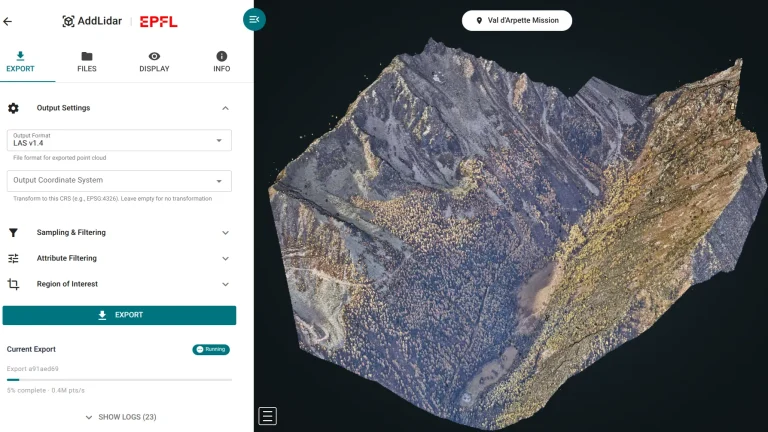
AddLidar: Automated LiDAR Processing & 3D Visualization Platform
The AddLidar platform enables researchers at EPFL’s ESO laboratory to efficiently manage, process, and visualize massive airborne LiDAR datasets through a web-based interface. Built on a Kubernetes-based infrastructure, the system automates the pipeline from raw data ingestion to interactive 3D visualization, handling datasets exceeding 100GB with automated compression, conversion, and web optimization. Researchers can upload (…)

Transition Compass Web Platform for Policy Impact on Climate
The TransitionCompass web tool enables policymakers and researchers to visualize how policy decisions impact climate outcomes. The platform uses PyCalc computational models to provide real-time projections of greenhouse gas emissions, temperature changes, and environmental indicators across transport, buildings, energy, agriculture, and industry sectors. Users adjust policy “levers”, representing regulatory approaches from strict to lax, and (…)
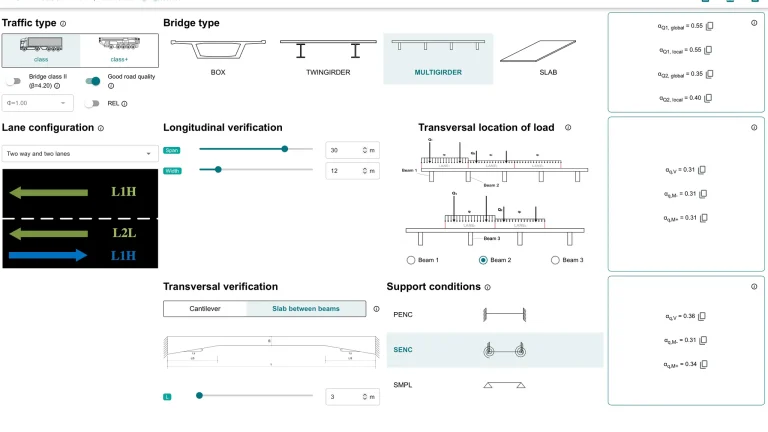
Bridge Traffic Load Web Calculator (ASTRA 82001)
The Bridge Traffic Load Web Calculator (based on norm Astra 82001) is a free online tool that helps engineers analyze bridge safety according to Swiss standards. Developed by ENAC-IT4R and RESSLab for the Federal Roads Office (FEDRO), it’s available in English, French, Italian, and German. The calculator is designed for standard bridge assessments, helping engineers evaluate (…)

Atlas of Reused Concrete
Atlas of Reused Concrete is an online platform that centralizes and showcases data on construction projects using reused concrete, supporting the transition toward more circular and low-carbon building practices. Coordinated by EPFL’s Structural Xploration Lab, the project addresses the fragmentation of existing data that limits knowledge sharing and large-scale analysis. Developed within ENAC-IT4R, the platform (…)
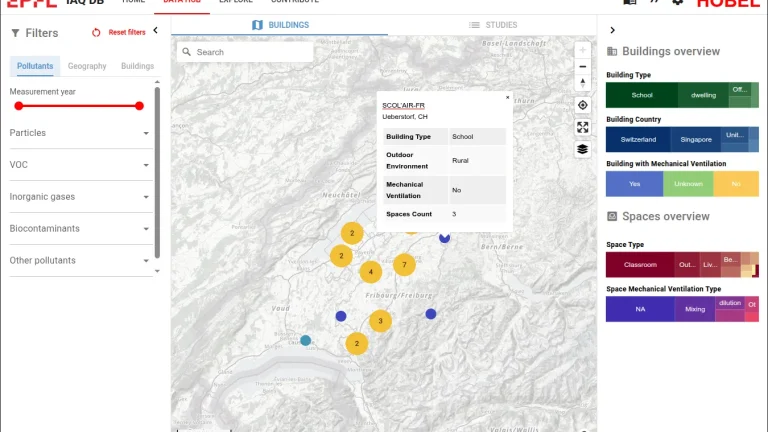
Indoor Air Quality Database
The rapid growth of smart building technologies is revolutionizing how we monitor and improve indoor air quality (IAQ). To support this transformation, the Human-Oriented Built Environment Lab (HOBEL) is building the first open-source Global IAQ Database — a curated, standardized repository of IAQ data from decades of field measurements around the world. The approach: (…)
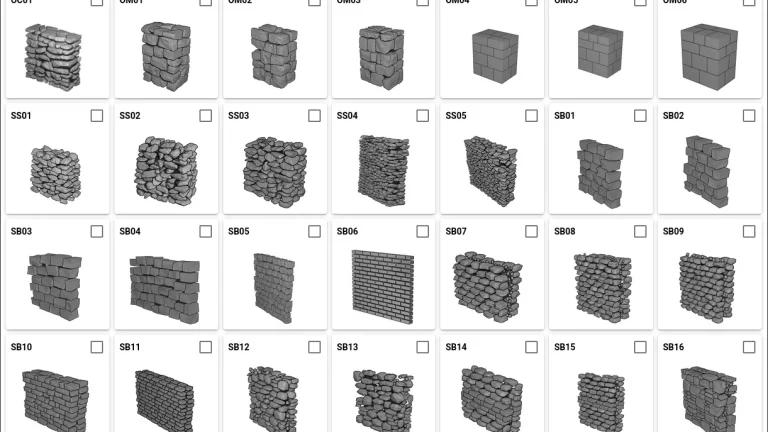
Masonry Microstructure Database
The Masonry Microstructure Database (MMS) platform is the first open-access repository of 3D microstructures of stone masonry walls. Masonry microstructure, defined by the geometry, size, shape, and spatial arrangement of individual stone units, significantly influences structural performance. The database currently includes 36 walls covering major masonry typologies. Twelve walls are real, built and scanned in (…)

Global Building Data Initiative
The Global Building Data Initiative (GBDI) is an international effort to improve sustainability in the built environment by making high quality building life cycle data openly accessible. Through its open source platform and unified data format (OpenBDF), GBDI enables consistent analysis and benchmarking of embodied and operational carbon, helping stakeholders make data driven decisions to (…)

CityTherm: A GIS- and Simulation-Based Educational Interface for Understanding Urban Heat Dynamics
CityTherm is a pedagogic tool developed for the Urban Thermodynamics course for Civil Engineering bachelor students. The resulting web app is split in two sections, each focused on different aspects of urban climate. The first one allows students to visualize spatial patterns in observed and calculated parameters related to urban heat at the scale of (…)
Mobility Toolkit
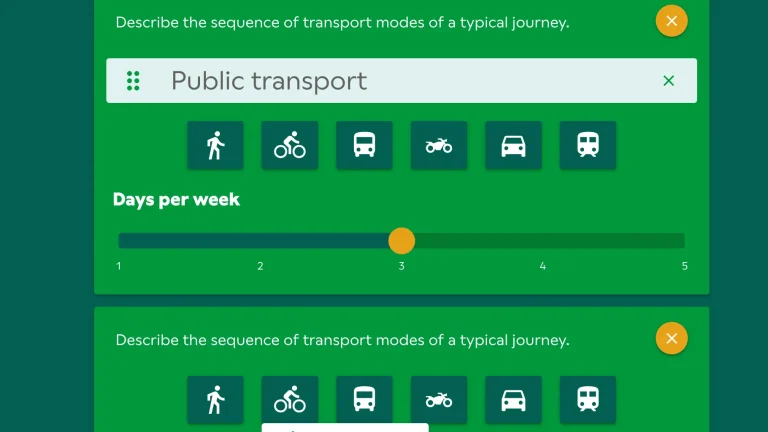
The purpose of the Mobility Toolkit was to create a free and easy-to-use application enabling organizations to analyze their collaborators’ mobility. The analysis focuses both on the mobility practices of the employees and their desire for mobility, while taking into account personal and professional constraints. Additionally, the mobility analysis allows organizations to calculate and monitor (…)
Solidipes curation platform
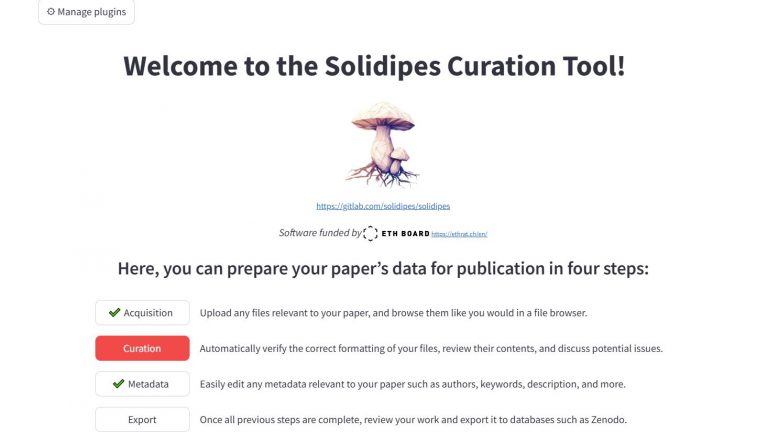
Armillaria solidipes is the specie of the largest living organism on Earth, a fungus forming an underground network spanning 9.1 km². Solidipes is a Python package designed to support scientists throughout the entire lifecycle of their research data: acquisition, curation, publication, and sharing. Solidipes can be deployed as a web platform, providing an intuitive interface for visualizing (…)