
On 12 May 2026, Pier Vittorio Aureli delivered the keynote lecture Abstraction and Autonomy in Architecture at the 10th Rencontres de l’EDAR, the annual conference of the EPFL Doctoral Programme in Architecture and Sciences of the City (EDAR).
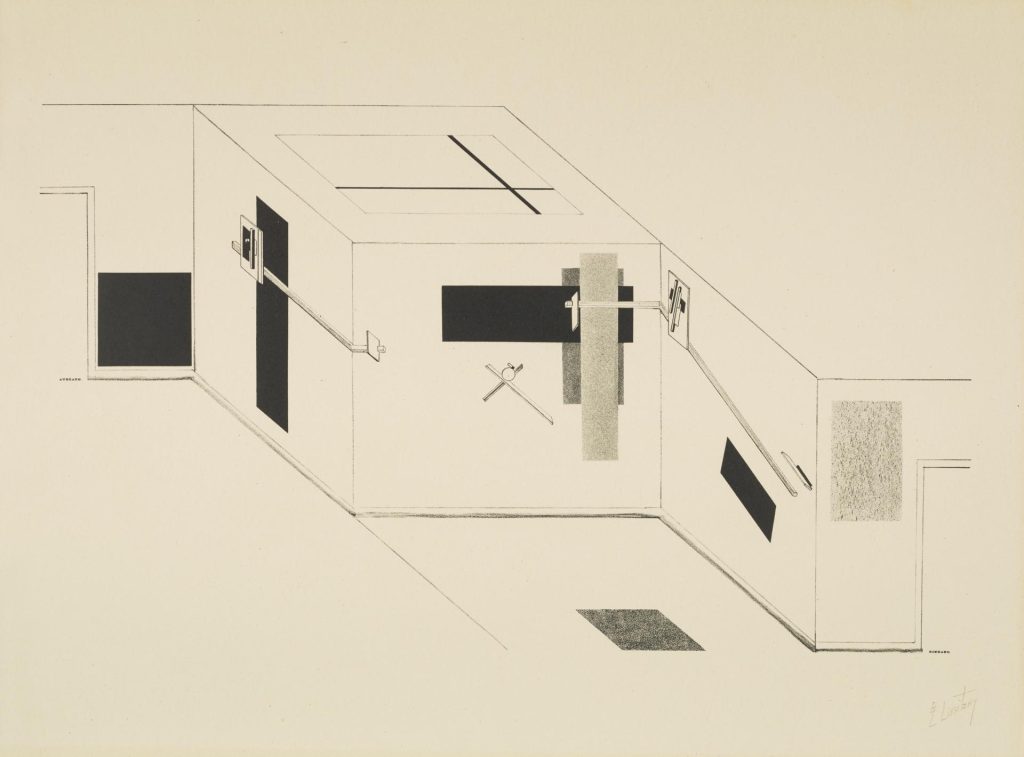
Abstraction is the process through which we produce general frameworks out of the contingencies of our worldly experience. The thing ‘apple’ is an abstraction insofar as it synthetizes all infinite versions in which real apples exist. Abstraction is a faculty of the human mind, but this faculty is constantly fed by material circumstances. It is possible to argue that the history of abstraction is part and parcel with human history, but it made a dramatic leap with the rise of capitalism. Because capital’s social synthesis is based on the exchange of commodities, everything that exists is reduced to the abstraction of economic value. Autonomy is instead the possibility to break free from the social and political conditions through which society reproduces itself. Following Cornelius Castoriadis, we can define autonomy as the capacity of individuals, and groups of individuals, to knowingly create their own laws, institutions and meanings, recognizing that they are not given by any external authority (such as religion, history, or nature). Therefore, autonomy is a self-reflective ongoing ‘project’ or praxis of self-institution, whose aim is to question society’s own imaginary significations. Defined in these terms, abstraction and autonomy are two terms of an antithesis. Abstraction is the social synthesis through which society reproduces itself, while autonomy is the possibility to question and perhaps oppose the reproduction of the status-quo. It is possible to say that while abstraction is the condition, autonomy is the project. In my talk I’ll discuss the antithesis between autonomy and abstraction by revisiting salient cases of the history of rational architecture. The thesis that I would like to put forward is that within rational architecture the project of autonomy consisted not in opposing the conditions of abstraction, but by giving to these conditions a form that would limit them. Rather than removing abstraction, architecture’s project of autonomy turns the consequences of capital’s social synthesis into the socialization of architectural production.