Europe’s forests. These events can disrupt photosynthesis, damage leaves, impair water transport, and lead to widespread canopy dieback and mortality. Yet, we still know surprisingly little about how trees resist, suffer from, and recover after heat stress or how much they can acclimate to long-term warming and drought.
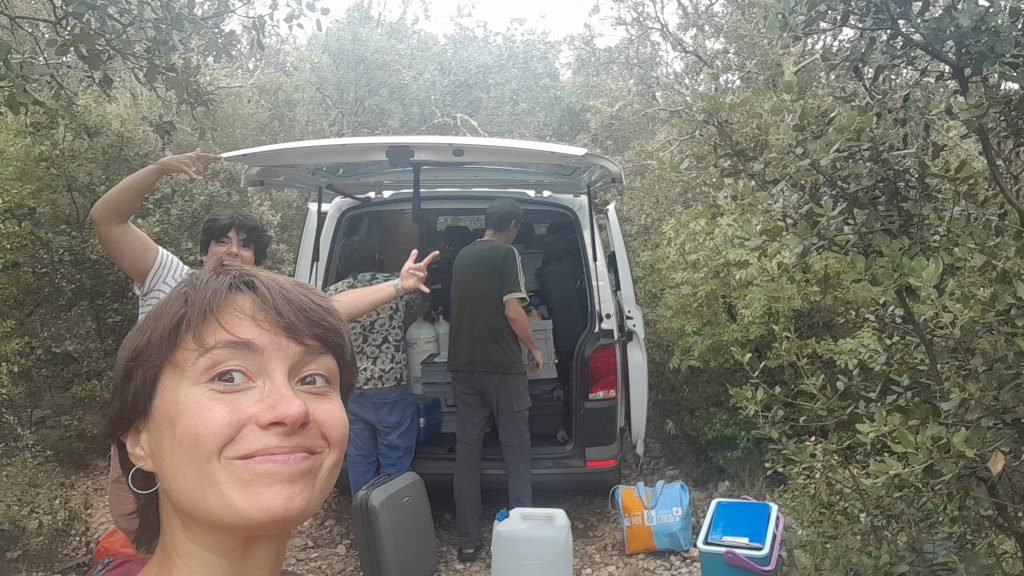
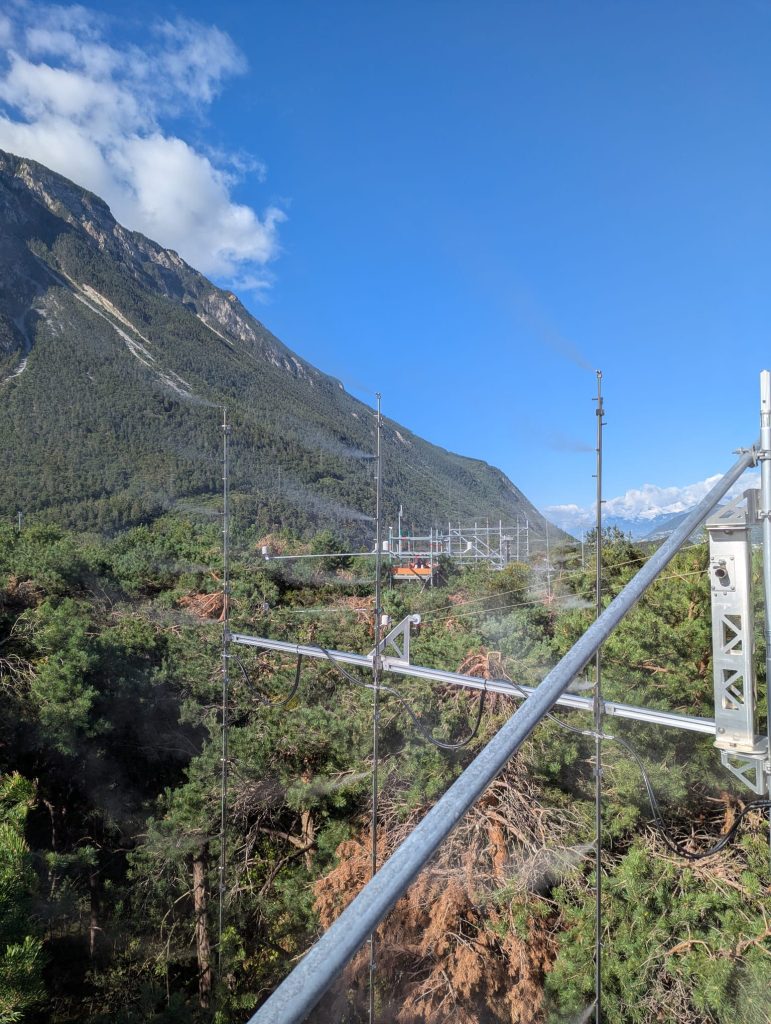
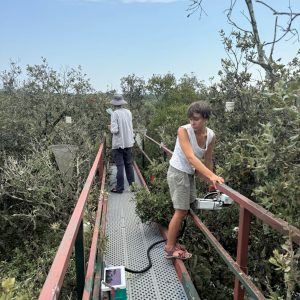
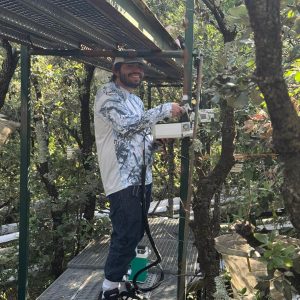
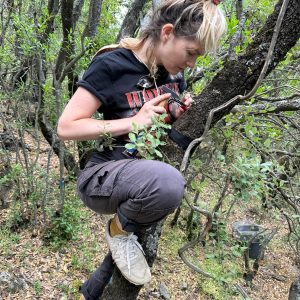
This project investigates the physiological mechanisms that determine tree thermotolerance across European species, from leaf-level energy balance to whole-plant responses. Using a combination of field experiments, controlled heat-dose studies, and mechanistic measurements, we aim to identify the critical thermal and hydraulic thresholds that dictate whether trees survive or succumb under extreme conditions.
Our goal is to reveal how acclimation, species traits, and microclimate determine the resilience of Europe’s trees to rising heat. By quantifying the thermal thresholds of damage and recovery, the project provides the first mechanistic framework to predict when forests will cross dangerous temperature limits under future climate scenarios.
Ultimately, this work advances our understanding of how trees keep their cool under extreme heat, informing both climate-resilience modeling and forest management strategies for a hotter, drier Europe.
For more details, contact Cross Heintzelman, Charlotte Grossiord, or Christoph Bachofen.