News

© 2025 EPFL

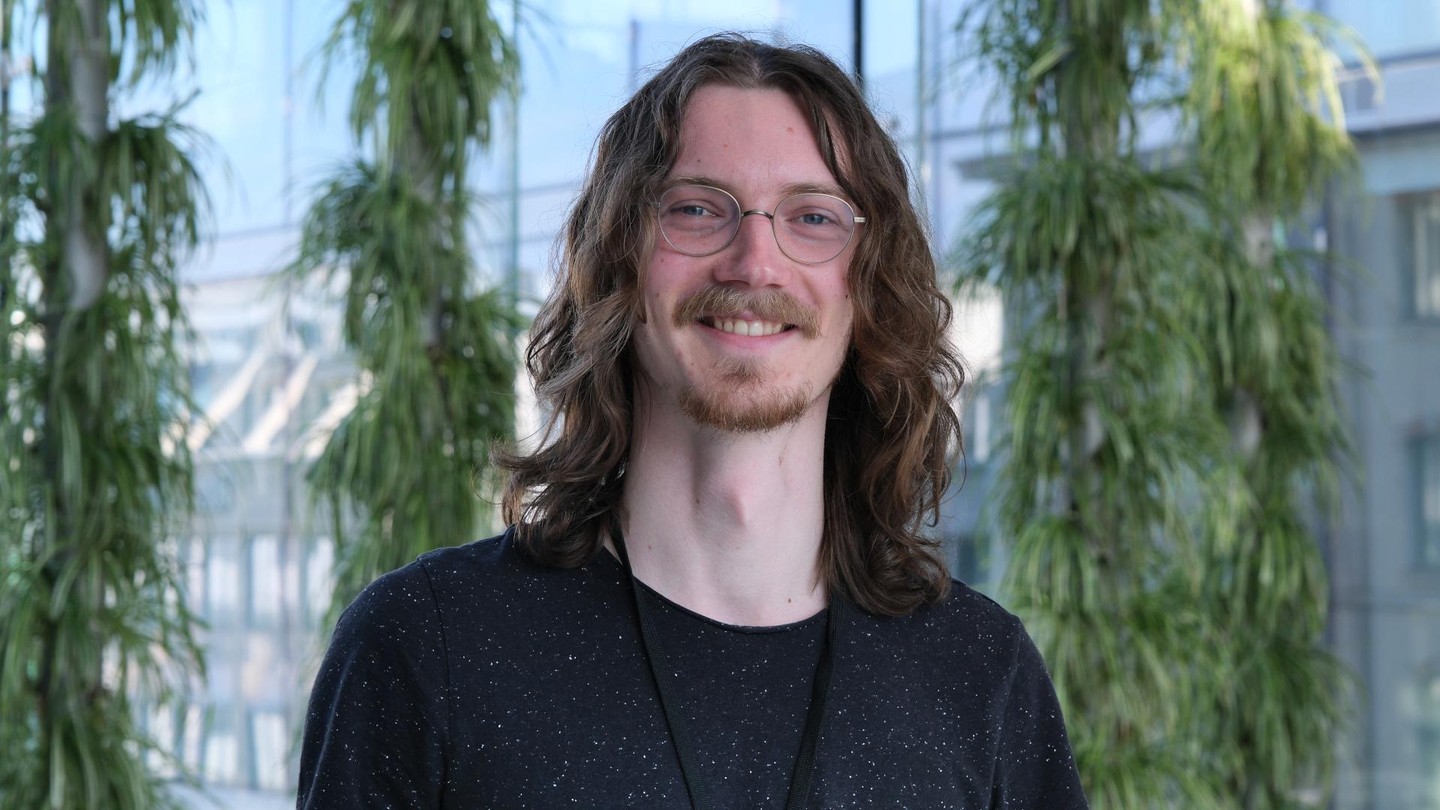
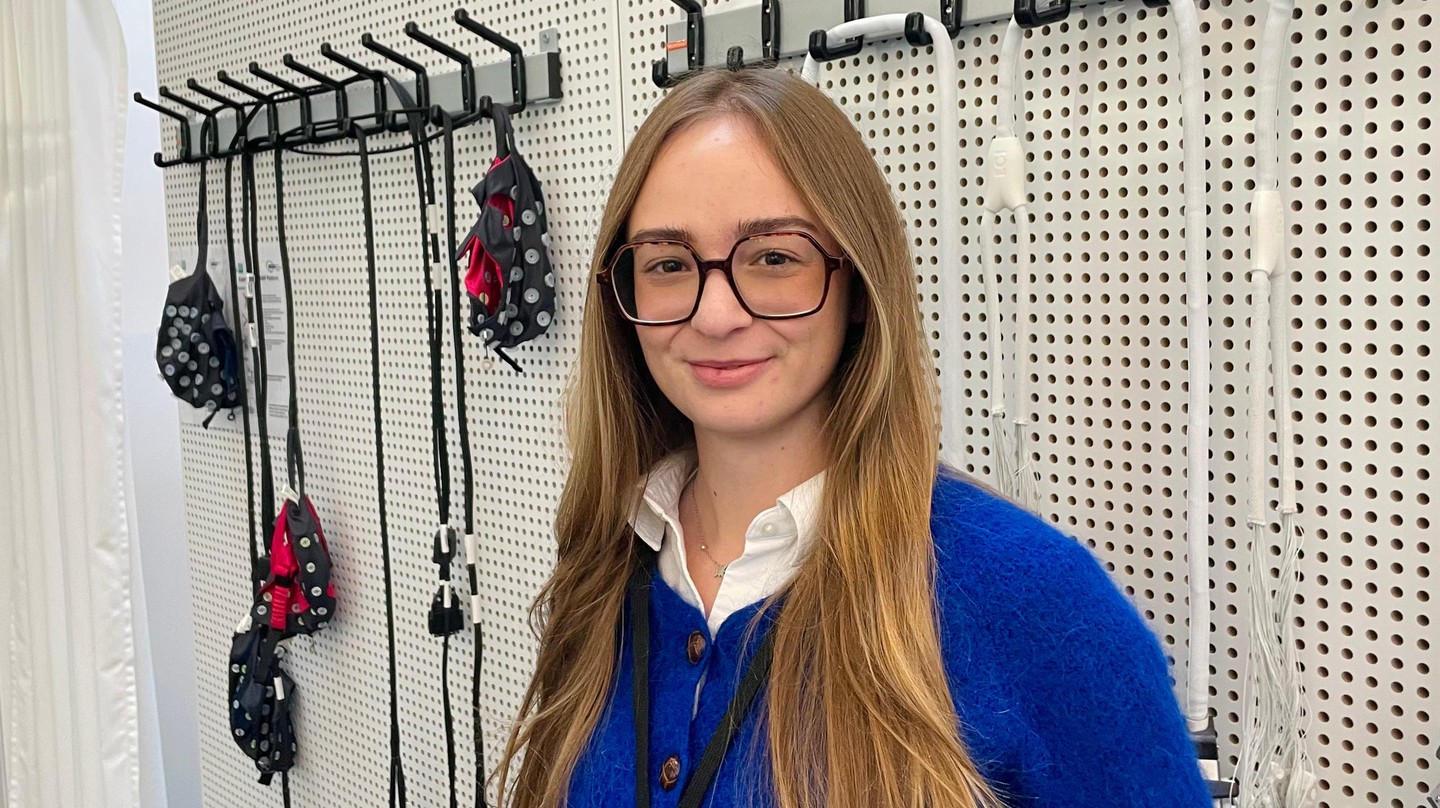
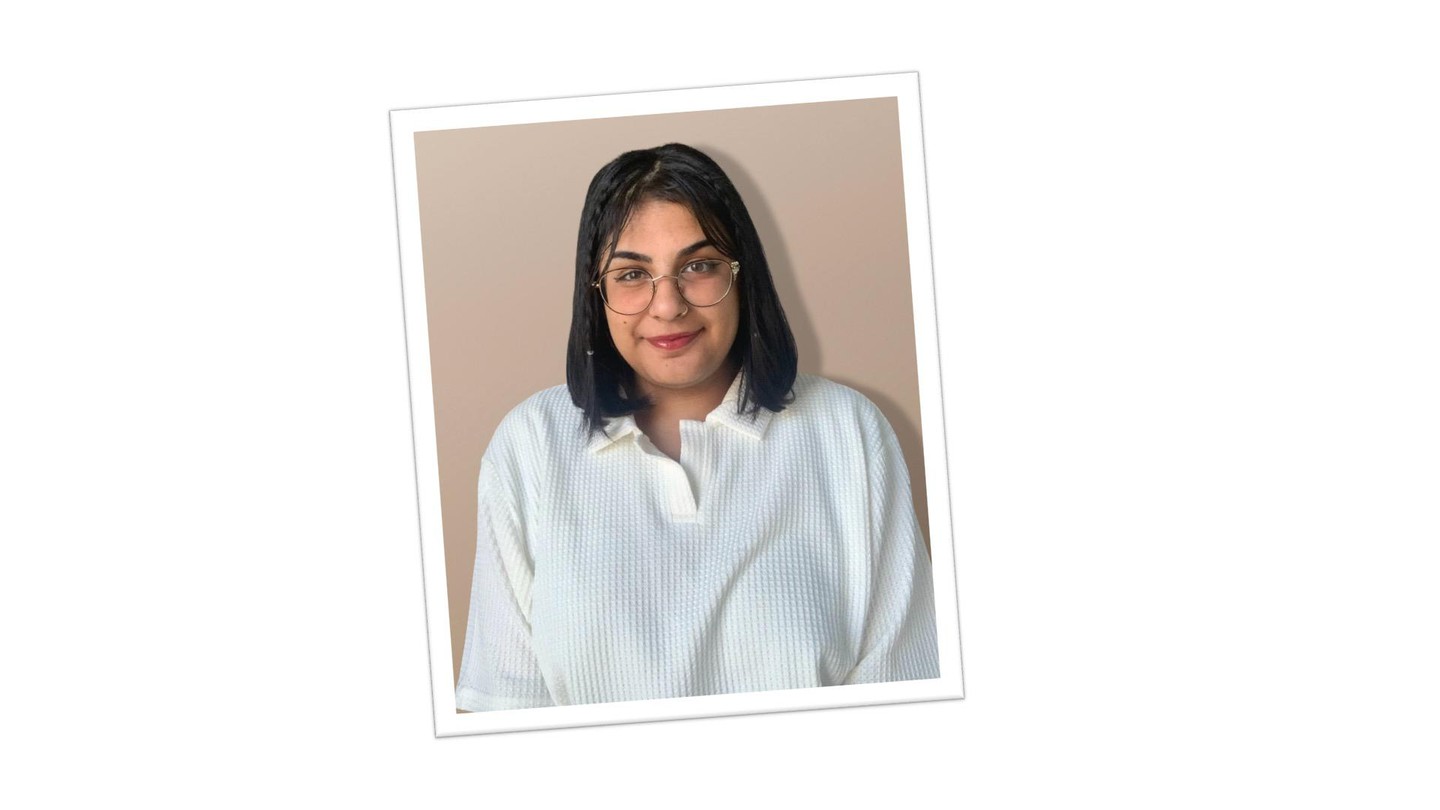
Angelica Di Domenico joins the Blanke Lab as PhD candidate

— Angelica will investigate social visual brain mechanisms in healthy participants and patients with Parkinson’s disease using behavioral, neuroimaging, and AI approaches.

© 2025 EPFL

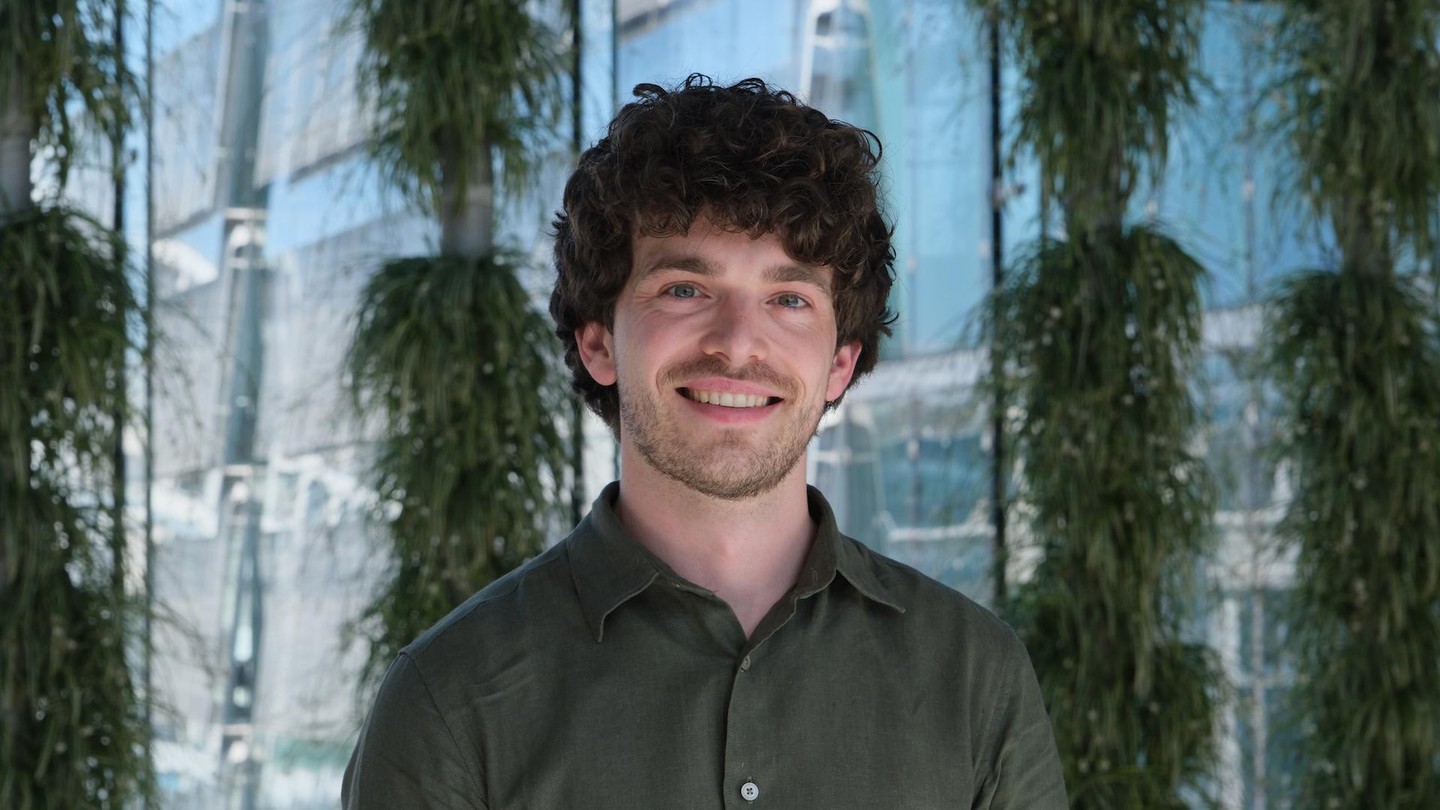
Unnat Antani joins the Blanke Lab as PhD candidate

— Unnat will use AI and non-invasive brain stimulation methods to investigate how the human brain perceives reality in healthy participants and patients with neurological disorders such as Parkinson’s disease.

© 2025 EPFL

Illusory presence alters extrastriate processing of visual humans

— Robotically-induced feeling of an unseen person nearby leads to overestimation of humans and activation of parietal and extrastriate visual brain regions.

© 2025 EPFL

Victoria Sinfield joins the Blanke Lab as a Fulbright Grantee

— Victoria will explore how technologically driven visuo-vestibular manipulations, integrated with traditional meditation practices, can alter the experience of the bodily self.

© 2025 EPFL

Thomas Wynn joins the Blanke Lab as a Fulbright Grantee

— Thomas will examine presence hallucinations in Lewy Body Dementia to better understand their cognitive and neural mechanisms.

© 2025 EPFL Amnesic patient showed bilateral atrophy of hippocampus caused by infection

Rare amnesic patient reveals body's role in autobiographical memory

— A study in a rare amnesic patient caused by bilateral hippocampal damage revealed how bodily self-consciousness shapes autobiographical memory, highlighting the hippocampus and its connectivity.

© 2025 EPFL

Yannick Mijster joins the Blanke Lab as PhD candidate

— Yannick will use artificial intelligence and home-based technology to unravel the brain mechanisms of apathy, agency and related cognitive functions in healthy participants and patients with Parkinson’s Disease.

© 2025 EPFL

Haotian Yao joins the Blanke Lab as PhD candidate

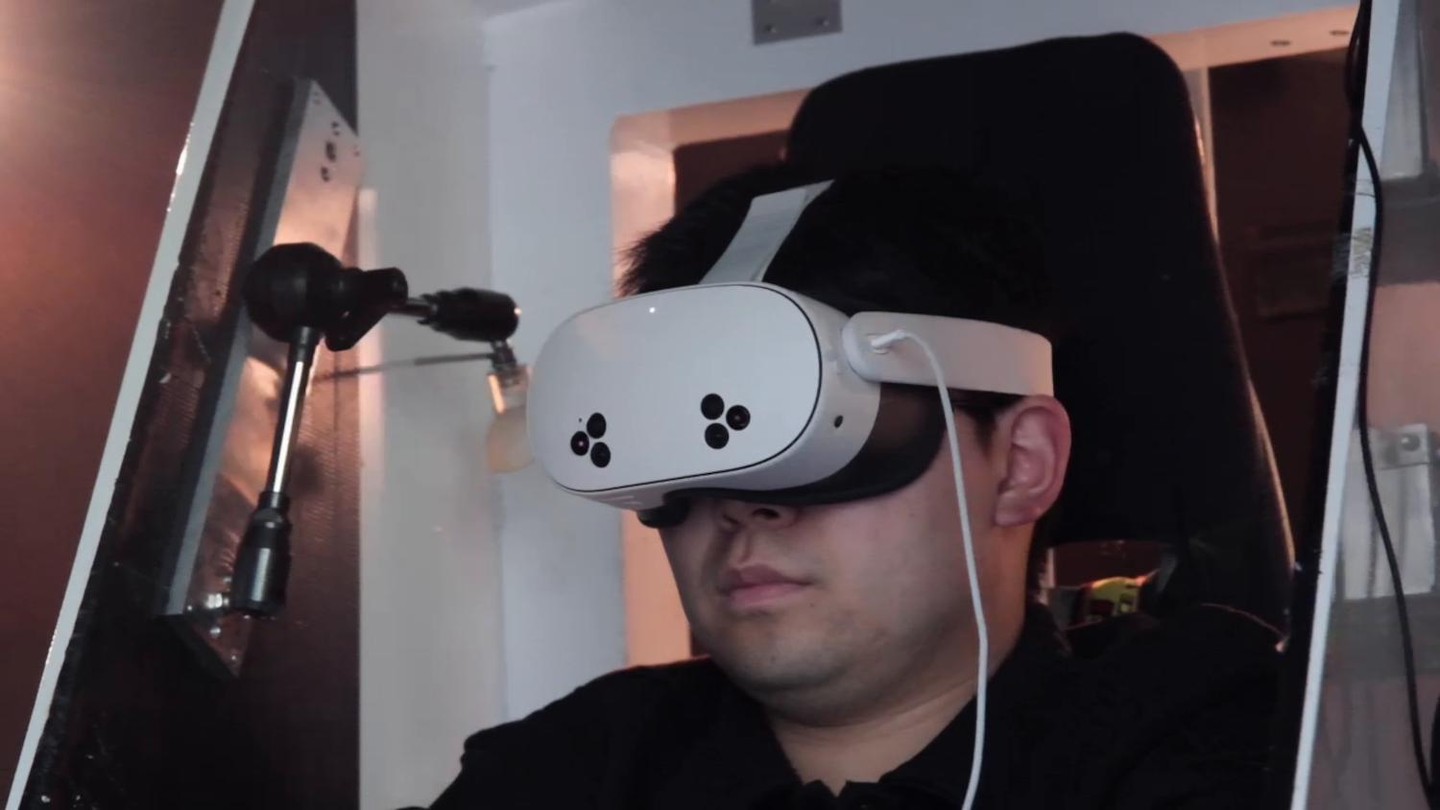
— Haotian will explore new technodelic approaches to induce mental states characterized by ego-dissolution and non-duality, using immersive virtual reality, motion platforms, psychedelics, and brain stimulation.

© 2025 EPFL

Deconstructing the sense of self with VR-enhanced meditation

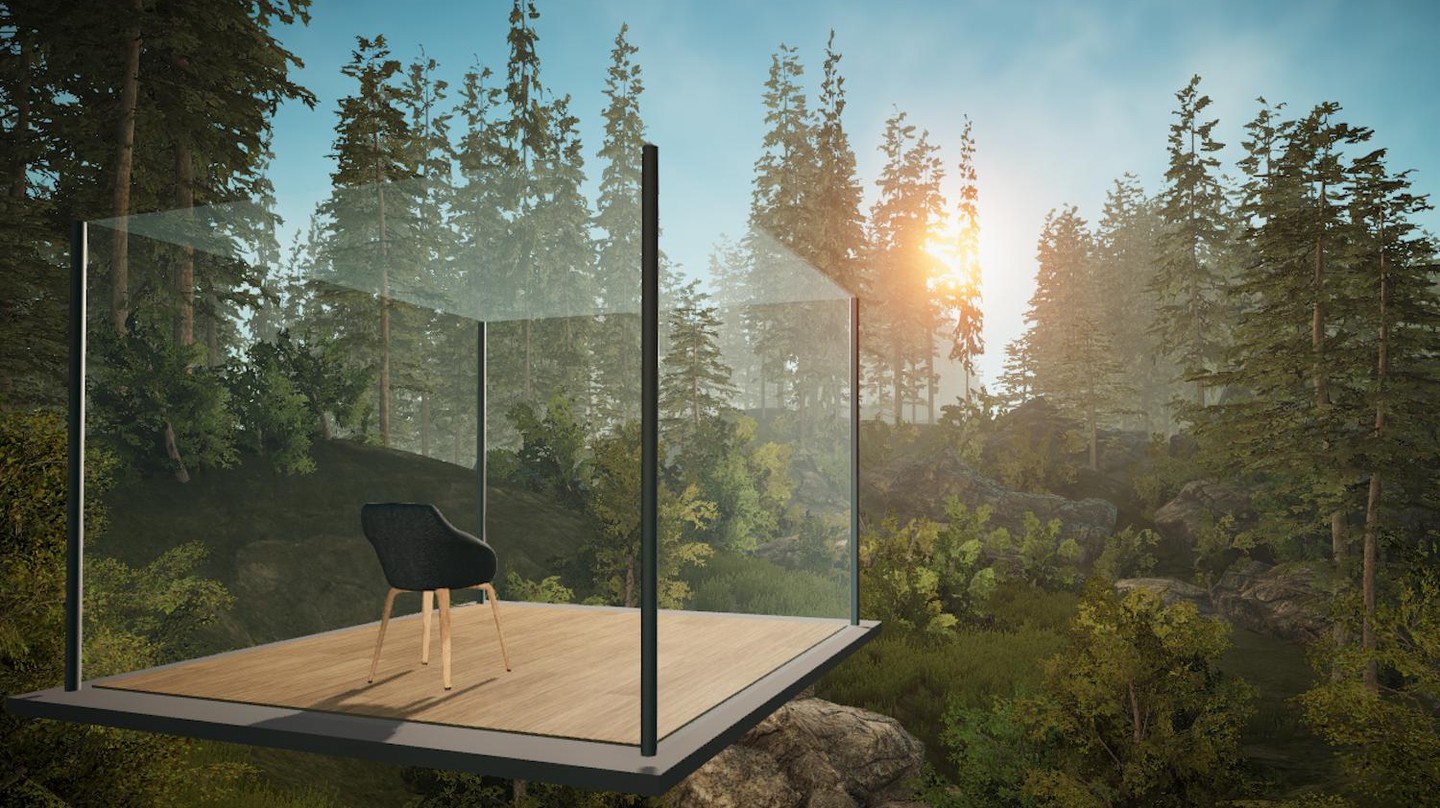
— Using a newly developed VR platform, our study shows that VR-guided third-person perspective meditation reduces body ownership and self-identification, linking these changes in bodily self-consciousness to interoceptive and neural variations.

© 2025 EPFL

Maham Cheema joins the Blanke Lab as research assistant

— Maham joins the hallucination engineering group in our Lab to investigate hallucination sensitivity and its relation to cognitive decline patients with Parkinson’s disease and dementia with Lewy bodies.

© 2025 EPFL

Seeing what isn't there: how Parkinson's affects social perception

— Visual hallucinations in Parkinson’s disease are associated with deficits in social perception

© 2025 EPFL

Primary motor cortex and free will

— We show how signals in primary motor cortex are related to human free will, developing a new voluntary action paradigm with a brain-machine interface. A step closer to understanding how thoughts become actions — and making brain-controlled tech feel like a body.

© 2025 EPFL

Pre-movement alpha oscillations in motor cortex shape sense of agency

— Alpha oscillations in primary motor cortex prior to movement onset modulate sense of agency: new study published in Nature Communications

© 2025 EPFL

Non-invasive focused ultrasound reduces craving in opioid use disorde

— Opioid use disorder is a major healthcare challenge in the US and an emerging challenge across Europe, with current treatments often falling short in preventing relapse. A study led by our close collaborators at Rockefeller Neuroscience Institute (Prof. Ali Rezai, West-Virginia University, US) explored the safety and feasibility of focused ultrasound (FUS) neuromodulation as a potential new approach to reduce substance cravings and use in individuals with severe opioid and co-occurring substance use disorders.

© 2025 EPFL

Arnaud Droxler joins the Blanke Lab as VR engineer

— Arnaud will contribute to the development of immersive virtual reality setups for experimental research projects on autobiographical memory and identified presence hallucination, bringing his competences in programming, graphic design and human-machine interaction.

© 2024 EPFL

Andreea-Maria Gui joins the Blanke Lab as PhD candidate

— Using fMRI data acquisition combined with VR techniques, Andreea will investigate the neural coupling between autobiographical episodic memory and self-consciousness.

Non-invasive brain stimulation at EPFL © 2024 EPFL/Jamani Caillet - CC-BY-SA 4.0

Neurotechnology boosts memory without surgery

— EPFL researchers have combined virtual reality, non-invasive brain stimulation and advanced brain imaging techniques to improve spatial navigation in healthy participants. The study is a first step in addressing dementia in an aging population without medication or surgery.

© 2024 EPFL

Functional connectivity fingerprints in Alzheimer's Disease

— Functional connectivity patterns in the brain uniquely identify individuals with Alzheimer's disease. fMRI data show that while brain fingerprints remain distinct, the topology of regions/cognitive functions that makes individuals unique changes with disease progression.

© 2024 EPFL

Franco Regli Award 2022/2023 to Fosco Bernasconi

— Fosco Bernasconi is the Franco Regli Prize's winner 2022/2023!

© 2024 EPFL

Hallucination brain networks can be self-regulated via neurofeedback

— Sensitivity to robotically-induced hallucinations can be modulated following self-regulation guided-training on brain network dynamics

All news