
Conference, University of Lausanne, 27-28 May 2027
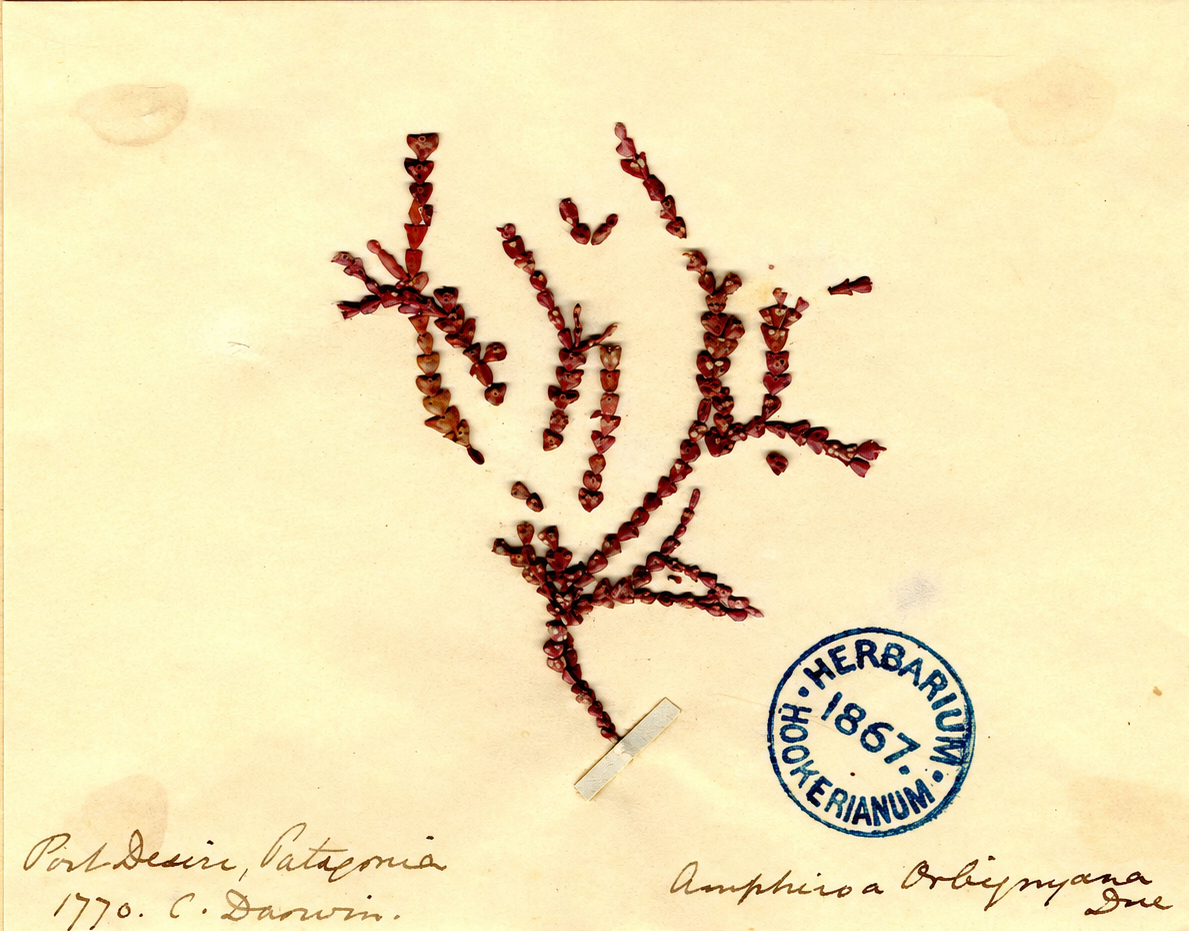
The conference aims to trace the ways in which the disciplines of art history and the history of science have observed and influenced one another from the eighteenth century to the present day. While the last decades have seen a proliferation of studies devoted to the relationships between art and science (through research on the visual culture of science, epistemic images, the materiality of knowledge production, or the history of technology), the historical and theoretical interactions between the two fields have received surprisingly little attention as an object of inquiry in their own right.
We seek to understand how two disciplines that emerged at different moments and under distinct epistemological configurations nevertheless developed enduring zones of contact: methodological borrowings, shared objects of analysis, institutional transfers, but also tensions, resistance, and conflicts of legitimacy. Particular attention will be paid to the circulation of structuring and operational concepts, whether historical (e.g. revolution, evolution, progress, rupture, turn, paradigm), epistemological (e.g. objectivity, evidence, observation, model, experiment), or material and media-related (e.g. visualization, materiality, apparatus, image, dispositif). How did transfers of concepts from one field to another alter their meaning and function? How did such transfers serve to legitimize, transform, or reconfigure one discipline through the lens of the other? Which social and intellectual contexts encouraged or hindered these exchanges? Finally, are these transfers reciprocal and balanced, or do they reflect asymmetrical relationships between the two disciplines?
These questions are especially pressing nowadays, when interdisciplinary approaches have become increasingly common, sometimes raising questions about their usefulness and possible limits. Moreover, debates surrounding the material turn, visual studies, historical epistemology, global histories of knowledge, and various forms of critical studies have reshaped both disciplines around shared questions about how knowledge is made. Through case studies spanning a broad chronological range, the conference aims to shed light on how each field has contributed to redefining the other. It also seeks to reflect on the contemporary implications of these intertwined histories at a time when collaborative research models have become central to the humanities.
Possible topics include, but are not limited to:
- The transfer of concepts developed in one discipline and subsequently adopted in the other (“style,” “paradigm,” etc.)
- The historiography of specific objects situated at the intersection of the two disciplines (perspective, scientific images, etc.)
- The reception of art historians’ work within the history of science (Alois Riegl, Erwin Panofsky, Svetlana Alpers, etc.), and vice versa (Thomas Kuhn, Michel Foucault, Nancy Cartwright, Donna Haraway, Bruno Latour, etc.)
- The place of art history and the history of science within the broader context of the emergence and development of the humanities
- The reception of philosophies of history in art history and the history of science, for example through concepts of progress or decline
- The reciprocal responses of art history and the history of science to decolonial studies, symmetrical anthropology, the provincialization of Western knowledge, and related approaches
- The reciprocal responses of art history and the history of science to various “turns” (linguistic turn, global turn, etc.) and critical studies (feminist studies, ecocriticism, etc.)
- The history of institutions, projects, programs, events, and exhibitions aimed at promoting or fostering interdisciplinary historiography (e.g. the Warburg Institute, Leonardo/ISAST, Iconoclash)
- The social and intellectual contexts that encouraged interdisciplinary scholarship at the intersection of art history and the history of science (Edgar Zilsel, Horst Bredekamp, Lorraine Daston, Pamela H. Smith, Peter Galison, etc.)
- The impact of C. P. Snow’s “Two Cultures” on the intertwined historiography of art and science
- The study and promotion of historical figures at the intersection of art and science (Leonardo da Vinci, Maria Sibylla Merian, Johann Wolfgang von Goethe, Ernst Haeckel, Richard Buckminster Fuller, etc.) and the ways in which these figures might have been mobilized to foster interdisciplinary research, or appropriated by one discipline or the other.
Proposals of max. 300 words should be submitted with a short CV to [email protected] and [email protected] by 16 November 2026. Papers may be delivered in English (preferred) or French.
Organizing Committee
Jérôme Baudry (EPFL)
Juliette Bessette (Unil-CRAL)
Antoine Gallay (FNS-Unil)
Rémi Mermet (FNRS-UCLouvain)