
JDPLS – Learning Sciences

About the program
The joint EPFL – ETH Zurich Doctoral Program in the Learning Sciences (JDPLS) educates a new generation of bilingual scientists, who will bring together knowledge and methods from multiple disciplines such as psychology, education, computer science and data science to answer questions of how people learn and hence how to teach in the digital age. This PhD program is directed towards students from any field of science or engineering who are highly motivated towards addressing the challenges in education that arise from the digitization of society. Research in the JDPLS emphasizes bridging the gap between fundamental and translational research. Our doctoral students are trained to lead the transformation in all parts of our education systems including schools, universities, workplace and informal learning spaces.
Applying to JDPLS
Applications can be submitted twice a year.
Deadlines: Reception of the complete application prior to April 15 or December 15.
- Check out the details on the openings and the candidate profile.
- Check out How to apply to JDPLS for specific information.
- Candidates will be pre-selected by the learning sciences program committee and have to be accepted by a professor affiliated with the JDPLS, either at EPFL or at ETH Zurich, to be admitted into the program.
- Be aware that only complete applications are reviewed.
Further information on the EDOC admission criteria and application procedures visit the webpage.
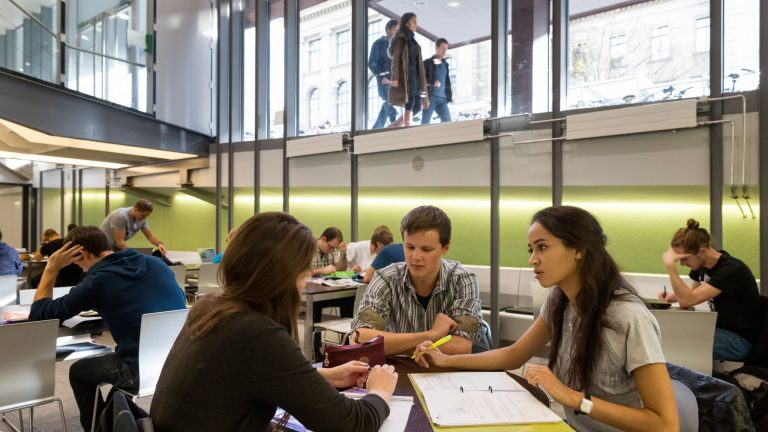


This doctoral program is directed towards students from any field of science or engineering who are highly motivated to address the currently widespread challenges in education. Research focuses on bridging the gap between fundamental and translational research. Our doctoral students are trained to lead the teaching and learning transformation in all parts of our education systems including schools, universities, workplace and informal learning spaces.
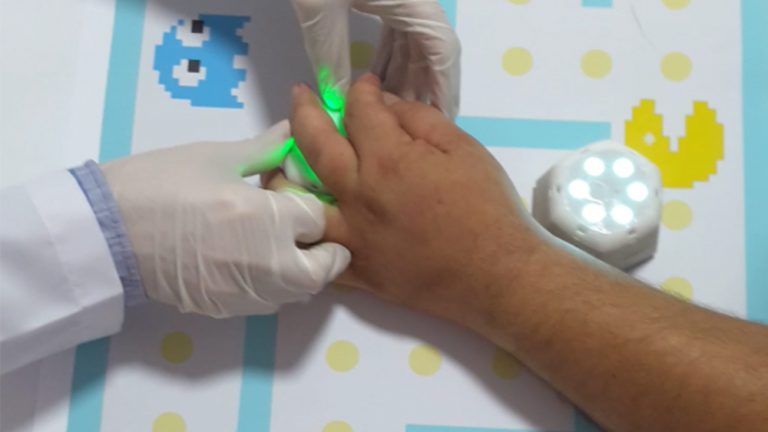

This approach of bringing together different fields is precisely what lies at the heart of this joint doctoral program's philosophy. It will be a guiding principle for achieving my goal: building pedagogical tools for children with learning difficulties.
It is no secret that education has a fundamental role in society. However, throughout my academic career, I have come to realize that not everyone benefits from the same resources. Consequently, an exciting and open question remains: How can we effectively adapt the education offered, be it from a scientific or societal perspective, so that it is fair and accessible? That is why, during my master’s degree in computer science, I decided to apply my skills to projects related to learning processes. I had the opportunity to work with educational robots and to help develop an application supporting children with handwriting difficulties. Both research projects helped me realize the importance of considering a multidisciplinary perspective when creating innovative tools that are adopted by learners. This approach of bringing together different fields is precisely what lies at the heart of this joint doctoral program’s philosophy. It will be a guiding principle for achieving my goal: building pedagogical tools for children with learning difficulties. I am particularly eager to make most of the support provide by the various experts on the learning science side, which will nicely complement my computer science background.
Career prospects

For applicants
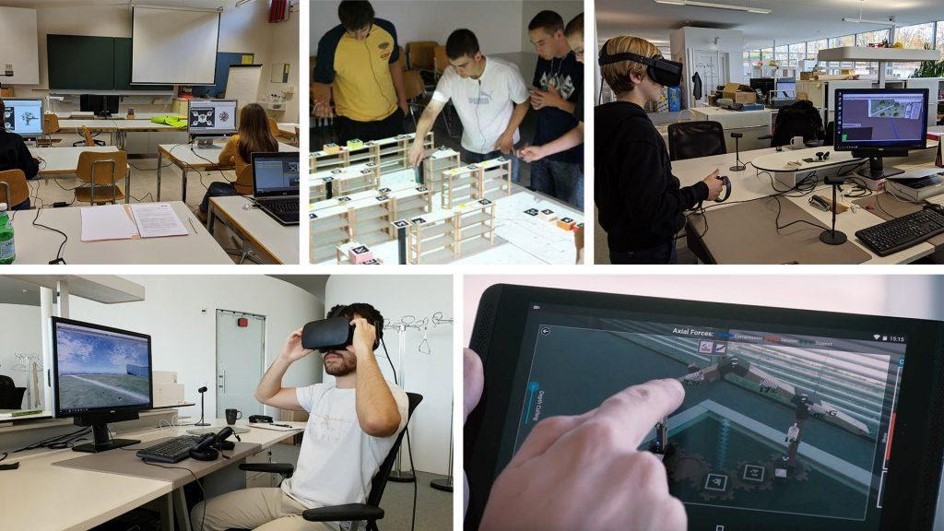
Further information: how to apply, program details, testimonials
For PhD candidates
Practical information: what you need to know as a JDPLS PhD student
People
Who is who: all you need to know about the JDPLS community
The JDPLS community

Upcoming public thesis defences

Startup Champions Seed Night 2026
Location: RLC E1 240
Category: Conferences – Seminars
Target audience: General public

Contact
Program Directors
Prof. Francesco Mondada, EPFL
Prof. Dr. Emily Cross, ETH Zurich
Dr. Victoria Abou-Khalil, EPFL
Dr. Bertrand Forclaz ETH Zurich
Administration contacts