
EDPY – Physics
About the program
The EPFL Doctoral Program in Physics (EDPY) acts as both the gateway and academic hub, providing advanced coursework and vital support to empower these driven scholars.
Around 50 professors and 50 senior research scientists share two key missions: advancing physics research at the highest international level and delivering top-quality education to EPFL PhD students. Thanks to its strong interdisciplinary focus, the doctoral program in Physics opens exciting pathways to advanced research in life sciences and engineering, among others.
Applying to EDPY
Applications can be submitted twice a year.
Deadlines: submission prior to April 30 or October 31 (complete application, including the 3 letters of recommendation).
Admission to the program is possible only if the following two conditions are satisfied:
- The candidate applied to the program, and is deemed eligible by the selection committee based on the application file;
- The candidate found a thesis supervisor associated with the program, that decided, after an interview, to offer them a PhD student position in their research unit.
-
Check out the guidelines on how to apply
-
To apply to the program, you have to complete and submit an online application form
-
Visit the website to get an idea of ongoing research in Physics at EPFL and see the PhD advisors affiliated to our doctoral program
-
Visit the webpage for general information on the admission criteria and application procedures.
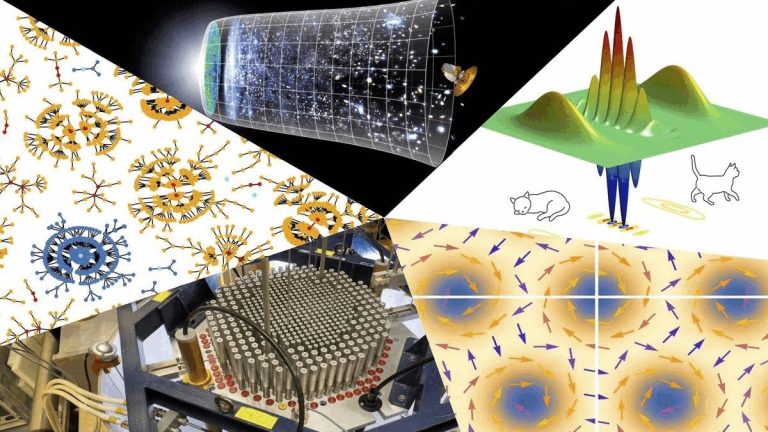
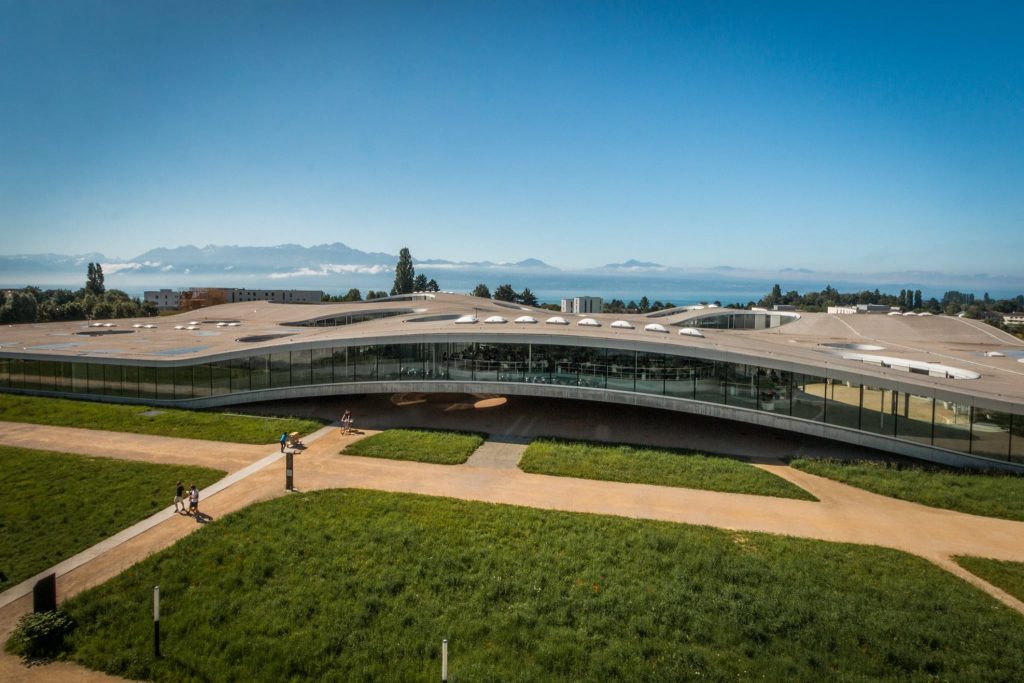
Doctoral candidates in Physics at EPFL engage with leading laboratories specializing in both theoretical and experimental research. Thanks to its strong interdisciplinary focus, the doctoral program in Physics opens exciting pathways to advanced research in life sciences and engineering.
Research projects


The research environment is dynamic and collaborative, and I’ve learned a lot of experimental techniques while working in a great team. On top of that, the campus is beautiful and international, with many events that make the experience even more fulfilling.
My name is Anna Toschi, and I was born in Milan, Italy. I’ve always been curious about how things work, which led me to study Engineering Physics at Politecnico di Milano. During my Master’s, I completed my thesis at the synchrotron in Grenoble, France — a great experience that confirmed my passion for research and international environments.
I’m now a PhD student in the EDPY program at EPFL, and being part of this community has been incredibly rewarding. The program offers a wide range of courses that allow you to explore diverse areas of physics, along with opportunities to teach and engage with students. From day one, I felt supported — whenever challenges come up, you can openly discuss them with your supervisor or colleagues, and there’s always someone willing to help.
The research environment is dynamic and collaborative, and I’ve learned a lot of experimental techniques while working in a great team. On top of that, the campus is beautiful and international, with many events that make the experience even more fulfilling.
That experience boosted my confidence and transformed the rest of my PhD. The sense of inadequacy that marked the early years gradually gave way to the joy of research and the curiosity that drives a passionate academic
I’m a final-year PhD student in the Fields and Strings Laboratory led by Prof. João Penedones.
My PhD journey has been full of surprises. I struggled in my first years. I often felt slow and unprepared for the challenges of theoretical physics research. What made the difference was something I consider essential in any student–advisor relationship: my advisor always showed that he believed in me. His trust not only supported my morale but had real consequences. At the end of my second year, I published my first paper, and when he was invited to a high-profile conference in the US but couldn’t attend, he proposed that I go in his place. I was nervous at the thought of giving a one-hour seminar in that setting, but after a lot of preparation, it went well. That experience boosted my confidence and transformed the rest of my PhD. The sense of inadequacy that marked the early years gradually gave way to the joy of research and the curiosity that drives a passionate academic. A crucial consequence of that shift was that I began to feel more comfortable asking very basic questions. I’ve learned that this is perhaps the most important quality in a researcher: being confident in one’s own ignorance and open to questioning the basics of building strong foundations. In the last two years, I’ve published more papers and broadened my interests.
In October, after I graduate, I’ll start a postdoc in Turin.
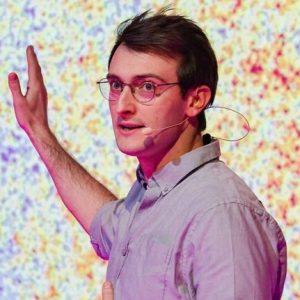
P.S. The picture is from the EPFL competition My Thesis in 180 Seconds—that was fun!
For applicants
Further information: how to apply, testimonials
For PhD students
Practical information: what you need to know as an EDPY PhD student

People
Who is who: all you need to know about the EDPY community

Upcoming public defenses
News highlights
Contact
Program Director
Prof. Paolo De Los Rios
Administration
Anh Eymann
EPFL EDPY program
PH B2 405
CH-1015 Lausanne