
EDDH – Digital Humanities
About the program
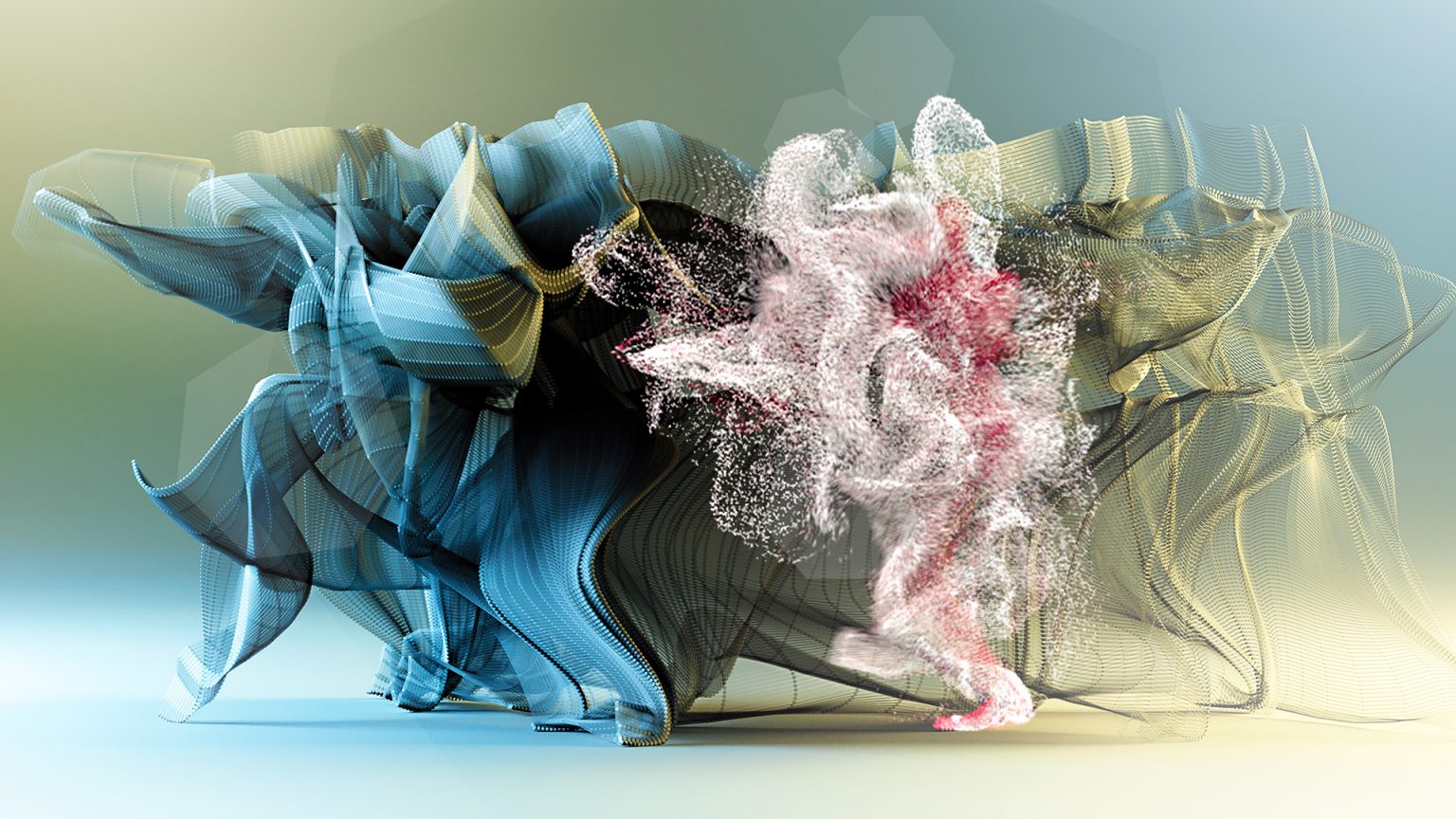
The EPFL doctoral program in Digital Humanities (EDDH) educates a new generation of scientists, who will bring together domain knowledge with current quantitative methods and are able to analyze, model and critically reflect on problems and challenges from real world contexts. The PhD program is directed to computer and data scientists, engineers, mathematicians, life scientists as well as to broadly skilled students from Humanities and Social Sciences interested in the range of interdisciplinary research questions covered by the overarching Digital Humanities framework. The program stimulates close collaboration between students, researchers and professors in Digital Humanities. Our doctoral students are trained to provide intellectual contributions and leadership in Digital Humanities as well as social and cultural issues at large.
Applying to EDDH
Applications can be submitted several times a year.
Deadlines: January 15, April 15 and September 15
- Check out the guidelines on: eligibility criteria and application process
- Admission is on a competitive basis.
- Prospective students are strongly advised to contact potential host lab directors in advance of their application.
- All admissible students will have to be accepted by a host lab of the EDDH program.
- At the time of enrollment future students are required to have a Master’s degree in a related field.
Further information on the EDOC admission criteria and application procedures visit the webpage.


The doctoral program in Digital Humanities educates a new generation of scientists who are uniting domain knowledge with current quantitative methods and who are able to analyze, model, and critically reflect on problems and challenges from real-world contexts. The doctoral program promotes a large variety of interdisciplinary research projects and provides education for intellectual leadership in the new field of digital humanities as well as social and cultural issues at large.
Research projects


The successful combination of the skills learned within the doctoral program in Digital Humanities, is crucial for understanding our world in all its complexity.
I study the structure of music by applying formal methods. This requires combining background knowledge in music theory and cognitive science with mathematical and computational Methods that make it possible to sort, describe, and utilize our research. This doctoral program is located at the intersection where humanities meet formal-mathematical, computational, and technical competence. The successful combination of the skills learned within the doctoral program in Digital Humanities, is crucial for understanding our world in all its complexity. The Digital Humanities Institute at EPFL is leading in this branch of research, and therefore offers a great environment for conducting research.


For applicants
Further information: how to apply, program details, testimonials

For PhD candidates
Practical information: what you need to know as an EDDH PhD student

People
Who is who: all you need to know about the EDDH community

Upcoming public defense
News highlights
Contact
Program Director
Prof. Martin Alois Rohrmeier
Administration
Sandra Bottà
EPFL EDDH program
BP 2130
CH-1015 Lausanne