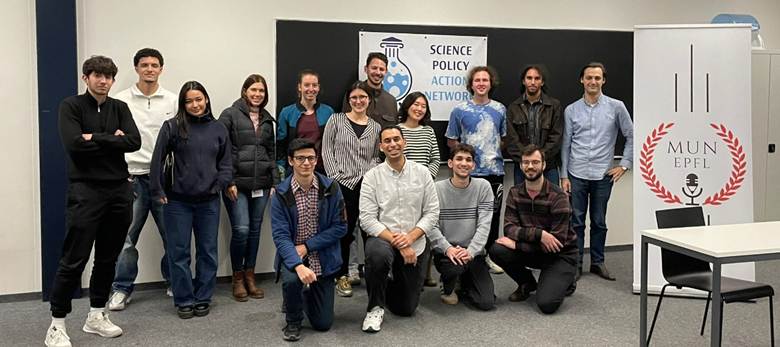
by Ziad Sahlab
On October 30th, during our “COP Unpacked” event, with the help of invited experts, we took a deep dive into the history of the United Nations Framework Convention on Climate Change (UNFCCC) and analyzed the complex machinery of the Conference of the Parties (COP). We learned about the critical work that has defined global climate policy for decades.
But at SPAN, we believe that learning about diplomacy is one thing and doing it is entirely another. That is why we partnered with the MUN EPFL association to take students out of the lecture halls and place them on the negotiating table. The result was our very own Model COP Crisis Session: an evening of high-stakes negotiation, geopolitical maneuvering, and a glimpse into the future of Artificial Intelligence and our planet.
The topic on the table was: AI Sustainability.
We often think of Artificial Intelligence as something that lives in the “cloud”, but as our delegates quickly realized, the cloud has a growing environmental footprint. The crisis session focused on the dual reality of AI technology. On one hand, it offers powerful tools to model climate change, optimize energy grids, and influence social habits. On the other hand, it is a heavy consumer of electricity and water, and its existence relies on a supply chain of rare earth minerals that spans the globe.
The debate mainly focused on the extraction of minerals, the energy demands of data centers, and the rising sea levels threatening the Pacific.
The Players: A Clash of Interests
To simulate the friction of real-world diplomacy, participants represented six distinct delegations, each with a vital stake in the AI ecosystem:
- The Tech Giants (USA & China): These nations represented the cutting edge of innovation. Their arguments focused on the immense benefits of AI and the need for unrestricted growth. However, they faced the looming reality of resource scarcity and the need for energy and minerals to keep their digital empires running.
- The Resource Hubs (DRC & Ghana): Rich in the raw materials like cobalt and lithium that power the AI revolution, these delegations arrived with a clear message: they would no longer accept exploitation. They demanded that the wealth generated by AI benefit the hands that mine the minerals.
- The Climate Frontline (Tuvalu): For island nations, the debate wasn’t about profit, it was about survival. Tuvalu represented the moral conscience of the room, arguing that AI’s carbon footprint directly threatens their existence.
- The Mediator (Switzerland): Hosting the talks, trying to bridge the gap between profit and protection.

The Negotiations
The session opened with formal statements. The room was immediately divided. You could feel the tension as the “Global North” emphasized technological acceleration, while the “Global South” emphasized justice and equity.
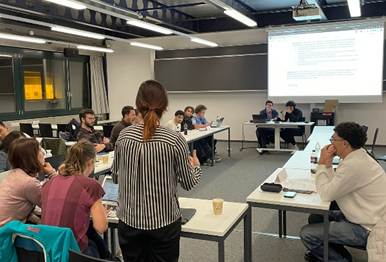
Once the opening remarks concluded, the real work began. The room broke into unmoderated discussion where delegates moved between tables, negotiating offers and drawing red lines. Two clear factions emerged: those fighting for the regulation of resources, and those fighting for the rights of the displaced.
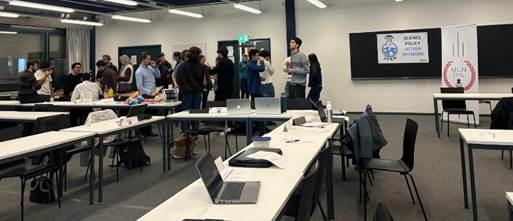
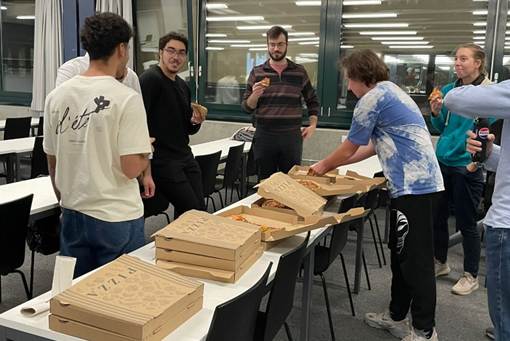
But perhaps the most effective tool of the evening was dinner. As the discussions spilled over into the meal, the atmosphere shifted. Food acts as the ultimate social lubricant. Sharing a meal together allowed the delegates to drop the stiff diplomatic personas for a moment and find common ground. It was over dinner that the most creative solutions began to take shape. The adversarial nature of the crisis session softened just enough to allow for collaboration.
The Resolution: Digital Statehood and Sustainable minerals
Post-dinner, the formal session resumed, and the heat turned back up. There were failed amendments, attempts by major powers to “shoehorn” their own agendas into the text, and heated debates over wording.
However, consensus was eventually reached. The delegates voted to pass a landmark agreement that rested on two pillars:
1. The Right to Digital Statehood
Led by the impassioned arguments of the Tuvalu delegation, the body recognized that if an island nation sinks due to climate change, its people and culture must survive. The resolution requested a new division within the UNHCR to support “Digital Statehood.”
- Data Infrastructure: Host countries must provide secure infrastructure to host a nation’s digital presence.
- Cultural Preservation: Intellectual property and cultural heritage will be protected digitally.
2. The UN Task Force for Critical Resource Management (UNTFCRM)
To address the concerns of the DRC and Ghana, the body established a new task force to monitor the mining and trade of critical minerals.
- Mandatory Certification: No more “blood cobalt.” Sources must be certified and tracked.
- Labor Laws: Strict adherence to international safety and labor standards.
- Local Investment: Profits must be reinvested into the human capital and infrastructure of the resource-rich nations, not just extracted.
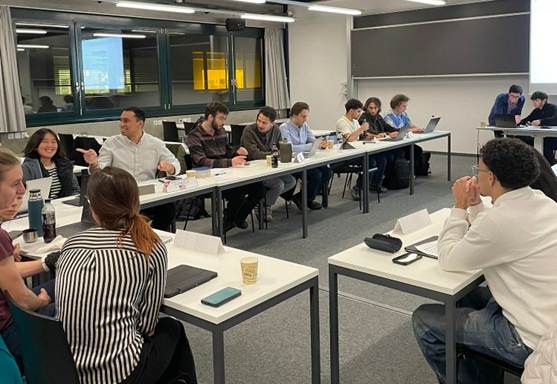
By the end of the night, the energy in the room was a mix of exhaustion and exhilaration.
The Model COP didn’t just teach the students about AI policy; it taught them about the human element of international relations. They learned that in diplomacy, even when everyone agrees on the goal (a sustainable planet), the means to achieve it can be vastly different.
They experienced the frustration of compromise, the complexity of supply chains, and the weight of representing a nation fighting for its survival. It was an enlightening experience that transformed abstract policy into a tangible reality.
We want to thank MUN EPFL for their collaboration and all the students who stepped up to be the negotiators our world needs.