
Changing how we prevent and treat chronic disease through nutrition
We know that nutrition matters. We know many of the dietary patterns associated with better health. But we still struggle to answer some of the most important questions:
- Why do people eat what they eat?
- How do their environments shape these choices?
- And how can we turn this knowledge into interventions that actually change health outcomes?
CFFC’s Nutrition for Health mission aims to close this gap — moving from measuring dietary behaviour, to understanding its drivers, to designing interventions that can improve health at scale.
We know that diet affects health. We don’t yet know how to change it effectively
Non-communicable diseases (NCDs), which include cardiovascular diseases, diabetes, neurodegenerative diseases, and cancer, are an epidemic. To understand the magnitude of what is currently happening, diabetes alone now causes hundreds of thousands of amputations only in OECD countries. This is more than just a statistic — it reflects millions of lives profoundly affected, families burdened, and communities facing profound hardship. Yet, despite their staggering impact, according to the Swiss Health Observatory, less than 1% of the overall healthcare budget is devoted to physical activity and nutrition prevention of NCDs, which often remain invisible until severe complications arise. Dietary habits and nutrition are widely recognized as crucial factors influencing the risk of developing NCDs and are therefore essential to their prevention and management.
The problem is bigger than nutrition science
A better understanding of nutrition alone will not solve the problem. We need to connect disciplines that traditionally work separately:
- Nutrition & epidemiology – to understand dietary patterns and their relationship with health.
- Medicine & biology – to uncover how nutrition interacts with metabolism, disease risk and individual physiology.
- Behavioral science – to understand why people make particular choices and what can change them.
- Artificial intelligence & data science – to integrate multimodal data and reveal patterns that conventional approaches cannot capture.
- Digital technologies & sensing – to advance from surveys to real-world behaviour and exposure measurements.
- Public health & policy – to translate evidence into interventions that can operate at the population scale.
The CFFC mission is to connect these capabilities around shared problems and measurable outcomes, rather than around disciplinary boundaries.
Proposed solutions
The research and activities of the different partners concentrate on the following focus areas:
- Behavioural Insights & Personalised Support delivers data-driven, tailored approaches for health promotion and prevention based on nutrition & lifestyle. With Unisanté, LaSource and ISSUL-UNIL we plan to map the lifestyle patterns to develop scalable interventions to support the formation of new habits.
- Biology of Prevention develops scientifically validated nutritional interventions that can influence metabolic health, thereby linking nutrition to effective NCD prevention. We plan to start mapping nutrition-based effects on lipid metabolism via longitudinal studies with frequent biomarker sampling, across diverse populations, with controlled dietary intervention in collaboration with HUG and LaSource.
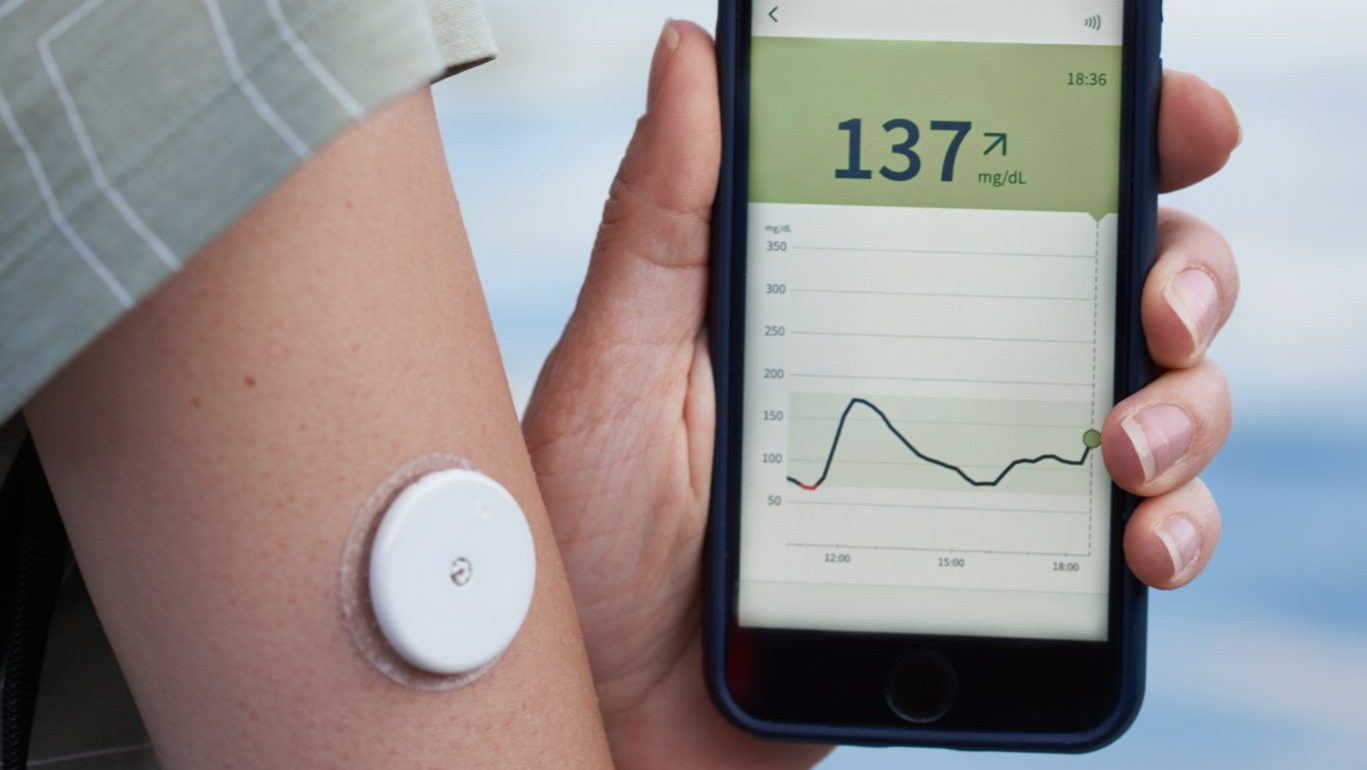
- Accessible Health Monitoring democratises access to health monitoring by providing abundant, affordable, and scalable solutions. In collaboration with CoLaus, HUG, and LaSource, we plan to develop new sensing solutions for key indicators of NCD risk, ranging from biorecognition to physicochemical transducers, to provide measurable, quantifiable, and real-time health information.
The focus areas will be developed by allocating resources to a portfolio through dedicated calls with our partners across the full spectrum of activities. We plan to focus on at-risk population segments (i.e., augmented waistline) in the age brackets of 18-23, 30-35, and 50-55 years in Switzerland. The desired impact is described in the following impact matrix. Reference baselines will be measured at the beginning of the activities to track progress.