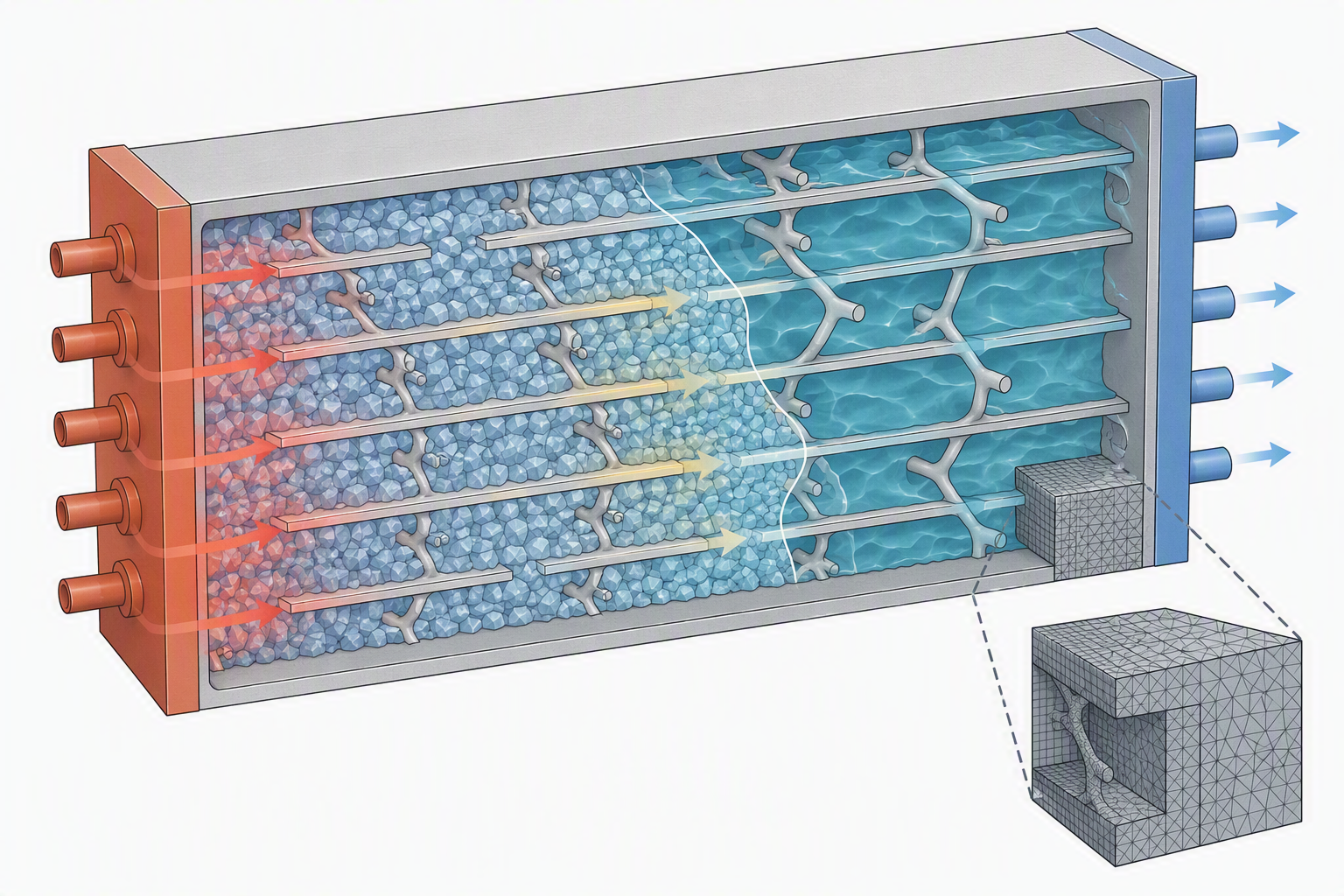
Thermal energy storage is a central component of decarbonized heating and cooling. Salt hydrates store and release large amounts of latent heat through reversible crystallization and melting, offering high volumetric storage densities at low material cost.
This project is centered on simulation and system-level design of realistic energy storage units. In a first part, you will develop a finite-element model of heat transfer within a salt-hydrate-based storage unit. The subsequent simulations are aimed at evaluating different geometries and operating conditions, with the goal of maximizing power density without compromising storage capacity. The underlying physics centers on nonlinear transient heat conduction with solid–liquid phase change.
In a second part, you may collaborate with experimentalists to realize a prototype informed by your simulation results. You will validate performance under realistic operating conditions, comparing the measured thermal response against your model predictions. This validation loop may involve inverse analysis to calibrate effective properties—such as the thermal conductivity of composite fillers or contact resistances at interfaces—thereby closing the gap between numerical design and physical demonstration.
You may work with the commercial or open-source software; we strongly encourage the use of modern open-source frameworks for transparent, reproducible, and scriptable workflows—meshing with Gmsh or similar, Python-driven solver pipelines, and post-processing in ParaView. We are particularly interested in differentiable GPU solvers, and we can enable you to access EPFL’s HPC resources if needed. Coupling of heat and mechanical deformation as well as multiscale analysis can be added to the scope of the project if requested by ambitious students.
A strong technical background —mechanical or civil engineering, material science, applied mathematics— is expected, together with a strong interest in heat transfer and numerical modeling. Prior experience with finite-element methods is welcome but not required; curiosity about open-source scientific computing and a willingness to engage with the underlying mathematical formulation are equally important. Further details can be provided upon request, feel free to contact us!
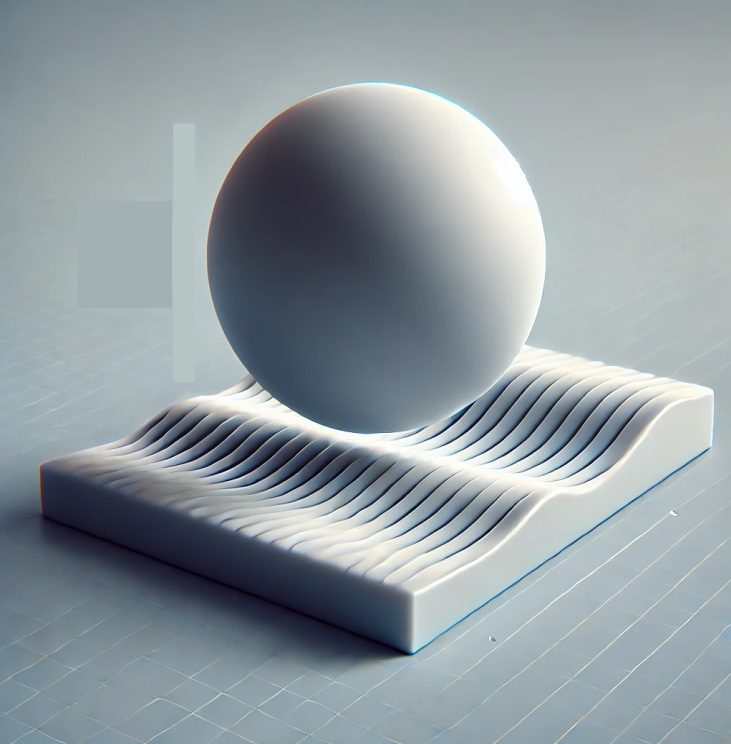
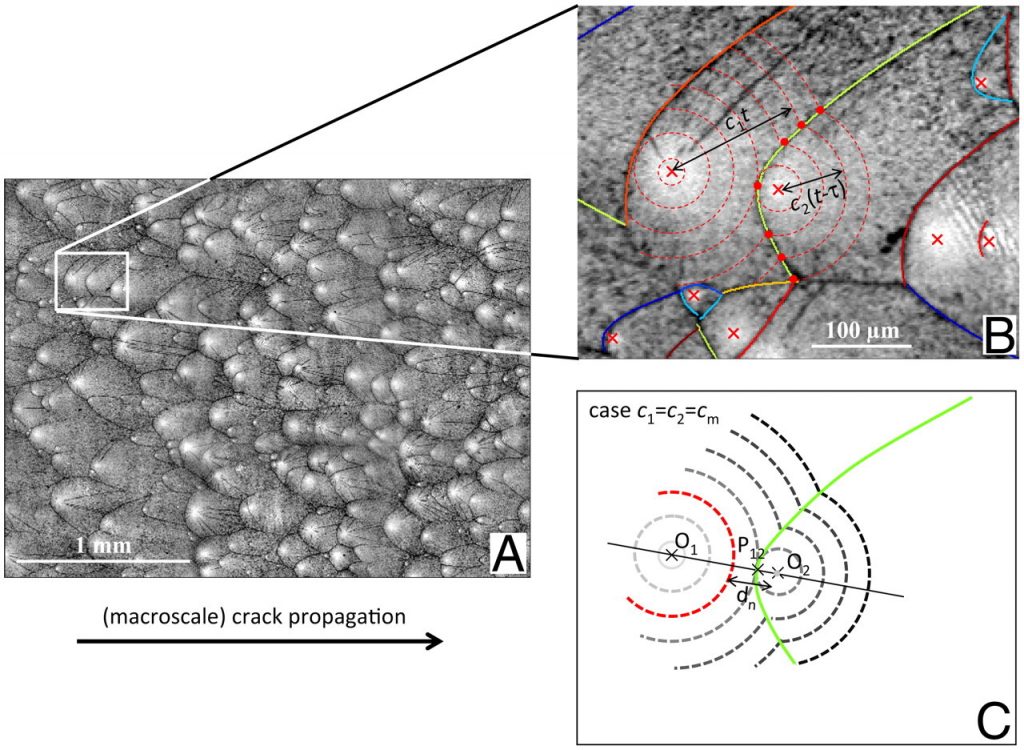
Earthquakes can be devastating, both in terms of human and material damage. Although their existence has been known since the dawn of time, the physics of earthquakes is still poorly understood. Natural faults and earthquake characteristics are known to follow scaling power-law. The origin of this phenomenon has strong implications on the physical mechanisms driving slip events. However, it is not yet clear. The emergence of complexity can be related to the disorder of the system. Understanding if the observed complexity comes from the inherent complexity of the frictional motion or the system’s complexity is essential to better understand – and one day eventually predict – earthquakes. It has been shown numerically with a simple system without any disorder that resulting slip events follow a power-law distribution for the small events – like natural slip events – and a log-normal distribution for the larger ones. This project aims to study how adding disorder in this simple system will influence the transition between the power-law and the log-normal distribution of slip events. To do so, the student will use a finite element software developed in the lab (Akantu).
Supervisors:
Ferry Roxane Mathilde Suzanne, Jean-François Molinari
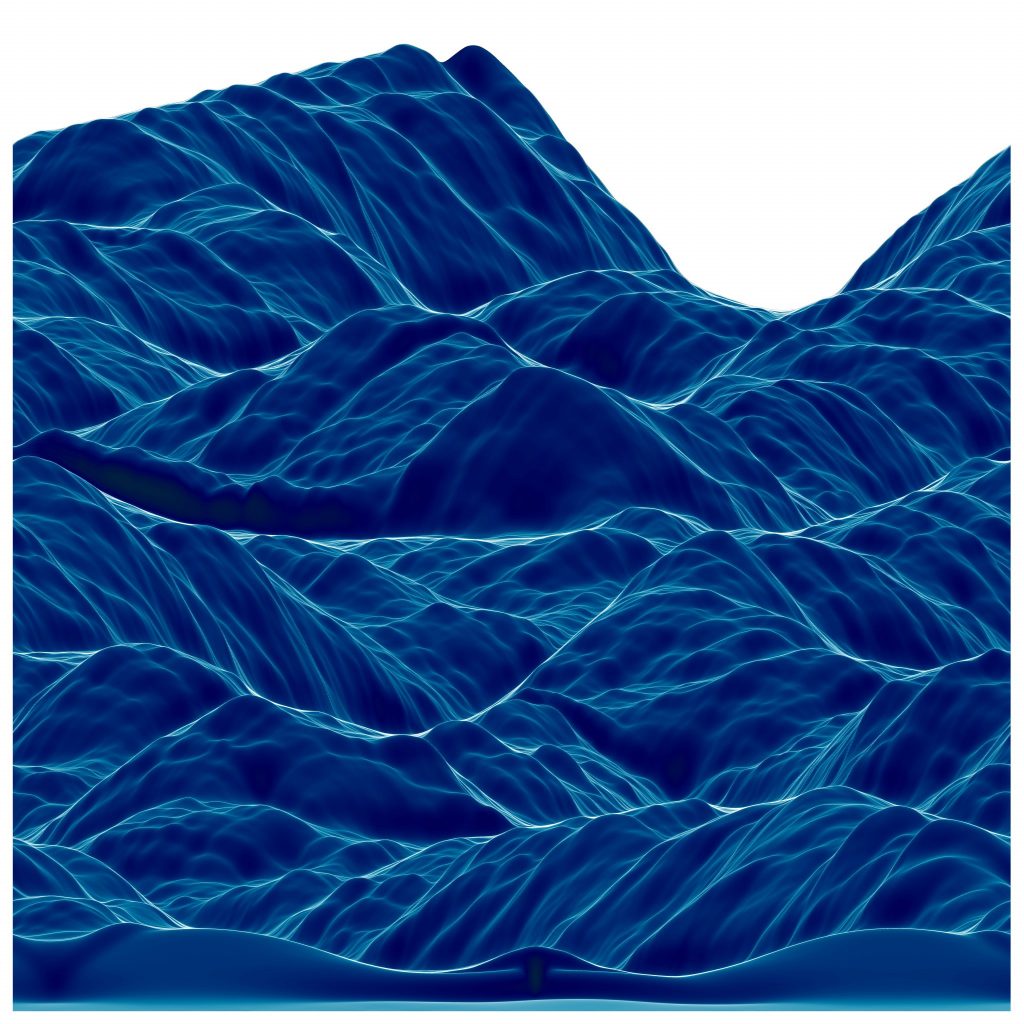
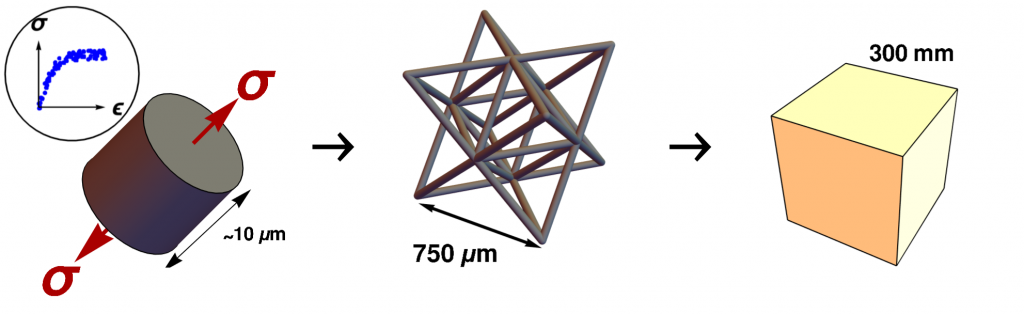
This project seeks to combine the traditional finite element method with new machine-learning tools. The tentative goals are, first, to analyze new methods recently proposed in the literature; (e.g., the “Deep Ritz Method”) and, second, to adapt them to solve large-deformation problems in simple geometries.
Supervisors:
Joaquin Garcia Suarez, Jean-François Molinari
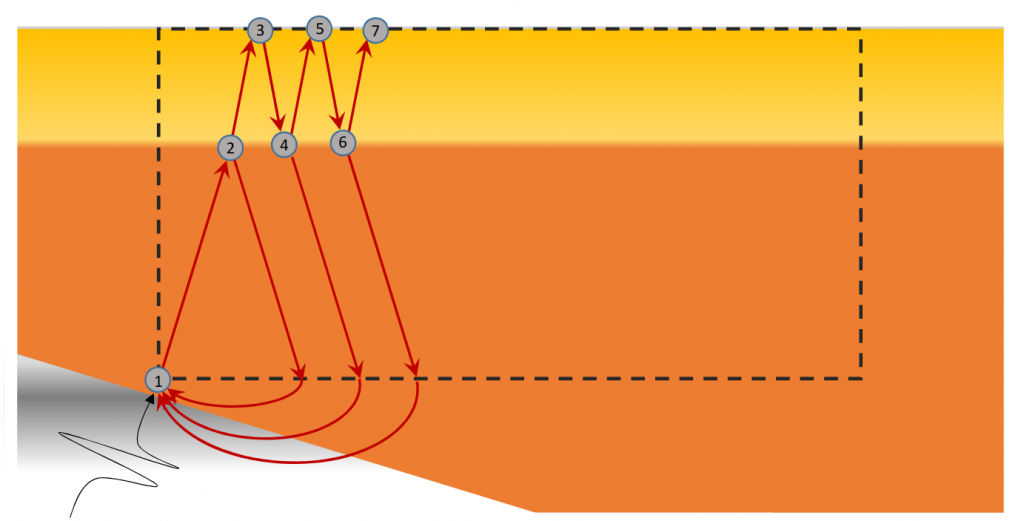
Wave propagation is a well-understood phenomenon, but gripping complexity can arise from it when it takes place within a layered medium, due to the continuous reflection, transmission and superposition of what originally may have been a coherent wavefront. On this topic, we propose two types of projects: (1) mostly theoretical ones (intended for students with a taste for applied mathematics) aimed at exploring how abstract algebra can help to unravel this complexity, (2) mostly numerical ones (for students interested in coding and simulations) aimed at implementing and testing new methods to simulate wave propagation in structured materials.
Supervisors:
Joaquin Garcia Suarez
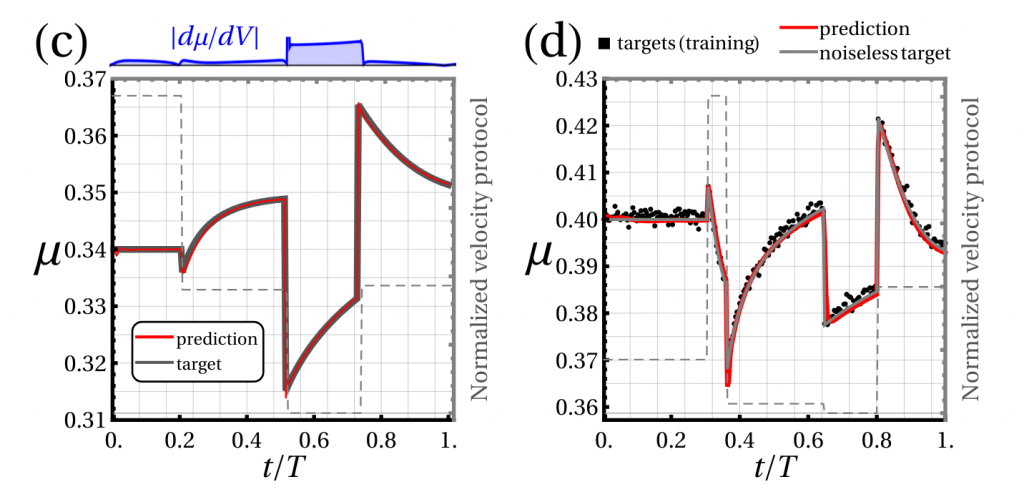
The disruptive work of Karniadakis and colleagues has created a new way to find approximate solution of ODEs and PDEs with relevance to physics and engineering. In this project, we would seek to survey the most efficient ways to train PINNs, and apply these findings to solve problems featuring stick-slip: . If the student is interested, a mathematical twist is also possible by focusing on analyzing the convergence and error estimates of PINNs.
Context
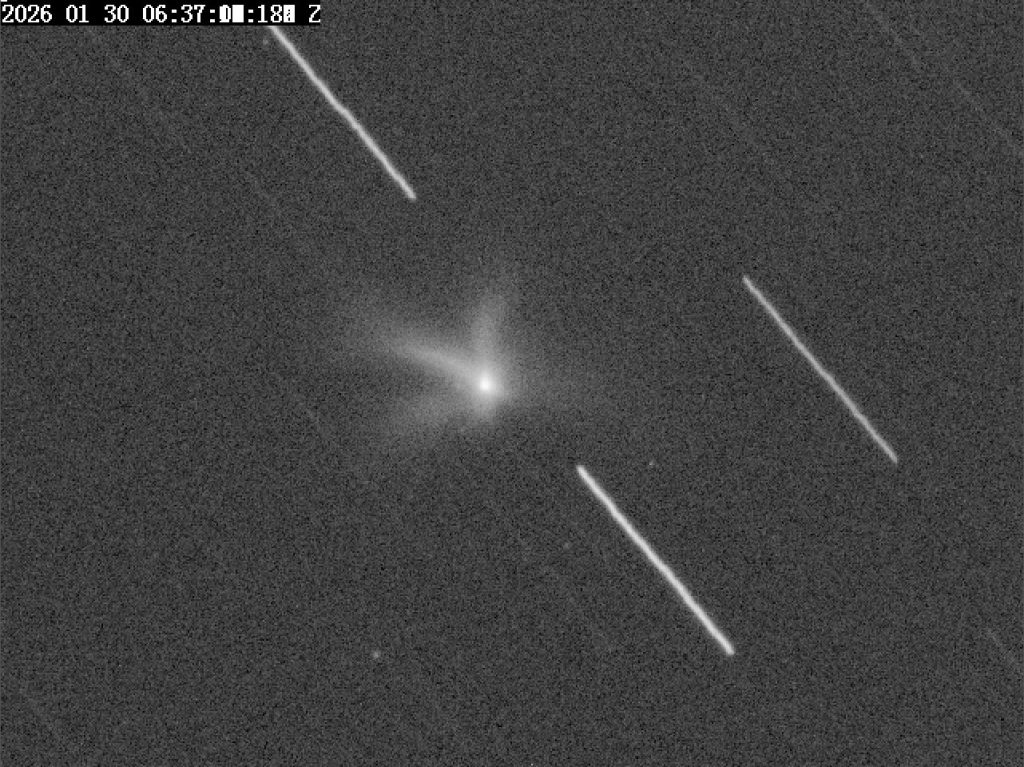
The orbital environment is currently reaching a critical threshold due to the accumulation of space debris, a situation caused by the rising number of decommissioned satellites that remain in orbit for centuries or even longer. In high-altitude regions like the Geostationary Orbit (GEO) and its graveyard orbit, a few hundred kilometers above, the lack of atmospheric drag results in fragments from satellite breakup persist for thousands of years. Decommissioned satellites pose a dual threat: they represent large, unmaneuverable targets for unintended collisions and carry potential internal energy sources that can lead to spontaneous explosions if not properly passivated. Such fragmentation events create clouds of high-velocity particles that can disable operational satellites, potentially triggering the Kessler Syndrome – a cascading chain reaction of collisions that could eventually render entire orbital regions unusable for future generations.
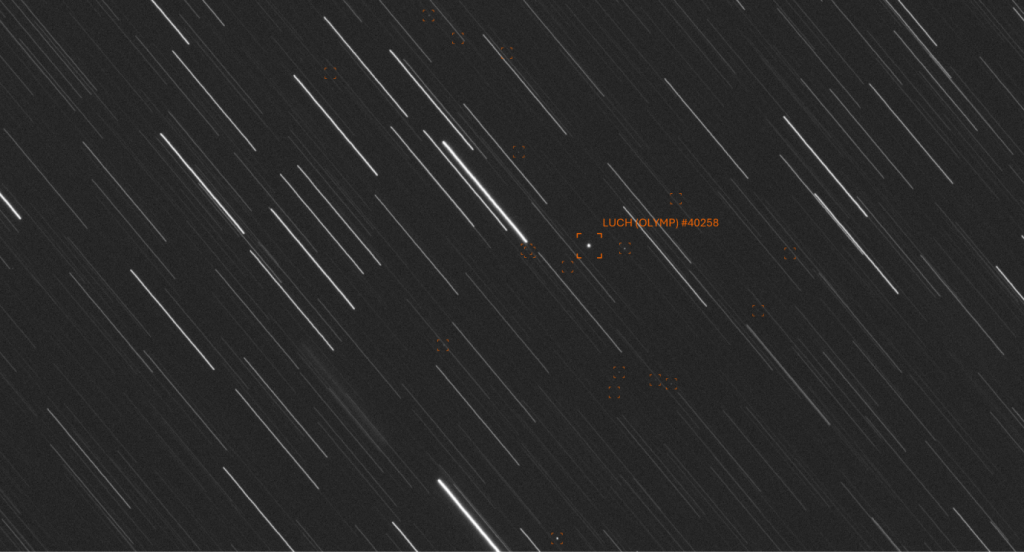
The Luch/Olymp satellite (NORAD catalog number 40258), launched in 2014, in the geostationary orbit (around 35,786 kilometers above the equator) was recently decommissioned and sent into the graveyard orbit above GEO in October 2025. S2a-systems, s Swiss SSA/SDA company, has acquired data from Luch/Olymp since the decommissioning and also recorded the sudden break-up of the object on January 30. 2026. The breakup of a large, complex satellite like Luch/Olymp creates a new population of unmanaged debris in a sensitive orbital region. According to initial reports from s2a systems and space debris experts, either a space debris impact or a passivation failure (e.g., fuel or battery explosion) may have caused the fragmentation. The observations suggest that the object maintained a stable attitude until the break-up event. During a period of about 45 minutes, several explosions were recorded releasing multiple trackable fragments.
Project scope and tasks
In a previous project, procedures to detect fragments and determine their orbits were implemented. The goal of this project is to study how the fragments disperse in orbit and investigate if they might pose a risk to decommissioned and active satellites in GEO. The investigation consists of the following tasks
- Familiarize yourself with the data and software tools for astronomical image processing (astrometry.net, astropy, photutils) and orbit determination (Tudat)
- Perform long-term orbit propagation of the fragments to assess the threat of the resulting debris cloud to operational geostationary satellites
This project is suitable for a student interested in space surveillance and tracking, processing of astronomical data and orbital mechanics. Prior knowledge in Python is a plus.
- eSpace/LASTRO/s2a-systems (Jean-Paul Kneib, Stephan Hellmich, Roger Spinner)
- Computational Solid Mechanics Laboratory LSMS (Jean-François Molinari, Guillaume Anciaux, Pavan Kalyan)