This study examines the long-term evolution of elite ballet technique through computational analysis of arabesque execution at the Prix de Lausanne (1973–2026). Using archival videos and finalist metadata, we analyze six biomechanical variables across temporal, geographic, and pedagogical dimensions. Results reveal increased extension, body inclination, and more expansive arabesques, suggesting shared international ideals of flexibility, amplitude, and projection. Yet geometric dispersion also increased, indicating increasingly varied biomechanical strategies for achieving similar aesthetic goals. Comparisons across national and training traditions reveal persistent but hybridized stylistic tendencies. Globalization thus promotes convergence in ballet’s aesthetic objectives while preserving diversity in movement execution.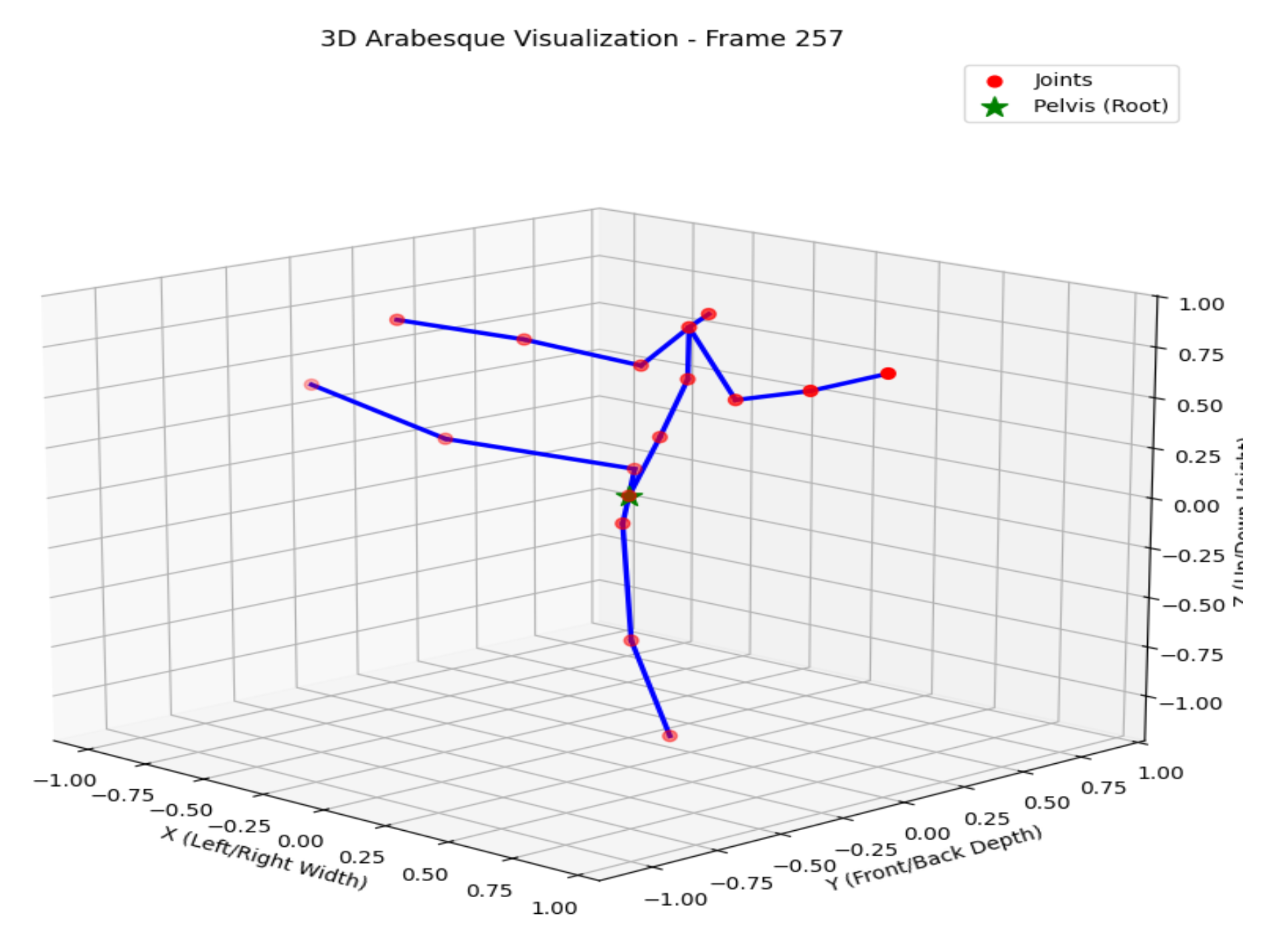
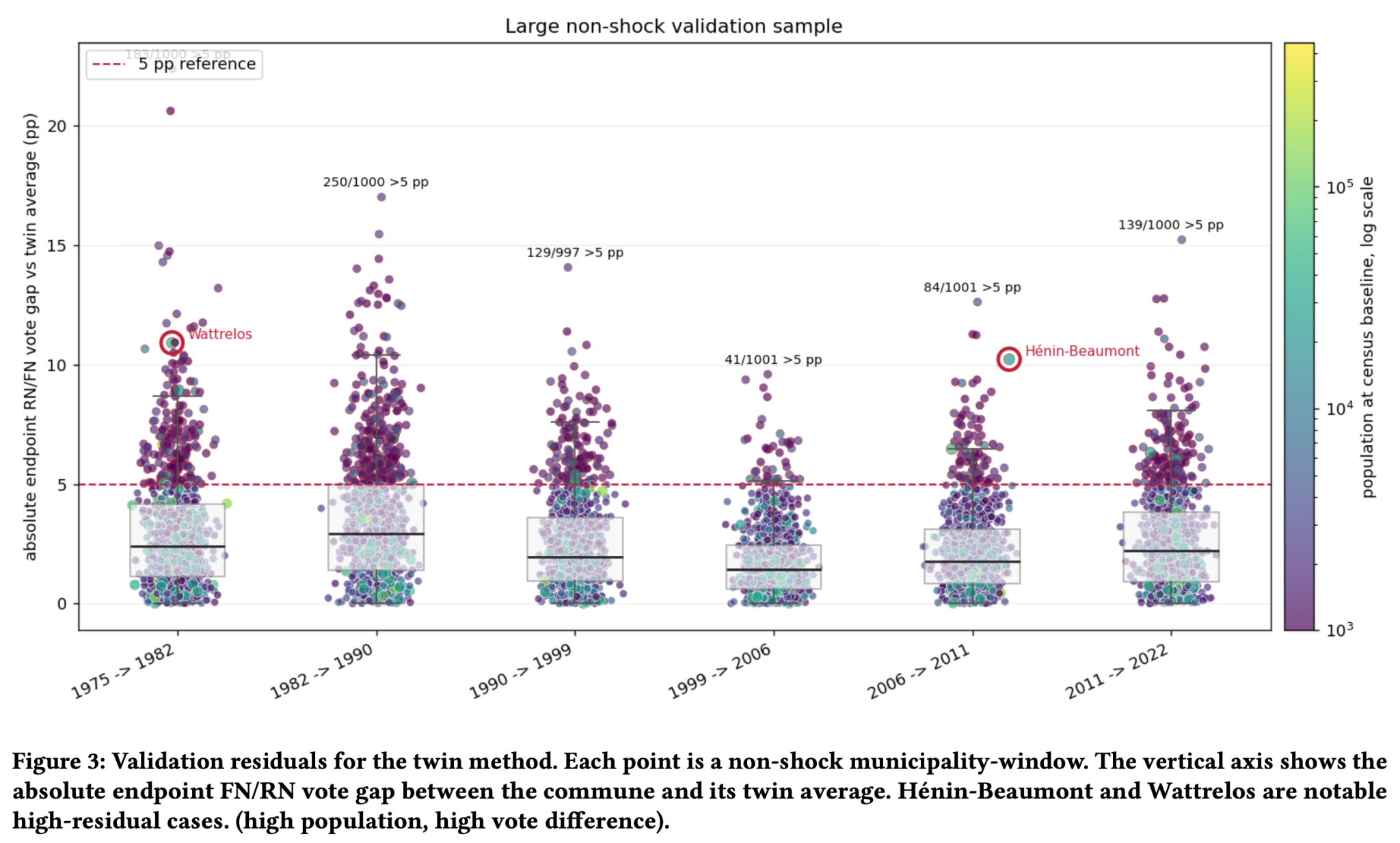
This paper examines how political socialisation shaped FN/RN voting amid deindustrialisation in French working-class municipalities between 1981 and 2022. Using commune-level electoral and socio-economic data, we identify employment shocks and compare affected municipalities with similar non-shocked “twins” through difference-in-differences analysis. Results suggest that employment shocks did not automatically increase FN/RN voting. While the estimated effect of collective mobilisation is consistent with our hypothesis, it is weak and statistically non-significant. Qualitative analysis of key cases, including Hénin-Beaumont, Gennevilliers, and Le Creusot, shows how local political history and collective memory mediate the electoral consequences of industrial decline.
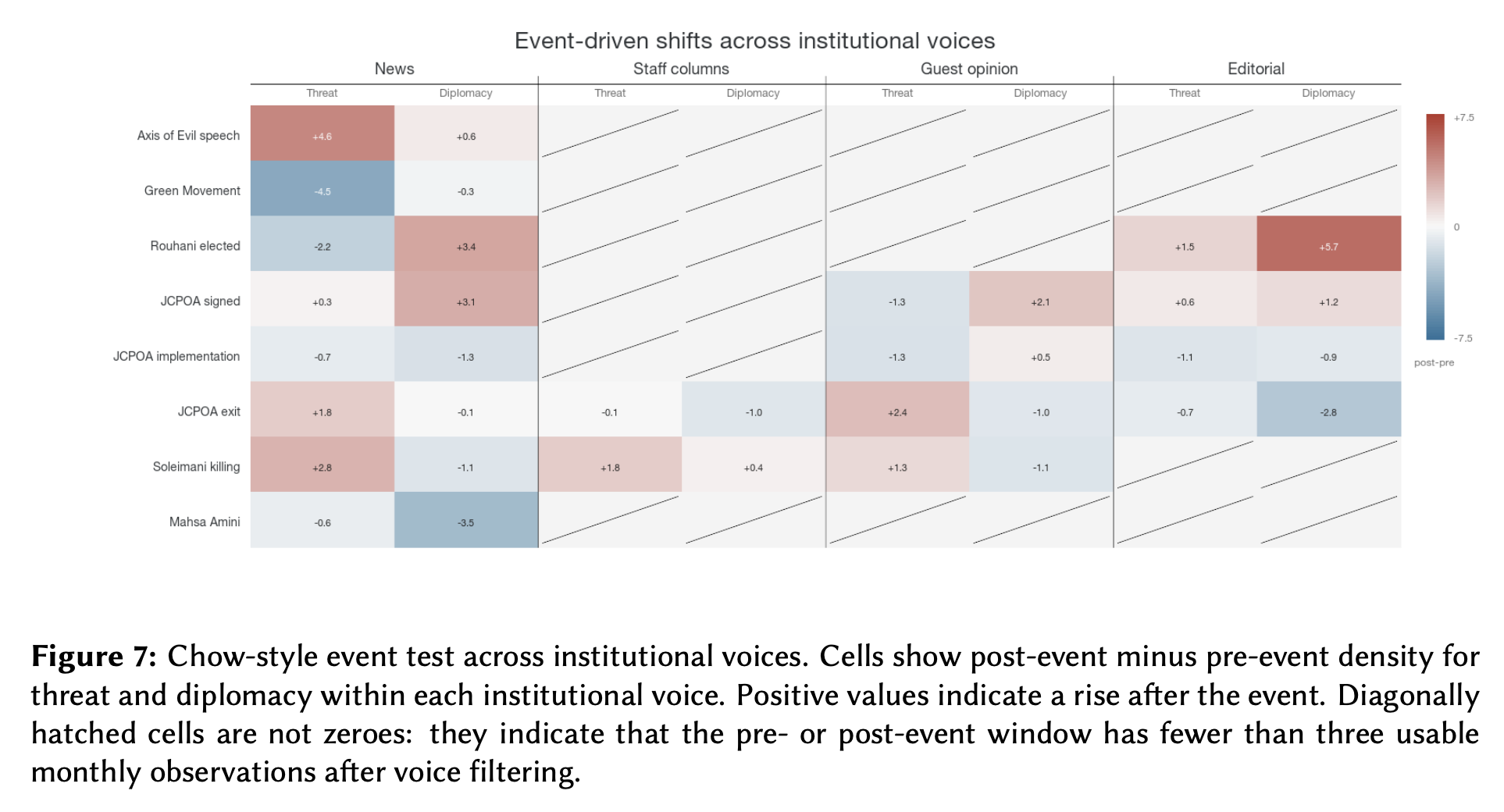
This study examines how The New York Times framed Iran across textual layers, institutional voices, and historical moments between 1970 and 2026. Using a corpus of 46,512 articles, we combine lexical framing analysis with measures of grammatical agency, nominalization, and temporal change. Results show that headlines concentrate threat and diplomacy, while longer article layers provide greater contextualization and humanizing detail. Editorials frame Iran primarily as a policy problem, whereas news is more event-driven and columns more heterogeneous. Over time, threat framing shows gradual structural persistence, while diplomacy remains more episodic and event-dependent, revealing multiple, historically changing representations of Iran.
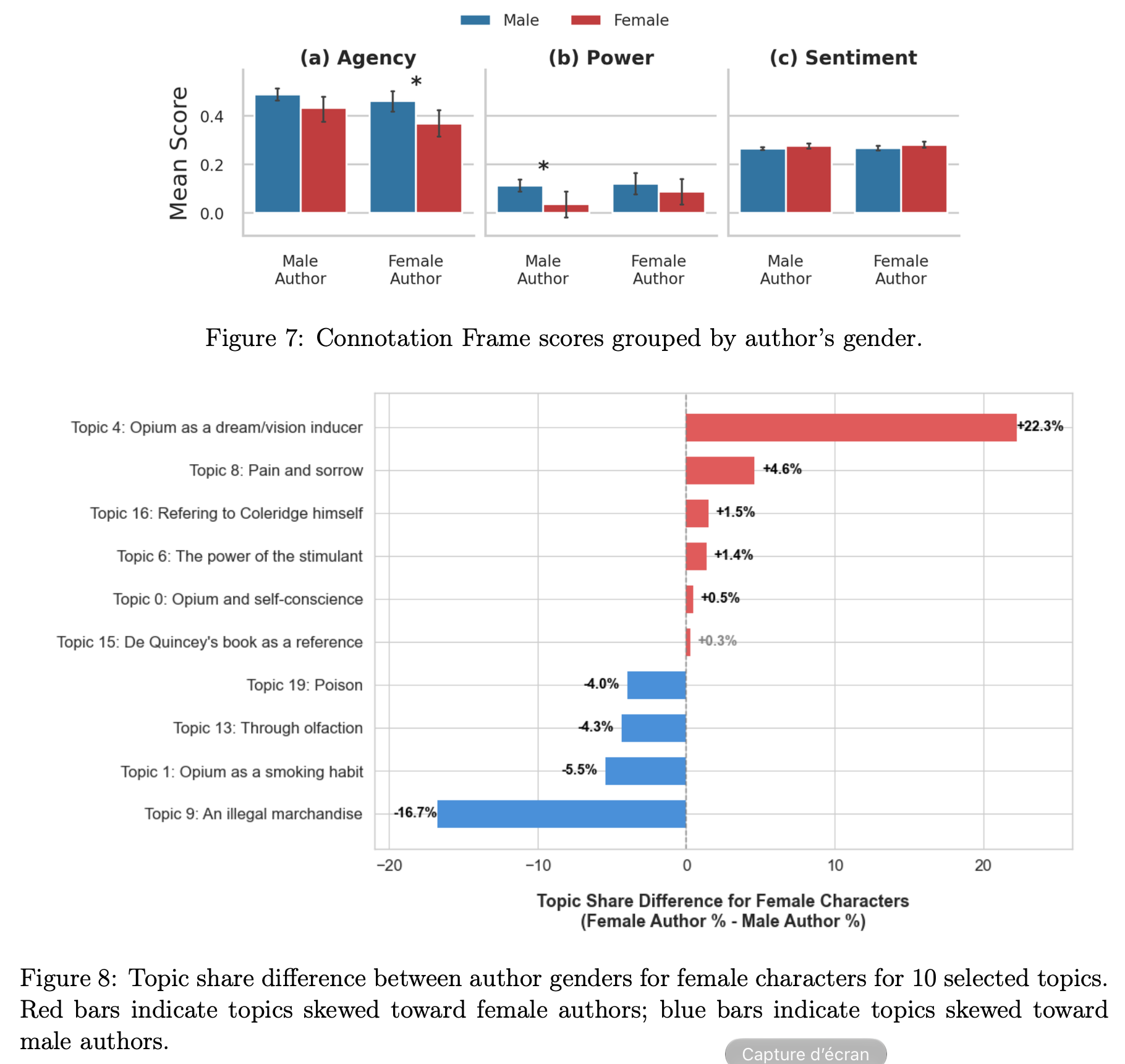
This project examines feminine narratives of opium use in British and American literature (1850–1930), combining computational analysis with close reading. Drawing on 2,164 books and 5,370 opium-related passages, it uses lexical analysis, topic modelling, and connotation frames to trace gendered patterns. Female characters associated with opiates display significantly less agency and power than male counterparts, with representations emphasizing passivity, containment, and aestheticized death. Close readings of three novels reveal nuances obscured by computational methods. The project shows how opium mediated changing constructions of femininity while demonstrating how computational analysis can operationalize and quantify patterns previously identified through qualitative literary criticism.
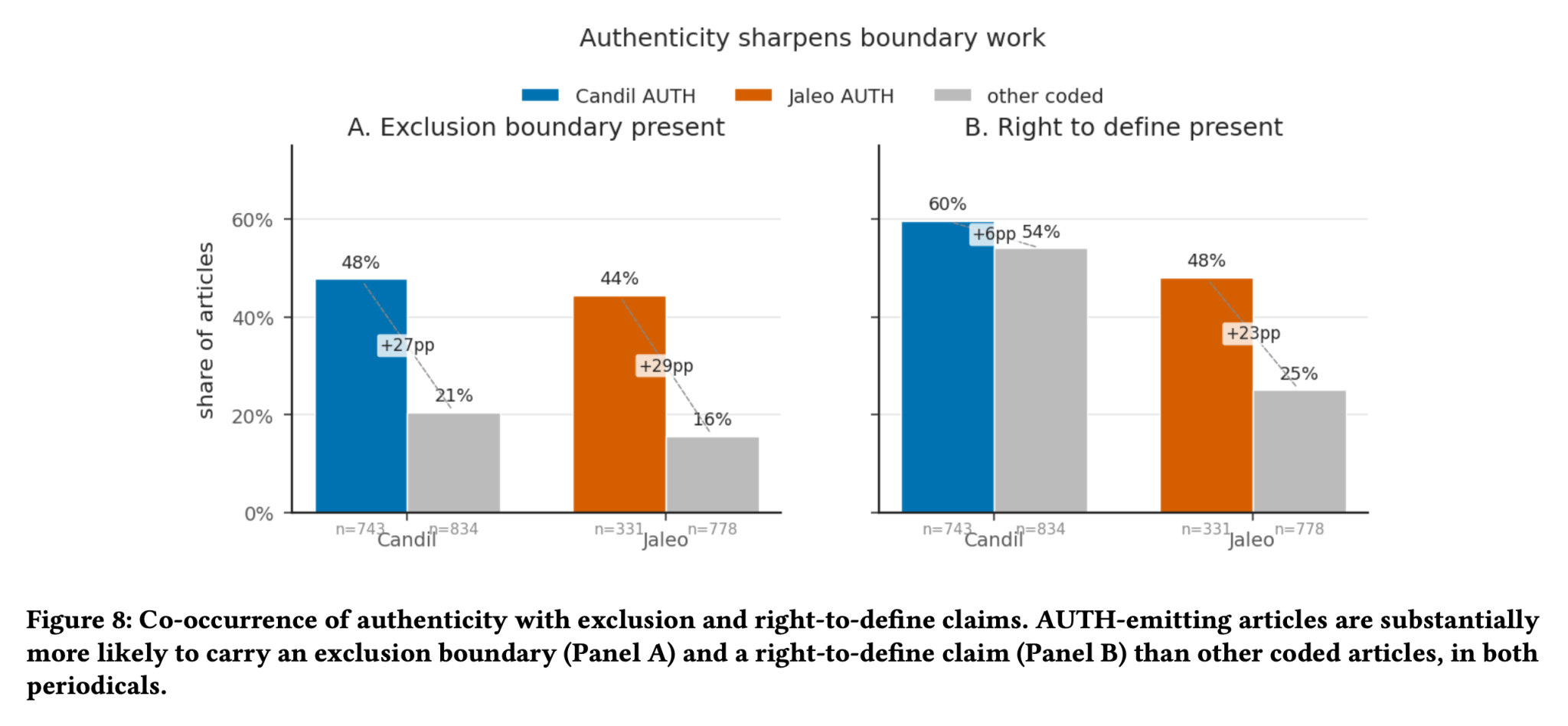
This study examines how two specialist flamenco periodicals construct cultural legitimacy through discourse and editorial form. Comparing the Spanish-language Candil and Anglophone Jaleo, it combines human annotation, AI-assisted analysis of 3,054 articles, and paratextual analysis. Legitimacy is examined through authenticity, heritage, community, pedagogy, and criticism. Candil emphasizes authenticity and criticism, while Jaleo gives greater space to community and pedagogy. These differences are also editorially organized across sections and voices. In both periodicals, authenticity functions as boundary work, structuring exclusion and claims to authority. The findings reveal how distinct specialist print publics construct and organize flamenco’s cultural legitimacy.