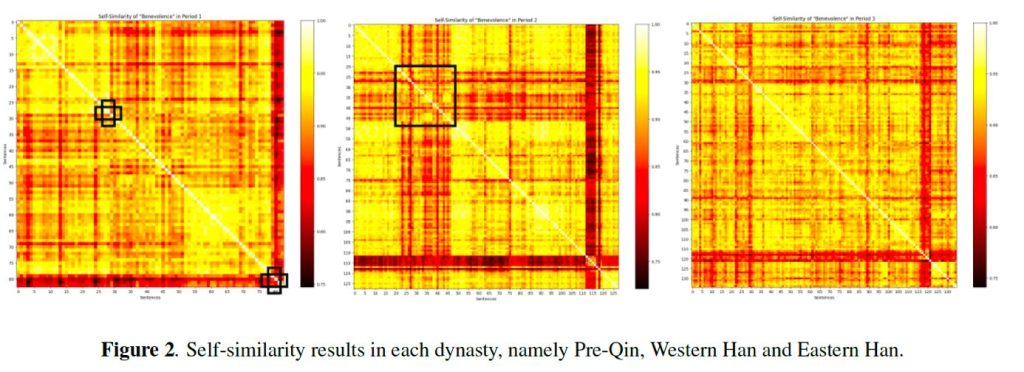
This study explores how the Confucian concept of “Ren,” typically translated as “benevolence,” evolved semantically from the Pre-Qin period through the Eastern Han dynasty (480 BCE–192 CE). Using a dataset of 26 key Confucian texts, the authors apply natural language processing techniques such as word embeddings, topic modeling, and co-occurrence analysis to examine changes in both the literal and contextual meanings of Ren. The analysis reveals that although the core meaning remained fairly stable, the nuances of Ren shifted in response to historical and political developments—particularly during the Western Han dynasty, when Confucianism became the state ideology. These findings demonstrate the flexibility and enduring relevance of Confucian moral philosophy.
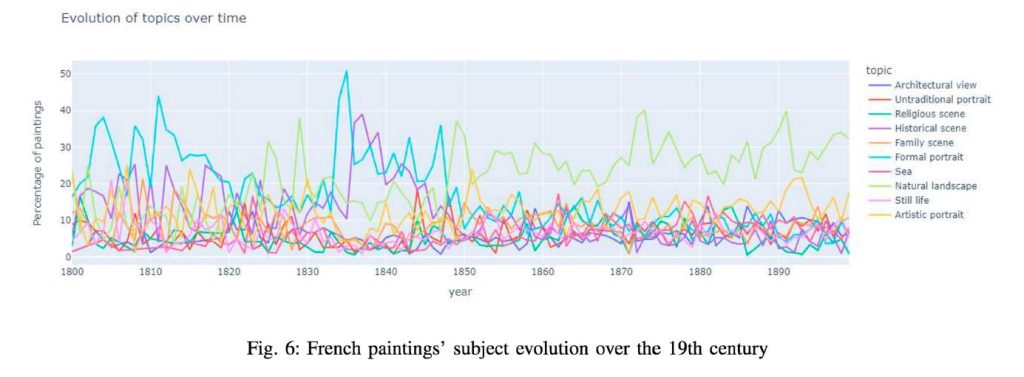
This study investigates the evolution of French paintings during the 19th century using different methods such as principal component analysis and topic modeling. By analyzing over 19,000 digitized artworks from French museums, the team focuses on their compositions and subjects, while also exploring changes in their dimensions, color palette, brightness, and topics. The findings suggest that the invention of photography could have caused painters to transition from a realistic style to a more expressive and suggestive one.
This study investigates stylistic differences in Buddha head sculptures from the Qingzhou Longxing Temple, created during the Northern Wei and Northern Qi dynasties. Drawing on a curated dataset of statue images and employing machine learning techniques, including facial landmark detection, image embeddings, and geometric analysis, the research identifies significant shifts in artistic representation between the two periods. Northern Wei statues reflect Han cultural influence with alert, symmetrical features and pronounced ushnishas (hats), aligning with a more Confucian and Sinicized aesthetic. In contrast, Northern Qi sculptures show a turn toward foreign influences, especially Indian, marked by softer facial features and flatter, rounder ushnishas. These differences are interpreted as reflections of shifting political ideologies, cultural openness, and religious expression. By combining quantitative image analysis with art-historical interpretation, the study reveals how sculpture style was shaped by broader historical and cultural transitions.

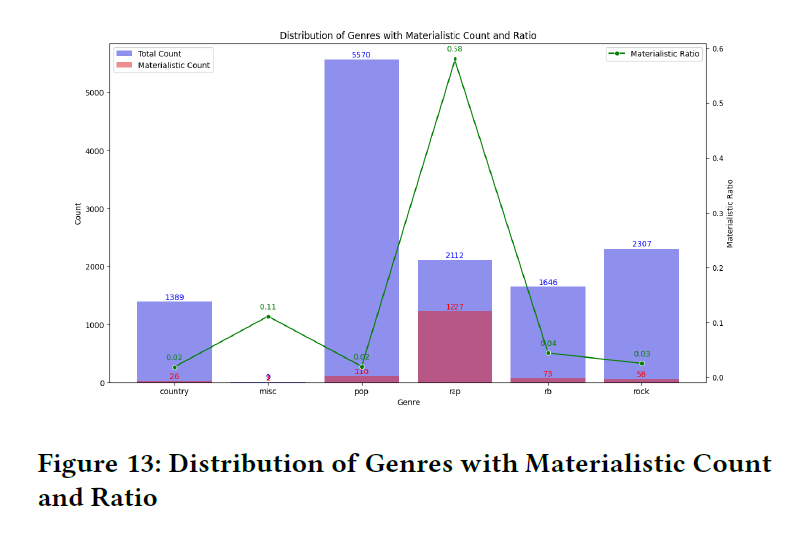
This project investigates how materialistic values are expressed and evolve in the lyrics of top-charting U.S. songs from 1958 to 2021. The authors define materialism as the prioritization of wealth and material goods as symbols of success. They use a combination of computational methods, including topic modeling, TF-IDF analysis, and named entity recognition, paired with close reading, to analyze thousands of lyrics. Their results reveal a significant rise in materialistic themes over time, especially within the rap genre, which increasingly emphasizes luxury, brand names, and conspicuous consumption. The study not only traces these lyrical trends across genres and decades, but also considers how popular music both mirrors and amplifies broader cultural shifts toward consumerism. The findings underscore the genre-specific dynamics of materialistic expression and the role of music in reflecting and influencing social values.
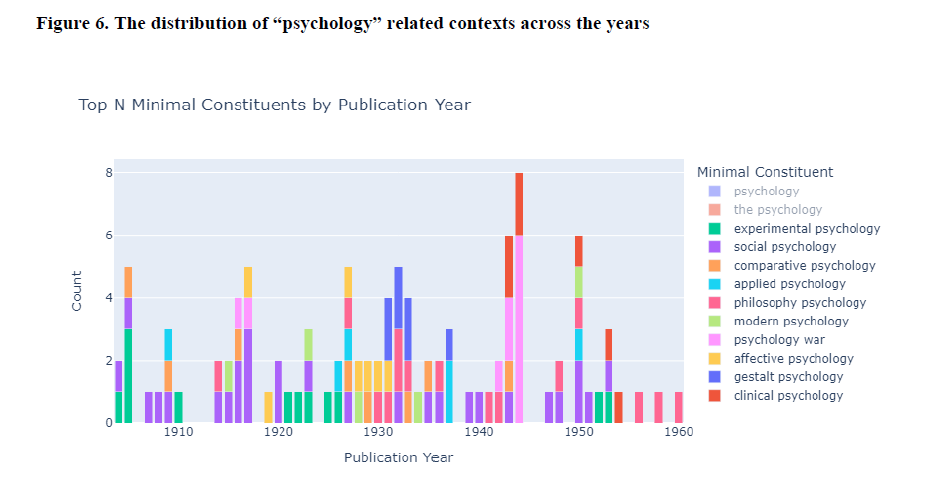
This study examines the evolution of psychology research from 1900 to 1960. It does so by analyzing the metadata of publications in the Web of Science database, focusing on behaviorism and psychoanalysis. Using title length, word frequency, and authorship patterns, the study reveals distinct trends between the two schools. Psychoanalysis dominated early on, especially post-WWII, while behaviorism gained traction in the 1940s and 1950s. Behaviorist publications were more collaborative and had longer, more descriptive titles—typical of natural sciences. These findings suggest a gradual shift in the discipline from its humanistic origins toward an empirical, natural science orientation, offering new insights into the historical transformation of scientific psychology.
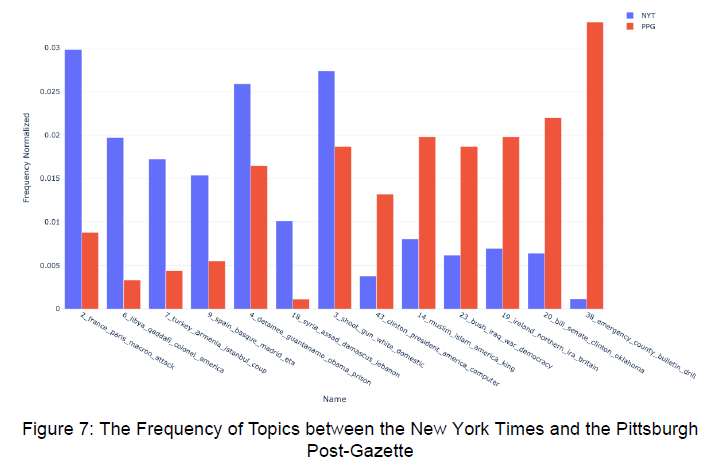
This study investigates how U.S. newspapers have portrayed terrorism from 1980 to 2020. Using methods like named entity recognition, dynamic topic modeling, and collocation analysis on over 24,000 articles, the authors explore the geographic focus, thematic content, and linguistic framing of the coverage. The results show that media coverage prioritizes countries closely tied to the U.S., emphasizes both international and domestic terrorism, and reflects evolving narratives, especially after key events like 9/11. Collocation analysis reveals a consistent oppositional stance (e.g., “counter-terrorism”) and a growing focus on domestic threats. The analysis also highlights partisan differences: left-leaning outlets focus more globally, while right-leaning ones use more emotionally charged language.