
Maurine Andanje
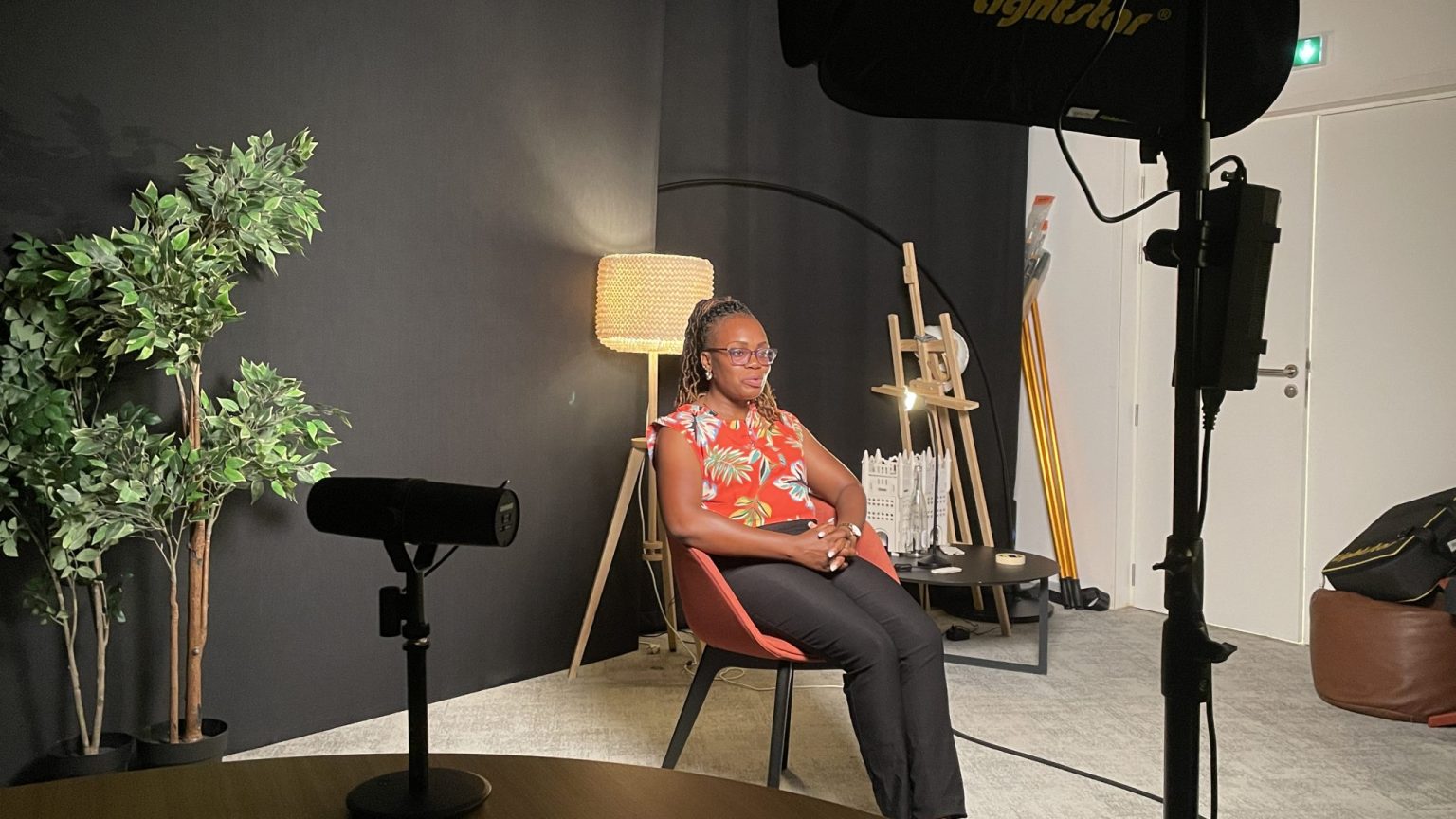
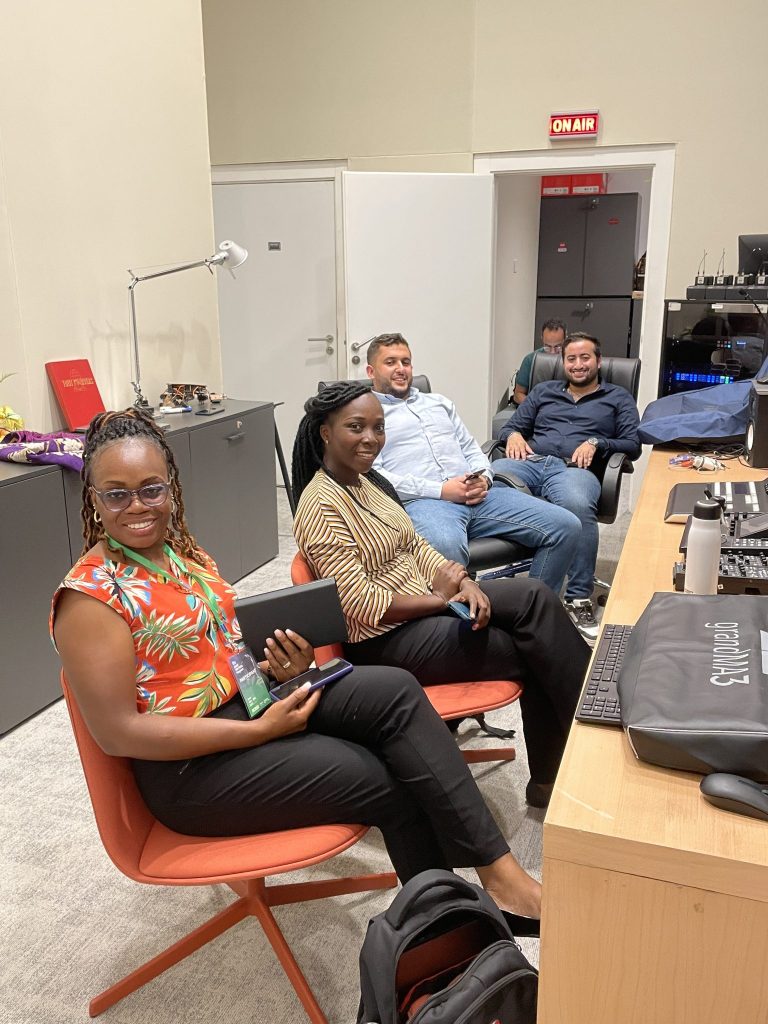
Maurine Andanje being interviewed in the UM6P studios during the 2025 Summer School. © 2025 EXAF-EPFL
Summary
Bioplastics have recently emerged as a promising alternative for reducing the environmental impact of traditional plastics. Among the raw materials used, starch has become a common choice, although its use raises issues relating to food security. Against this backdrop, Maurine’s project has focused on developing bioplastics from agricultural waste and recycled plastics, offering a more sustainable solution.
However, bioplastics derived from agricultural waste exhibit variations in flow properties and thermal sensitivity, which can complicate their use in conventional manufacturing processes. To overcome these limitations, additive manufacturing has been explored due to its flexibility and ability to adapt to materials with variable properties.
During the project, various ratios of biomaterial to recycled plastic were tested in order to identify optimal formulations for 3D printing. This work led to the development of a bioplastic that can be printed under controlled conditions, whilst ensuring a manufacturing quality suitable for complex geometries.
The experimental results confirmed the reliability of the models developed, with margins of error of less than 6% for the prediction of deformations and residual stresses. The materials obtained exhibited satisfactory mechanical properties, accompanied by improved biodegradability, reaching up to 10% within 24 weeks.
Finally, this work has led to the manufacture of functional devices, notably microfluidic substrates intended for biomedical applications. These achievements demonstrate the potential of these bioplastics for low-cost applications, particularly in the field of biosensors, whilst opening up new prospects for their use in additive manufacturing.
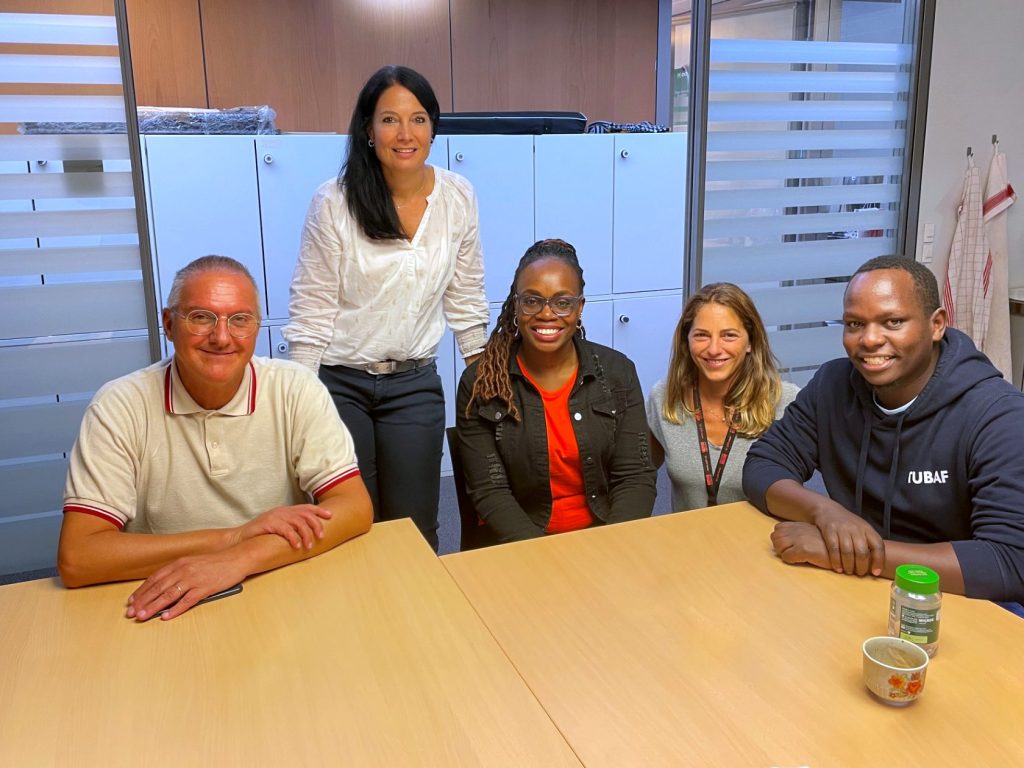
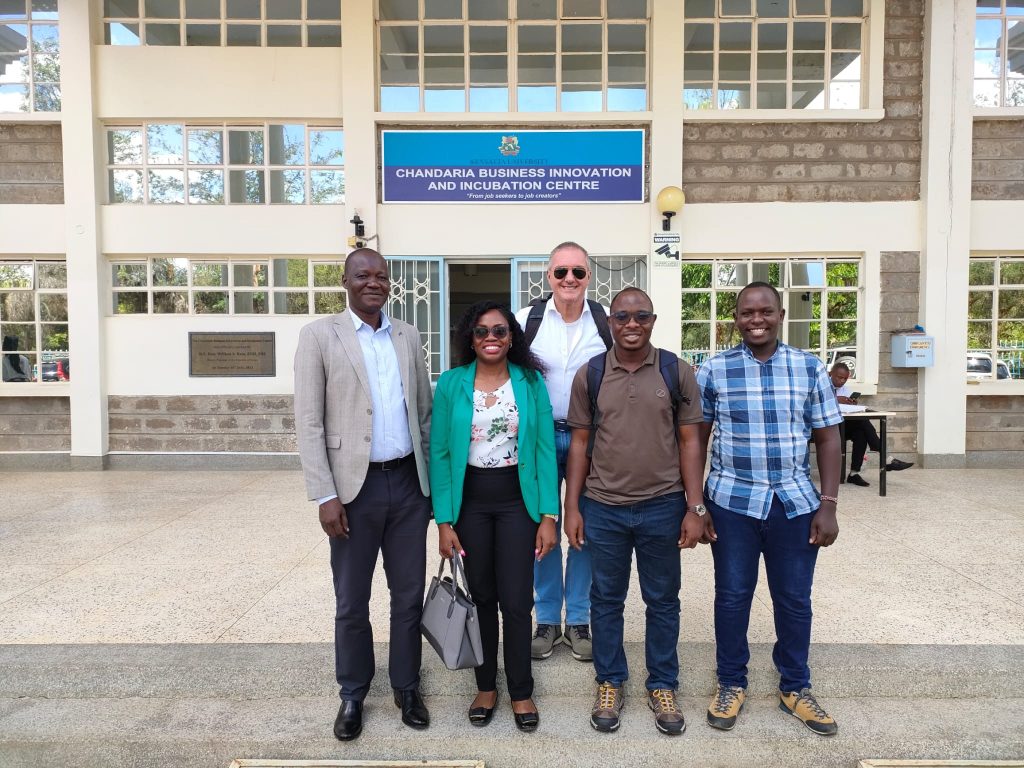
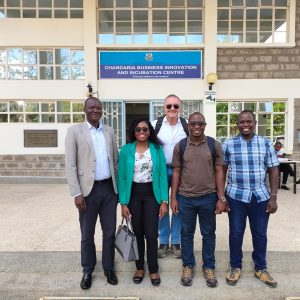
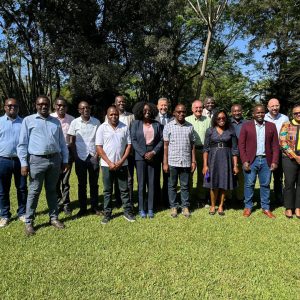
Prof Peter Olupot, Maurine, Sandro Carrara, Joseph Jjagwe, James Wamai. © 2025 Maurine Andanje

Publications / Scientific news
Andanje, M. N., Mwangi, J. W., Mose, B. R., & Carrara, S. (2025). Biofilaments from recycled high-density polyethylene andrice husks for fused filament fabrication. Materialwiss. Werkstofftech. 2025;56:1–20 10.1002/mawe.202400168
Andanje, M. N., Mwangi, J. W., Mose, B. R., & Carrara, S. (2025). Development of additive manufacturing biofilaments from recycled high-density polyethylene and rice husks: optimization of extrusion parameters. Journal of Agriculture and Technology 23 (4) 90 -102, DOI:10.4314/jagst.v23i4.6
Andanje, M. N., Mwangi, J. W., Mose, B. R., & Carrara, S. (2023). Biocompatible and Biodegradable 3D Printing from Bioplastics: A Review. Polymers, 15(10), 2355. https://doi.org/10.3390/polym15102355
Andanje, M. N., Mwangi, J. W., Mose, B. R., & Carrara, S. (2022). A comparative analysis of printable AM filaments developed from recycled HDPE and recycled PP – Extrusion process optimization. The 2022 Sustainable Research and Innovation (SRI) conference.