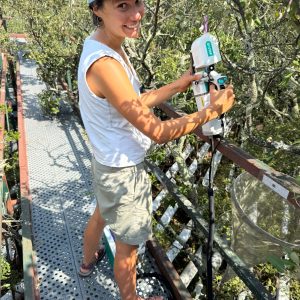
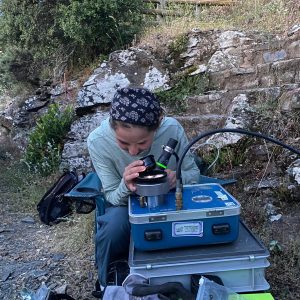
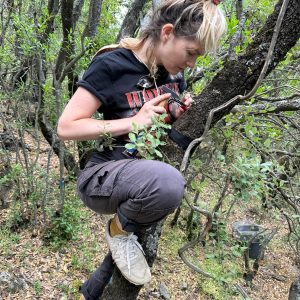
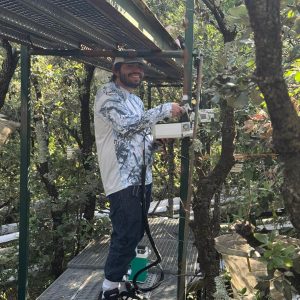
Summer is coming to an end, and so are our field campaigns.
Every year, our work in the field kicks off with the first warm rays of sunshine and continues well into autumn, filling our summers with measurements, discoveries, and plenty of adventures.
Here’s a quick recap of where everyone has been this season:
- Maxwell carried out his work at Modoek where he investigated how chronic warming and drought is affecting the process of early senescence in beech and oak trees. On top of that, he bravely explored how water stress, combined with elevated temperatures mess with phenology and induces leaf damage in various tree species using our brand new climate chambers.
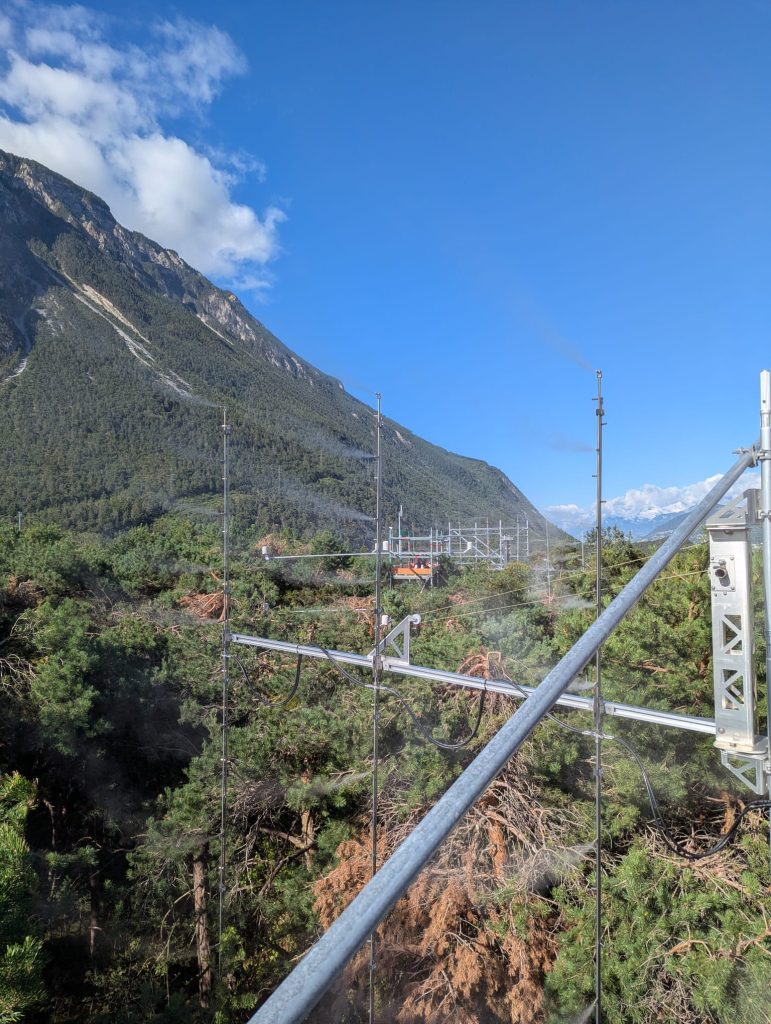
- Giovanni focused on Pfynwald pines, monitoring their physiological status and how they deal with the ups and downs of VPD.
- Alyssa and Cross headed south to France and Spain, chasing dry soils, heatwaves, and sunshine. They investigated how acclimation to low moisture helps trees cope with scorching heat. They eco-physiological toolkit included electrolyte leakage, critical temperature assessments, and pressure-volume curves. Additionally, Alyssa flew the lab’s drone to capture thermal images of the canopy— a fantastic way to monitor the plants’ responses to heat stress from above.
- Christoph, together with a Master’s student, looked into how campus trees change their local microclimate. They also calculated the Wet Bulb Globe Temperature (WBGT), an index that measures thermal stress in an environment, considering temperature, humidity, solar radiation, and wind speed. The WBGT is used to assess health risks associated with direct sun exposure.
- Helena collected samples across Switzerland and beyond — including a science road trip to Harvard. Her focus: figuring out where trees draw the line when it comes to temperature thresholds.
- Arianna and Giovanni supervised Rémy’s Master’s thesis among the vineyards of Leytron. Rémy worked on drought resistance in a typical Valais wine grape variety, focusing on embolism formation in the conductive tissues. And because grapes deserve some attention too, they expanded the study from leaves and stem (as most studies have done) all the way to the fruit.
It’s been a busy and fruitful summer for the whole team —now, as the leaves begin to turn and the coffee mugs multiply, we’re back at our desks, ready to dive into data and dream up what comes next.
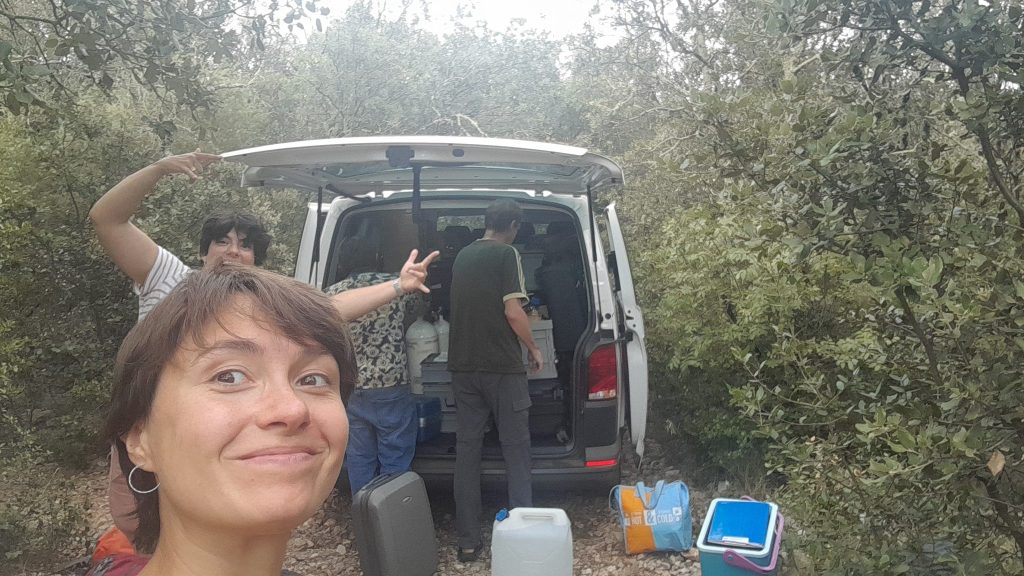
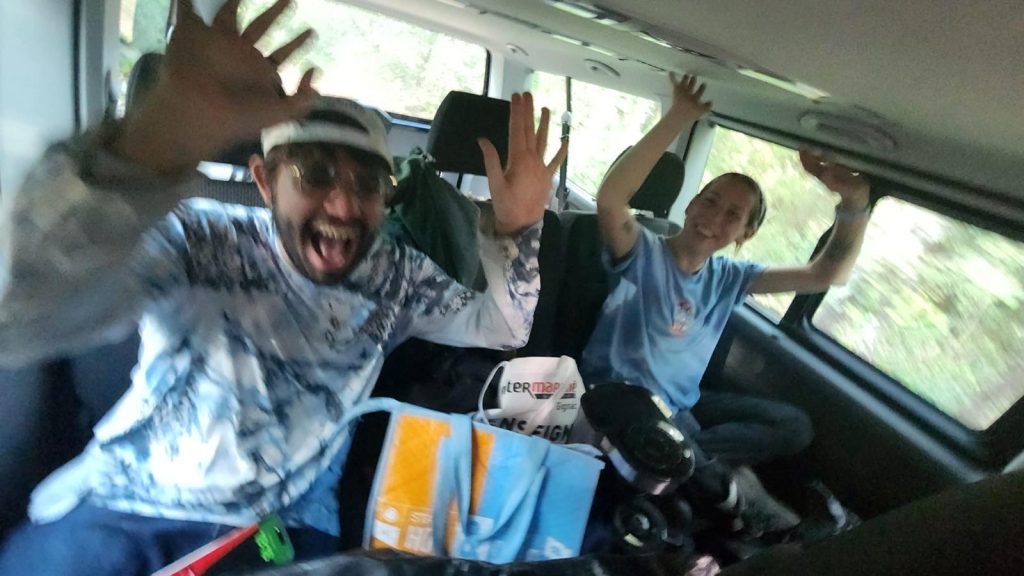
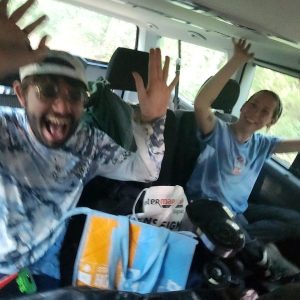
Of course, it wasn’t all just hard fieldwork — there were plenty of moments of great camaraderie (see our funny pics below)! We want to extend our heartfelt thanks to all the interns and Swiss civil service volunteers who joined our fieldwork campaigns. Without their invaluable help, many of these research questions would still be stuck in the field instead of heading into the lab.