Multivalent engineering

© Andrea Vucicevic
Multivalent Pattern Recognition.
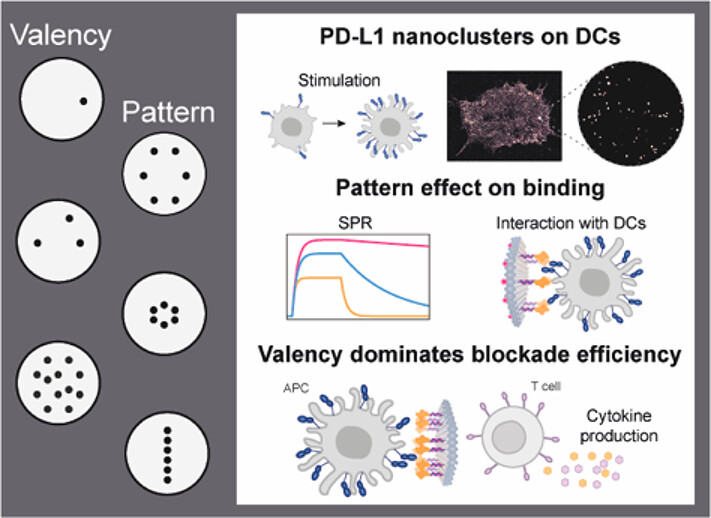
Numerous key biological processes rely on the concept of multivalency, where ligands achieve stable binding upon engaging multiple receptors, transforming a weak single interaction into a “strength in numbers” team effort. Nanomaterials used for targeting in therapeutics and clinical diagnostics often rely on multivalency for selectivity. At the bio-interface, target receptors form a dynamic and heterogenous ensemble, adding temporo-spatial constraints into engineered materials [D. Morzy, 2022].

A thorough fundamental understanding of how to navigate this “complex multivalency” is crucial for next generation targeted therapies. Current super-selective materials display a high number of flexible ligands, yet many biological processes use low copy numbers and a controlled spatio-temporal patterned arrangement. Exploiting the precision in spatial design inherent to the DNA nanotechnology, I made a breakthrough discovery in the design of super-selective multivalent materials using geometric patterns with only 6 ligands. These nanoclusters could be used to discriminate between receptor densities in a super-selective manner [H. Bila, 2022].

I defined this new phenomenon in super-selective binding as Multivalent Pattern Recognition (MPR) and demonstrated how spatial control in ligand presentation is a key regulator in immune activation as adjuvant formulation in next generation vaccines [A. Comberlato, 2022]
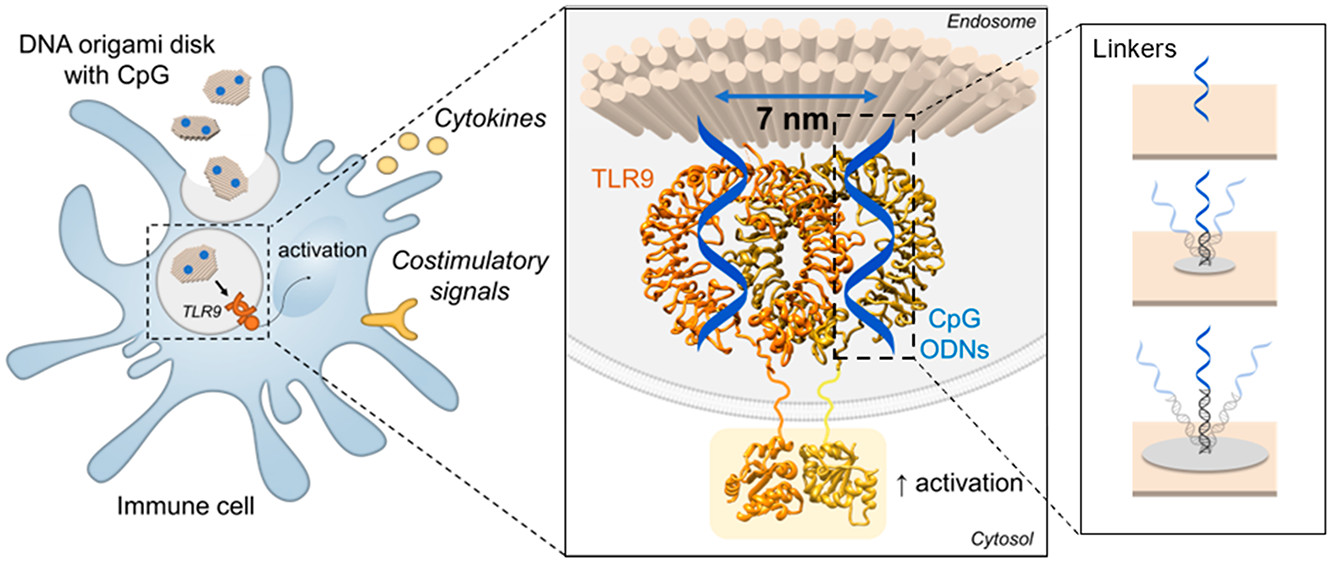
and cancer checkpoint blockade [K. Paloja, 2024].